

 عربى
Controlling manufacturing expenses is a major concern for automotive parts buyers, product developers, and procurement teams. Injection molding projects involve more than the price of plastic materials or the initial mold investment. Part geometry, tooling structure, production volume, machine capacity, and quality requirements all influence the final manufacturing budget. At Chenpeng, we believe that effective cost management starts during project planning rather than after production begins.
Our approach to low cost injection molding focuses on balancing tooling investment, material consumption, processing requirements, and production consistency. A lower initial quotation does not always represent a lower overall project expense. Buyers need to evaluate the complete manufacturing process and identify opportunities to reduce unnecessary costs without compromising the functional requirements of automotive components.

1. Review Part Design Before Starting Mold Development
Product design has a direct influence on mold structure and manufacturing expenses. Complicated geometries may require additional machining operations, specialized mold components, or more complex ejection mechanisms. Addressing these details before tooling begins helps prevent unnecessary engineering changes and additional investment.
At Chenpeng, we pay attention to several design elements during the initial project evaluation:
- Wall thickness: Uneven wall sections can create different cooling rates, shrinkage variations, and surface defects. A consistent wall structure helps improve material flow and dimensional stability.
- Draft angles: Appropriate draft angles make part ejection easier and reduce friction between molded surfaces and the mold cavity.
- Ribs and bosses: Reinforcement structures can provide mechanical strength without requiring unnecessarily thick plastic sections.
- Undercuts: Excessive undercut structures may require sliders, lifters, or other mechanical actions, increasing tooling complexity.
- Corner transitions: Rounded corners and suitable transition areas help reduce stress concentration and improve material distribution.
For automotive plastic components, design modifications must also respect assembly requirements, fastening positions, dimensional tolerances, and operating conditions. We review these functional details before recommending structural adjustments. Simplifying a mold design should never come at the expense of component compatibility or service performance.
2. Match Plastic Materials with Actual Application Requirements
Material selection is another important part of injection molding cost planning. Different plastic resins have different purchasing prices, processing characteristics, mechanical properties, and temperature resistance. Specifying a high-performance material for every component may increase project expenses without providing meaningful functional benefits.
Our material evaluation considers the intended application, environmental conditions, mechanical loading, and appearance requirements. Common engineering and automotive plastics include:
- ABS: Provides impact resistance, dimensional stability, and a suitable surface appearance for many automotive interior and exterior components.
- PP: Offers relatively low density, chemical resistance, and good flexibility. It is commonly considered for automotive trim and selected bumper-related applications.
- PC/ABS: Combines properties from polycarbonate and ABS, providing impact performance and heat resistance for applications with more demanding requirements.
- PA: Nylon grades offer mechanical strength and wear resistance, making them suitable for selected structural and functional automotive components.
Material grades should also be evaluated according to their melt flow characteristics, shrinkage behavior, and compatibility with the proposed mold structure. Glass-fiber reinforcement, UV stabilizers, flame retardants, and color additives may change the material price and processing conditions.
For example, a PP component used in an automotive application may not require the same material specification as a PC/ABS housing exposed to higher temperatures. Our project planning process considers these differences before confirming the material specification. This helps prevent unnecessary material expenses while maintaining the required performance level.
3. Evaluate Mold Structure and Tooling Investment Carefully
The injection mold is a significant part of the project budget, particularly for components with complicated shapes or relatively limited production demand. Mold structure should therefore be evaluated according to part geometry, expected production volume, dimensional accuracy, and anticipated service life.
Several tooling decisions can influence the total investment:
- Mold cavity configuration: Single-cavity and multi-cavity molds serve different production requirements. Additional cavities can increase output per machine cycle, but they also require a higher initial tooling investment.
- Slider and lifter mechanisms: These components are useful for releasing undercut features. However, their quantity and movement complexity should be reviewed during mold design.
- Cooling channel arrangement: Proper cooling channel placement helps control temperature distribution and reduce unnecessary cooling time.
- Mold steel selection: Different steel grades provide different hardness, wear resistance, machinability, and service characteristics. The appropriate choice depends on resin properties and production expectations.
- Hot runner or cold runner systems: Both configurations have different tooling costs and material management requirements. The decision should reflect part geometry, resin characteristics, and production volume.
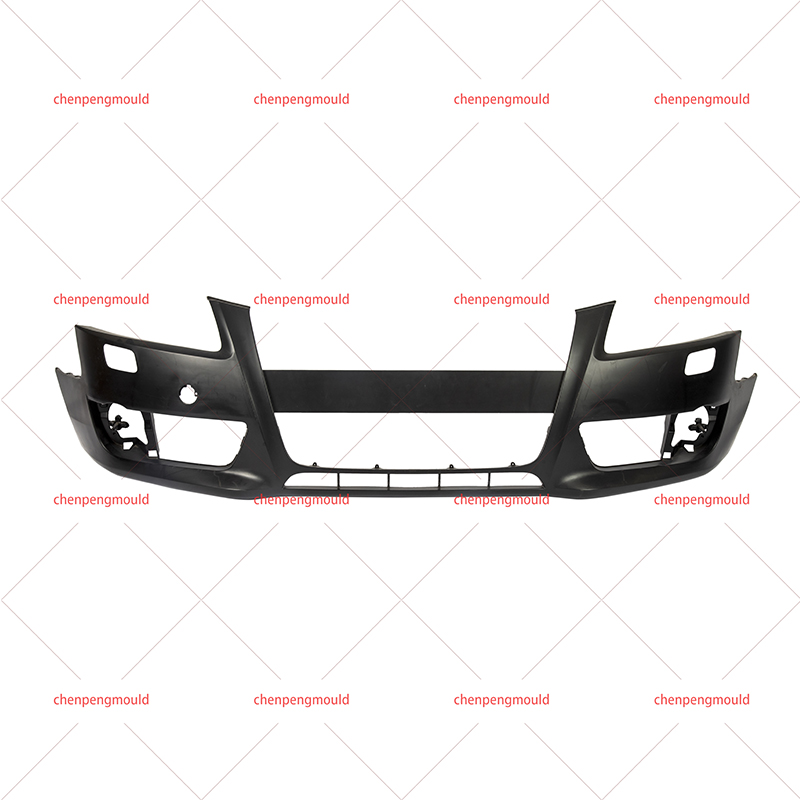
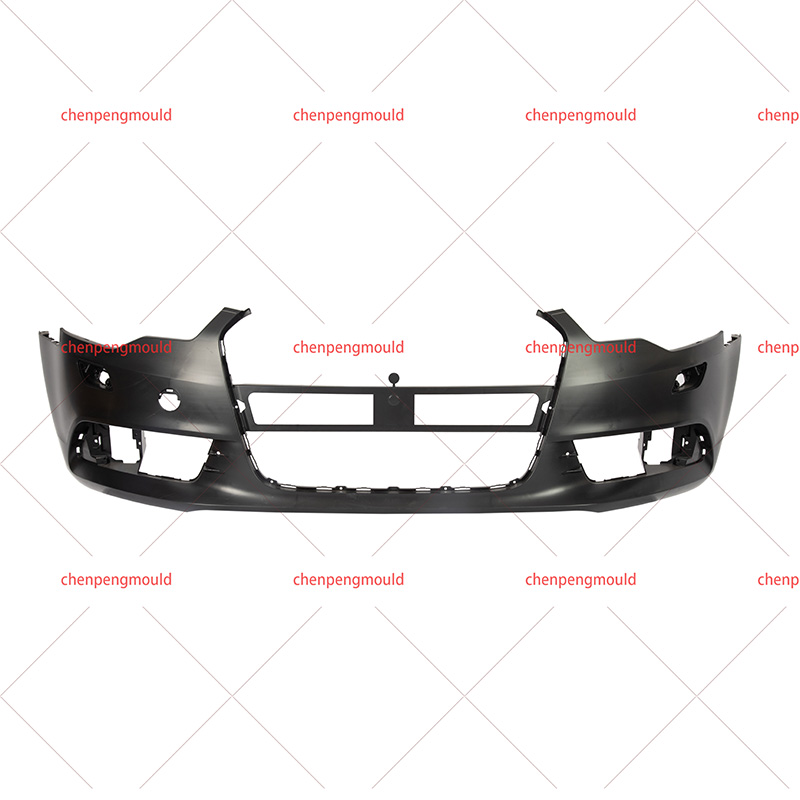
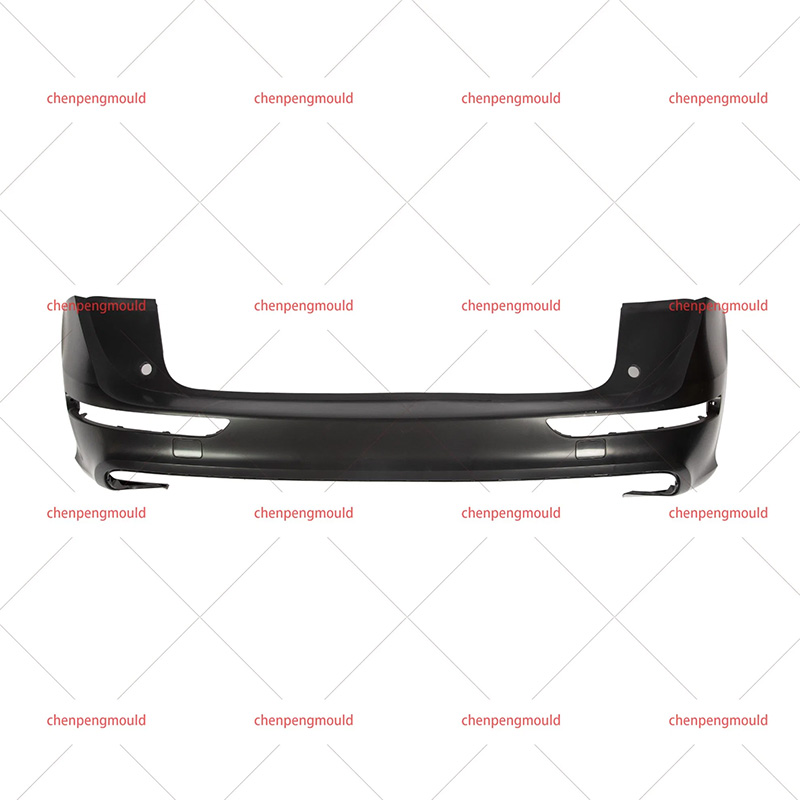
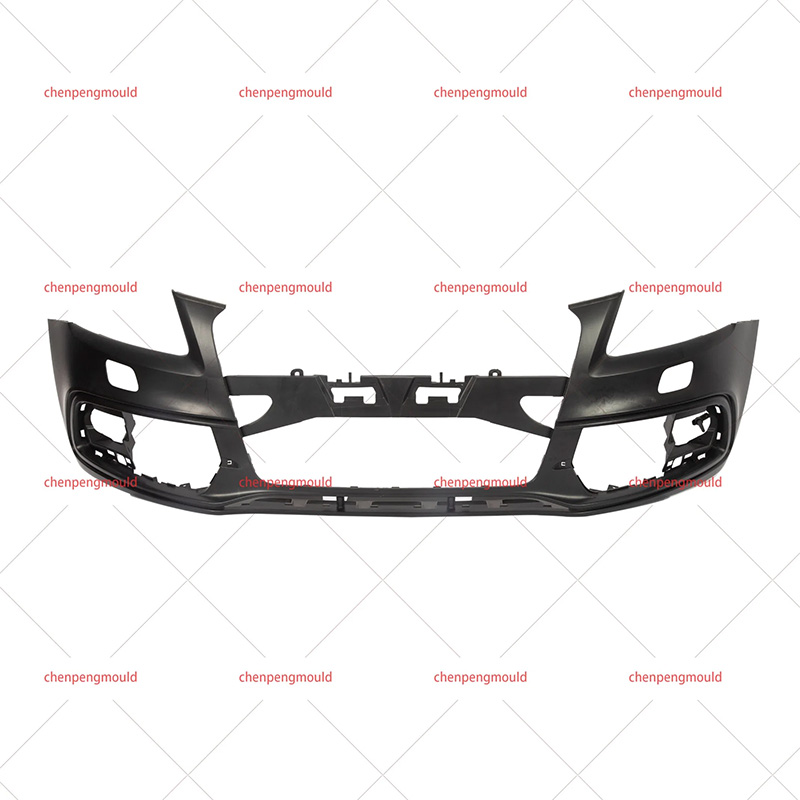
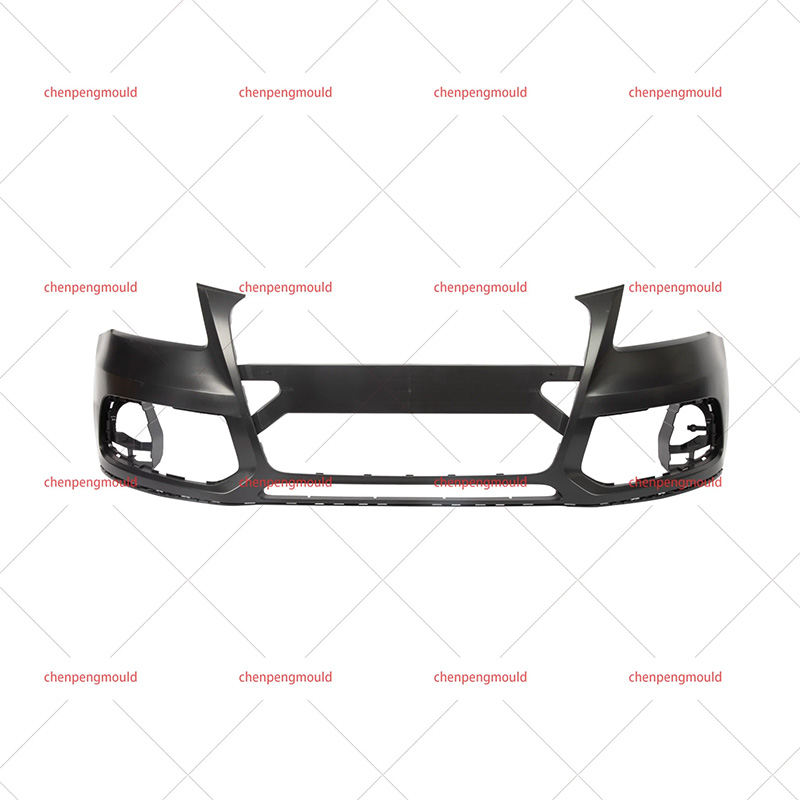
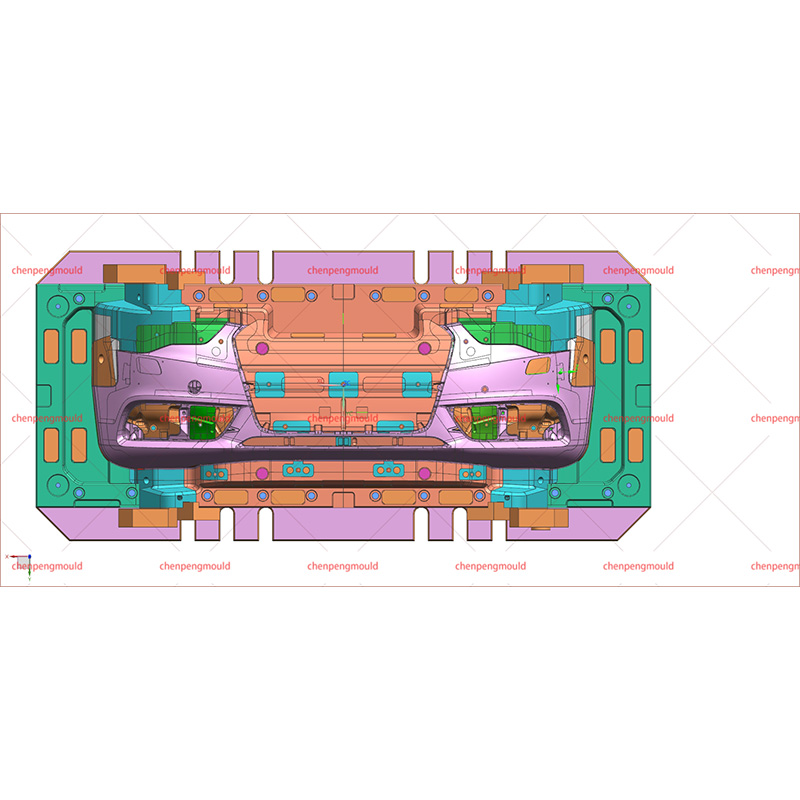
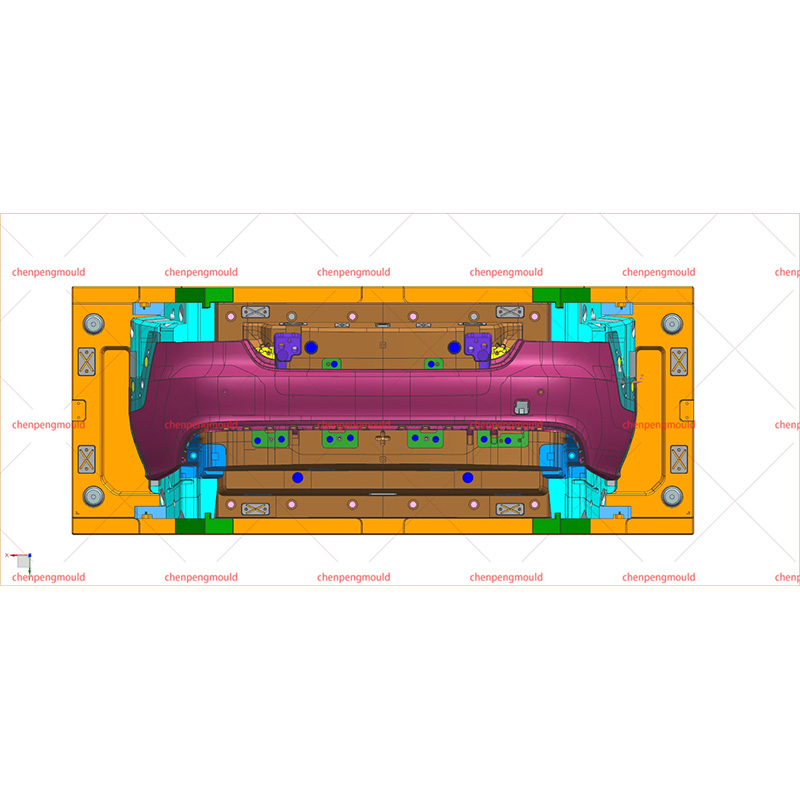
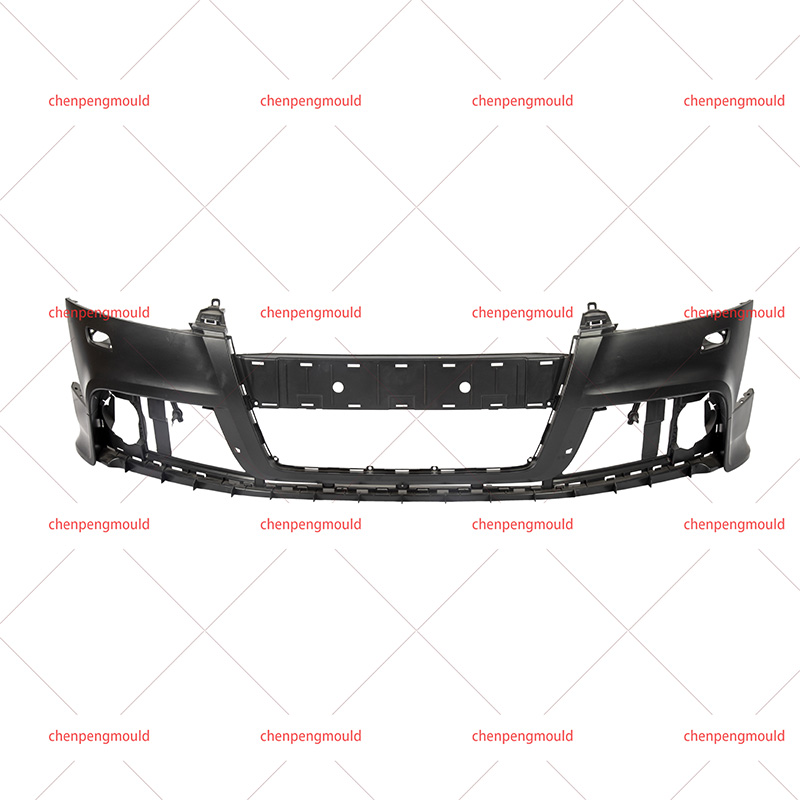
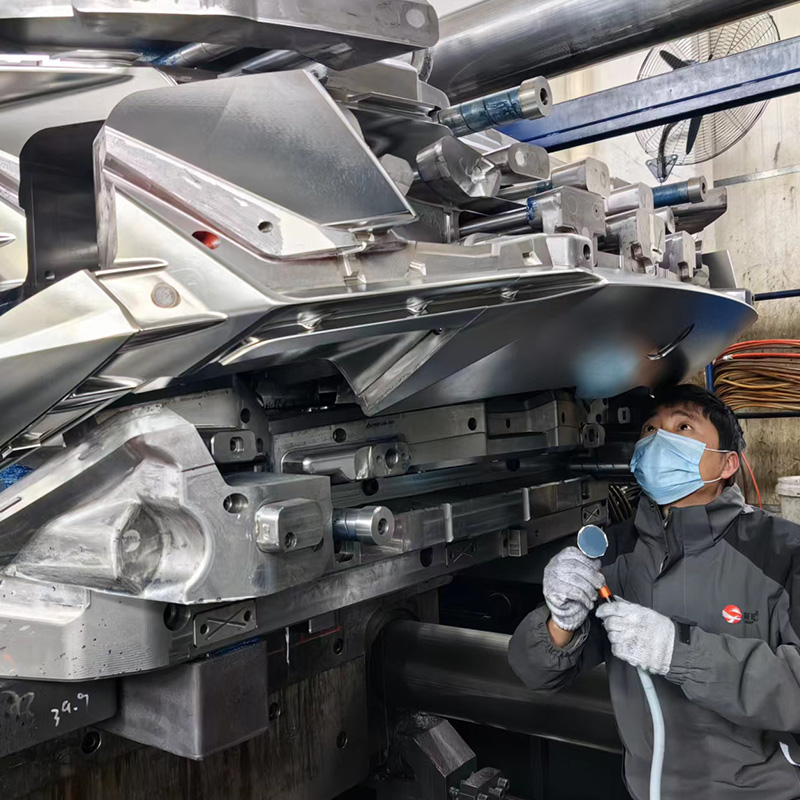
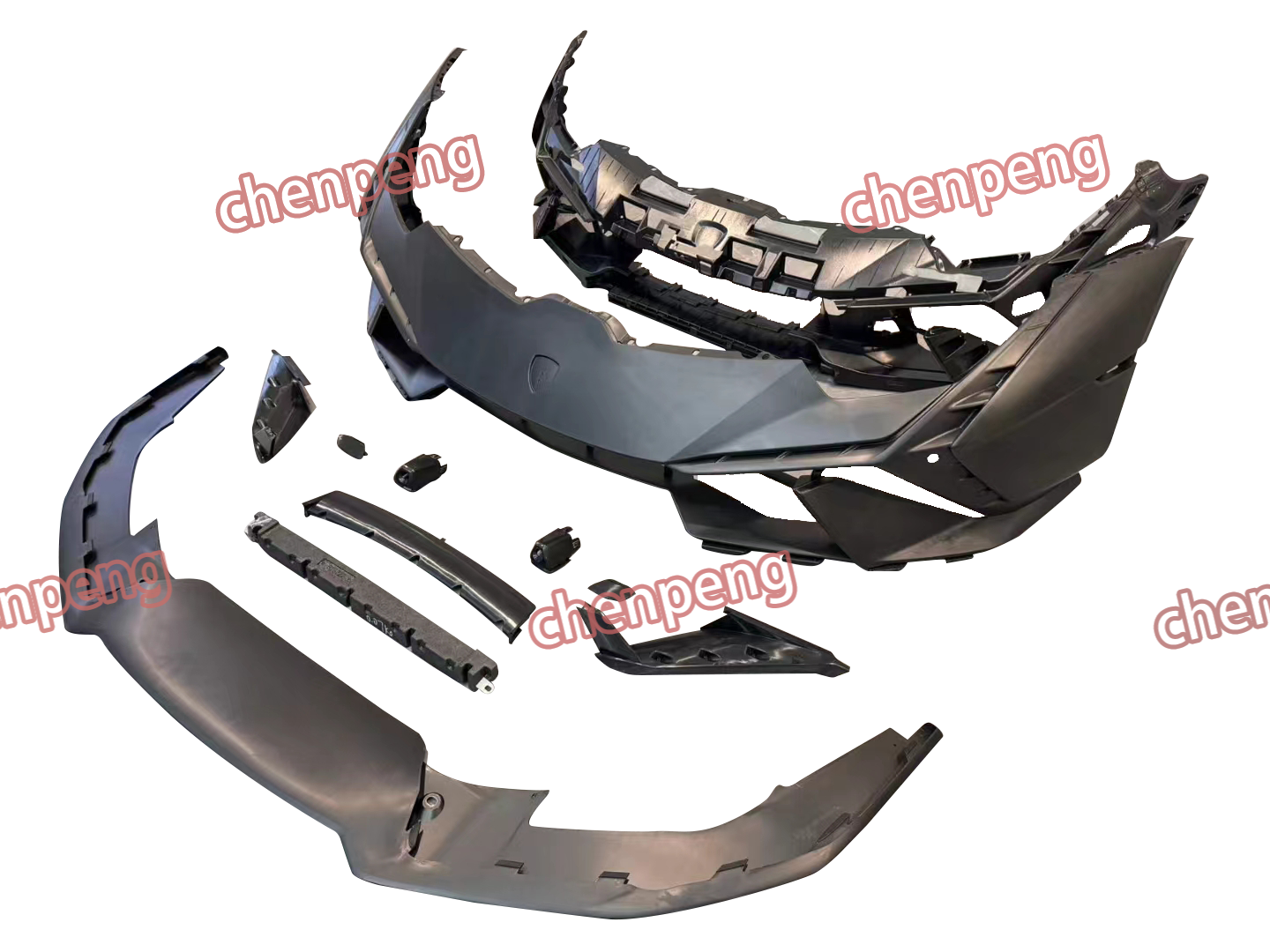
For automotive bumper molds, large cavity dimensions, surface appearance, and cooling arrangements require particular attention. Mold structures may also involve sliders, inserts, and other mechanisms to accommodate mounting features and complex contours.
At Chenpeng, we consider the relationship between mold investment and the expected production program rather than recommending tooling configurations based on cavity count alone. A practical tooling plan should support the required output while keeping initial investment and ongoing operating expenses under control.
4. Optimize Wall Thickness and Injection Molding Cycle Time
Production cycle time directly affects machine utilization and processing expenses. A longer cycle means that each production batch occupies equipment for more time. Cooling generally accounts for a substantial portion of the molding cycle, making wall thickness and cooling system design important cost considerations.
For example, a plastic component with a nominal wall thickness of approximately 2.5–3.0 mm may have different cooling requirements from a component containing 4–5 mm thick sections. Actual cooling time depends on resin properties, mold temperature, cooling channel design, and processing conditions.
Our engineering considerations include:
- Maintaining reasonably uniform wall thickness across the component.
- Avoiding unnecessarily thick sections that increase cooling requirements.
- Reviewing cooling channel positions around thick areas and complicated geometries.
- Optimizing gate locations to support balanced filling and reduce material flow problems.
- Adjusting injection speed, holding pressure, and cooling settings through mold trials.
However, reducing cycle time should not become the only production objective. Excessively short cooling periods may cause deformation, dimensional variation, or ejection problems. Our process evaluation balances production speed with part quality and repeatability.
5. Plan Production Volume and Mold Capacity Together
Production volume influences how tooling expenses are distributed across individual components. A mold with a higher initial investment may become economically reasonable under a large production program, while a simpler tooling configuration may be more suitable for a smaller order.
We recommend evaluating annual demand, forecast changes, production frequency, and expected project duration before confirming mold specifications.
| Production Planning Factor | Cost Consideration | Recommended Evaluation |
| Annual demand | Determines expected machine utilization and tooling cost allocation. | Review purchasing forecasts and order schedules. |
| Cavity count | Changes mold investment and output per cycle. | Compare tooling expenses with expected production volume. |
| Machine capacity | Affects equipment availability and processing costs. | Check clamping force, shot capacity, and mold dimensions. |
| Production frequency | Influences setup, mold changes, and equipment scheduling. | Coordinate batch sizes with delivery requirements. |
| Future demand | May affect decisions about mold expansion or additional tooling. | Consider realistic demand forecasts and program duration. |
For projects involving multiple automotive plastic components, coordinating production schedules can also improve equipment planning. Similar materials, compatible mold requirements, and related production batches may provide opportunities for better machine utilization.
Our low cost injection molding planning considers both current purchasing requirements and possible changes in future demand. This approach helps buyers avoid investing in unnecessarily complicated tooling or arranging production capacity that does not match their actual purchasing plans.
6. Reduce Quality-Related Expenses Through Process Control
Low manufacturing quotations have limited value if the production process generates excessive scrap, dimensional inconsistencies, or repeated rework. Quality-related expenses should therefore be included in the original cost assessment.
Automotive plastic components may require dimensional inspection, appearance evaluation, assembly verification, and material checks. Different components have different acceptance criteria, so inspection procedures should be established according to their engineering drawings and application requirements.
At Chenpeng, our project quality considerations can include the following checkpoints:
- Incoming material inspection: Verify resin identification, material specifications, and relevant documentation before processing.
- Initial mold trial: Examine filling behavior, ejection performance, surface appearance, and dimensional results.
- Process parameter monitoring: Track injection pressure, melt temperature, mold temperature, holding time, and cooling conditions.
- Dimensional verification: Check critical dimensions, mounting positions, and assembly interfaces against approved drawings.
- Appearance inspection: Review flash, sink marks, weld lines, scratches, and other visible defects according to agreed standards.
Consistent process records also help identify production variations and support corrective actions. A stable molding process can reduce rejected parts, additional inspection work, and unexpected production interruptions.
7. Prepare Complete Project Information Before Requesting a Quotation
Incomplete project information often makes cost estimation less accurate. Buyers may receive quotations based on different assumptions about materials, tooling specifications, annual demand, or quality requirements. Comparing these figures without understanding their scope can create confusion during supplier negotiations.
At Chenpeng, we encourage customers to prepare relevant technical information before starting a quotation discussion. Useful project documents include:
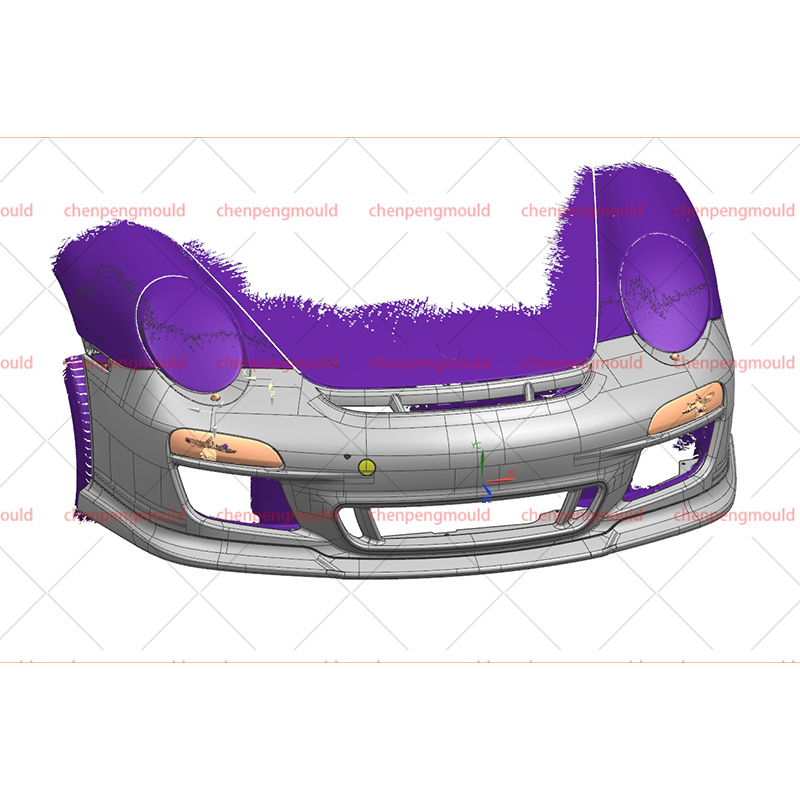
- 3D CAD files in STEP, IGES, or another mutually accepted format.
- 2D engineering drawings with critical dimensions and tolerances.
- Specified resin grades, colors, and surface finish requirements.
- Estimated annual demand and expected total project volume.
- Mold cavity preferences, expected tooling life, and ownership requirements.
- Inspection standards, packaging details, and delivery arrangements.
Providing these details allows us to assess the project scope more accurately and identify potential design or tooling concerns before production preparation begins. It also makes quotation comparisons more meaningful because the technical assumptions are clearly defined.
Building a More Cost-Controlled Injection Molding Project with Chenpeng
Reducing injection molding expenses requires coordinated decisions across engineering, material purchasing, tooling development, and production management. Focusing exclusively on the initial mold quotation may overlook recurring costs associated with material waste, extended machine cycles, quality defects, and additional processing operations.
At Chenpeng, we approach automotive mold projects with attention to practical manufacturing requirements and long-term production considerations. From reviewing component drawings to evaluating mold structures and production arrangements, our goal is to help customers develop a manufacturing plan that balances technical requirements with budget expectations.
Every project has its own geometry, material specifications, production targets, and quality standards. Customers can share their drawings and project requirements with our team for a technical discussion and quotation assessment. A well-prepared project plan provides a clearer basis for controlling manufacturing expenses and maintaining consistent automotive component production.
Frequently Asked Questions
1. Which project details have the greatest influence on injection molding quotations?
Part dimensions, geometry, resin grade, mold complexity, cavity count, expected production volume, and inspection requirements all influence the quotation. Complete CAD drawings and technical specifications help us evaluate these factors more accurately.
2. Can changing the plastic material reduce manufacturing expenses?
Yes, an alternative resin may reduce material purchasing expenses. However, the replacement must meet the required mechanical strength, temperature resistance, chemical compatibility, and dimensional stability. We recommend evaluating material alternatives according to actual application conditions rather than price alone.
3. Is a multi-cavity mold suitable for every automotive plastic component?
No. Multi-cavity tooling is generally considered for components with suitable dimensions, geometry, and production demand. Large automotive components or parts with complicated side actions may require different tooling arrangements. Mold size, machine capacity, filling balance, and investment costs should all be assessed.
4. How can buyers reduce defects during automotive injection molding?
Buyers can reduce defect risks through appropriate material specifications, mold flow evaluation, balanced gate design, effective cooling, and controlled processing parameters. Mold trials and dimensional inspections also help identify potential problems before regular production.
5. What information should be provided to Chenpeng for a project quotation?
We recommend providing 3D drawings, 2D specifications, resin requirements, expected production volume, surface finish details, and quality standards. Additional information about assembly conditions and intended automotive applications can also help us assess the project requirements.
 +86-18357617666