

 عربى
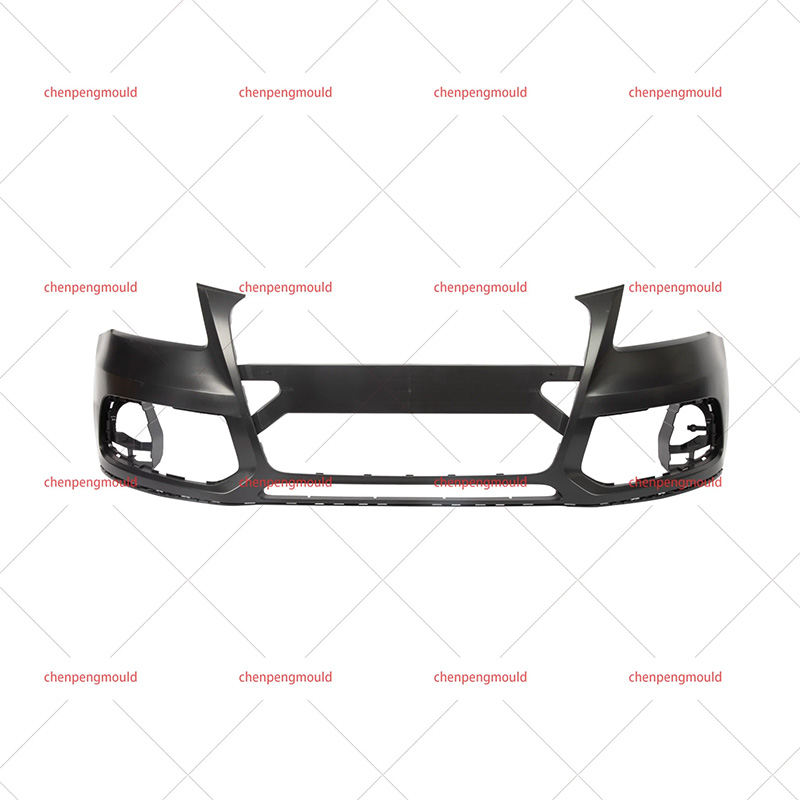
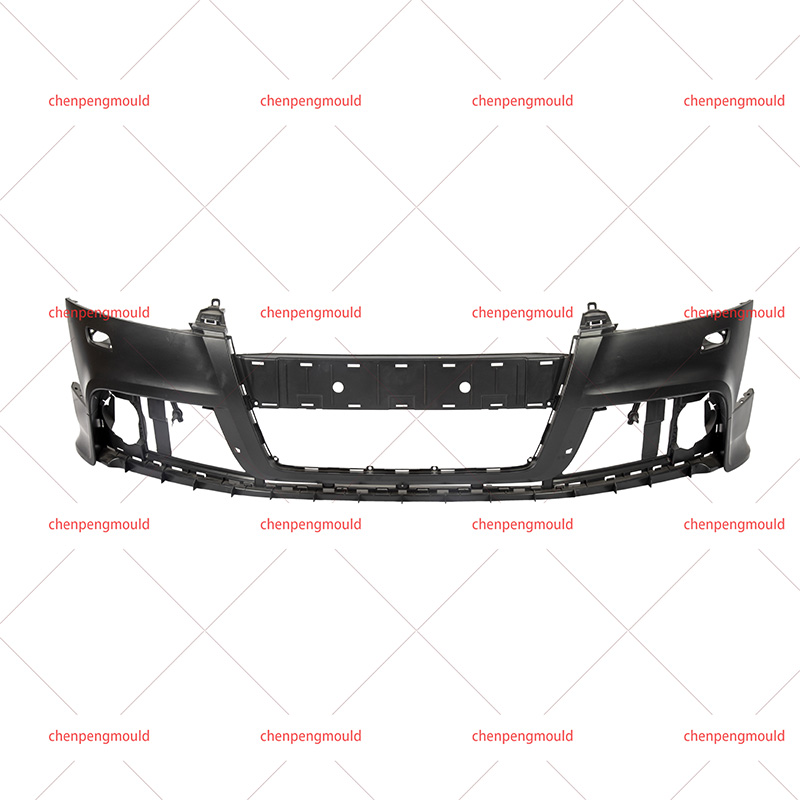
Automotive bumper development involves multiple engineering stages, from initial part design and mold structure planning to machining, trial molding, and sample approval. A design revision during any of these stages may affect the project schedule, especially for large front and rear bumper molds with complicated geometries. At Chenpeng, we pay close attention to design coordination because changes made after tooling work begins can require additional machining, component replacement, and repeated validation.
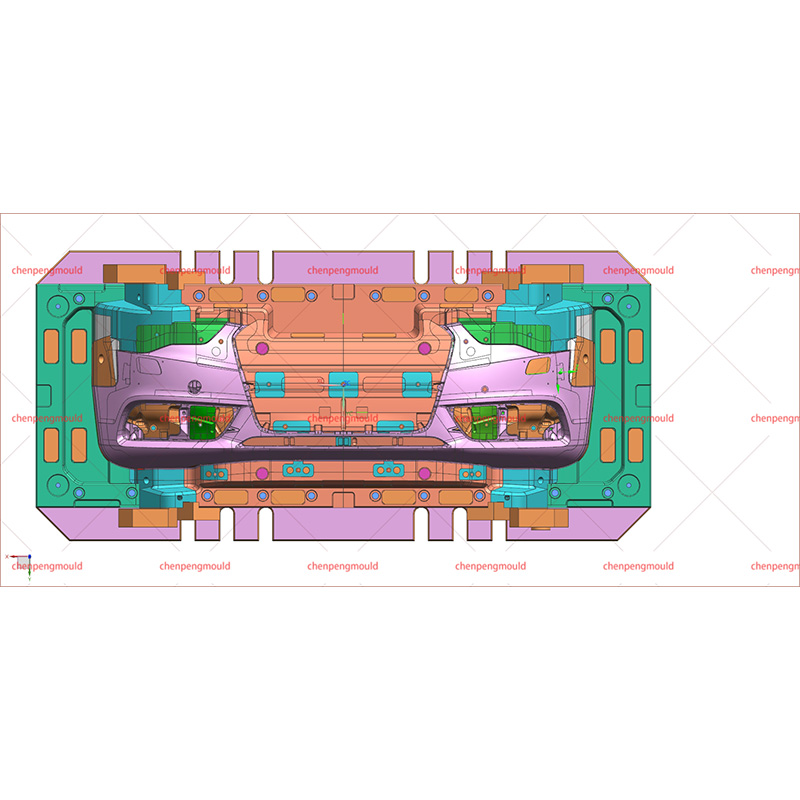
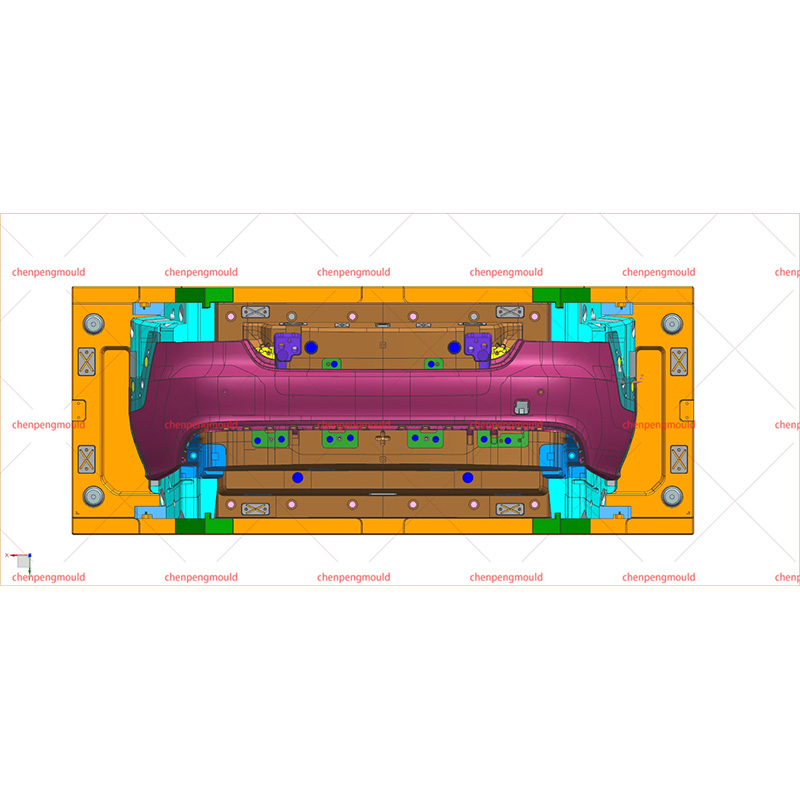
Our car bumper injection moulding projects require coordination between product geometry, mold mechanisms, material flow, and cooling arrangements. Understanding the possible effects of design changes helps customers establish realistic development schedules and reduce unnecessary engineering adjustments.
1. Identify Design Changes That May Affect Mold Development
Not every design revision requires extensive tooling modifications. The actual impact depends on the affected area, existing mold structure, and manufacturing stage.
- Mounting point adjustments: Changes to mounting holes, clips, or bracket positions may require insert modifications or localized machining.
- Contour revisions: Adjustments to bumper width, height, corner radius, or grille openings can affect cavity and core geometry.
- Wall thickness changes: Modified thickness distribution may influence material filling, shrinkage, cooling time, and warpage.
- Undercut modifications: New structural details may require additional sliders, lifters, or other side-action mechanisms.
- Surface appearance updates: Changes to texture, polishing, or visible parting lines may involve additional finishing operations.
At Chenpeng, we compare revised CAD files with the previously approved version to identify affected mold components. This assessment helps determine whether localized modifications are sufficient or a larger tooling adjustment is necessary.
2. Review the Timing of Engineering Revisions
The development stage at which a change occurs has a significant influence on the project schedule. A modification made during preliminary mold design is generally easier to accommodate than a revision introduced after cavity machining or mold assembly.
Three Important Development Stages
- Before mold machining: Geometry, gate positions, draft angles, and parting lines can be reviewed before steel processing. This stage provides greater flexibility for design adjustments.
- During mold manufacturing: Changes may require updated machining programs, replacement inserts, or revised component drawings. Their effects depend on how much work has already been completed.
- After initial mold trials: Revisions may involve repeated sampling, dimensional inspection, and process adjustments before the updated parts receive approval.
We encourage customers to confirm critical product specifications before releasing the mold for machining. A stable design baseline makes engineering coordination easier and reduces the possibility of repeated tooling work.
3. Use DFM and Mold Flow Analysis to Identify Potential Problems
Design for Manufacturability (DFM) and Mold Flow analysis are useful tools for evaluating bumper mold feasibility before production tooling is completed. Large automotive bumper components have extensive projected areas and complicated surface geometries, making material distribution and temperature control important engineering considerations.
Our technical review can focus on several areas:
- Gate quantity and positioning to support balanced filling.
- Wall thickness transitions that may influence shrinkage and deformation.
- Weld-line locations and potential air-trap areas.
- Cooling channel distribution across large molded surfaces.
- Slider movements, ejection sequences, and undercut release.
For example, relocating a gate may change the flow direction and weld-line position. Adjustments to the cooling layout may also be necessary to improve temperature distribution and dimensional stability. Identifying these interactions through engineering analysis helps us reduce avoidable modifications during mold trials.
4. Coordinate Mold Trials with the Revised Design
After tooling modifications, trial molding is necessary to verify whether the updated mold can produce components that meet the approved specifications. A revised bumper may require additional dimensional checks, assembly verification, and surface inspections.
Our trial evaluation may include:
- Dimensional inspection: Check overall dimensions, mounting locations, and critical assembly interfaces.
- Surface evaluation: Examine sink marks, flash, weld lines, scratches, and visible deformation.
- Assembly verification: Confirm that clips, brackets, and connected components fit the intended positions.
- Process adjustment: Review injection pressure, melt temperature, holding conditions, and cooling settings.
For automotive bumper projects using PP or PP+EPDM materials, shrinkage behavior and cooling consistency deserve particular attention. Any changes to the material grade or wall structure should also be reviewed before the next trial.
5. Improve Project Communication Before Approving Changes
Engineering revisions can create confusion when different teams work with outdated drawings or incomplete modification instructions. We recommend establishing a clear change-control process between the customer, product design team, and mold engineering team.
Useful project documents include:
- Updated 2D drawings and 3D CAD files.
- A revision record describing modified dimensions and structures.
- An agreed list of critical dimensions and acceptance criteria.
- A tooling modification assessment covering affected components.
- A revised sampling and approval schedule.
At Chenpeng, we use these details to evaluate engineering work and communicate possible schedule adjustments. Clear revision records also help prevent unnecessary machining based on superseded product information.
Keep Your Bumper Mold Project Moving with Chenpeng
Design changes are a normal part of automotive product development, but their impact on tooling schedules depends on timing, complexity, and engineering coordination. Early design reviews, DFM evaluation, mold flow analysis, and structured trial procedures provide a practical way to manage these changes.
At Chenpeng, we work with customers to review bumper component drawings, evaluate mold modifications, and coordinate tooling development according to project requirements. Sharing updated CAD files and revision details at an early stage helps us assess the necessary engineering work and provide a clearer development plan for your automotive bumper project.
Frequently Asked Questions
1. Does every bumper design revision require a new mold?
No. Minor changes to mounting holes or localized structures may be handled through insert replacement or machining. Major contour changes or extensive modifications to cavity geometry may require more substantial tooling work.
2. Can customers request design modifications after the mold trial?
Yes. However, the modification scope needs to be evaluated according to the trial results and existing mold structure. Updated samples and additional inspections may be necessary before approval.
3. Which bumper design details should be confirmed before tooling starts?
Overall dimensions, mounting interfaces, wall thickness, draft angles, surface texture, material grade, gate positions, and assembly requirements should be reviewed before mold manufacturing begins.
4. How can buyers reduce delays caused by engineering revisions?
Providing complete CAD files, maintaining revision records, confirming critical dimensions, and consolidating feedback from different engineering teams can reduce repeated modifications and improve project coordination.
 +86-18357617666