

 عربى
Winning a large automotive supply contract is only part of the manufacturing challenge. Maintaining consistent quality, production output, and delivery performance across repeated orders requires careful coordination between tooling, injection molding equipment, material supply, and production management. A supplier capable of producing a small sample batch may not automatically have the resources or process controls needed for a long-term automotive program.
At Chenpeng, we understand that high volume injection molding requires a different level of production planning compared with small-batch manufacturing. Buyers should evaluate not only the initial tooling proposal but also the supplier's ability to support changing demand, maintain mold performance, and control product quality throughout the manufacturing program.
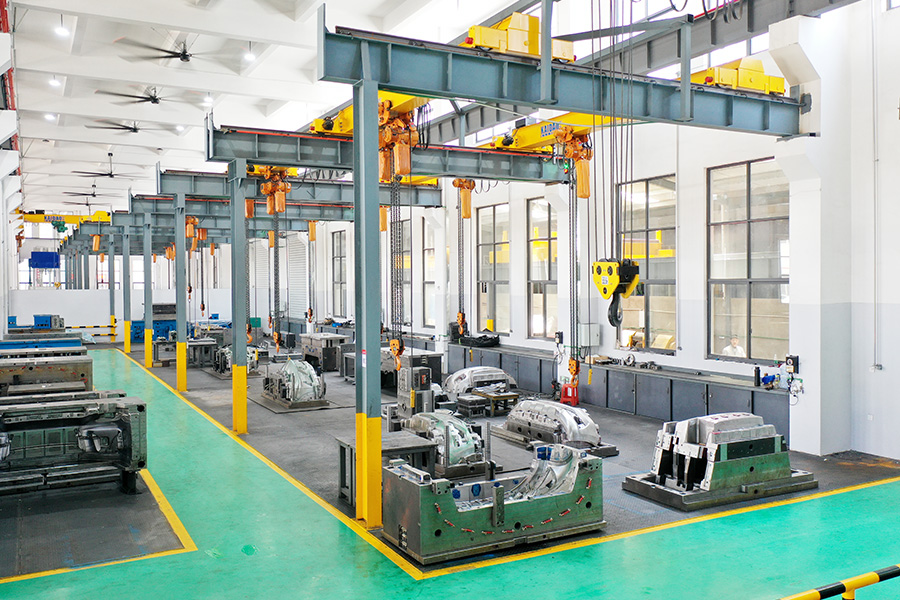
1. Match Mold Design with Expected Production Volume
Mold structure has a direct influence on production output and long-term operating costs. A mold designed for occasional production may not be suitable for a program requiring frequent orders and large quantities over several years.
Several tooling factors deserve attention during project planning:
- Cavity configuration: Multi-cavity molds can produce several parts during each injection cycle, reducing the number of cycles required for a given output.
- Mold steel: Steel grade and hardness should match the expected production conditions, resin characteristics, and tooling maintenance requirements.
- Cooling system: Properly arranged cooling channels help maintain temperature consistency and support repeatable molding cycles.
- Moving mechanisms: Sliders, lifters, and ejector systems should be designed to withstand repeated operation.
- Replaceable inserts: Practical insert structures can simplify certain maintenance and repair operations.
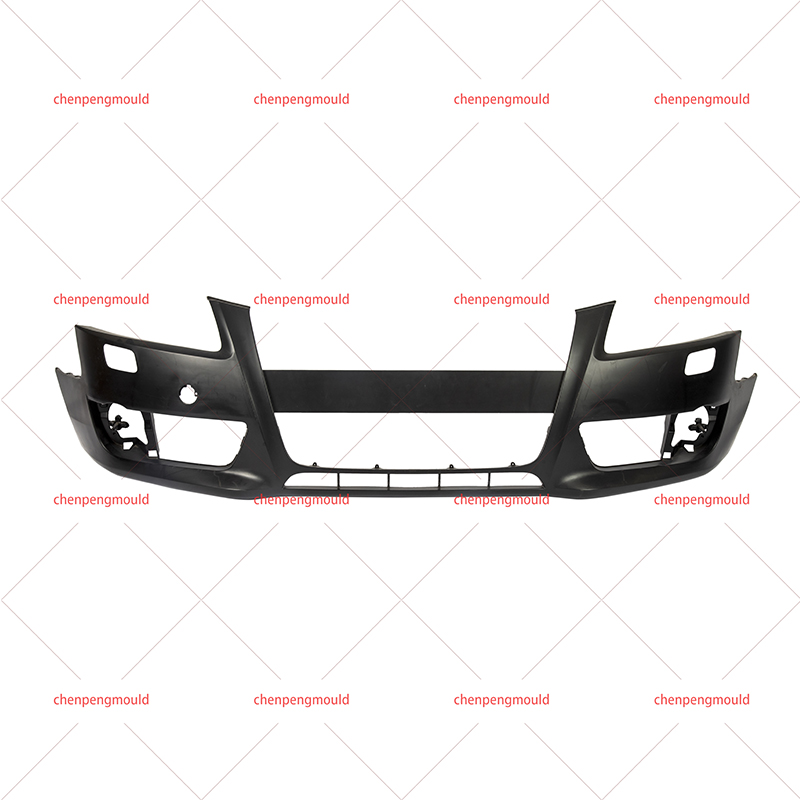
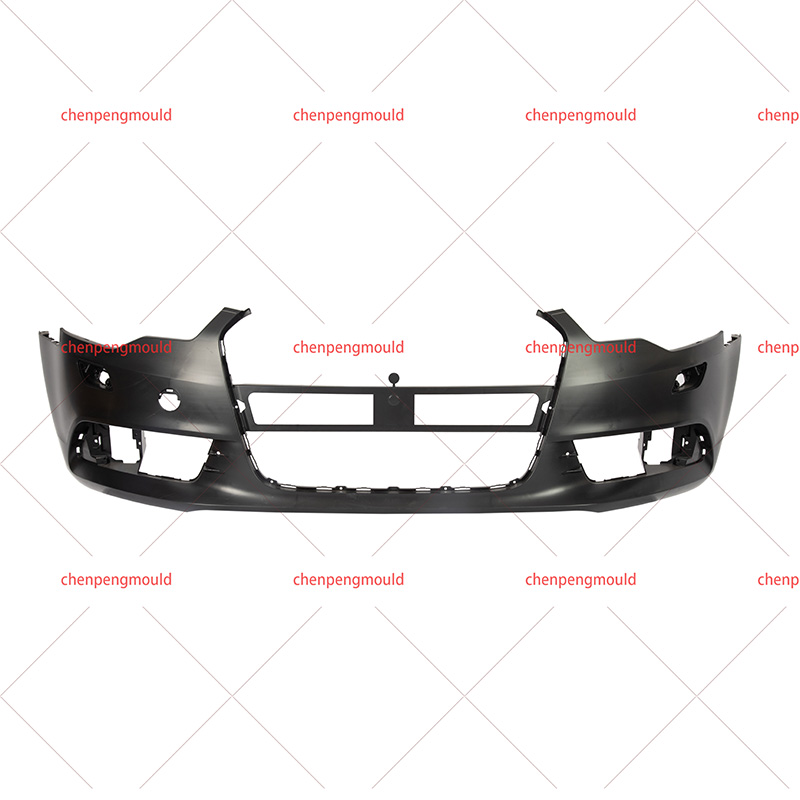
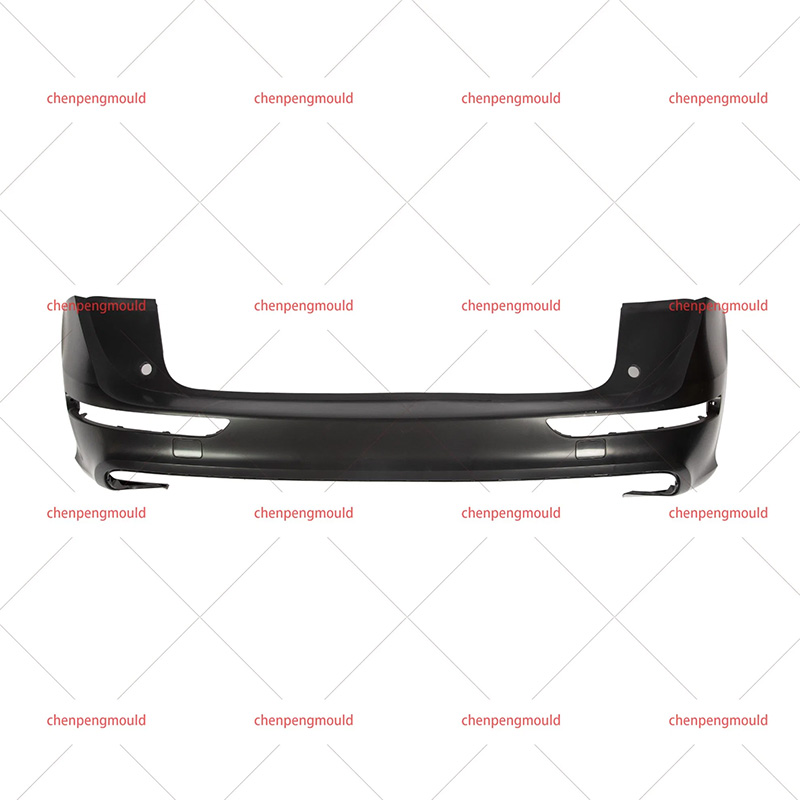
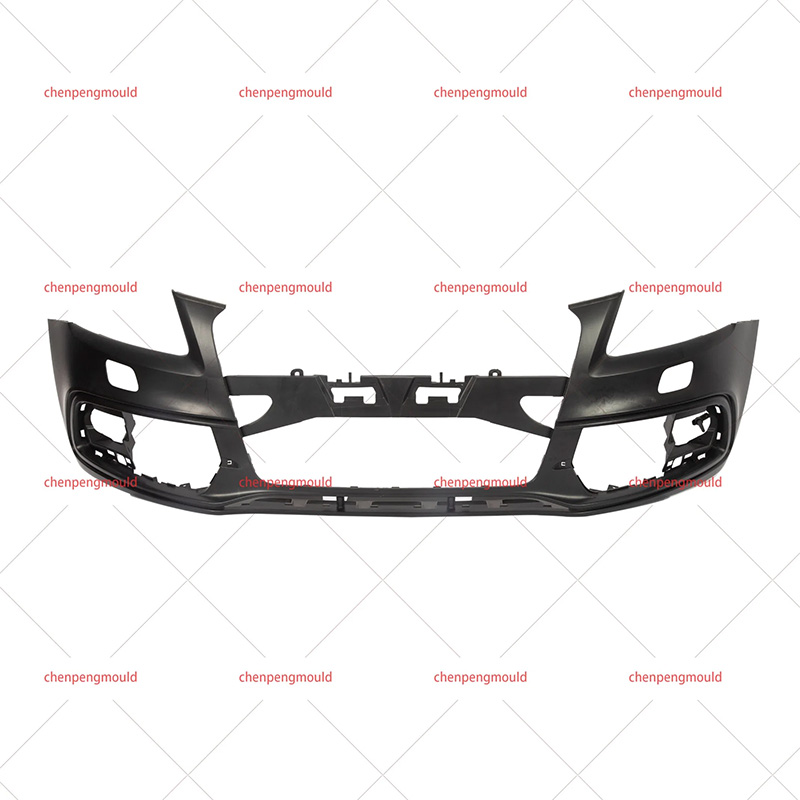
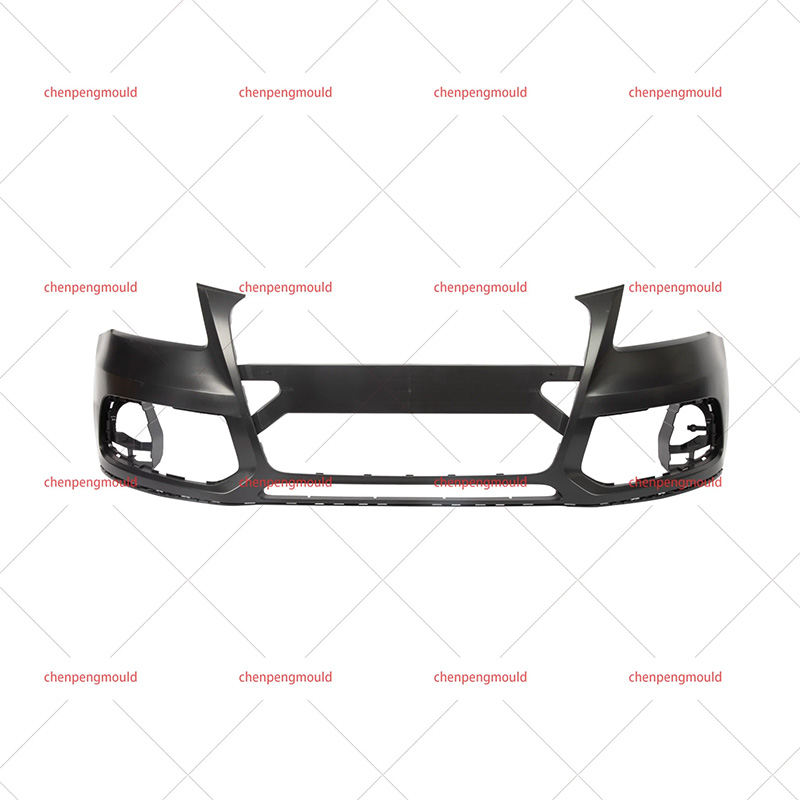
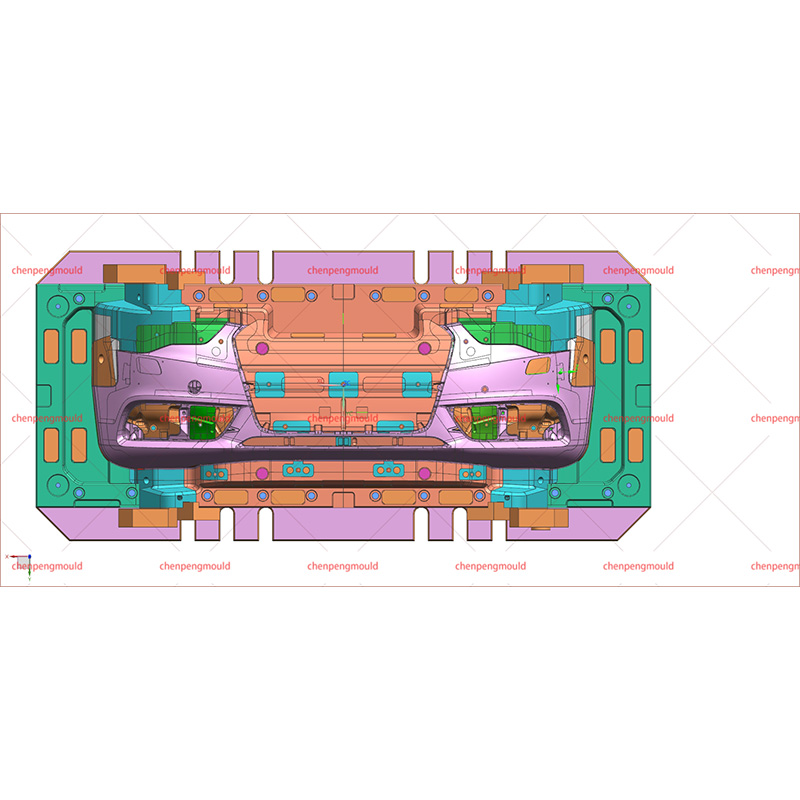
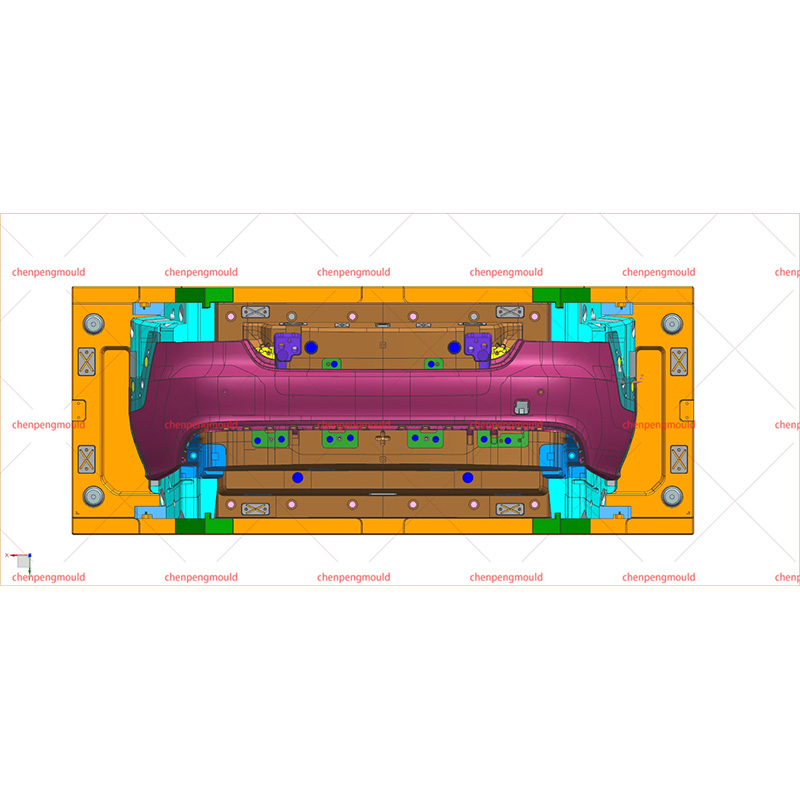
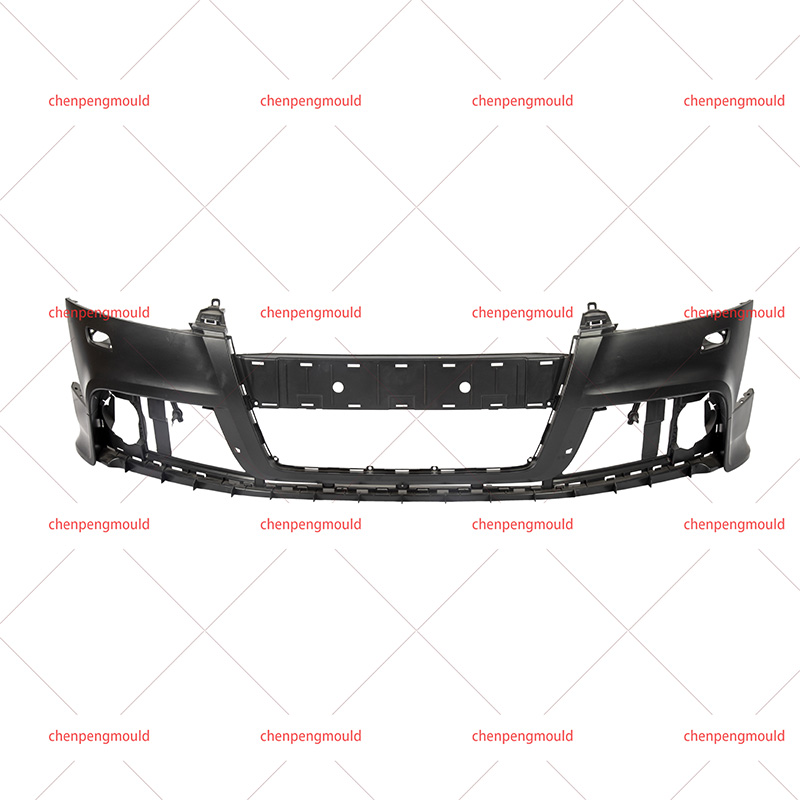
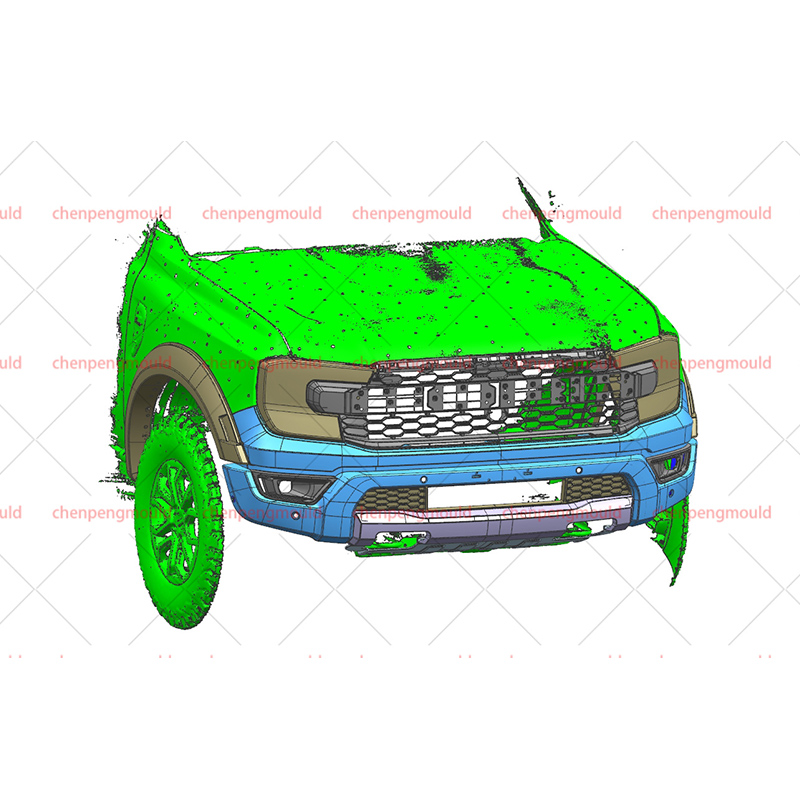
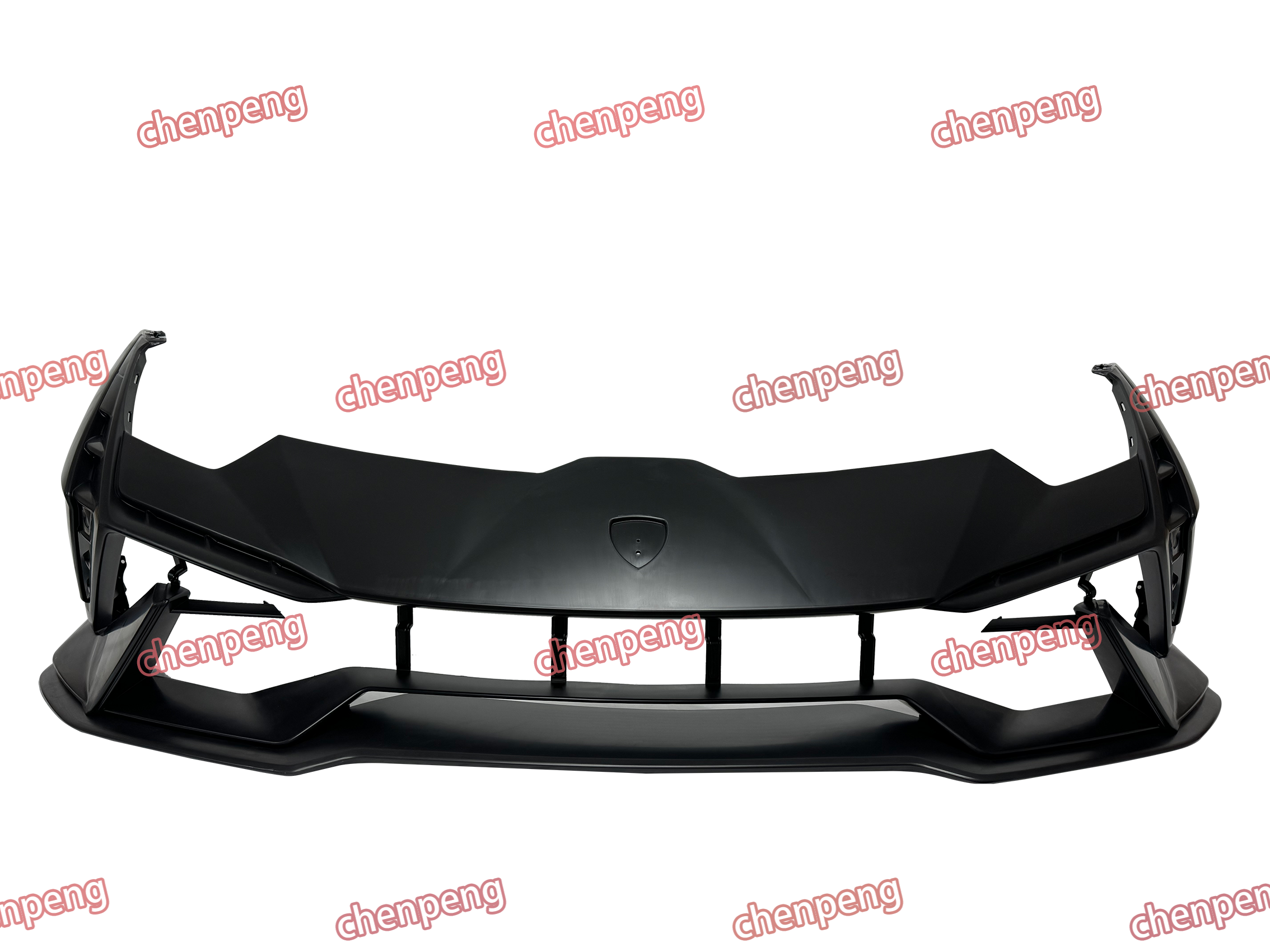
Automotive bumper molds require additional attention because of their large dimensions, complicated contours, and mounting structures. We consider the relationship between product geometry, mold size, cavity arrangement, and expected production demand before recommending a tooling configuration.
2. Check Injection Molding Machine Compatibility
Available machine capacity should be evaluated according to the actual mold and component requirements. A factory may operate several injection molding machines, but not every machine is suitable for every automotive mold.
Important technical parameters include:
- Clamping force: Must accommodate the projected area of the molded component and the required injection pressure.
- Shot capacity: Should match the combined weight of molded parts and runner material, where applicable.
- Mold dimensions: Mold width, height, weight, and installation requirements must fit the machine specifications.
- Injection speed: Needs to support the filling requirements of the selected plastic material and component geometry.
- Auxiliary equipment: Material dryers, temperature controllers, robots, and handling systems also affect production arrangements.
For large bumper components made from PP or PP+EPDM, material flow, cooling conditions, and dimensional stability require particular attention. We review these processing considerations as part of the tooling and manufacturing discussion rather than relying on machine tonnage alone.
3. Plan Production Capacity Around Long-Term Demand
Annual purchasing forecasts provide a useful starting point, but they do not fully describe the production workload. Monthly order distribution, seasonal demand, product launches, and replacement-part requirements can create different capacity needs throughout a project.
Our project planning considerations include:
- Review expected annual demand and monthly release quantities.
- Calculate production requirements using cavity count and validated cycle time.
- Account for mold installation, material changes, maintenance, and inspection activities.
- Evaluate available machine hours against existing production commitments.
- Discuss alternative production arrangements for unexpected demand increases.
For example, an eight-cavity mold operating with a 30-second cycle theoretically produces 960 parts per hour. Actual accepted output will be lower after accounting for startup, downtime, rejected parts, and other production activities. Buyers should request realistic capacity calculations rather than relying exclusively on theoretical machine output.
4. Maintain Consistent Quality During Extended Production
High production volume increases the importance of process stability. Small variations in injection pressure, mold temperature, cooling conditions, or material characteristics can affect large quantities of components during extended production runs.
At Chenpeng, we consider several quality management areas during project evaluation:
- Material verification: Confirm resin grade, color specifications, and relevant material documentation.
- Process monitoring: Track injection pressure, melt temperature, mold temperature, and cooling conditions.
- Dimensional inspection: Check critical dimensions, mounting positions, and assembly interfaces.
- Visual inspection: Monitor flash, sink marks, weld lines, scratches, and surface deformation.
- Production records: Maintain relevant inspection results and process information for traceability.
Automotive bumper components may also require checks for mounting compatibility and overall contour accuracy. Agreed inspection standards and documented process conditions help maintain consistency across repeated manufacturing batches.
5. Evaluate Mold Maintenance and Production Continuity
Long-term production places repeated mechanical and thermal demands on injection molds. Wear on moving components, cooling channels, ejector pins, and sealing surfaces may affect tooling performance over time.
We recommend discussing preventive maintenance arrangements before confirming a long-term production program. Important considerations include:
- Scheduled mold cleaning and inspection.
- Monitoring of moving components and wear areas.
- Replacement plans for vulnerable mold inserts and spare components.
- Inspection of cooling channels and temperature control systems.
- Documented maintenance records and corrective actions.
Production continuity also depends on material availability, machine maintenance, staffing, and downstream operations such as trimming, inspection, and packaging. Buyers should understand these supporting processes rather than evaluating injection molding capacity in isolation.
6. Establish a Clear Cooperation Plan with Your Mold Supplier
Long-term automotive manufacturing projects involve cooperation between purchasing, engineering, production, and quality teams. Clear responsibilities help both parties respond to changes in demand and technical requirements.
Before starting a large-volume program, we suggest confirming:
- Approved product drawings and mold specifications.
- Material grades and quality acceptance criteria.
- Production forecasts and order release arrangements.
- Inspection documentation and reporting procedures.
- Mold ownership, maintenance, and modification responsibilities.
- Communication procedures for production changes or supply interruptions.
Build a Sustainable Automotive Molding Program with Chenpeng
Long-term production capability depends on more than the number of injection molding machines or the initial price per component. Mold durability, equipment compatibility, process consistency, maintenance planning, and demand coordination all contribute to a stable manufacturing arrangement.
At Chenpeng, we focus on understanding customers' automotive mold requirements and evaluating the technical details behind each project. Whether you are developing a modified bumper mold or planning repeated production of automotive plastic components, our team can review your CAD drawings, material specifications, tooling structure, and expected order volume.
Contact Chenpeng with your project information to discuss mold development requirements and production planning for your long-term automotive manufacturing program.
Frequently Asked Questions
1. What annual production volume requires a high-volume injection molding solution?
There is no universal volume threshold. The appropriate manufacturing arrangement depends on part dimensions, mold complexity, cavity count, cycle time, material, and purchasing frequency. Annual demand and expected project duration should be evaluated together.
2. Does increasing mold cavity count always improve production efficiency?
No. Additional cavities can increase theoretical output per cycle, but they also affect tooling investment, filling balance, cooling requirements, and inspection complexity. The cavity configuration should match actual demand and machine capabilities.
3. How can buyers verify a supplier's long-term production capacity?
Buyers can request machine specifications, production schedules, validated cycle assumptions, mold maintenance plans, quality records, and material supply arrangements. Reviewing available capacity against existing commitments provides a clearer picture of production readiness.
4. How frequently should an injection mold receive maintenance?
Maintenance intervals depend on mold construction, resin characteristics, operating conditions, and accumulated shot counts. Regular inspections should cover cooling channels, ejector systems, sliders, cavity surfaces, and other wear-prone components.
5. Can one mold supplier support changing automotive production demand?
Potentially, depending on available equipment, tooling arrangements, material sourcing, and production planning. Buyers should discuss demand fluctuations, additional capacity requirements, and alternative production arrangements during project negotiations.
 +86-18357617666