

 عربى
Turning a product concept into a production-ready plastic component requires more than machining a mold according to a drawing. Engineering review, tooling design, material compatibility, mold manufacturing, and sample validation all influence the final result. For overseas buyers, working with a capable manufacturing partner also means having clear technical communication and project coordination throughout development.
At Chenpeng, we understand that custom plastic mold manufacturers need to provide more than tooling fabrication. Our project approach focuses on connecting product requirements with practical mold structures, manufacturing processes, and trial results. Several technical and management factors can help buyers evaluate whether a tooling partner is suitable for their projects.
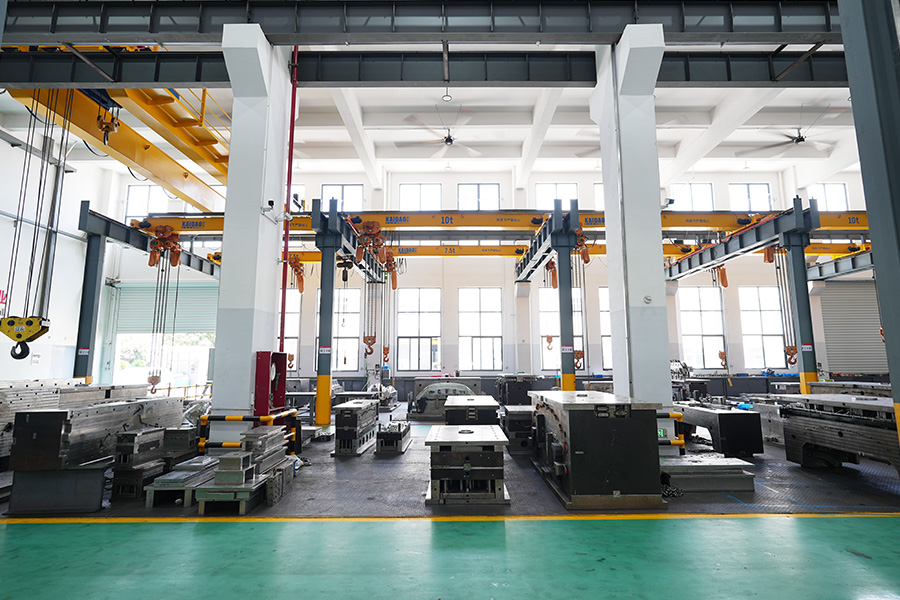
1. CAD File Review and Engineering Understanding
A reliable tooling project starts with a detailed understanding of the customer's product. Before mold design begins, we review the supplied 3D models and 2D engineering drawings to understand component geometry, assembly requirements, and critical dimensions.
Our engineering review can cover:
- Part geometry: Check wall thickness, ribs, bosses, corners, and undercut structures.
- Draft angles: Evaluate whether the part can be released smoothly from the mold.
- Dimensional tolerances: Identify important dimensions that require closer machining and inspection control.
- Assembly interfaces: Review mounting holes, clips, and connecting positions.
- Surface requirements: Confirm polishing, texture, and visible appearance specifications.
For automotive plastic components, these details are particularly important because even small dimensional differences may affect assembly compatibility. We use the engineering review to identify potential manufacturing concerns before committing to the mold structure.
2. DFM Support and Mold Design Capability
Design for Manufacturability (DFM) helps connect the original product design with the practical requirements of injection molding. A tooling partner should be able to explain possible design improvements rather than simply accepting every drawing without technical evaluation.
At Chenpeng, our mold development considerations include:
- Gate location and material filling direction.
- Cooling channel arrangement and temperature distribution.
- Core, cavity, slider, and lifter configurations.
- Ejection structure and part release requirements.
- Parting line positions and potential flash areas.
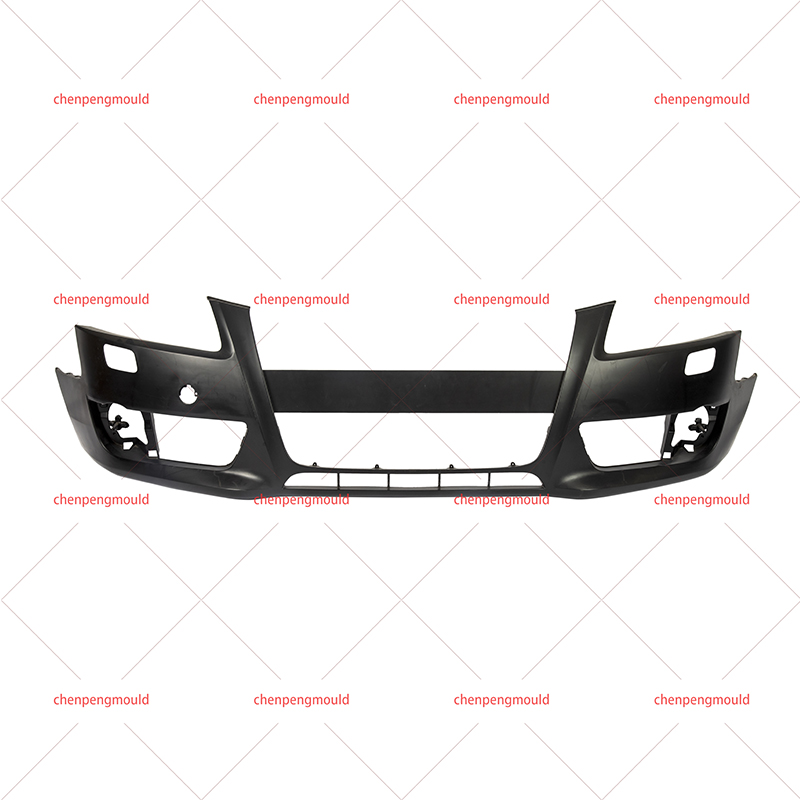
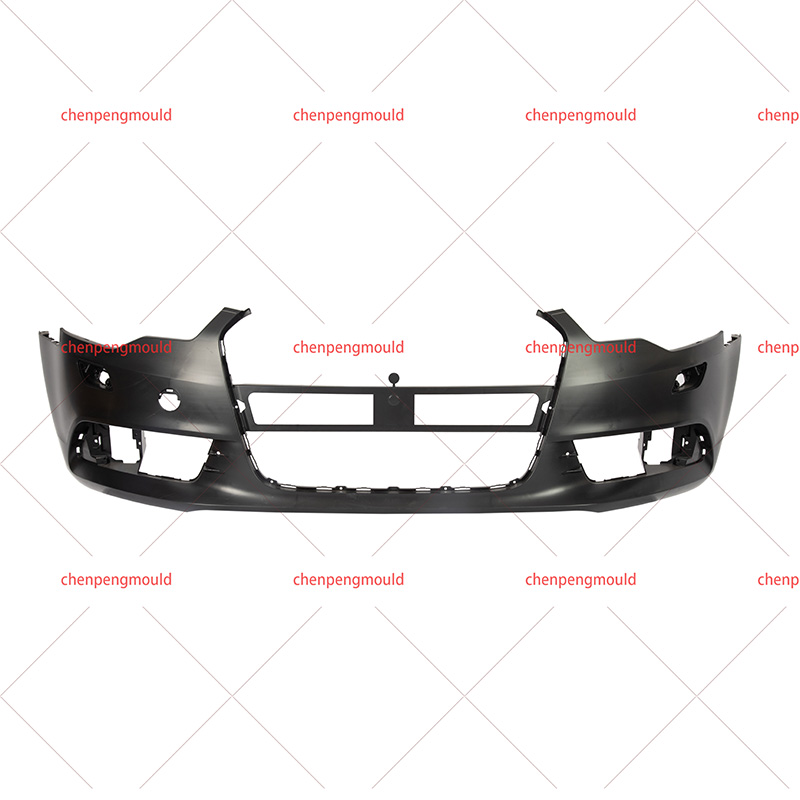
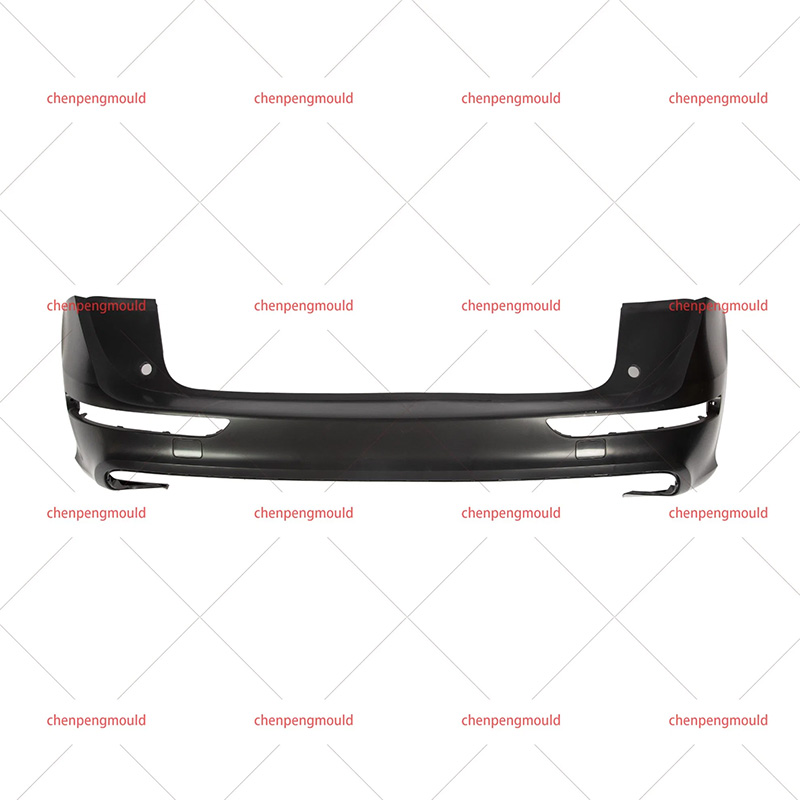
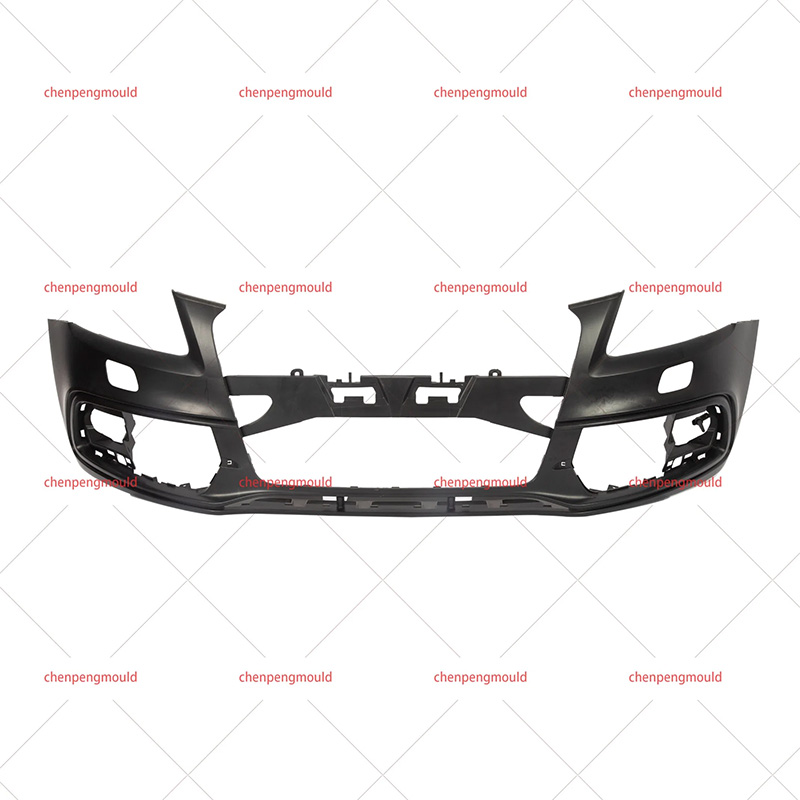
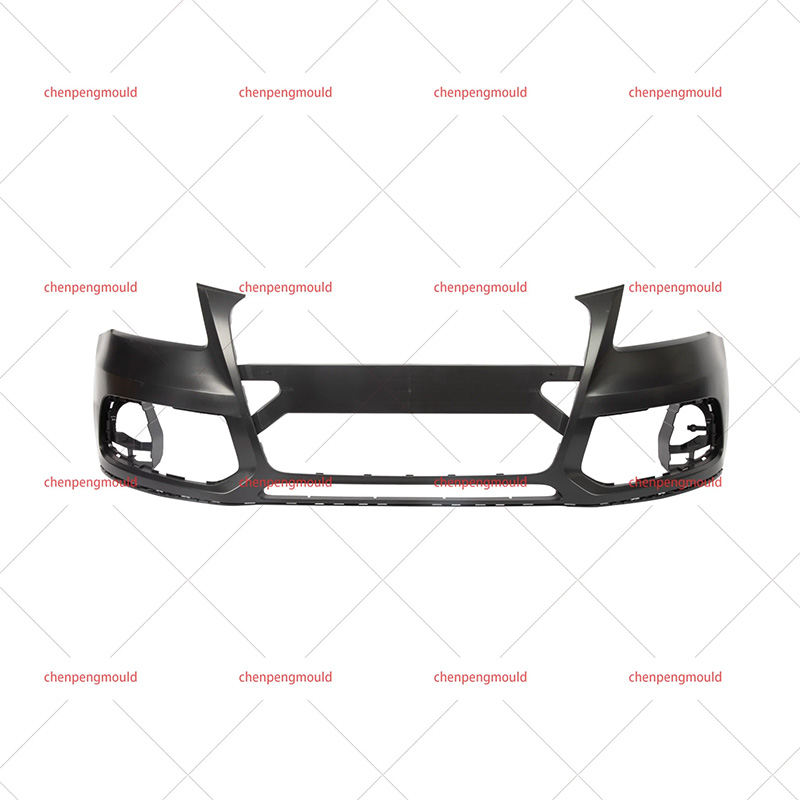
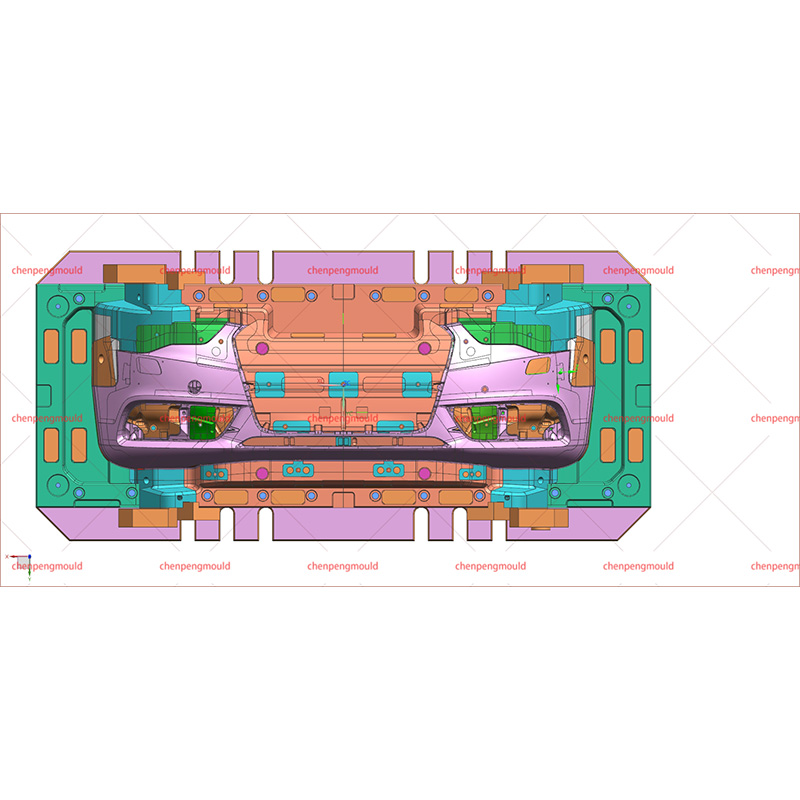
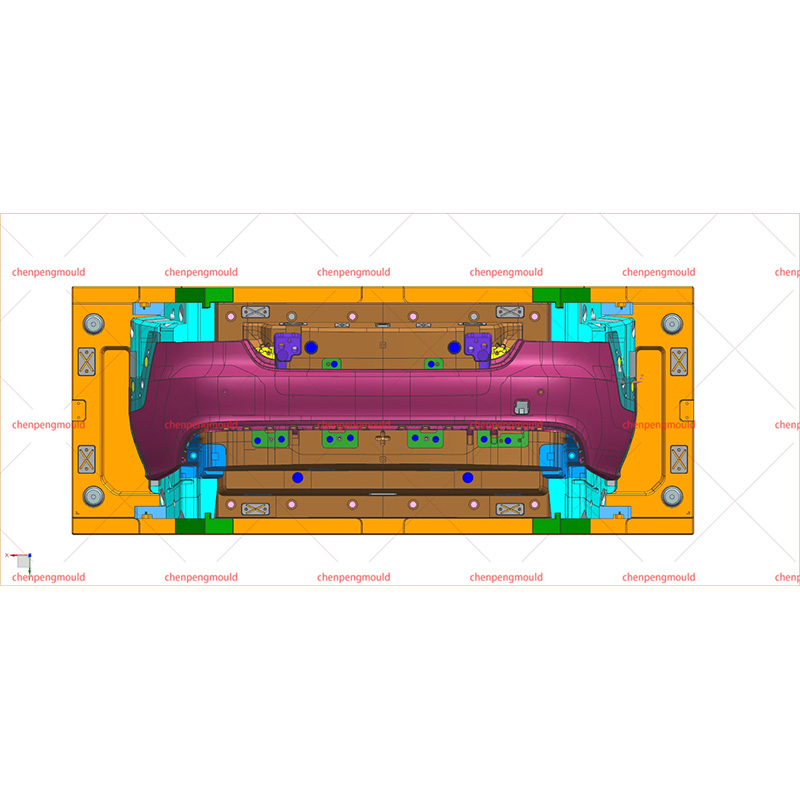
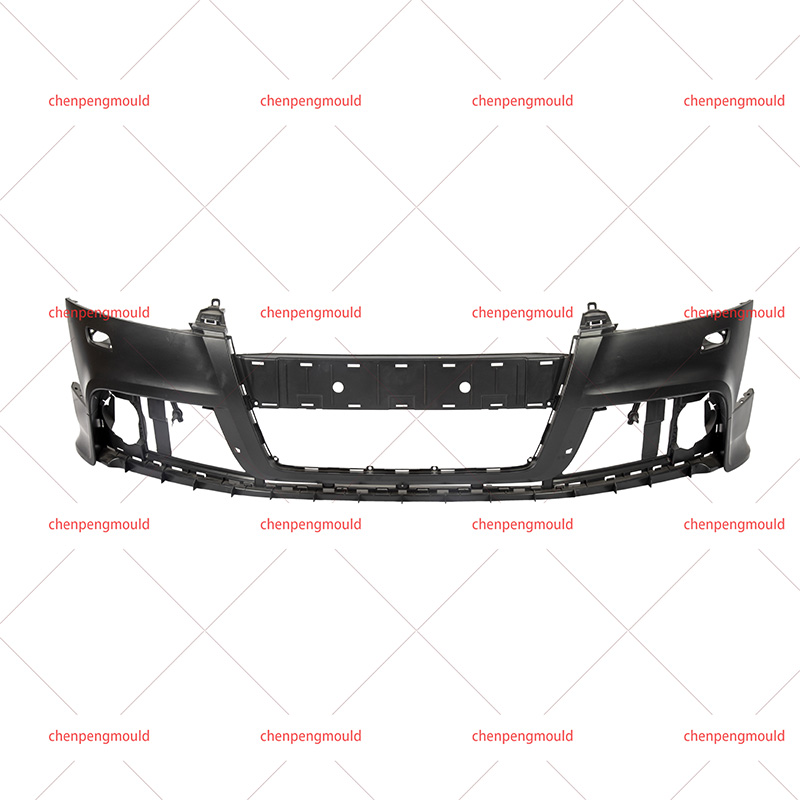
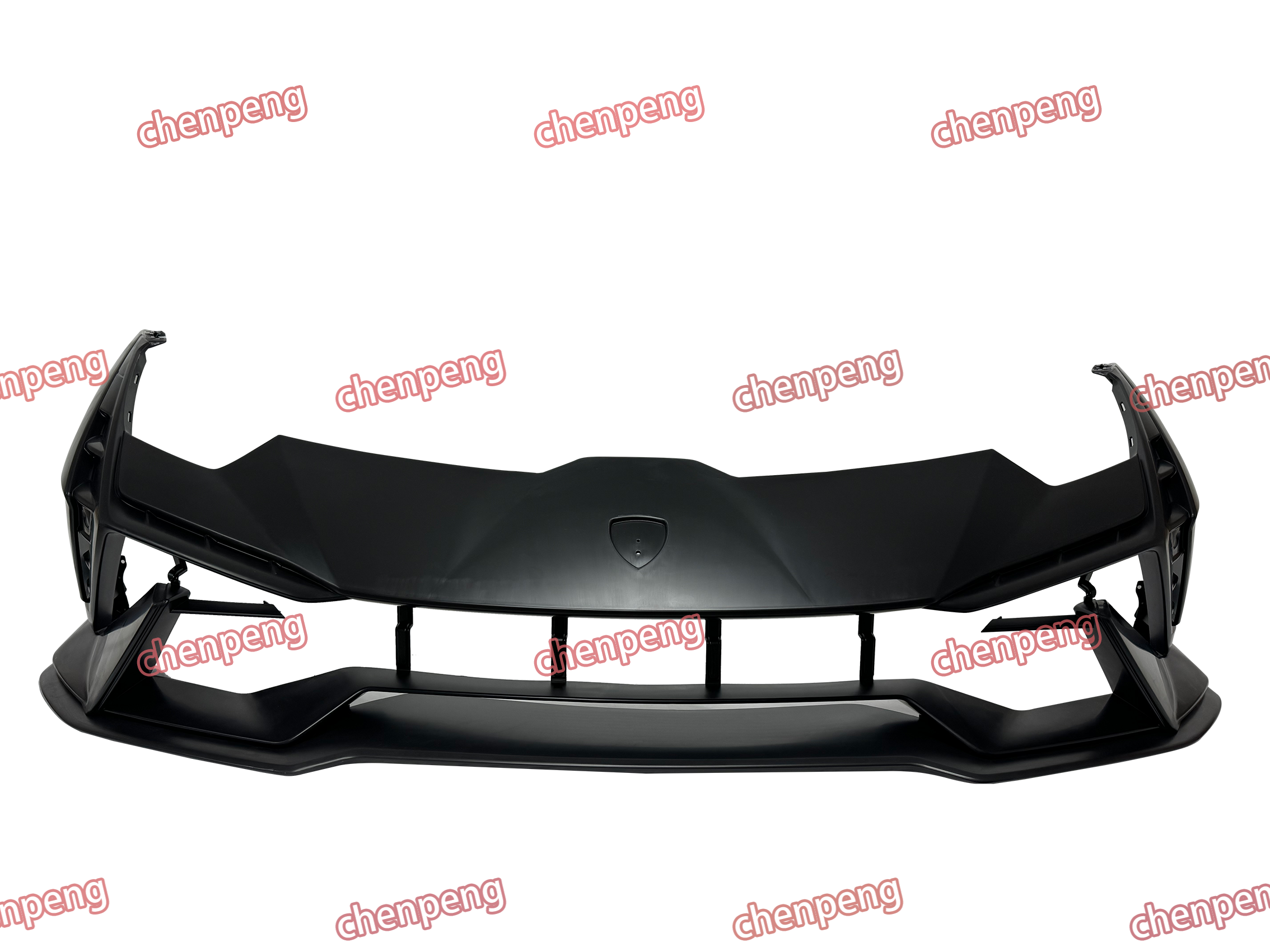
For example, an automotive bumper mold may involve large cavity dimensions, complicated contours, and multiple side-action mechanisms. Gate placement and cooling channel design need careful consideration to support balanced filling and dimensional stability.
Buyers should also review whether the manufacturer can provide mold design drawings for confirmation before machining begins. This step creates a clear technical reference for subsequent tooling work.
3. Mold Manufacturing and Machining Control
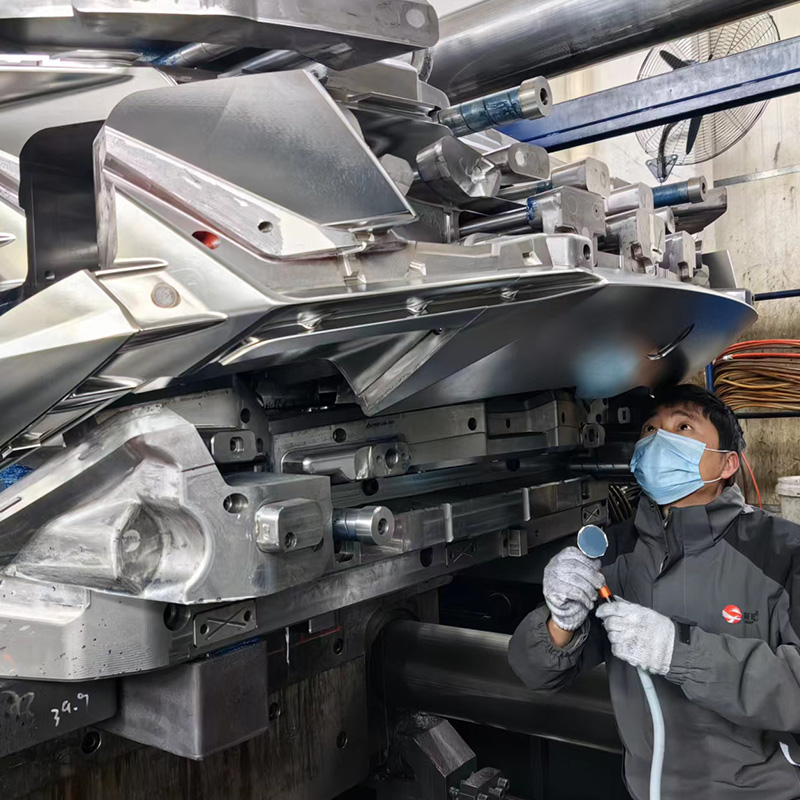
After design approval, mold manufacturing moves into material preparation, precision machining, component fitting, and assembly. The manufacturer's machining resources and process management influence dimensional accuracy and tooling consistency.
Common mold manufacturing operations include:
- CNC machining: Produces cavity, core, and other mold components according to engineering drawings.
- EDM machining: Handles detailed geometries and areas that are difficult to process through conventional cutting.
- Grinding and fitting: Helps achieve the required component dimensions and mating conditions.
- Surface finishing: Establishes the specified polishing or texture requirements.
- Mold assembly: Integrates the core, cavity, cooling system, and moving mechanisms.
We also consider mold steel specifications according to the resin type, expected production conditions, and tooling requirements. Buyers can request relevant material information and mold component specifications to understand the proposed tooling construction.
4. Evaluate the Mold Trial Process Through Actual Samples
A completed mold design does not automatically guarantee that the finished component will meet all requirements. Trial molding provides an opportunity to evaluate filling performance, ejection, surface appearance, and dimensional accuracy under actual processing conditions.
Our trial evaluation can involve several checkpoints:
- T1 trial: Produce initial samples and identify issues related to filling, shrinkage, flash, or dimensional variation.
- Engineering review: Compare sample results with approved drawings and document necessary corrections.
- Mold modification: Adjust relevant tooling components or processing conditions according to the findings.
- T2 trial: Verify the updated samples and review whether previous issues have been addressed.
- Sample approval: Confirm dimensions, appearance, and functional requirements before production release.
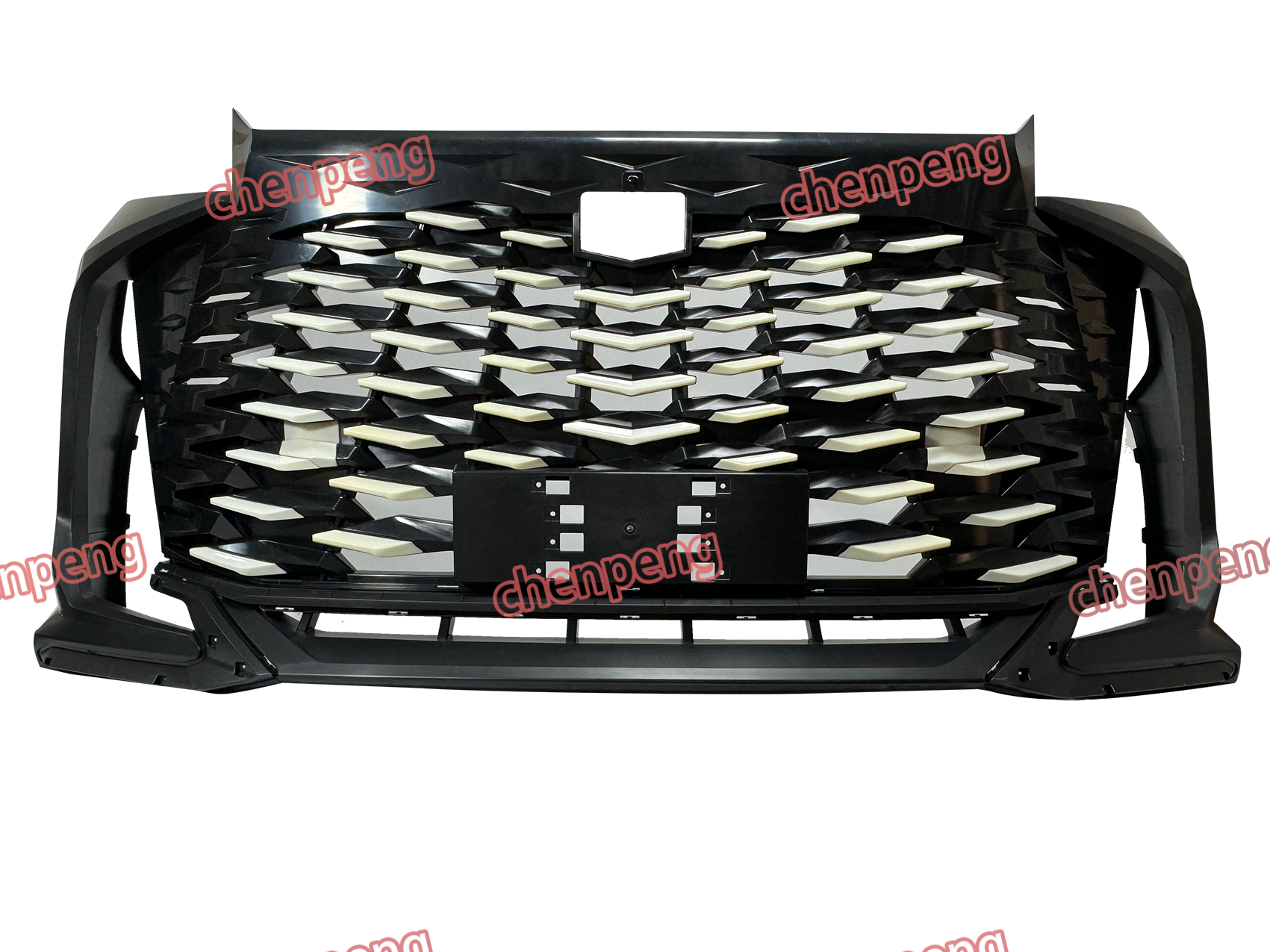
For instance, a molded automotive housing may require dimensional inspection at several mounting positions, while a bumper component may need additional checks for overall contour, surface appearance, and assembly fit. Actual inspection items should follow the customer's approved specifications.
5. Communication and Project Documentation
Technical capability is important, but project communication also affects the efficiency of mold development. Overseas buyers need clear updates about design approvals, machining progress, trial arrangements, and outstanding engineering issues.
We recommend establishing several communication requirements at the beginning of a project:
- Maintain updated CAD files and drawing revision records.
- Confirm mold design and technical specifications before machining.
- Share relevant tooling progress information.
- Document trial results and required corrective actions.
- Clarify mold ownership, maintenance, and handover arrangements.
These records provide a common reference for engineering, purchasing, and quality teams. They also help avoid misunderstandings caused by outdated drawings or incomplete modification instructions.
6. Consider Support Beyond Initial Tooling Delivery
A mold is a long-term manufacturing asset rather than a single-use engineering component. Its performance depends on maintenance, wear-part management, and appropriate handling throughout its service period.
At Chenpeng, we encourage buyers to discuss future production requirements during the tooling evaluation stage. Relevant considerations include spare inserts, mold maintenance arrangements, replacement components, process documentation, and possible design updates.
Buyers should also clarify whether their project requires mold manufacturing only or additional injection molding support. Defining this scope early helps establish responsibilities for sampling, production validation, and subsequent manufacturing activities.
Work with Chenpeng from Product Drawings to Mold Validation
Reliable tooling cooperation depends on engineering understanding, controlled mold manufacturing, practical trial evaluation, and clear communication. At Chenpeng, we focus on these stages to help customers turn plastic component designs into workable tooling solutions.
Whether you are developing automotive components or other custom plastic parts, our team can review your CAD files, technical drawings, material requirements, and tooling expectations. Share your project details with Chenpeng to discuss mold design, manufacturing arrangements, and sample validation requirements.
Frequently Asked Questions
1. Which file formats can buyers provide for mold evaluation?
Common formats include STEP, IGES, and other compatible 3D CAD formats. 2D drawings containing dimensions, tolerances, and surface requirements are also useful for engineering review.
2. What is the difference between T1 and T2 mold trials?
T1 generally refers to the initial sampling stage, while T2 is commonly used to verify samples after identified tooling or process corrections. The actual trial arrangement depends on project complexity and approval requirements.
3. Should mold steel specifications be confirmed before production?
Yes. Buyers should review the proposed steel grade, hardness requirements, and relevant mold component specifications before tooling materials are purchased and processed.
4. Can a tooling manufacturer support both mold production and plastic part manufacturing?
Some manufacturers provide both services, while others focus exclusively on tooling. Buyers should confirm the actual manufacturing scope, available molding equipment, inspection arrangements, and production responsibilities during quotation discussions.
 +86-18357617666