

 عربى
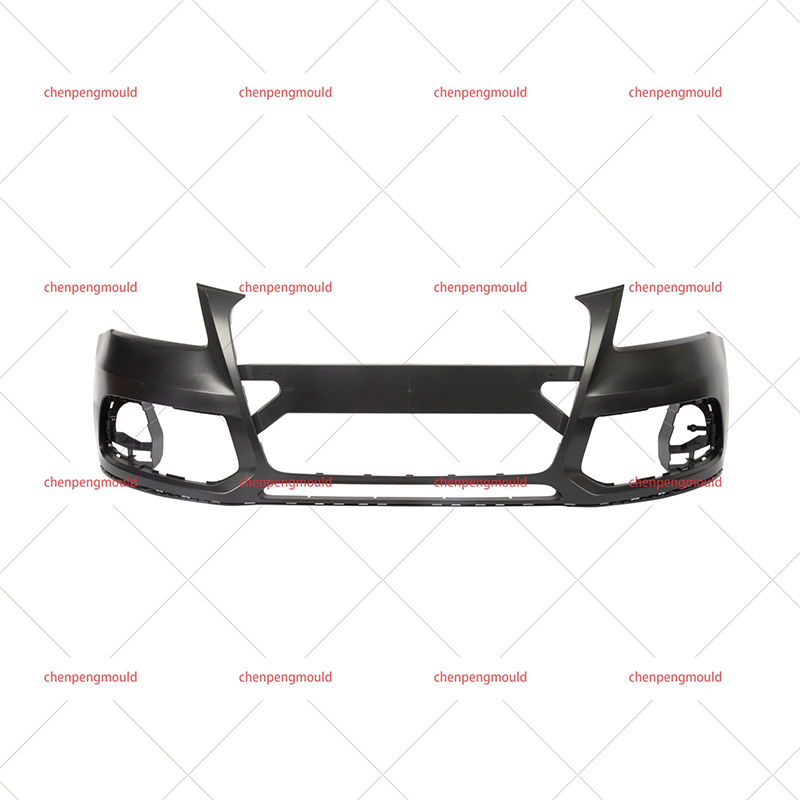
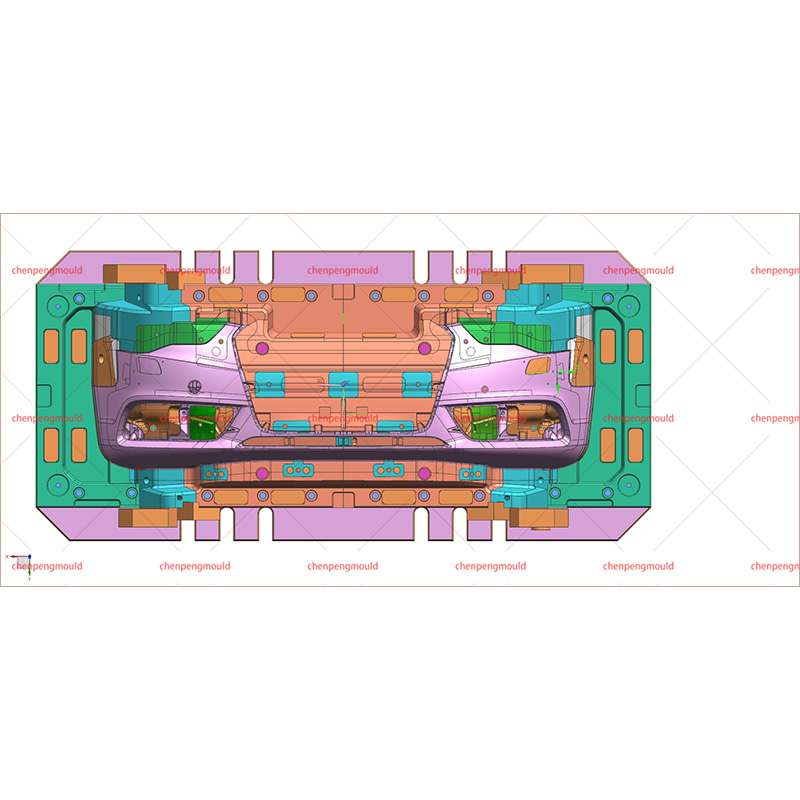
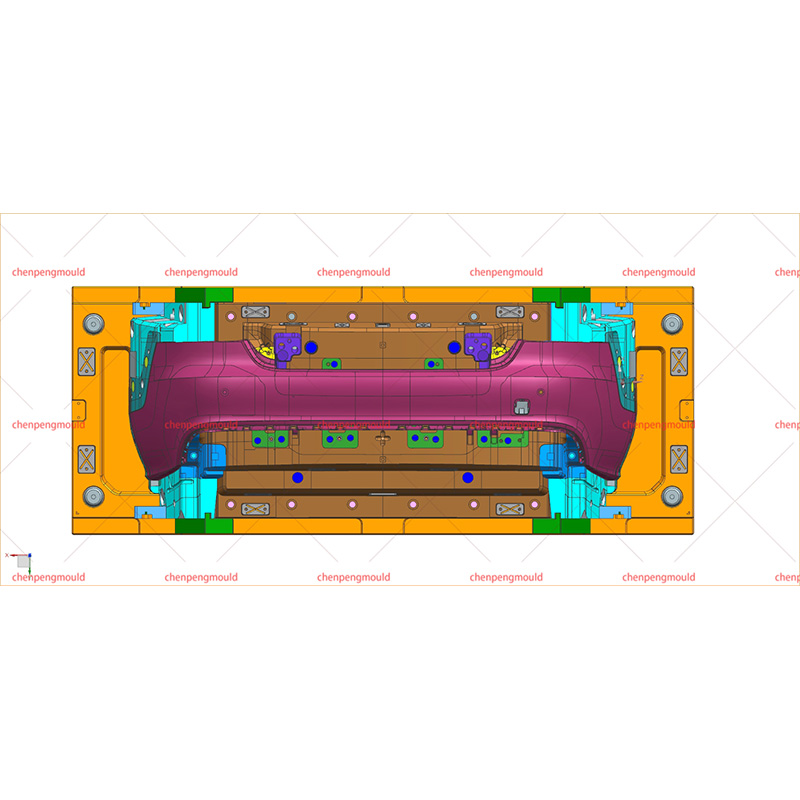
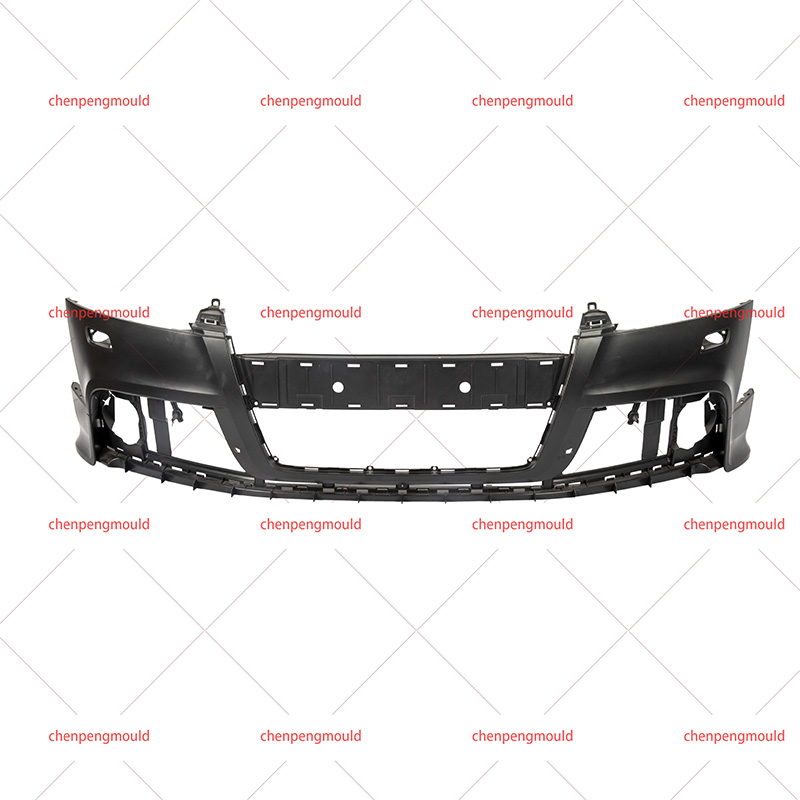
عربىReducing vehicle weight is a familiar topic in automotive engineering, but the idea becomes more interesting when it reaches the tooling itself. Large bumper molds contain substantial steel structures because they must withstand injection pressure, clamping force, repeated thermal cycling, and mechanical movement. This raises a practical question: can Lightweight Steel Bumper Molds use less material without sacrificing the rigidity required for accurate bumper production?
Simply removing steel is rarely the answer. Mold weight reduction has to come from structural design, material distribution, inserts, cooling layouts, and the way forces move through the mold.
Weight Reduction Starts With Structural Analysis
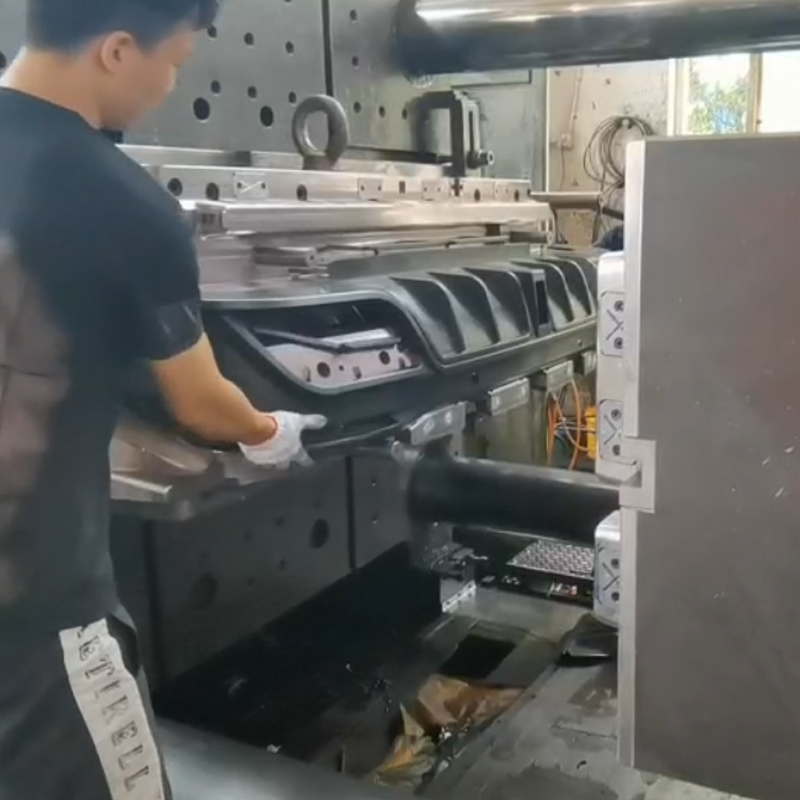
Large bumper molds are exposed to significant mechanical loads during injection and clamping. A lighter structure therefore needs sufficient support around the cavity, core, guide system, ejector system, and mounting areas.
- Load-bearing sections: High-stress areas require adequate steel thickness and reinforcement.
- Non-critical zones: Material can potentially be removed through pockets or optimized back structures.
- Support ribs: Proper rib placement can provide stiffness without creating a completely solid block.
- Replaceable inserts: High-wear or frequently modified regions can be separated from the main mold structure.
Engineering references for large automotive molds also emphasize mold-base rigidity because the tooling has to remain stable under injection and clamping loads. Structural optimization therefore needs to balance weight reduction with deformation resistance.
Steel Grade Still Matters
Lightweight tooling does not necessarily mean replacing every steel component with a lighter material. Different areas can require different grades according to surface finish, wear, geometry, and production volume.
718H is commonly considered for large automotive molds because of its hardness uniformity, polishing characteristics, and suitability for deep or large mold blocks. P20 is also widely used for general automotive tooling and can be appropriate for less demanding applications.
One practical approach is to keep stronger or more suitable steel around critical cavity surfaces while optimizing the supporting structure behind them. This creates a distinction between reducing unnecessary mass and simply reducing steel everywhere.
Large Bumpers Make Thermal Design More Difficult
Weight reduction cannot be evaluated separately from cooling. A bumper mold may contain long cavity surfaces, ribs, mounting structures, deep cores, and multiple gate regions. Uneven heat removal can produce differential shrinkage, warpage, twisting, or dimensional instability.
- Large cosmetic surfaces require relatively uniform temperature control.
- Deep core sections can retain heat longer than surrounding areas.
- Thicker mounting regions may shrink differently from thin bumper walls.
- Hot-runner areas need dedicated thermal consideration.
A lighter mold structure therefore still needs enough space for properly arranged cooling channels. Removing material without considering cooling access can create a structural solution that performs poorly during actual molding.
Gate Layout Can Influence the Mold Structure
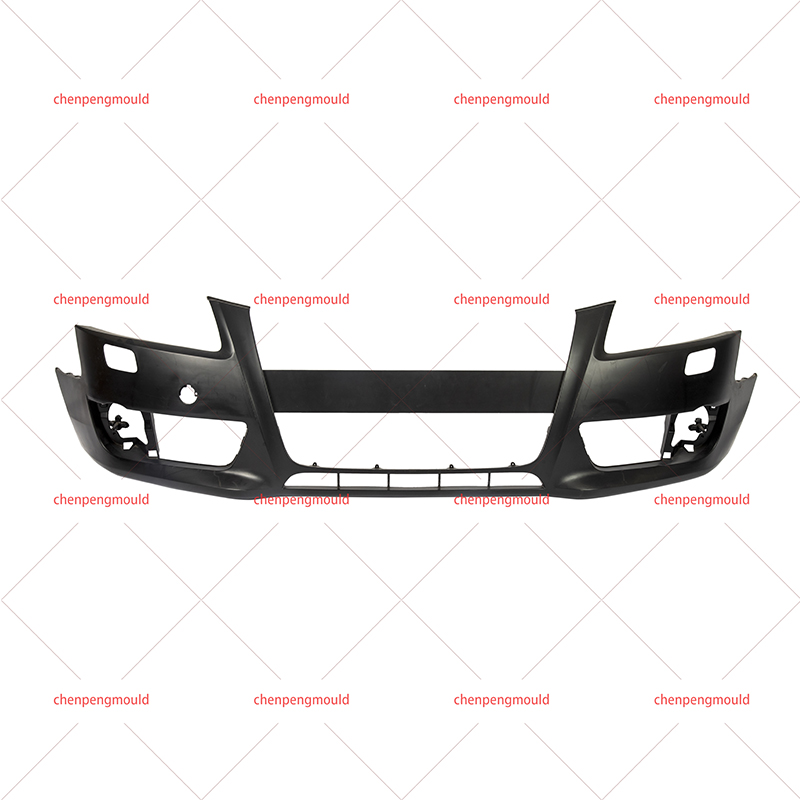
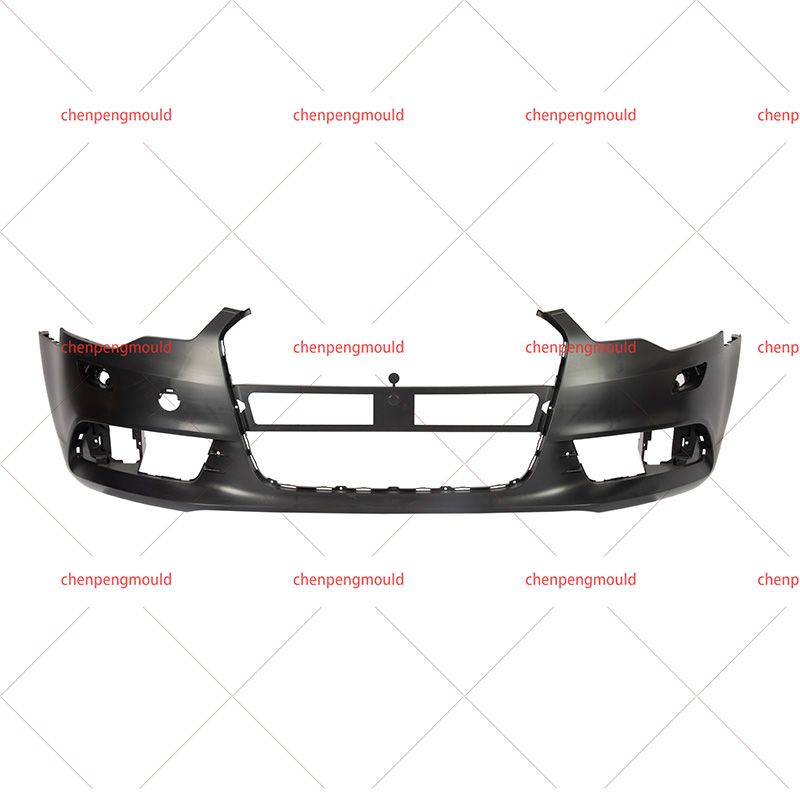
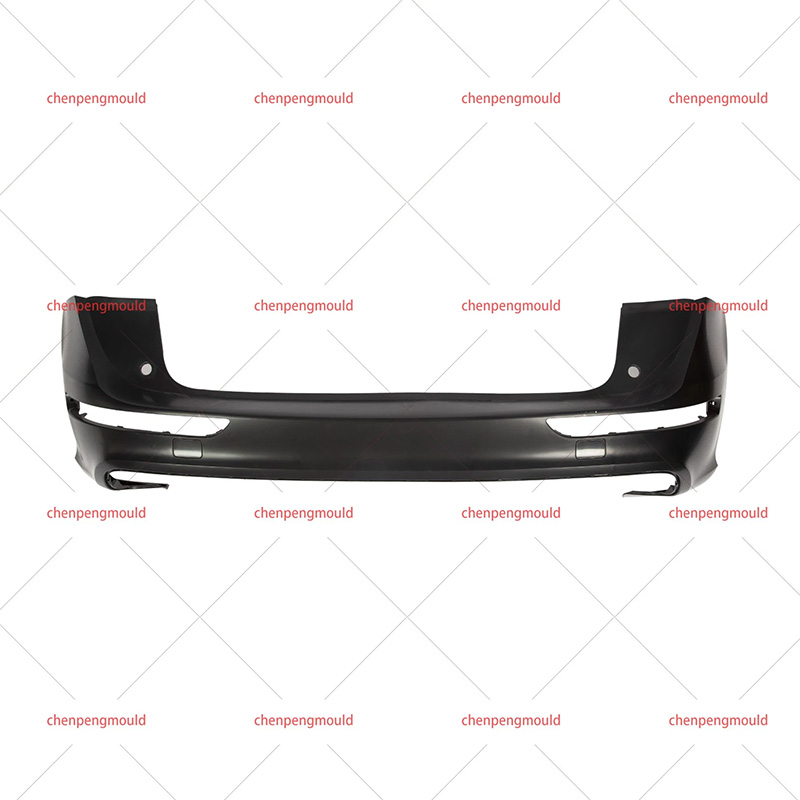
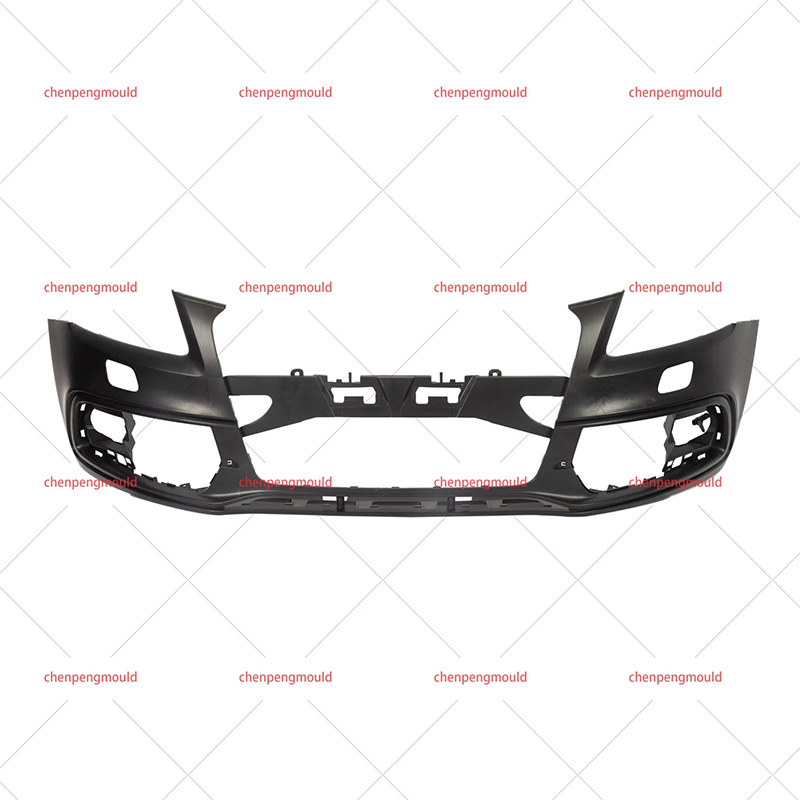
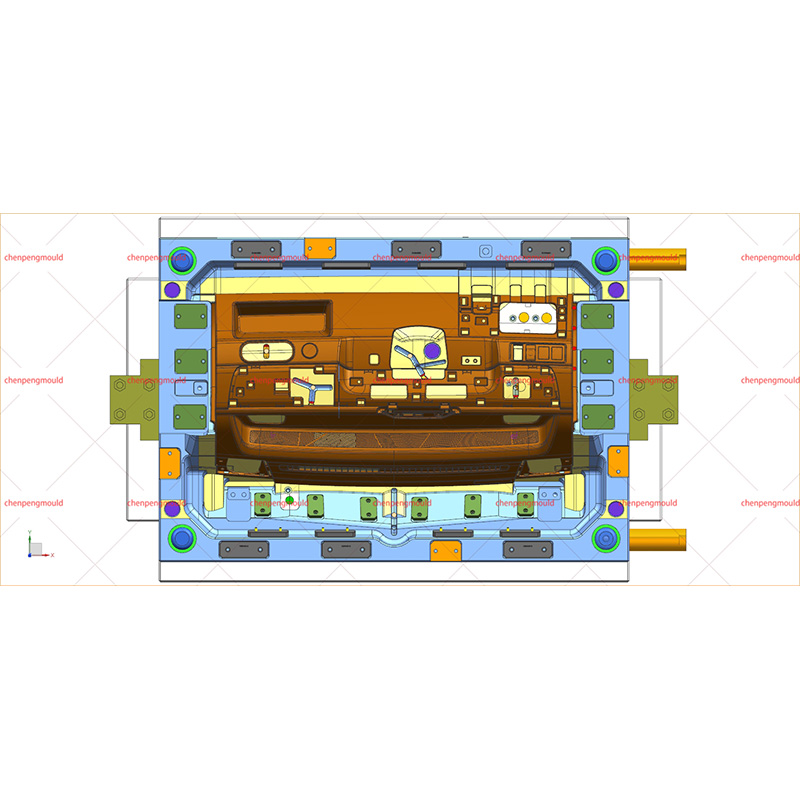
Bumper covers are large, relatively thin components with long flow paths. Multiple hot-runner gates may be required to distribute molten plastic across the cavity. Sequential valve gating can control the timing of individual gates and influence weld-line location, pressure distribution, and filling balance.
One documented bumper mold example used ten gate locations, with sequential valve control and different gate dimensions to manage the filling process. Simulation and cooling adjustments reduced measured warpage from 7.4 mm to 5.8 mm in that development case.
These details demonstrate why a Lightweight Steel Bumper Mold cannot be designed by looking only at its physical weight. Runner positions, hot-runner components, cooling passages, sliders, lifters, and ejection mechanisms all occupy valuable structural space.
Where Can Weight Actually Be Reduced?
Several areas may provide opportunities for structural optimization without changing the functional cavity surface.
- Back-side pocketing: Non-load-bearing material can potentially be removed from thick support blocks.
- Optimized mold bases: Support dimensions can be calculated according to actual load paths rather than relying solely on solid blocks.
- Localized inserts: Smaller replaceable sections can reduce the need for large removable steel blocks.
- Simulation-driven geometry: CAE analysis can identify areas where deformation or thermal concentration requires additional reinforcement.
Does Less Steel Mean Less Stability?
Not necessarily. Stability depends on where the material is located rather than simply how much material the mold contains.
Consider a mold plate with a large amount of unused steel behind a cavity. Removing selected sections while maintaining adequate ribs, support columns, and load-bearing areas may reduce mass without creating unacceptable deflection. Conversely, removing steel from a highly loaded region could produce alignment problems even though the total weight reduction appears attractive.
The relationship becomes especially important for large bumper molds because cavity alignment, parting surfaces, and injection pressure need to remain stable across a relatively large tooling footprint.
What Should Be Measured Before Redesign?
- Mold weight and center of gravity
- Maximum expected injection pressure
- Clamping force and projected part area
- Deflection of cavity and core support structures
- Cooling-channel coverage
- Hot-runner and gate locations
- Mold opening and handling requirements
- Expected production cycles
Such measurements help distinguish genuine structural optimization from simple material removal.
Lightweight Tooling Needs More Engineering, Not Less
The concept behind Lightweight Steel Bumper Molds is not about making every mold component thinner. It is about placing steel where strength, alignment, wear resistance, cooling, and surface quality actually require it.
Large automotive bumper tooling has to manage several systems simultaneously: cavity rigidity, multi-point gating, cooling, ejection, moving mechanisms, and cosmetic surface requirements. A well-designed lightweight structure can reduce unnecessary mass while retaining these functions, but the reduction has to be validated through structural and molding analysis.
Less metal can be enough—but only after engineers determine which metal is carrying the load, which areas are controlling temperature, and which sections are defining the finished bumper.
 +86-18357617666