

 عربى
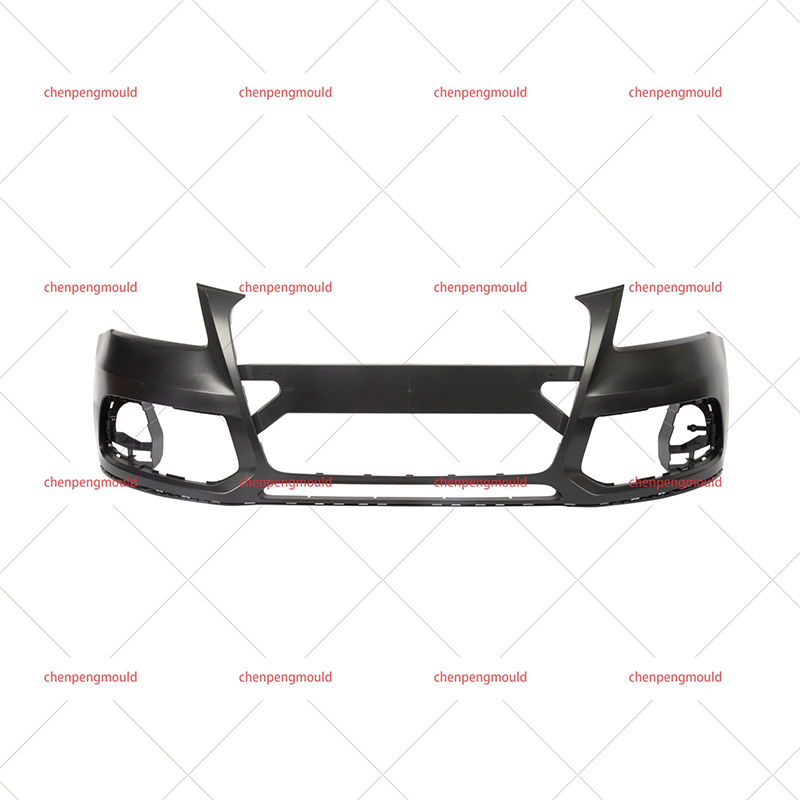
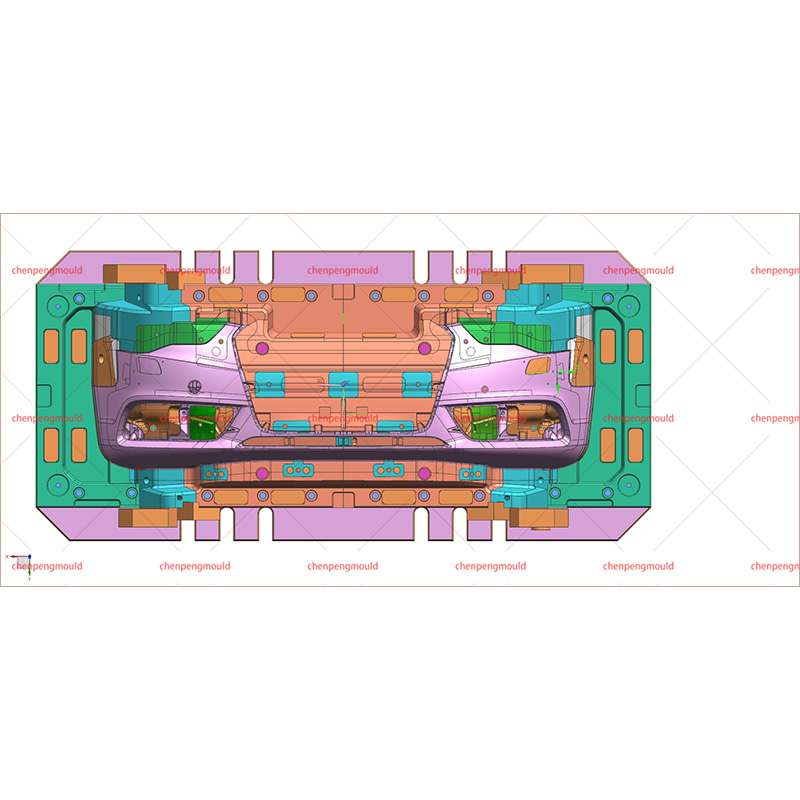
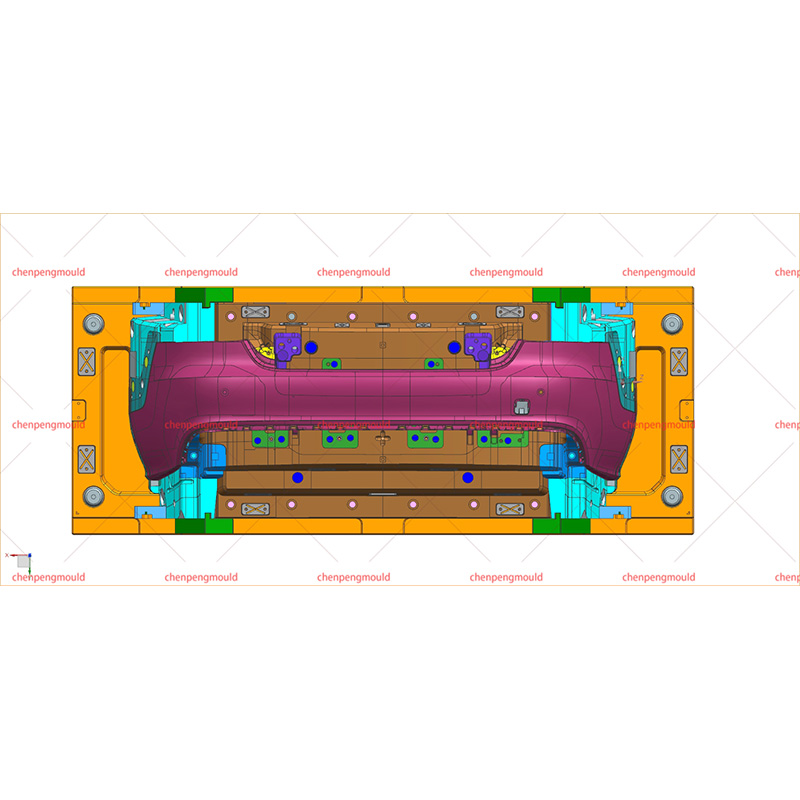
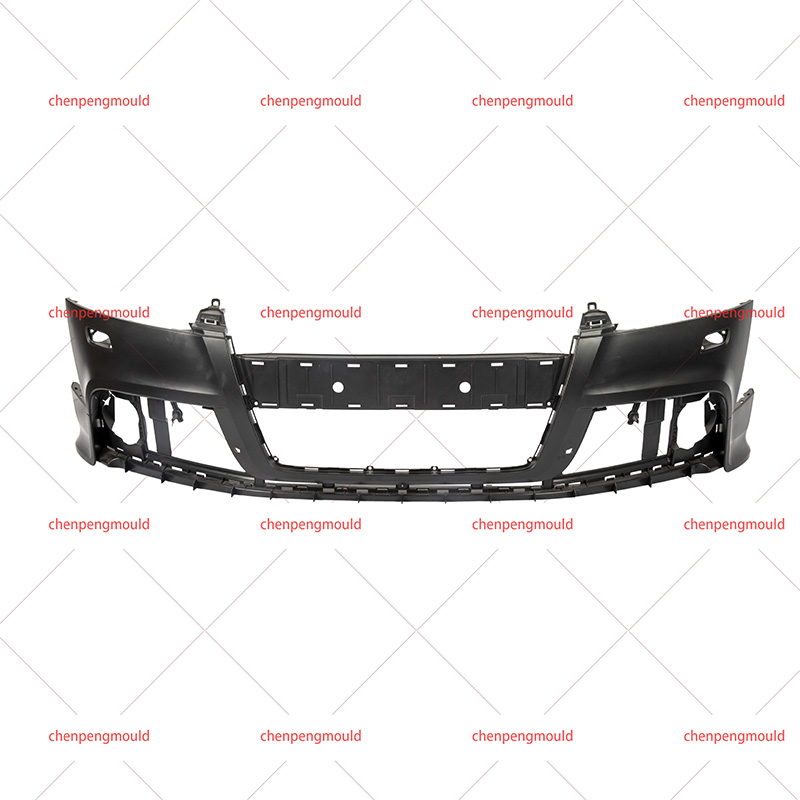
عربىAutomotive components are no longer limited to a single plastic material. Soft-touch surfaces, integrated seals, decorative color combinations, vibration-damping sections, and rigid structural areas can now exist within the same component. This development is changing the way engineers approach a Professional Auto Parts Injection Mold.
Instead of designing tooling around a single resin and a single injection stage, engineers increasingly need to consider how two or more materials interact during molding. Two-shot and overmolding technologies provide practical routes for creating these integrated components, but they also introduce several tooling challenges.
Hard Plastic and Soft Material Can Share One Part
Many multi-material automotive components combine a rigid engineering plastic with a softer elastomer. PC/ABS, ABS, PP, TPE, TPU, and related material combinations can be used according to the required mechanical and tactile properties.
- Rigid substrate: Provides structural support and dimensional stability.
- Soft overmold: Adds grip, cushioning, sealing, or tactile features.
- Decorative layer: Creates contrasting colors or localized visual effects.
- Functional interface: Allows seals, damping areas, or protective sections to become part of the molded component.
Two-shot molding can produce two materials or colors within a coordinated molding cycle. Rotary platen, core-back, and transfer configurations are among the tooling approaches used for these applications.
The Second Shot Changes the Mold Equation
Traditional injection tooling only needs to account for the geometry and processing behavior of the initial plastic. Multi-material tooling has another molded component already sitting inside the cavity during the next injection stage.
This changes several design priorities. The second material must flow around or over the first-shot substrate without shifting, deforming, or damaging it. The tooling also needs reliable positioning so the second material lands precisely within its intended region.
Some two-shot tooling designs require alignment within approximately ±0.02 mm between the two molding positions, particularly around visible material boundaries and critical interfaces.
Material Compatibility Becomes Part of Mold Design
A Professional Auto Parts Injection Mold cannot compensate for an unsuitable material combination. Bonding behavior needs to be considered alongside cavity geometry and injection parameters.
- Chemical adhesion between the two polymers
- Mechanical interlocking geometry
- Different shrinkage rates
- Processing temperature differences
- Overmold thickness
- Expected thermal and mechanical loading
Common two-material combinations include ABS with TPE and PC/ABS with elastomeric materials, but compatibility must be evaluated for the actual resin grades rather than assumed from material names alone.
Shut-Off Areas Need Extra Attention
Material separation is another major concern. The second injection stage can create flash around the boundary between the substrate and overmold, particularly under higher injection pressure.
Precision shut-off surfaces help control this interface. Some tooling guidelines recommend hardened sealing edges and approximately 2°–3° shut-off angles, while critical dimensions around the interface may require tolerances around ±0.05 mm depending on the component and process.
This is especially relevant for automotive buttons, control panels, handles, seals, and trim components where a visible material boundary may become part of the product design.
Gate Position Is No Longer a Single-Material Decision
Gate placement becomes more complicated because engineers have to protect the first-shot substrate while filling the second-shot section. Excessive local pressure can deform ribs or thin walls that were already molded.
- First-shot gate: Needs to provide stable substrate filling and predictable shrinkage.
- Second-shot gate: Should distribute material without pushing against vulnerable substrate features.
- Weld-line position: Needs consideration around visible or mechanically important regions.
- Runner balance: Helps maintain consistent filling across multiple material zones.
Technical references on two-shot tooling specifically identify gate position as a factor in preventing deformation of the first-shot component during the second injection stage.
Cooling Must Handle Two Different Materials
Different polymers can require different processing temperatures and cooling conditions. A mold designed for multi-material production therefore needs a thermal strategy that prevents excessive heat transfer from one molding stage into another.
Complex 2K tooling may incorporate separate cooling zones, thermal isolation structures, and dedicated hot-runner arrangements. Some tooling configurations also separate higher-temperature engineering-resin areas from lower-temperature elastomer zones.
New Part Functions Require New Mold Architecture
Multi-material molding is changing the function of automotive plastic parts. Instead of attaching a rubber seal, soft grip, decorative section, or damping component after molding, designers can integrate these features directly into the component.
Such integration can reduce the number of separate components while creating new requirements for cavity geometry, indexing accuracy, material bonding, ejection, and flash control. Automotive applications already include components that combine rigid substrates with soft-touch or sealing materials.
What Should Engineers Review Before Tooling?
- Material compatibility and bonding method
- First-shot shrinkage before the second injection
- Material interface location
- Rotary or transfer positioning accuracy
- Shut-off geometry and flash control
- Gate and runner configuration
- Cooling separation between materials
- Ejection sequence and substrate retention
Auto Mold Design Is Moving Toward Integrated Parts
Multi-material automotive components are pushing the Professional Auto Parts Injection Mold beyond conventional single-resin tooling. Material compatibility, interface accuracy, shrinkage, thermal management, and second-shot pressure now have to be considered as connected design factors.
The result is a different tooling philosophy: rather than treating a plastic part, a seal, a soft-touch area, and a decorative section as separate products, engineers can design them as a single integrated component. This shift is giving automotive designers more freedom while making the mold itself a more sophisticated part of the product engineering process.
 +86-18357617666