

 عربى
عربىComparing supplier quotations involves more than checking the price per plastic component. A proposal for OEM injection molding may include custom tooling, resin, machine processing, quality inspection, secondary operations, and shipping. Differences in these items can explain why two suppliers offer noticeably different prices for what appears to be the same part.
Purchasing teams need a consistent basis for evaluating quotations before committing to a production program. Reviewing the scope, technical assumptions, and additional charges helps buyers understand the actual project cost and avoid unexpected expenses after production begins.
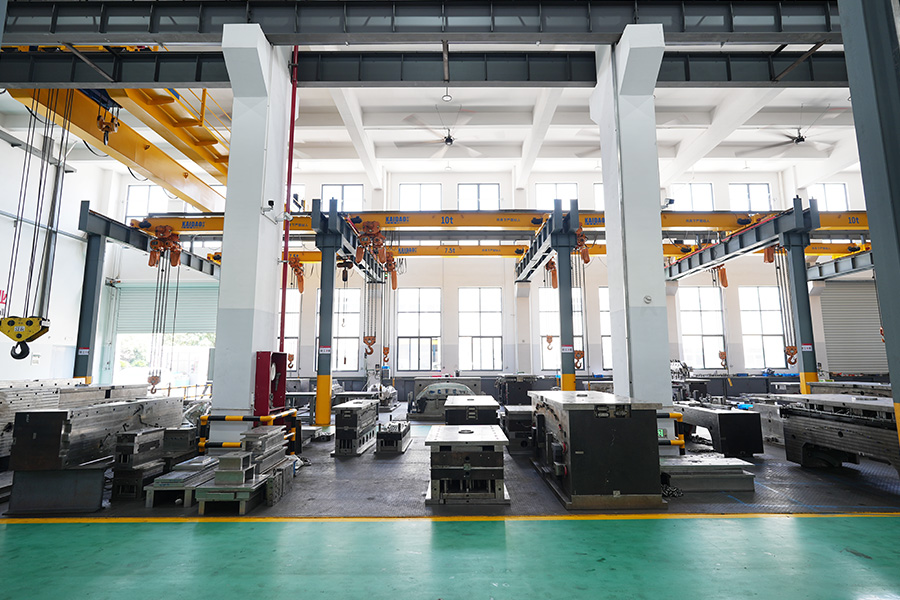
1. Separate Mold Tooling Costs from Production Costs
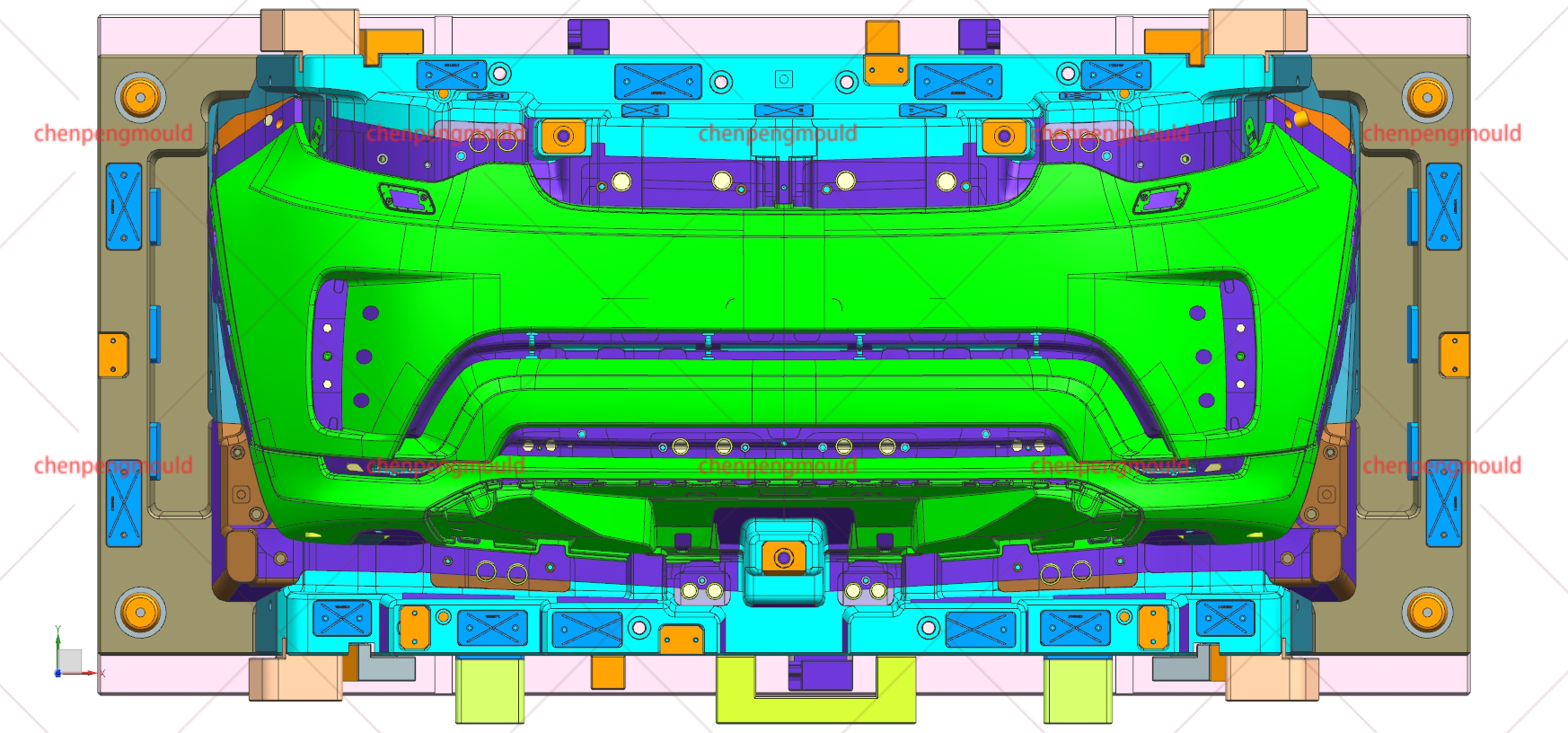
Custom tooling is generally a separate investment from recurring part production. The quotation should identify whether the tooling price covers design, mould base materials, cavity machining, assembly, surface finishing, and trial runs.
Several technical factors can influence the tooling quotation:
- Mould complexity: Undercuts, side actions, threaded features, and complex parting lines may require additional components and machining operations.
- Steel grade: Tool steel selection affects machining requirements, wear resistance, and the intended service life of the mould.
- Cavity count: A single-cavity mould and a four-cavity mould have different tooling costs and production capacities.
- Surface finish: Polishing, texturing, and other surface treatments may add engineering and processing expenses.
Buyers should also confirm the expected mould life, warranty conditions, and responsibility for routine tooling work. A lower initial tooling charge may not represent the same technical scope as a higher quotation.
2. Compare Material Specifications, Not Just Resin Prices
Plastic resin is a recurring production expense, so the specified material grade can significantly influence the quoted unit price. Two quotations listing ABS, polypropylene (PP), or polyamide (PA) may still refer to different grades with different mechanical, thermal, or processing properties.
Ask suppliers to clarify the following material details:
- Exact resin grade: Confirm the material designation, supplier specification, and any required performance properties.
- Part weight: Establish the estimated finished-part weight and whether the calculation includes runners and sprues.
- Additives and colorants: Identify requirements for glass-fibre reinforcement, flame retardants, pigments, or other additives.
- Material traceability: Confirm whether material certificates or batch records are included when required.
Buyers should avoid approving material substitutions solely because the alternative resin costs less. Any change must satisfy the component's functional requirements and receive the necessary engineering approval.
3. Examine Cycle Time and Machine Capacity
Machine processing costs depend on factors such as press size, cycle duration, operator involvement, and the number of components produced per moulding cycle. Part geometry and wall thickness can influence cooling requirements, while complex inserts or automated handling may affect production arrangements.
Consider a simplified example: a four-cavity mould produces four acceptable parts during each cycle. With a 40-second cycle, the theoretical output is 360 parts per hour before accounting for setup, downtime, rejects, and other production losses.
The calculation is:
Theoretical output per hour = 3,600 seconds ÷ cycle time × parts per cycle
Ask each supplier to state the assumed cycle time, machine tonnage, cavity count, and production yield. These details help explain differences in unit pricing and allow purchasing teams to assess whether the proposed production arrangement matches the expected demand.
4. Check Secondary Processing and Quality Inspection Fees
A quoted moulded-part price may cover only the basic component, rather than the finished product required by the customer. Additional work can include trimming, drilling, printing, painting, ultrasonic welding, insert installation, and assembly.
Quality-related expenses also deserve separate review. Depending on the component and customer specification, inspection may include dimensional reports, material verification, visual checks, functional testing, or sample approval documentation.
- Sample charges: Confirm the number of trial samples included and whether additional trial runs are billed separately.
- Inspection scope: Establish the required measurements, sampling frequency, and reporting format.
- Finishing operations: Identify which processes are included in the unit price and which carry separate charges.
- Rework and rejected parts: Document how nonconforming products are handled and how responsibility is determined.
A detailed quotation makes it easier to compare suppliers against the same finished-part requirements instead of comparing a basic moulded component with a fully inspected and assembled product.
5. Review Packaging, Freight, and Delivery Terms
Shipping arrangements can change the final cost of an international sourcing project. Packaging requirements, shipment size, transport method, insurance, customs responsibilities, and delivery terms should be included in the comparison.
Request clarification on these points:
- Whether export cartons, protective packaging, labels, and pallets are included.
- Whether the quotation uses EXW, FOB, CIF, DAP, or another agreed Incoterm.
- Which party arranges freight, cargo insurance, customs clearance, and applicable duties.
- Whether mould transportation and finished-part shipments are priced separately.
- How the supplier handles repeat orders and changes in shipment quantity.
For international buyers, comparing the delivered cost at the same destination provides a more meaningful assessment than comparing factory prices alone.
6. Calculate Total Cost at Different Order Volumes
The relationship between tooling investment and recurring unit cost changes with production volume. A project with limited initial demand may favor a simpler mould, while a sustained production program may justify a more complex multi-cavity tool.
For example, consider a mould priced at $12,000. Allocating that investment across 10,000 parts adds $1.20 per part. Across 100,000 parts, the allocation falls to $0.12 per part, excluding maintenance, financing, and other expenses.
Buyers can use a consistent cost framework:
Total project cost = tooling + production + secondary processing + inspection + packaging + freight + applicable duties and taxes.
Compare this total under several realistic demand scenarios. Confirm whether the supplier's quotation assumes a particular annual volume, production batch size, or tooling amortization arrangement.
7. Use a Standardized RFQ Checklist
Before requesting revised quotations, provide every supplier with the same technical and commercial information. A consistent request for quotation (RFQ) reduces differences caused by missing specifications or inconsistent assumptions.
- Approved 2D drawings and 3D CAD files with revision numbers.
- Specified resin grade, color, surface finish, and critical tolerances.
- Expected order quantity, annual demand, and forecast changes.
- Tooling scope, cavity count, intended service life, and sample requirements.
- Required inspection records, packaging specifications, and delivery destination.
- Payment terms, quotation validity, engineering change charges, and warranty conditions.
A comparison sheet can classify each item as included, separately priced, or awaiting confirmation. Unanswered items should be clarified rather than treated as having no cost.
Reliable OEM sourcing decisions require a complete view of the quotation, from mould construction and resin specifications to inspection, packaging, and international delivery. Buyers should compare proposals using identical technical requirements, production assumptions, and commercial terms.
Requesting an itemized quotation and calculating total project cost at different order volumes provides a clearer basis for supplier evaluation. This process also helps identify differences in tooling scope, production capacity, quality documentation, and delivery arrangements before purchase orders are issued.
A well-prepared RFQ encourages transparent communication between buyers and manufacturers. Rather than focusing solely on a quoted unit price, purchasing teams can evaluate whether each proposal meets the project's engineering requirements, budget expectations, and long-term production needs.
 +86-18357617666