

 عربى
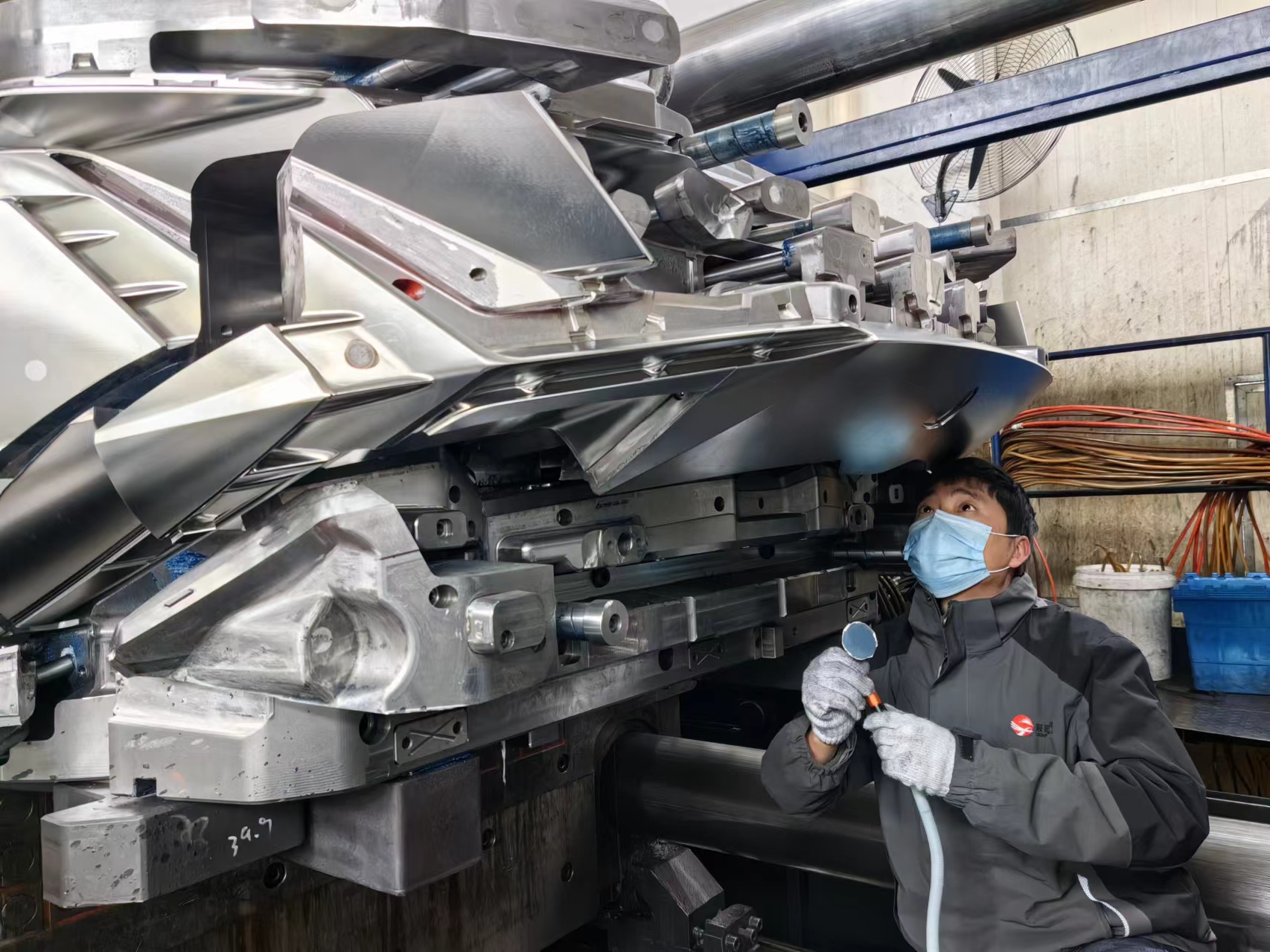
عربىThere are several types of molds used in automotive manufacturing, each designed for specific parts and production requirements. These auto parts molud are made from high-quality materials and are engineered to withstand the pressure and heat during the molding process. Below are some of the common types of automotive parts molds:
· Injection Molds
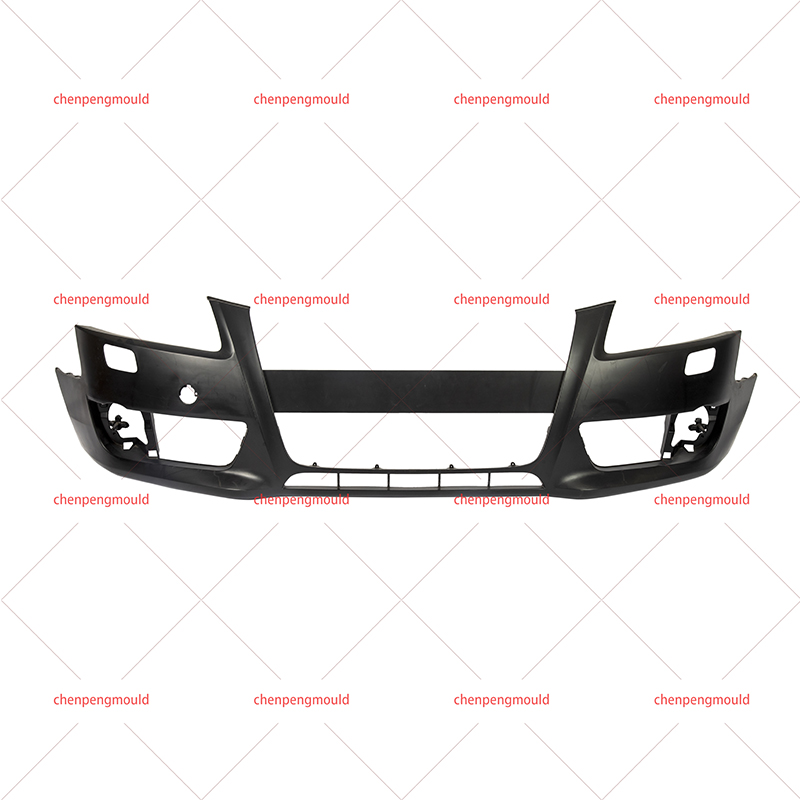
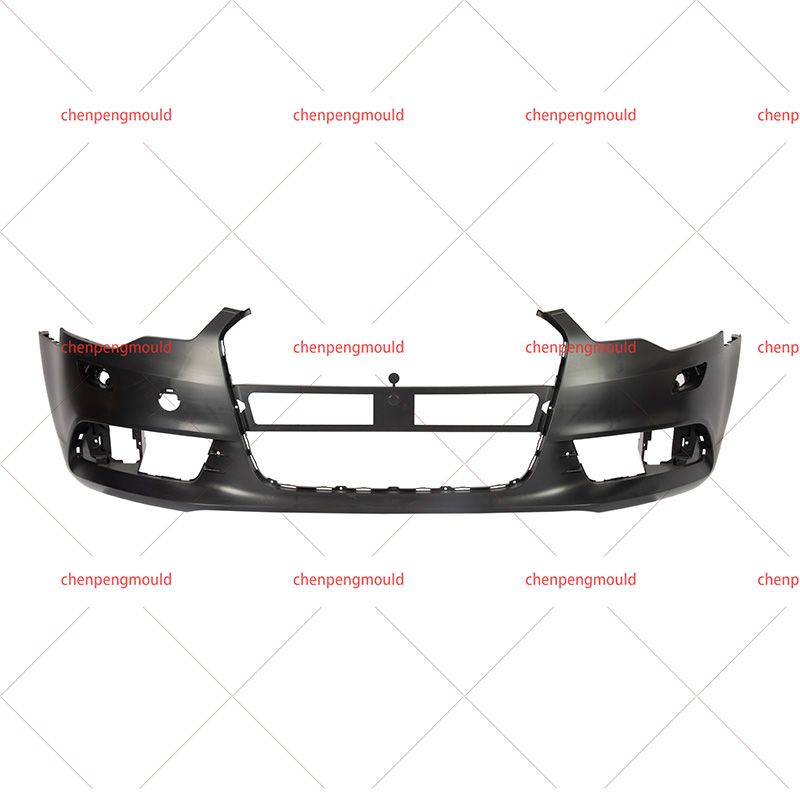
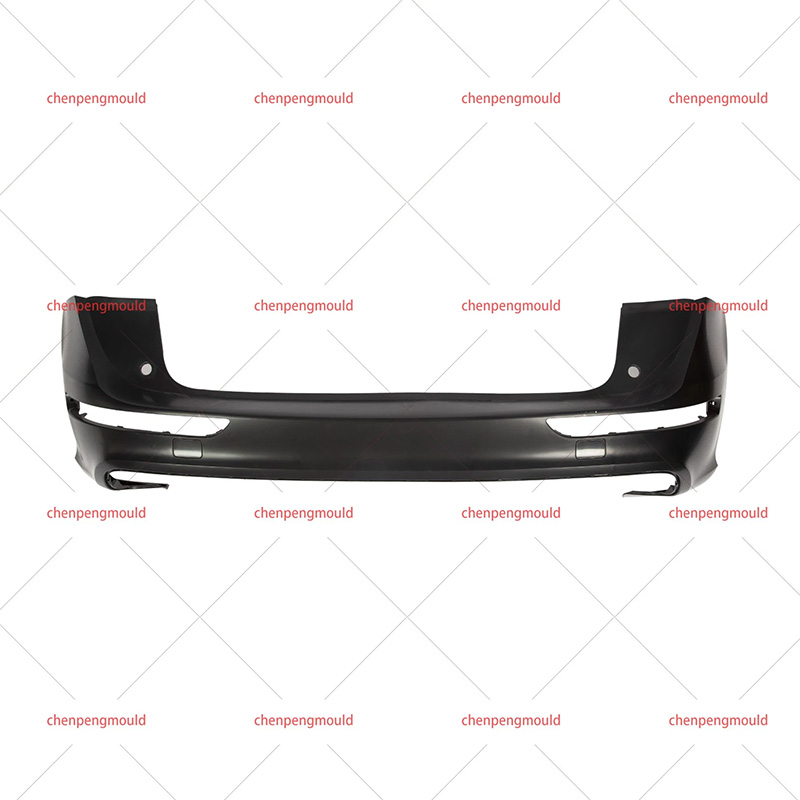
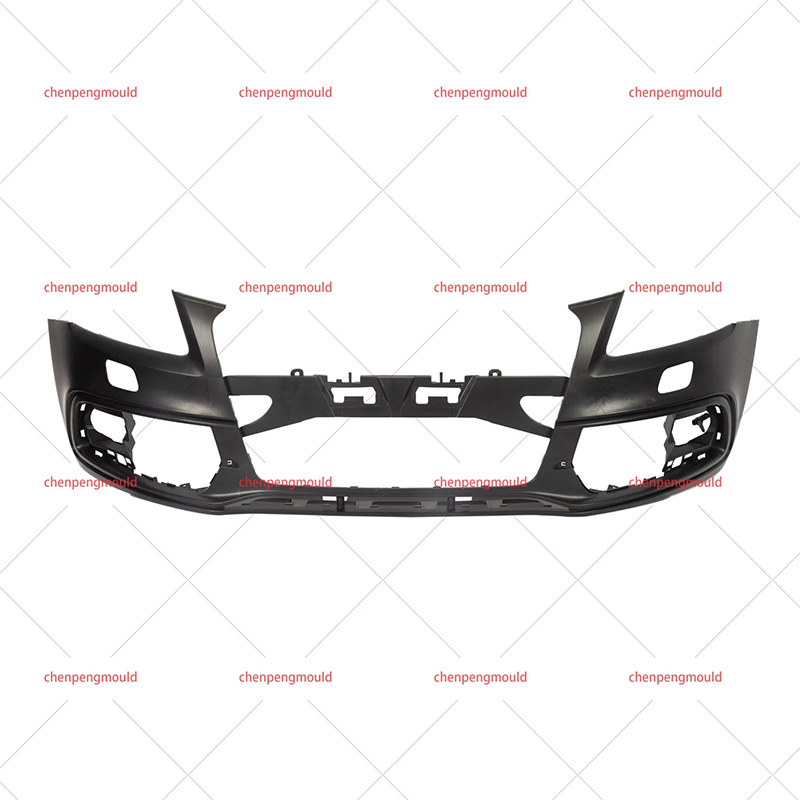
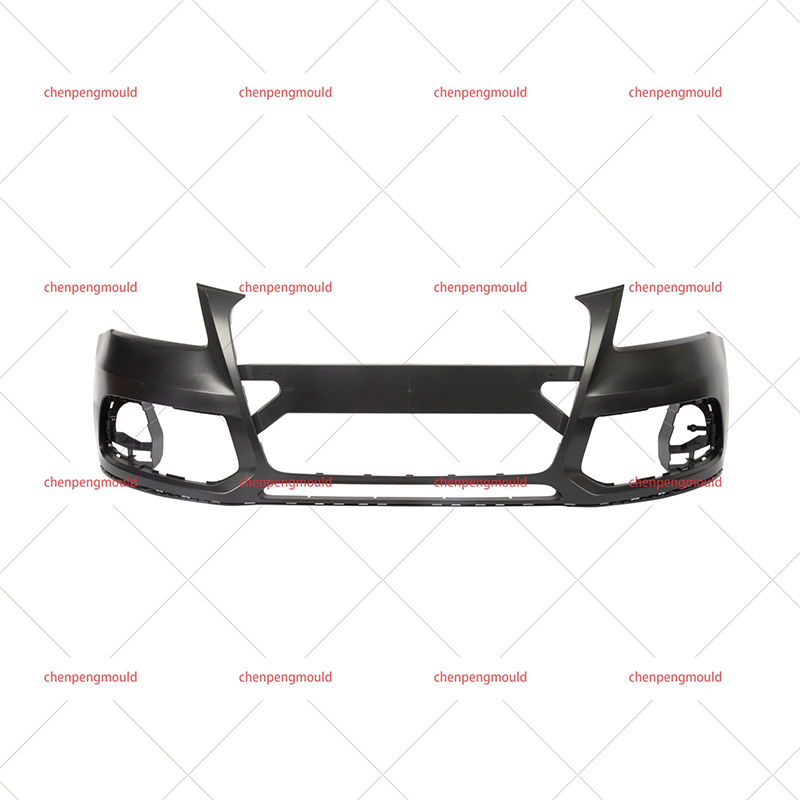
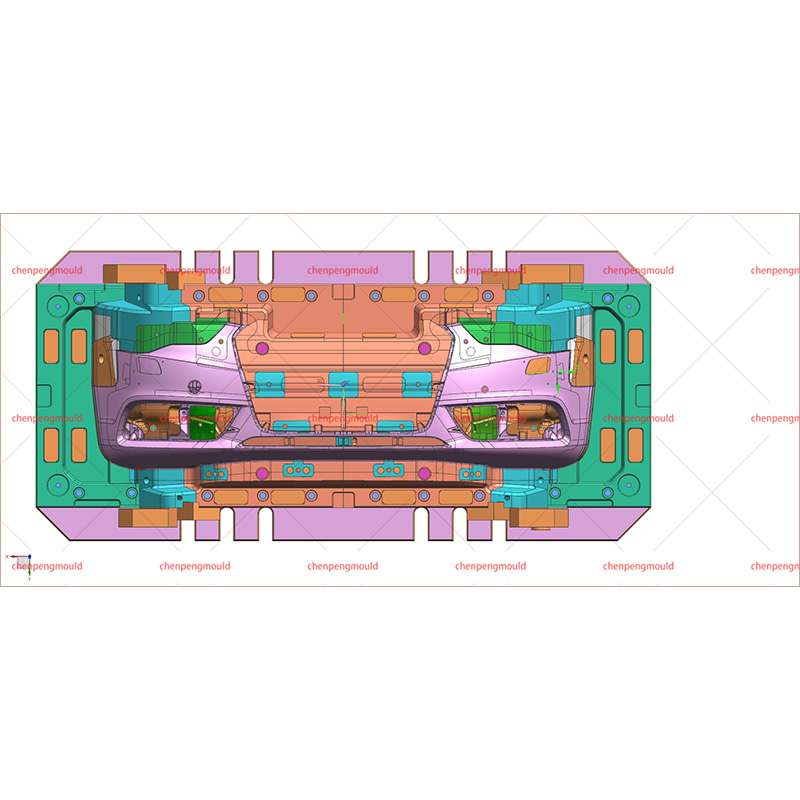
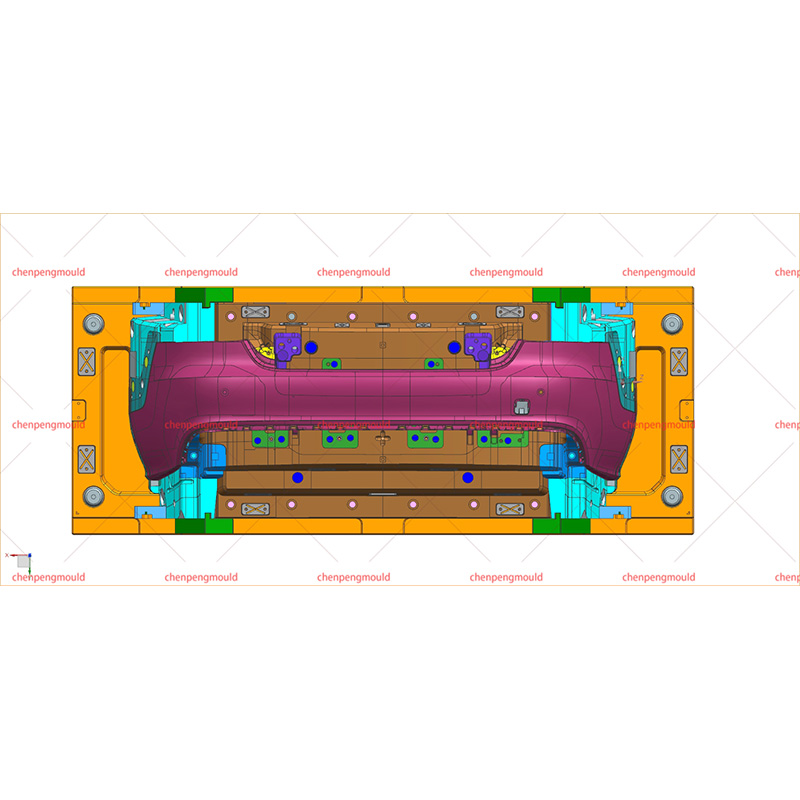
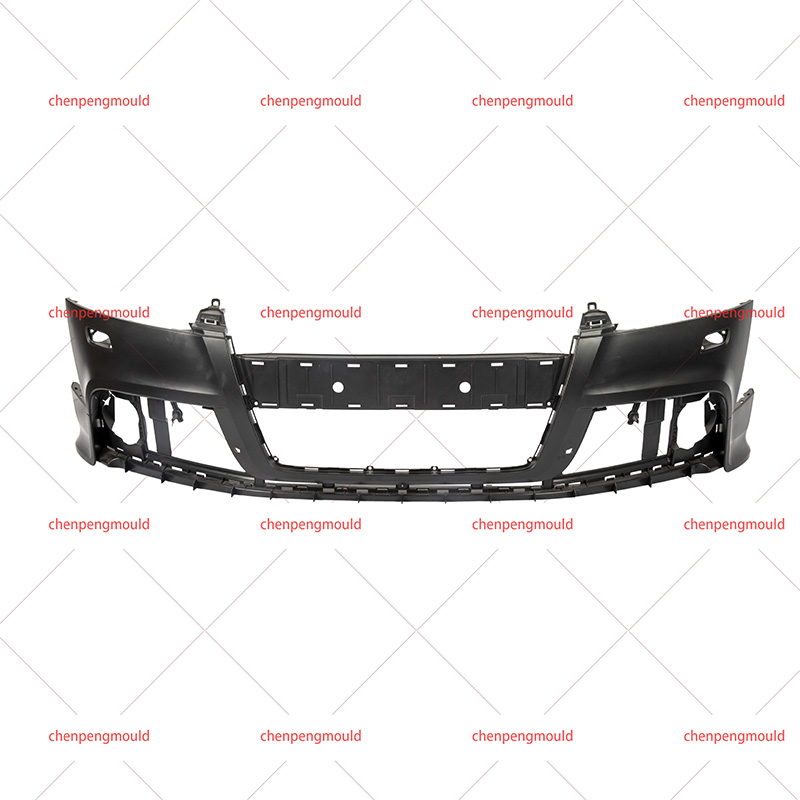
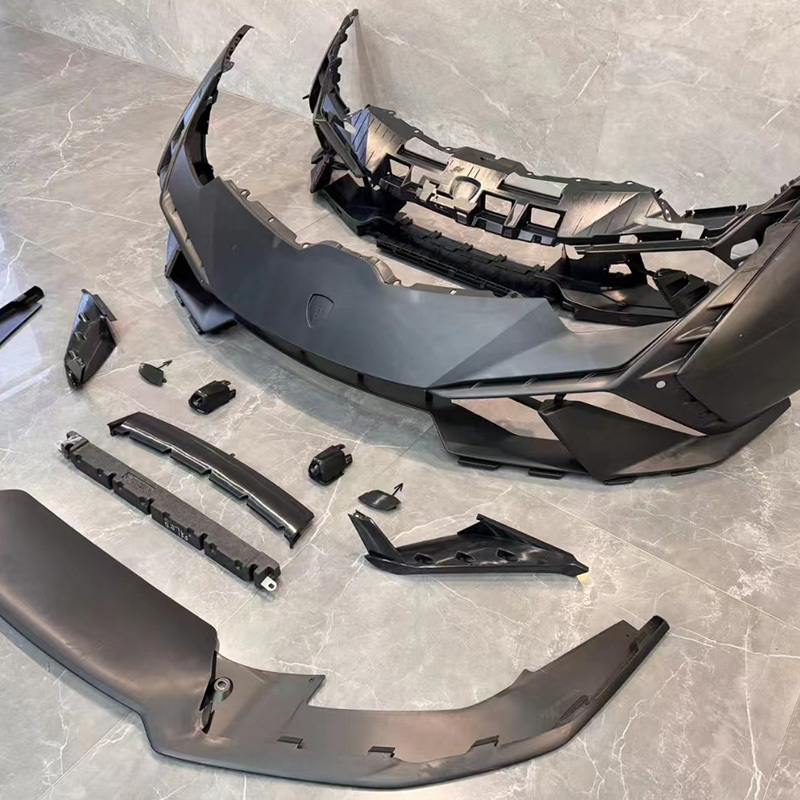
Used for producing plastic parts such as dashboard components, bumpers, and interior trim. Injection molds are widely used in automotive manufacturing due to their ability to create complex shapes and high precision.
· Compression Molds
These molds are used for parts made from rubber or composite materials, including seals, gaskets, and interior door panels. Compression molding is ideal for parts that require strength and durability.
· Die Casting Molds
Used for producing metal parts, such as engine blocks, transmission parts, and other structural components. Die casting molds are designed for high-volume production and are known for their efficiency in producing complex metal parts with fine details.
· Blow Molds
Typically used for creating hollow plastic parts such as fuel tanks, air ducts, and certain exterior panels. Blow molding is a common technique for making lightweight parts that need to be hollow.
How is the Cost-Effectiveness of Automotive Parts Molds?
The cost-effectiveness of automotive parts molds is determined by several factors, including mold design optimization, material selection, and automation in the production process. Below, we explore how these factors contribute to the overall efficiency and cost-effectiveness of automotive molds.
Mold Design Optimization
· Reduced Material Waste
Proper mold design is crucial in reducing material waste. By using advanced design software and simulation tools, manufacturers can create molds that maximize material utilization while minimizing scrap. Optimized molds ensure that parts are produced with minimal excess material, thus reducing raw material costs.
· Durability and Longevity
Mold design optimization also focuses on increasing the lifespan of the molds. High-quality materials and precision engineering allow molds to last longer, reducing the frequency of replacements and maintenance costs. This is particularly important in automotive production, where molds are subject to high pressure and temperature.
· Efficiency in Production
Optimized mold designs improve cycle times, meaning that each part is produced faster. This leads to higher production rates, which can reduce unit costs over time. Shorter cycle times also contribute to better overall productivity and cost savings.
Automated Production
· Reduced Labor Costs
The automation of mold production and part manufacturing helps to significantly reduce labor costs. Automated systems can operate continuously, reducing the need for manual intervention. This allows manufacturers to run operations more efficiently and consistently.
· Higher Precision and Less Rework
Automated production systems are highly accurate, which reduces the likelihood of defects and rework. Consistent quality control through automated systems ensures that the molds produce parts that meet the necessary standards, lowering the cost of defects and repairs.
Recent Technological Innovations in Automotive Parts Molds
Recent technological innovations in automotive parts molds have significantly advanced the production process, resulting in better efficiency, precision, and cost savings. These innovations include improvements in materials, production techniques, and mold design processes. Some of the key innovations include:
· 3D Printing for Mold Prototyping
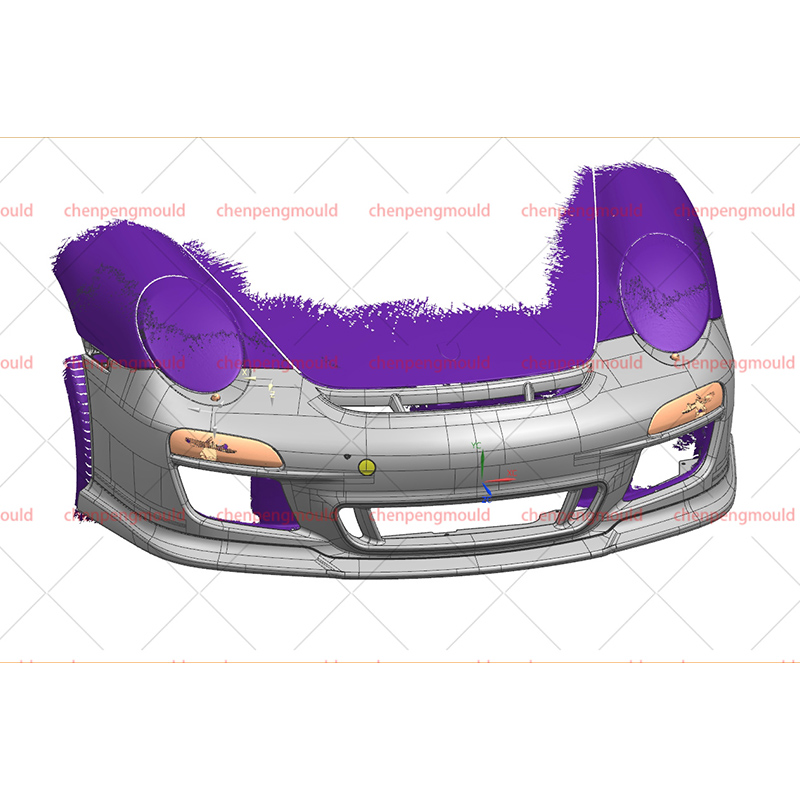
3D printing technology has enabled faster prototyping of molds. Manufacturers can now quickly create prototype molds and test them for design flaws before committing to full-scale production. This reduces the time and cost involved in developing new molds for automotive parts.
· Advanced Simulation Software
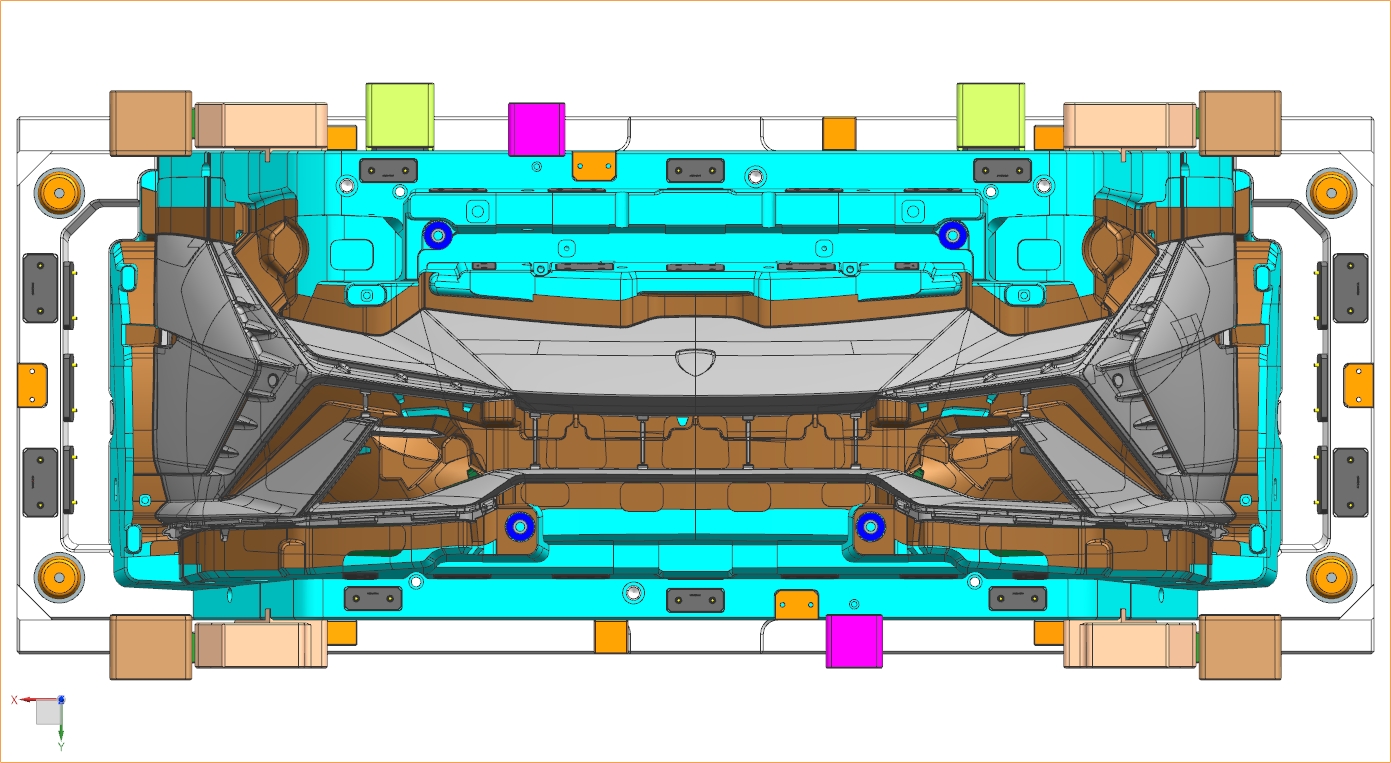
Modern simulation software allows manufacturers to simulate the molding process, including material flow, cooling times, and potential defects. This helps in optimizing mold designs, ensuring that the final product meets the required specifications with greater accuracy.
· Additive Manufacturing for Complex Mold Geometries
Additive manufacturing (AM) technologies are increasingly being used to create more complex mold geometries that were previously difficult or impossible to achieve with traditional manufacturing techniques. This includes molds with intricate cooling channels or parts that require tight tolerances.
· Smart Molds with Embedded Sensors
Some automotive molds now feature embedded sensors that monitor critical factors such as temperature, pressure, and material flow during the molding process. These smart molds can provide real-time feedback, allowing manufacturers to make immediate adjustments to improve the production process and avoid defects.
 +86-18357617666