

 عربى
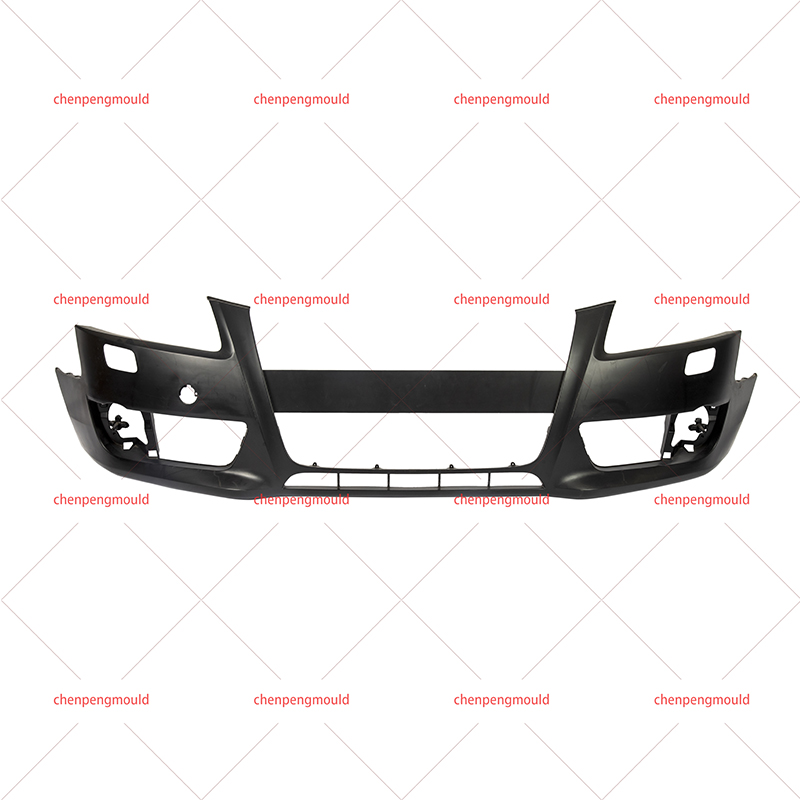
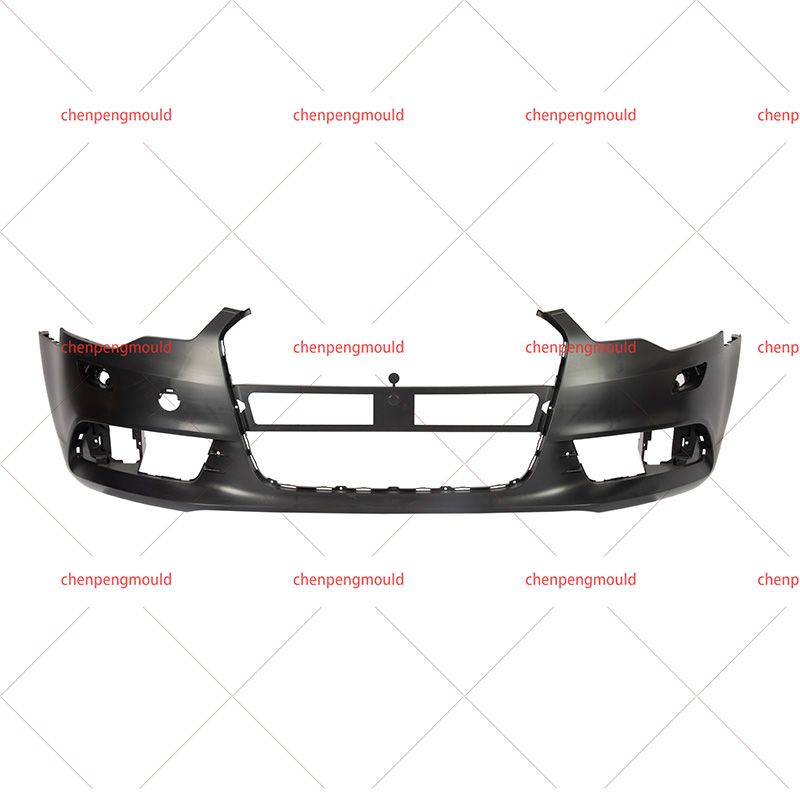
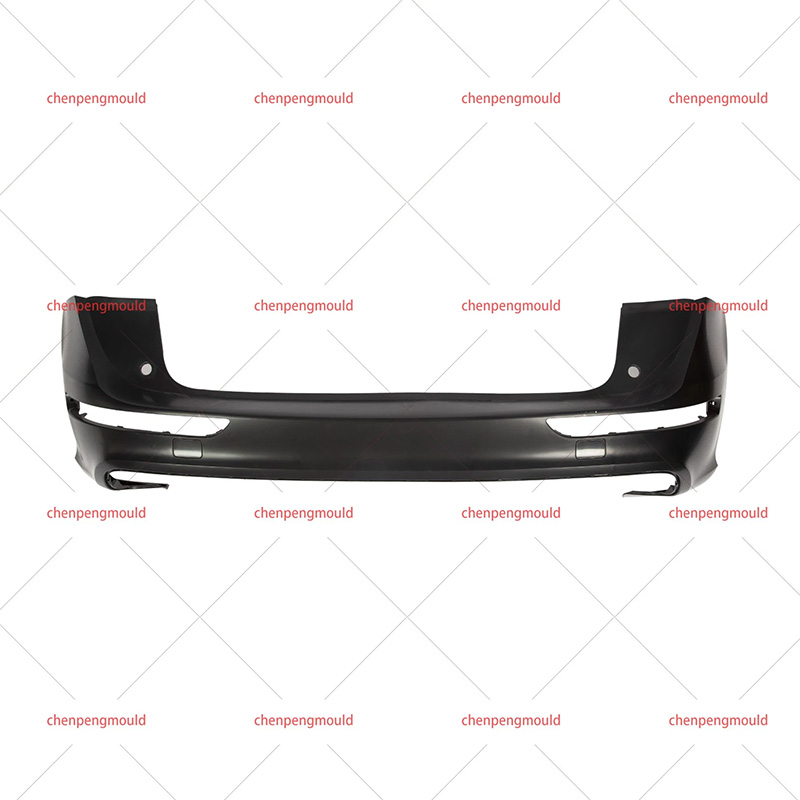
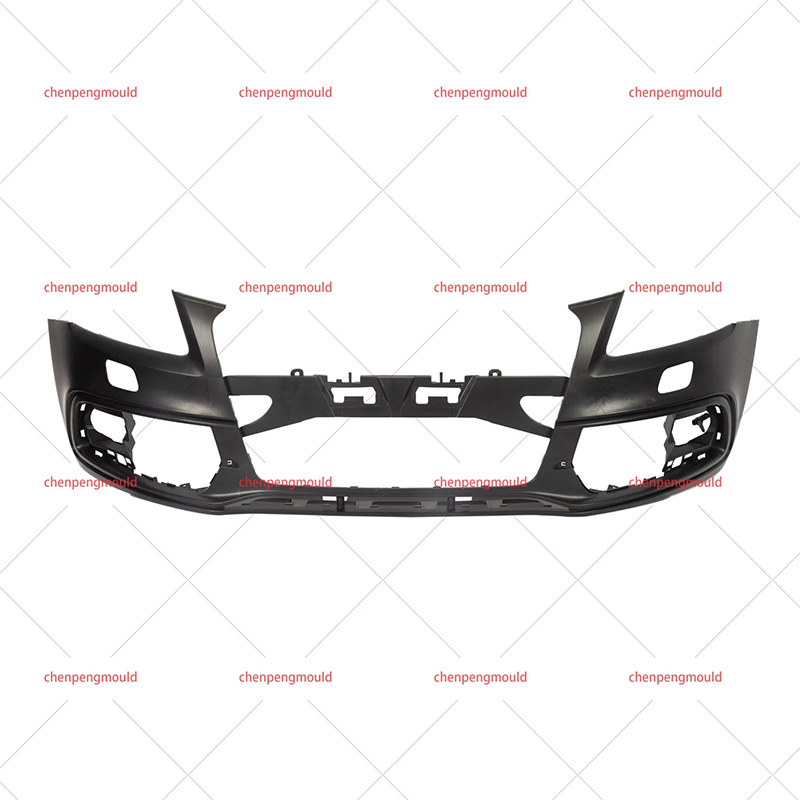
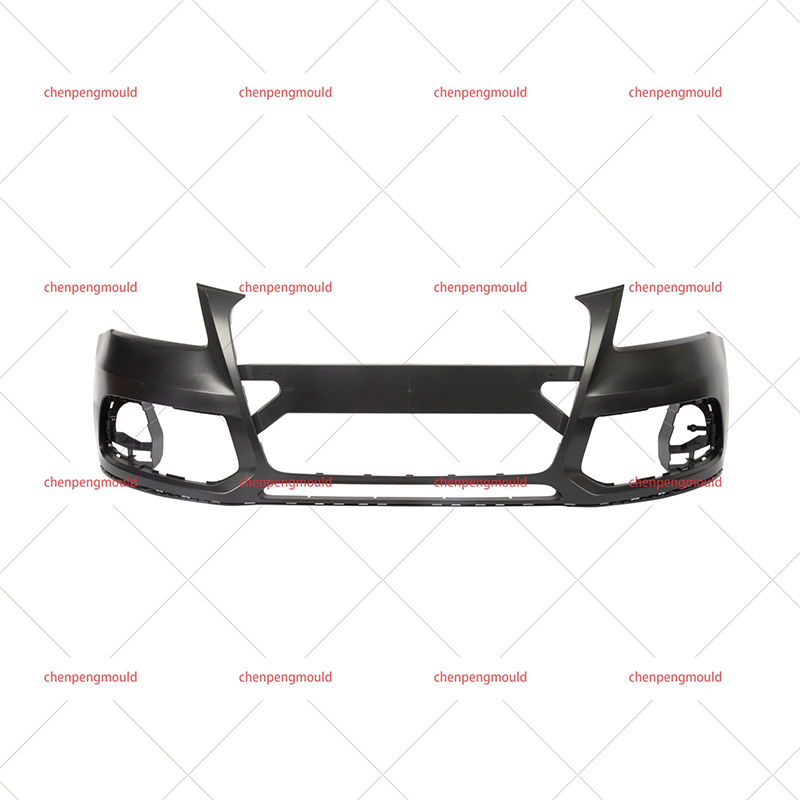
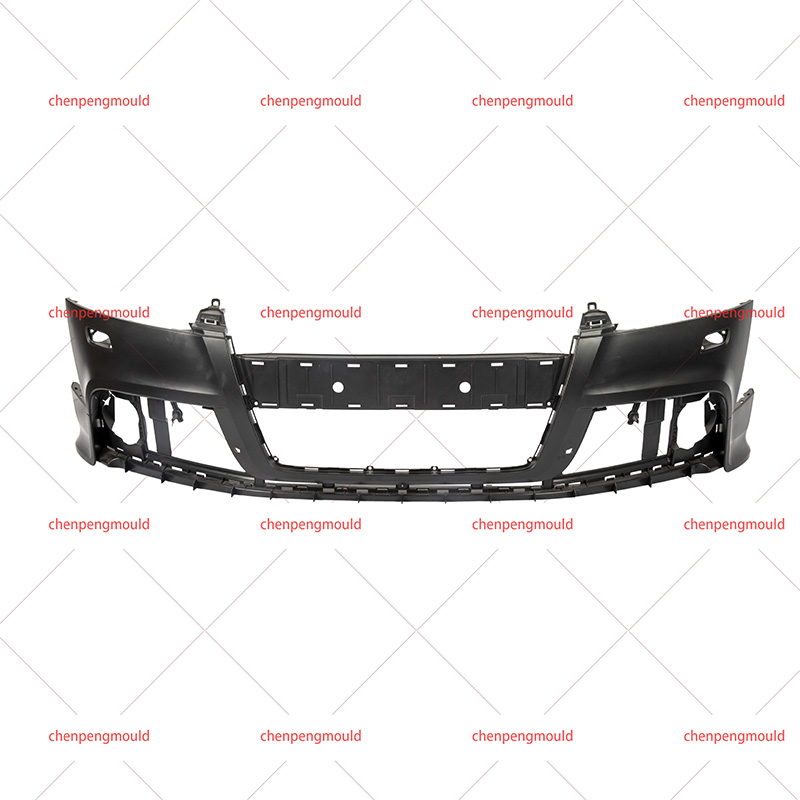
عربىThe materials used for car bumpers have evolved significantly over the decades, transitioning from heavy chrome-plated steel to lightweight, energy-absorbing polymers. Today's bumpers are complex assemblies, but the primary visible component—the bumper cover or fascia—is exclusively made from molded plastics.
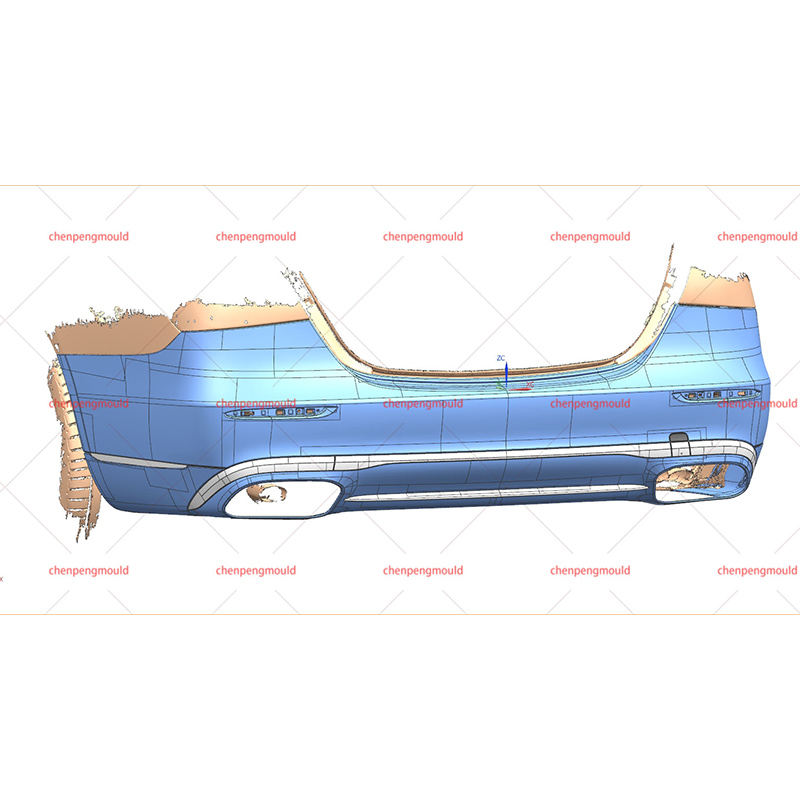
Polypropylene (PP): This is the common material for injection-molded automotive bumper covers. Polypropylene is favored for its combination of properties: it is lightweight, relatively low-cost, and exhibits good impact resistance. It also has chemical resistance, meaning it can withstand exposure to road salts, fuels, and cleaning agents. Furthermore, polypropylene can be easily painted to match the vehicle's body color, although adhesion promoters are often required for proper paint bonding. Its flexibility allows it to deform upon impact and, in many cases, return to its original shape.
Polycarbonate (PC) / Polybutylene Terephthalate (PBT) Blends: For bumpers requiring higher rigidity or better heat resistance, such as those found on some SUVs or performance vehicles, blends of polycarbonate and PBT are sometimes used. These materials offer enhanced dimensional stability and can withstand the higher temperatures experienced near exhaust outlets or in painting ovens.
Polyurethane (PU): In some applications, particularly for flexible, soft-nose bumpers common in the 1980s and 1990s, polyurethane has been used. Polyurethane is an elastomer, meaning it is highly flexible and impact-resistant. However, it is more expensive to mold than polypropylene and can be more challenging to paint and repair. It is still used for some specialty applications and for bumper components that require a very soft, deformable surface.
Sheet Molding Compound (SMC): For certain vehicles, particularly some American cars and trucks, bumpers or bumper components may be made from SMC. This is a composite material consisting of polyester resin reinforced with glass fibers. SMC is compression molded and offers high strength and stiffness, as well as corrosion resistance. It is often used for bumpers on vehicles where a very rigid, non-flexing structure is desired, or for body-color bumpers on some heavier-duty trucks. SMC is heavier than polypropylene but offers different structural characteristics.
Aluminum and High-Strength Steel: While the visible bumper cover is plastic, the underlying structural component—the bumper beam or reinforcement bar—is typically made of metal. High-strength steel is commonly used for its energy absorption in a small package. Aluminum is also used, particularly on vehicles where weight reduction is a priority, as it offers good strength with lower mass. These metal beams are often manufactured through stamping or roll-forming processes and are designed to crush in a controlled manner to absorb impact energy.
How Are Car Bumpers Manufactured Through Molding?
The manufacturing process for a plastic bumper cover is a sophisticated operation designed for high volume and consistent quality. The common method is injection molding.
Injection Molding Process:
Material Preparation: Plastic resin, typically in the form of small pellets (e.g., polypropylene), is fed into a large hopper. It may be mixed with colorants and other additives.
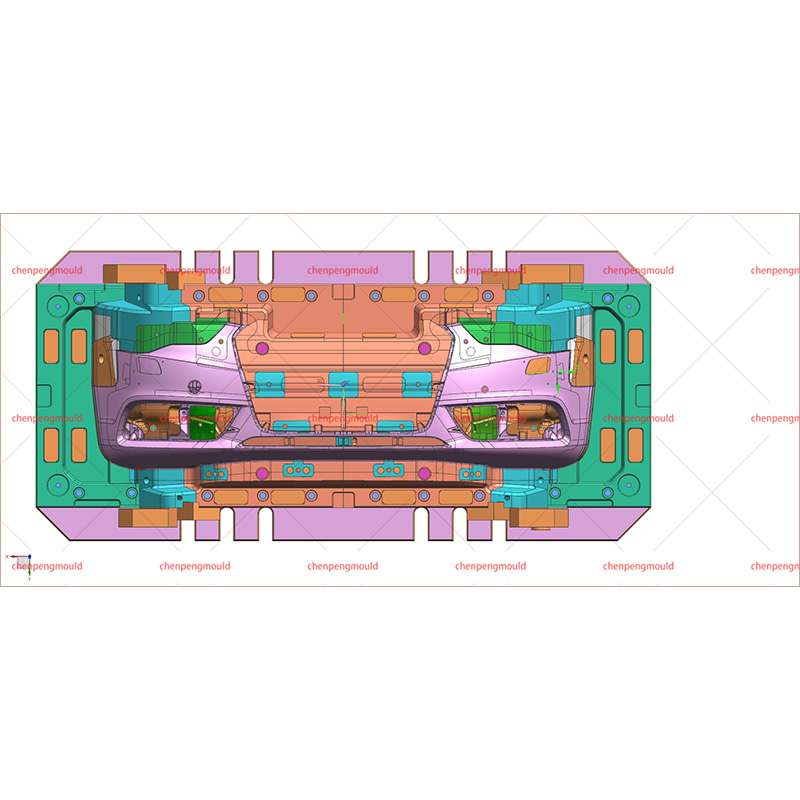
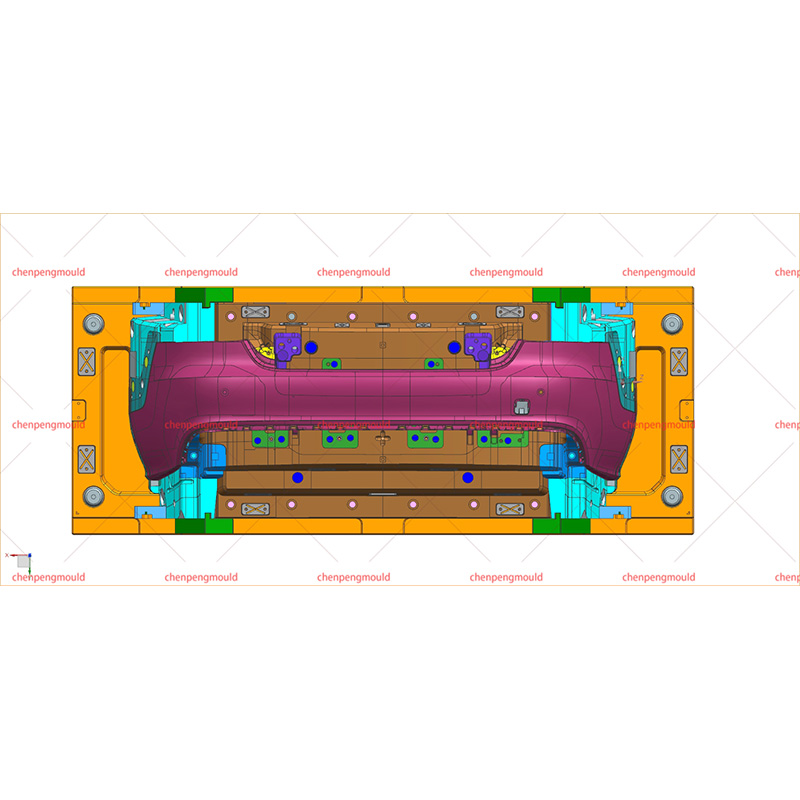
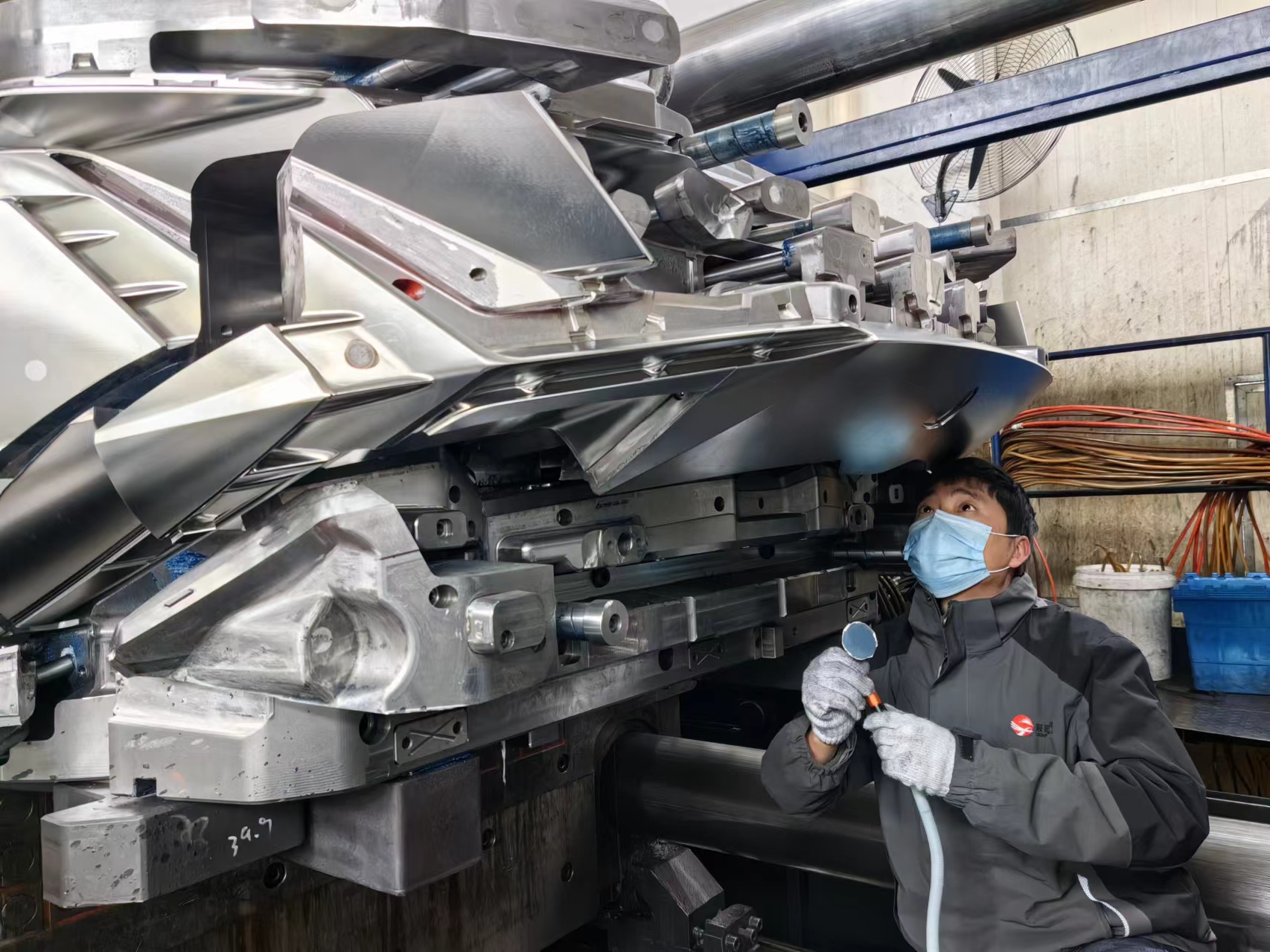
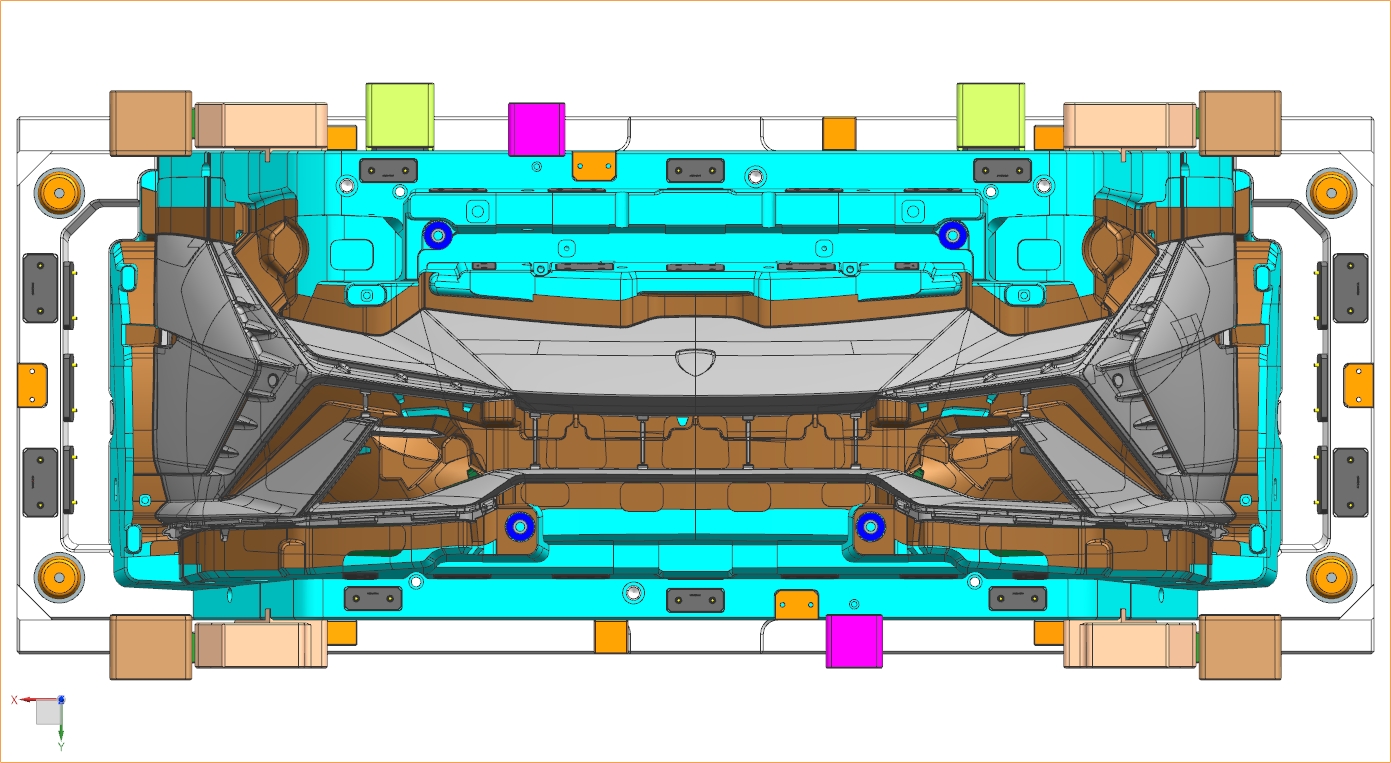
Melting and Injection: The pellets are fed into a heated barrel where a rotating screw melts and mixes the material. Once molten, the screw acts as a plunger, injecting the plastic under high pressure into a closed metal mold (tool).
Cooling and Solidification: The mold is cooled by circulating water or oil through channels within it. The plastic quickly cools and solidifies into the shape of the bumper. This cooling stage is critical for determining the final part's dimensions and properties.
Ejection: The mold opens, and ejector pins push the solidified bumper cover out of the mold. The entire cycle, from injection to ejection, typically takes between 60 and 120 seconds.
Finishing: The molded bumper may have excess material (flash) around the edges, which is trimmed off. Holes for fog lights, sensors, and mounting points may be machined or punched. The bumper is then typically cleaned and prepared for painting.
Compression Molding for SMC: For SMC bumpers, a different process is used. A pre-measured charge of SMC material (a thick, sheet-like compound) is placed into a heated mold. The mold is then closed under significant pressure, forcing the material to flow and fill the cavity. The heat cures the resin, and the part is removed after a specific curing time. This process is slower than injection molding but necessary for the composite material.
Painting and Assembly: After molding, the bumper cover typically moves to a paint shop. It undergoes cleaning, application of adhesion promoters, primer, basecoat (color), and clearcoat. These coatings are often baked in ovens between stages. Finally, the painted cover is assembled with grilles, trim pieces, impact absorbers (often foam), and the metal reinforcement beam before being shipped to the vehicle assembly plant.
Can a Molded Plastic Bumper Be Repaired, or Does It Need Replacement?
This is a common question following minor collisions or parking lot incidents. The answer depends on the extent and type of damage.
Minor Scuffs and Scratches: Surface damage that only affects the paint can typically be repaired by sanding, filling (if necessary), and repainting the affected area. This is similar to bodywork on metal panels.
Cracks and Splits: Small to medium-sized cracks in thermoplastic bumpers (like polypropylene) can often be repaired using a plastic welding technique. This involves using a hot air gun and plastic welding rods made of compatible material to melt and fuse the crack back together. The backside of the repair is often reinforced with a mesh or additional weld material. After welding, the surface is sanded smooth, filled, and repainted.
Deformation: If a bumper cover has been deformed but not torn, it can sometimes be heated with a heat gun or hot water to soften the plastic and then pushed back into its original shape. This is effective on flexible materials like polypropylene.
When Replacement Is Necessary:
Large or Complex Cracks: Cracks that are extensive, located in high-stress areas, or involve complex curves may be beyond reliable repair.
Missing Material: If a chunk of the bumper is torn away, repair becomes difficult and may not be structurally sound.
Damage to Mounting Points: If the tabs or brackets that attach the bumper to the vehicle are broken, replacement is often more practical than repair.
SMC Bumpers: Cracks in SMC (fiberglass) bumpers are more difficult to repair permanently, as the glass fiber structure is compromised. While they can be repaired with fiberglass resin and mat, the repair may be visible or less durable.
Cost Consideration: In many cases, the labor cost for a high-quality repair may approach or exceed the cost of a replacement aftermarket or recycled bumper cover, making replacement the more economical choice.
How Do Bumpers Integrate with Modern Vehicle Safety Features?
Modern bumpers are not just cosmetic or low-impact protection devices; they are integral to the function of advanced driver assistance systems.
Sensor Integration: Many vehicles today are equipped with parking sensors, blind-spot monitors, and adaptive cruise control radar. These sensors are often mounted in or behind the front and rear bumpers. The molding process must account for precise mounting locations and, in the case of radar, the bumper cover material must be transparent to radio waves. This is why you will often see smooth, unpainted sections or specific covers on bumpers where radar units are housed.
Pedestrian Protection: Bumper design is increasingly influenced by regulations aimed at reducing injury to pedestrians in the event of a collision. This has led to the use of energy-absorbing foams behind the bumper cover and the design of the bumper itself to deform in a way that is less injurious. The stiffness and shape of the molded cover and its underlying supports are carefully engineered with pedestrian safety in mind.
 +86-18357617666