

 عربى
عربىThe automotive industry is entering a new stage where vehicle design is no longer limited by traditional manufacturing methods. Electric vehicles, smart cabins, lightweight structures, and personalized styling are changing the requirements for plastic components. As automakers develop new platforms, a Custom Automotive Plastic Mold must provide higher design flexibility, tighter dimensional control, and compatibility with advanced materials.
Modern vehicles contain thousands of plastic components, covering interior trims, exterior panels, electronic housings, connectors, and structural applications. The increasing demand for lightweight solutions and complex geometries has pushed injection molding technology toward more precise and intelligent mold development.
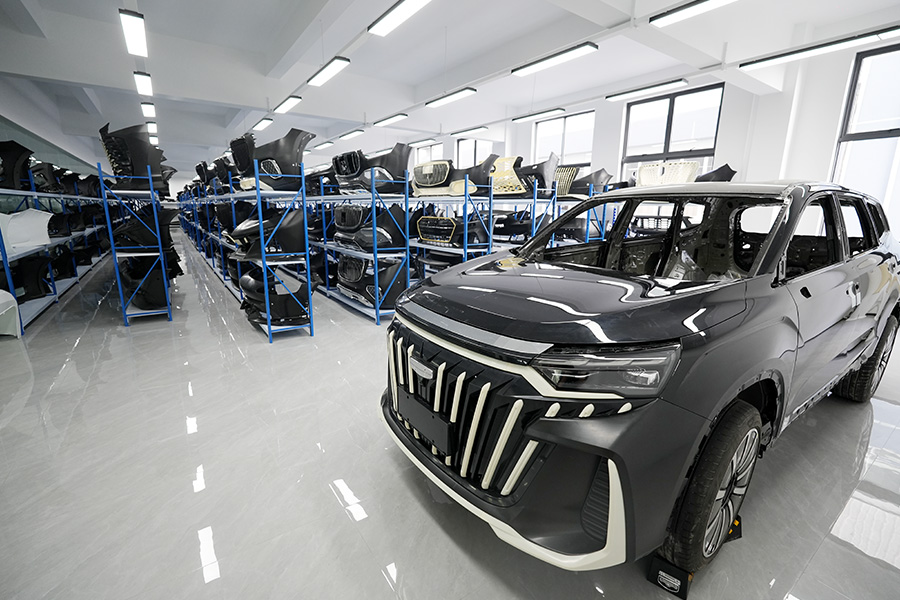
1. New Vehicle Concepts Require More Flexible Mold Designs
Traditional automotive designs often focused on standard shapes and large-volume production. However, next-generation vehicles are introducing unique exterior styles, integrated lighting systems, hidden components, and customized interior layouts.
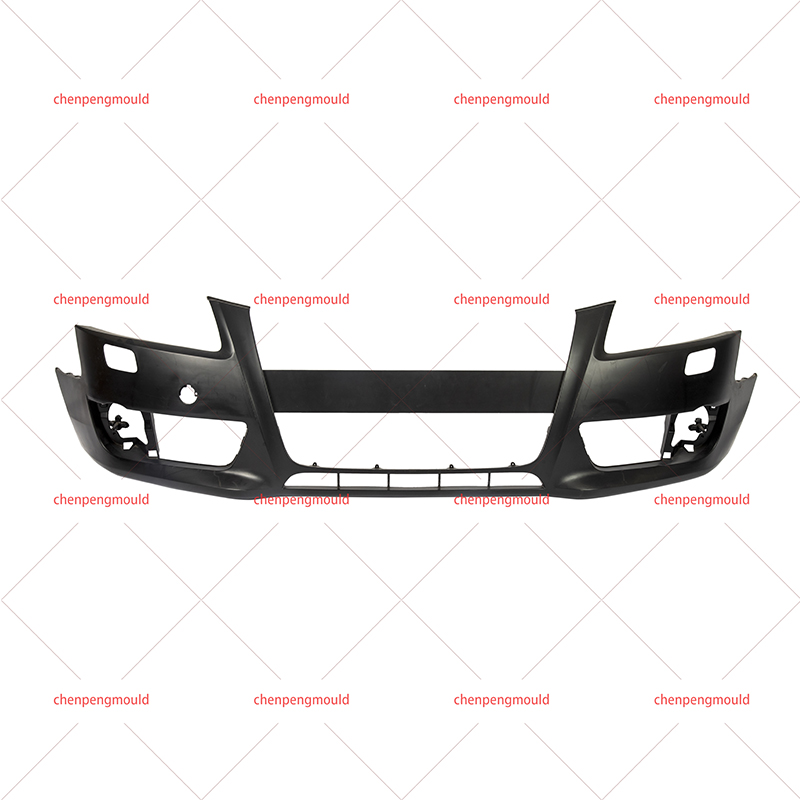
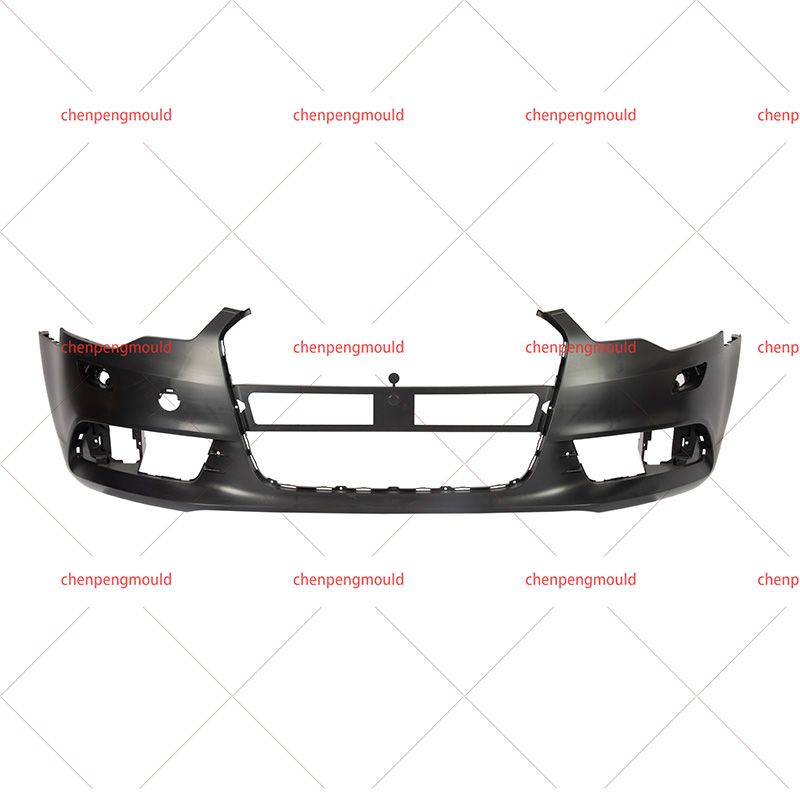
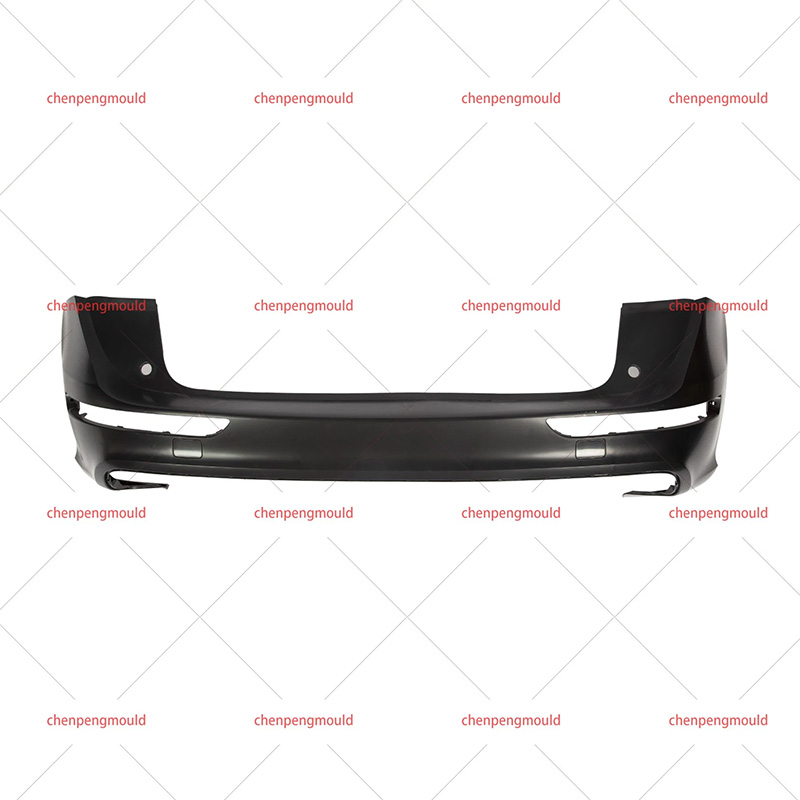
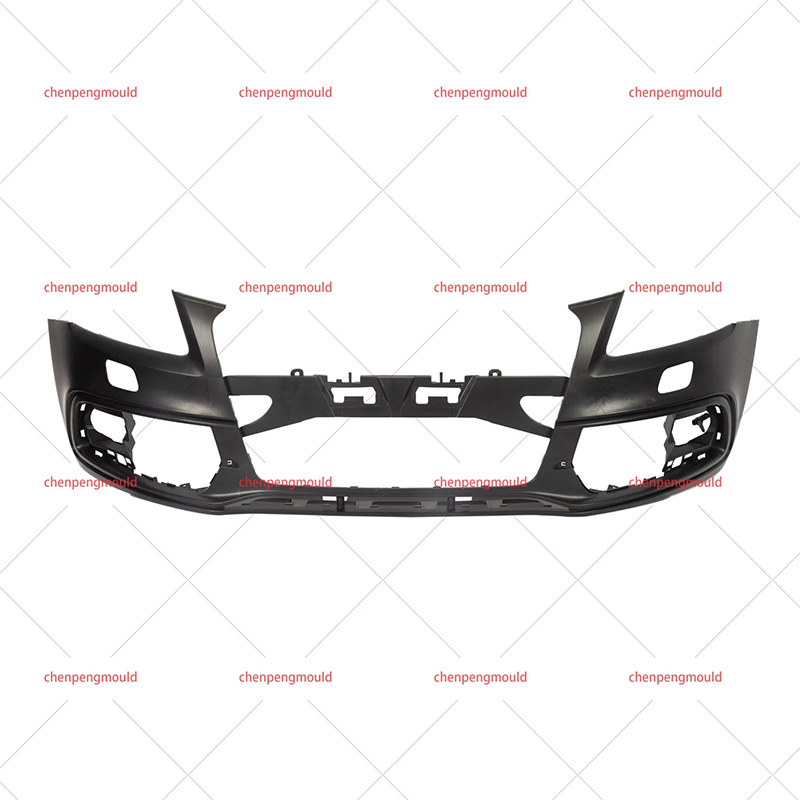
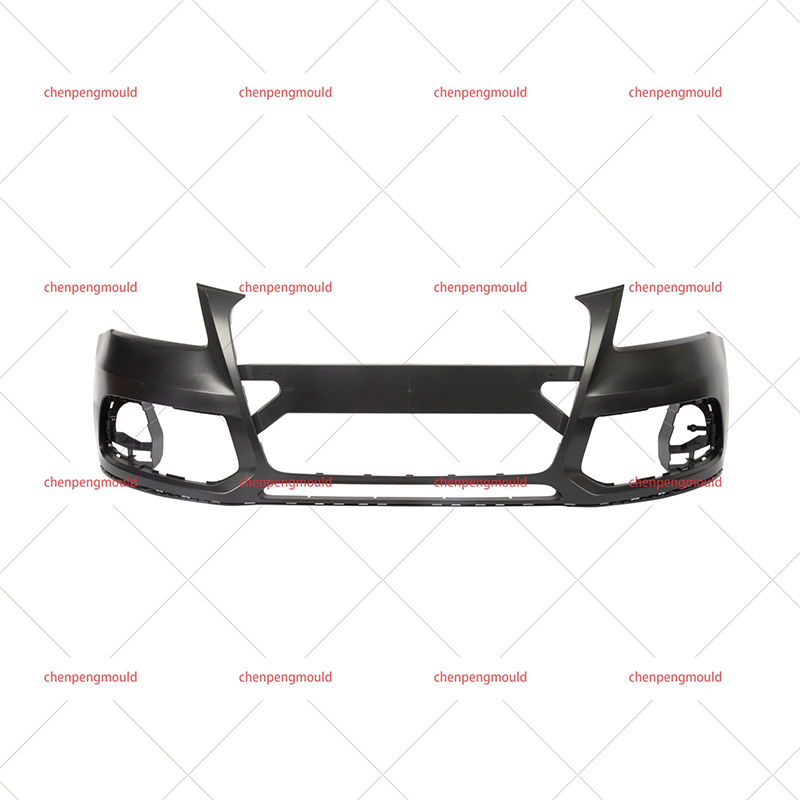
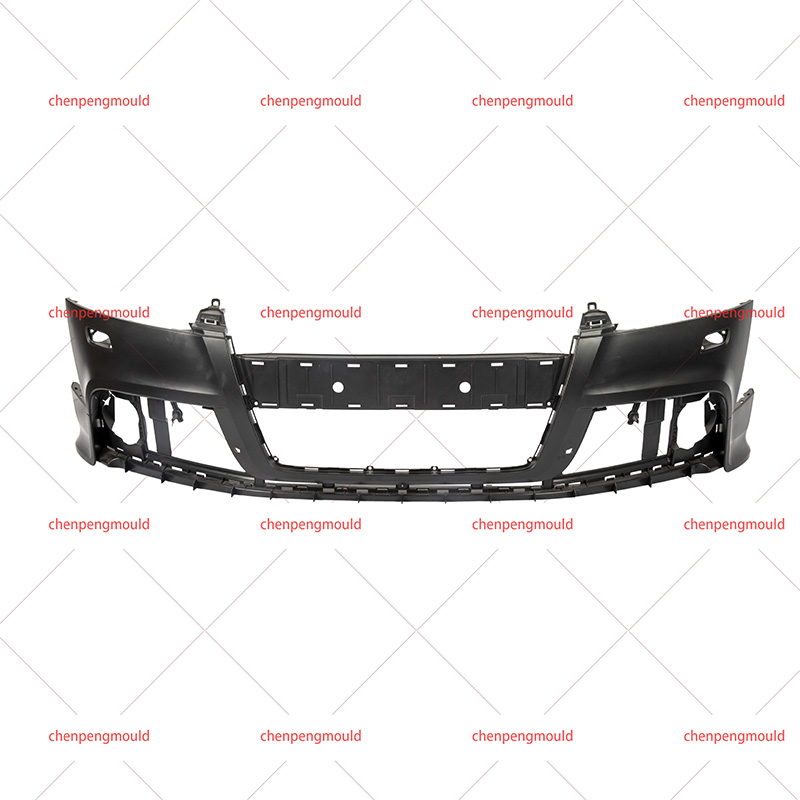
A modern custom automotive plastic mold needs to support:
- Complex curved surfaces for aerodynamic exterior parts
- Integrated clips, brackets, and mounting structures
- Multi-functional components combining appearance and performance
- Rapid design changes during vehicle development
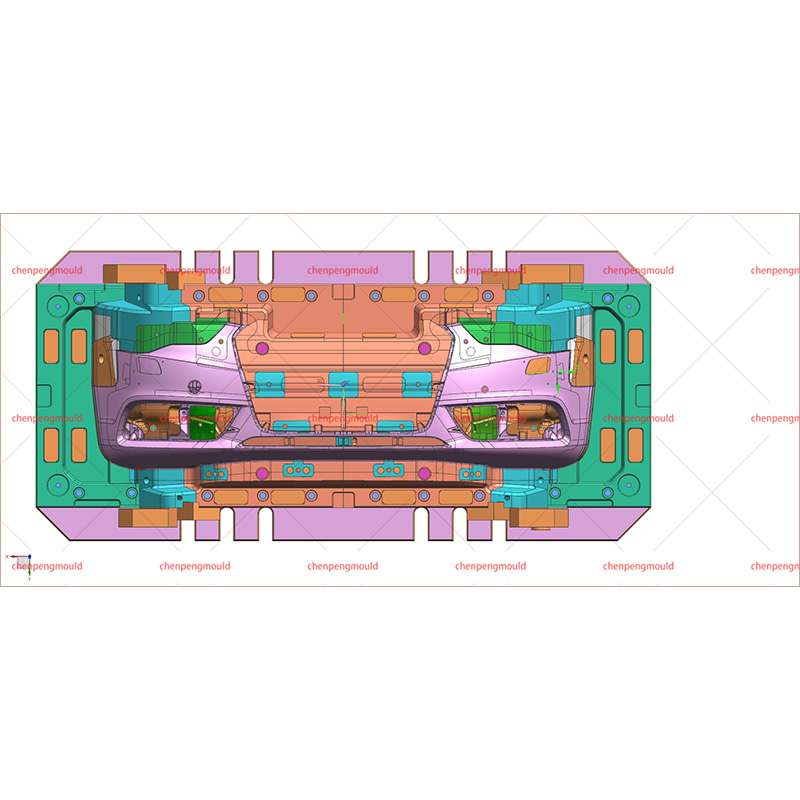
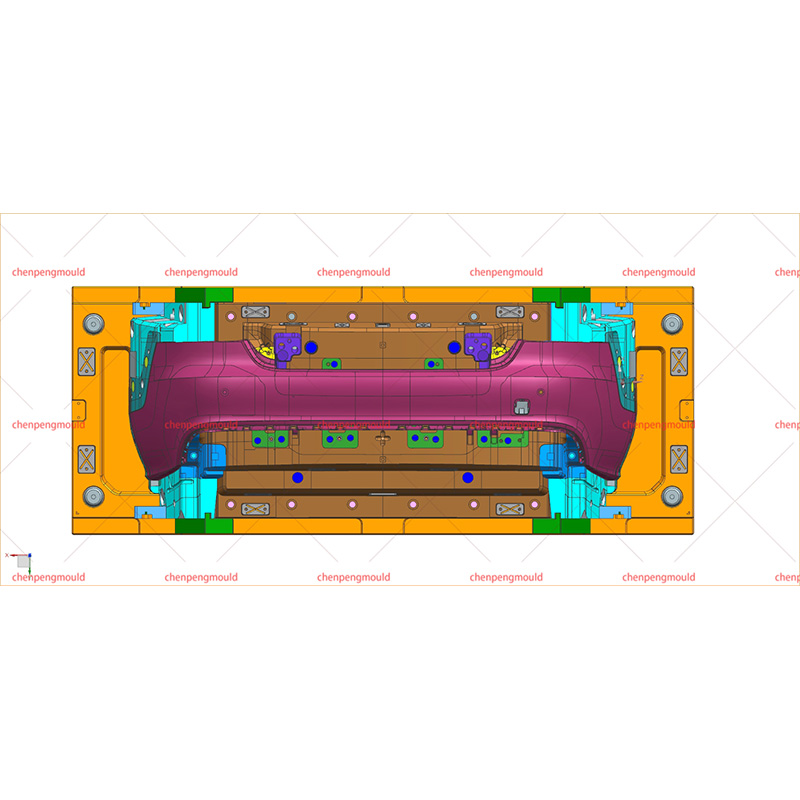
Advanced CAD modeling, mold flow analysis, and simulation tools allow engineers to evaluate filling behavior, cooling performance, and possible deformation before machining begins. This reduces design uncertainty and helps create molds suitable for complicated automotive applications.
2. Lightweight Materials Are Changing Automotive Plastic Mold Requirements
Weight reduction has become an important direction in vehicle engineering, especially with the growth of electric vehicles. Replacing certain metal components with reinforced plastics can reduce vehicle weight while maintaining strength and durability.
Common materials used with automotive plastic molds include:
- PP (Polypropylene): Used for interior panels, door trims, and lightweight structural parts due to its low density and chemical resistance.
- ABS (Acrylonitrile Butadiene Styrene): Suitable for dashboards, decorative panels, and components requiring good surface appearance.
- PC/ABS Alloy: Provides impact resistance and heat stability for electronic housings and premium interior applications.
- PA Reinforced Plastics: Applied in areas requiring higher mechanical strength and temperature resistance.
Because different polymers have different shrinkage rates, flow characteristics, and cooling behaviors, mold structures must be designed according to specific material properties. Proper gate placement, cooling channel layout, and steel selection directly influence the final part quality.
3. Precision Control Becomes Essential for Automotive Components
Next-generation vehicles include more sensors, electronic modules, and integrated functions. These applications require plastic parts with accurate dimensions and stable performance.
Typical precision requirements for automotive plastic molds include:
- Dimensional tolerance controlled within approximately ±0.05 mm for certain precision components
- High-quality mold steel such as P20, H13, or S136 depending on production needs
- Optimized cooling systems to reduce warpage
- Surface finishing options including texture, polishing, and special coatings
For visible automotive components, appearance quality is also a critical factor. Parts such as instrument panels, center consoles, and exterior trims require smooth surfaces without flow marks, sink marks, or visible defects.
4. Electric Vehicles Create New Opportunities for Plastic Mold Applications
The rise of electric vehicles has expanded the role of plastic components beyond traditional interior and exterior applications. New vehicle architectures require lightweight battery-related parts, charging system housings, thermal management components, and electrical protection structures.
Automotive plastic molding technologies are increasingly used for applications involving reinforced polymers, flame-resistant materials, and integrated designs. Multi-material molding and overmolding processes also allow manufacturers to combine rigid plastics with soft-touch materials in a single component.
Examples of EV-related plastic mold applications include:
- Battery module covers and protective housings
- High-voltage connector components
- Lightweight interior structures
- Sensor and electronic device enclosures
5. Smart Manufacturing Is Redefining Mold Development
The future of automotive mold production is closely connected with digital technology. Virtual testing, automated inspection, and data-based process monitoring are becoming important tools for improving mold reliability.
Digital technologies applied to automotive plastic mold development include:
- 3D Mold Simulation: Predicts material flow, air traps, and possible defects before production.
- Digital Mold Design: Enables faster modification of complex automotive components.
- Automated Inspection: Uses measurement systems to check dimensional accuracy.
- Data Monitoring: Helps analyze molding conditions during production.
These technologies allow engineers to create molds that match increasingly complicated vehicle requirements while maintaining stable production performance. Industry research also highlights the growing adoption of digital manufacturing, advanced polymers, and simulation technologies in automotive injection molding.
6. Surface Design and User Experience Are Becoming More Important
Vehicle buyers now expect interiors with premium appearance, comfortable touch, and personalized design elements. Plastic parts are no longer viewed only as functional components; they are also part of the overall driving experience.
Modern interior mold applications often include:
- Soft-touch dashboard components
- Decorative trim panels
- Integrated ambient lighting structures
- Ergonomic storage and control components
Processes such as two-shot molding, in-mold decoration, and textured mold surfaces provide more possibilities for automotive designers. These methods help create visually attractive components while reducing assembly complexity.
7. What Makes a Future-Ready Automotive Plastic Mold?
A mold designed for next-generation vehicles requires a combination of engineering accuracy, material knowledge, and design adaptability. Important characteristics include:
- Advanced Design Capability: Ability to handle complex geometries and multifunctional parts.
- Material Compatibility: Support for engineering plastics, reinforced polymers, and new composite materials.
- Precision Engineering: Stable dimensions and reliable performance during repeated molding cycles.
- Future Adaptability: Easy modification for new vehicle platforms and changing market demands.
The answer to whether Custom Automotive Plastic Mold technology is ready for next-generation vehicle designs is closely connected with continuous innovation. Modern vehicles require molds that can support lightweight materials, complex structures, smart features, and advanced surface designs.
As automotive manufacturers continue developing electric and intelligent vehicles, plastic molds will play a larger role in shaping future transportation. The combination of precision engineering, digital technologies, and innovative materials will help create automotive components that meet higher expectations for design, performance, and reliability.
 +86-18357617666