

 عربى
عربىAutomotive bumpers are designed not only to enhance vehicle appearance but also to contribute to impact energy management. Although front and rear bumpers may look similar from the outside, their structural requirements, load conditions, and functional targets are different.
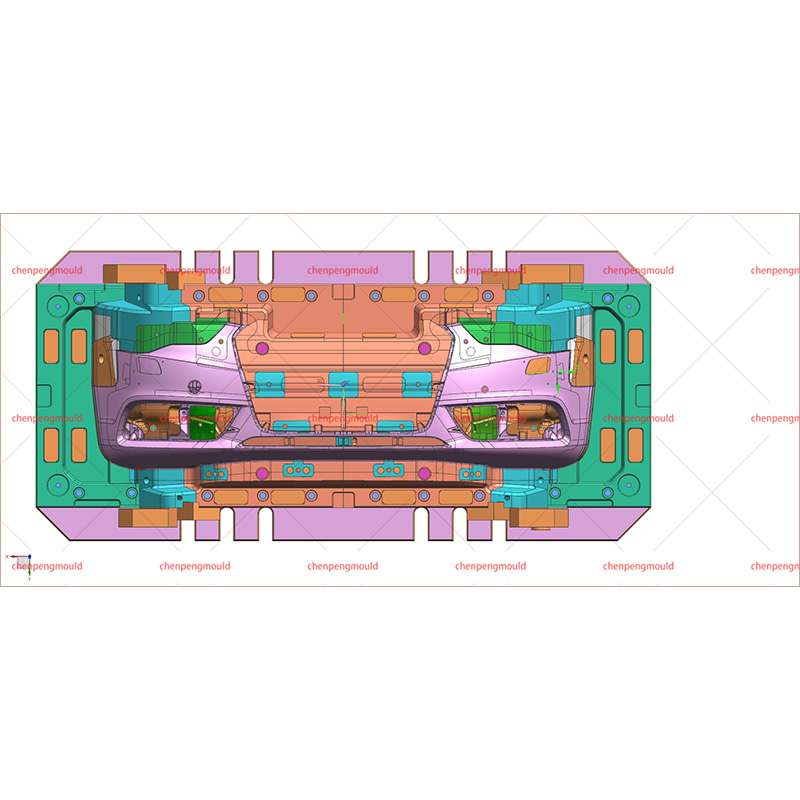
The design differences between front and rear bumper systems directly influence how impact forces are distributed during collisions. A properly developed Plastic Injection Front/Rear Bumper Mould needs to consider material flow, wall thickness, reinforcement structures, mounting points, and deformation behavior to achieve reliable performance. Automotive engineering studies have shown that bumper system development requires analysis of impact conditions, deformation energy, and structural load distribution rather than focusing only on exterior shape.
Why Front and Rear Bumpers Have Different Structural Requirements
The front and rear areas of a vehicle experience different collision scenarios. Front bumpers commonly deal with frontal impacts involving obstacles, other vehicles, or pedestrian protection requirements. Rear bumpers mainly handle impacts from behind, parking collisions, and low-speed contact situations.
These different requirements influence mould design and part structure:
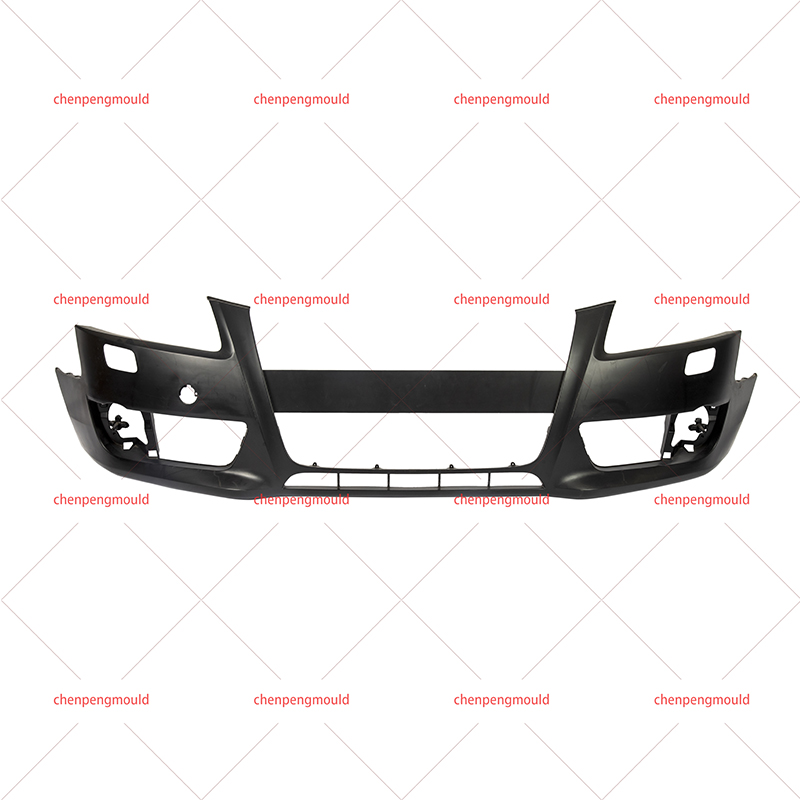
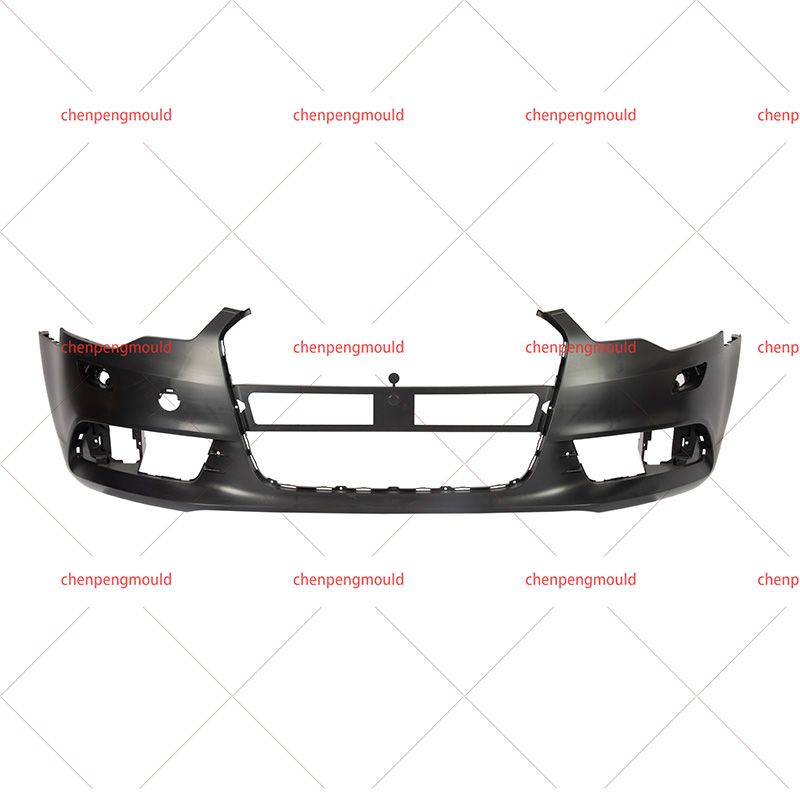
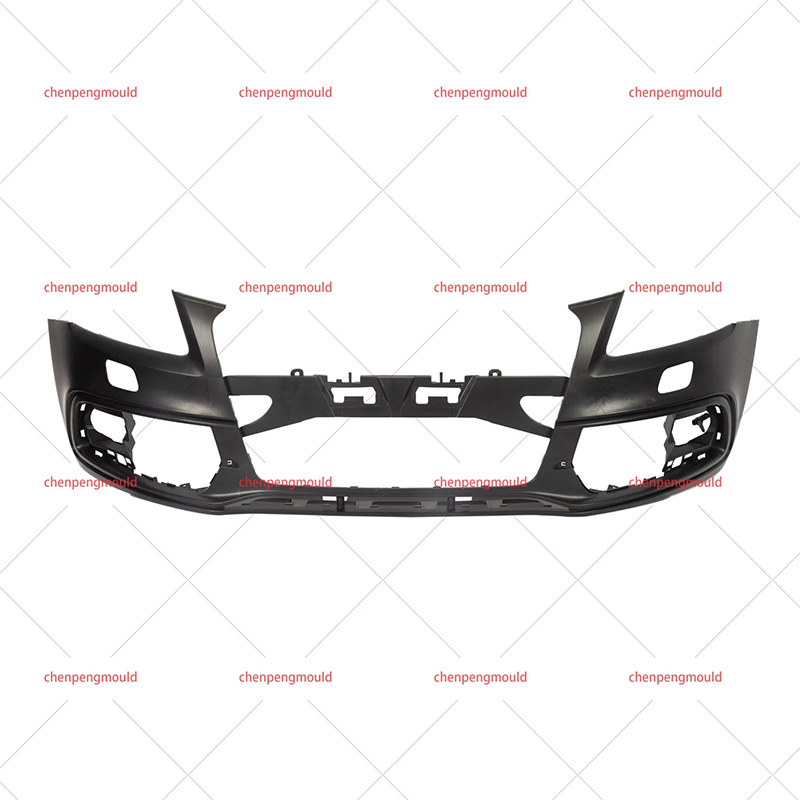
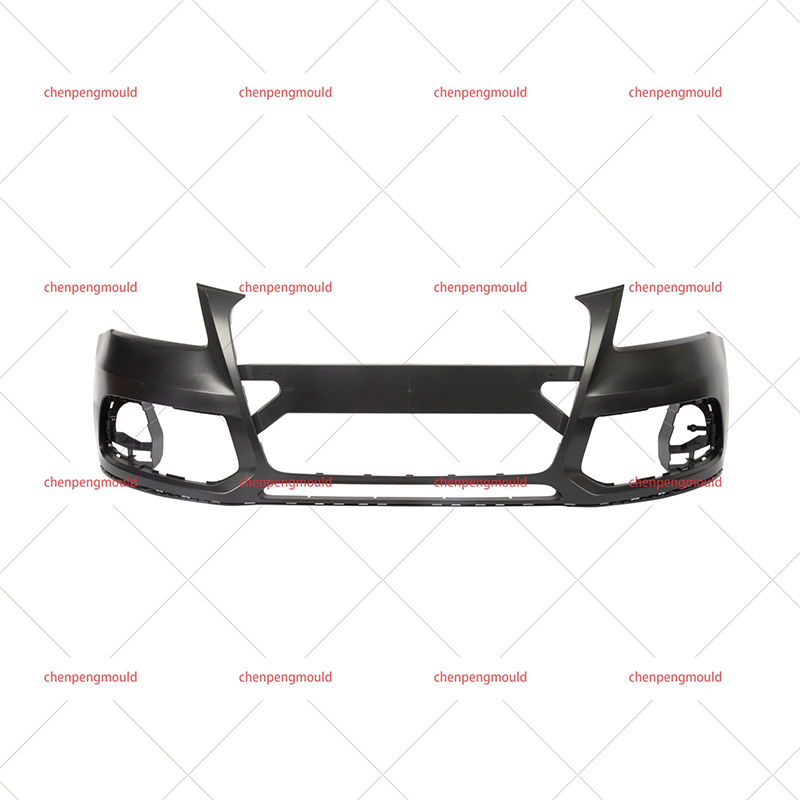
- Front bumper mould design often focuses on energy absorption, airflow management, grille integration, and sensor installation.
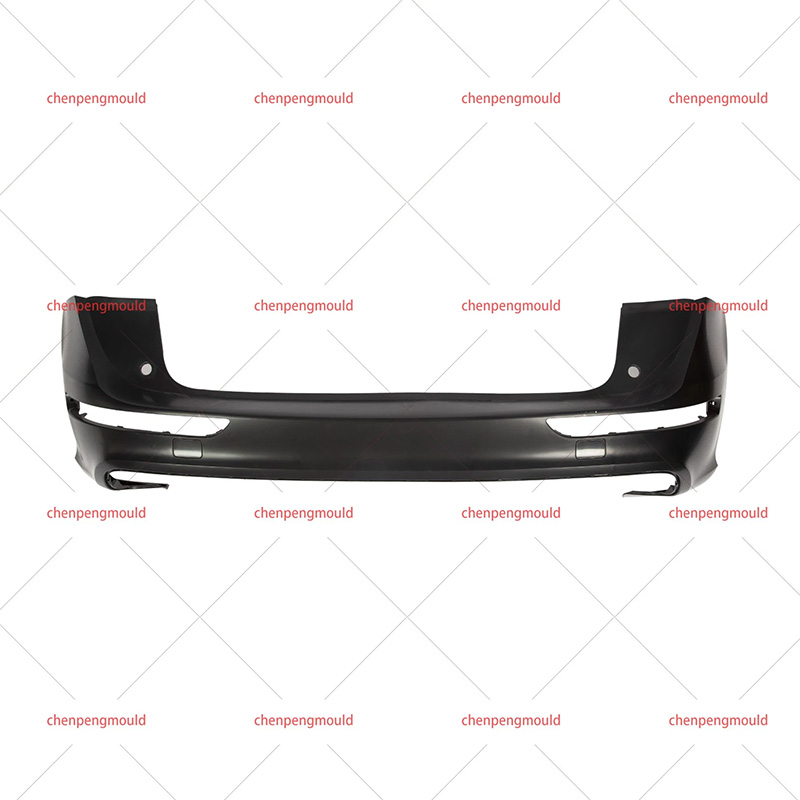
- Rear bumper mould design usually emphasizes rear panel protection, towing structure compatibility, and low-speed impact resistance.
Engineering research on bumper systems shows that front impact development involves controlling deformation sequences and protecting internal vehicle structures during different crash conditions.
Front Bumper Mould Design Factors Affecting Crash Behavior
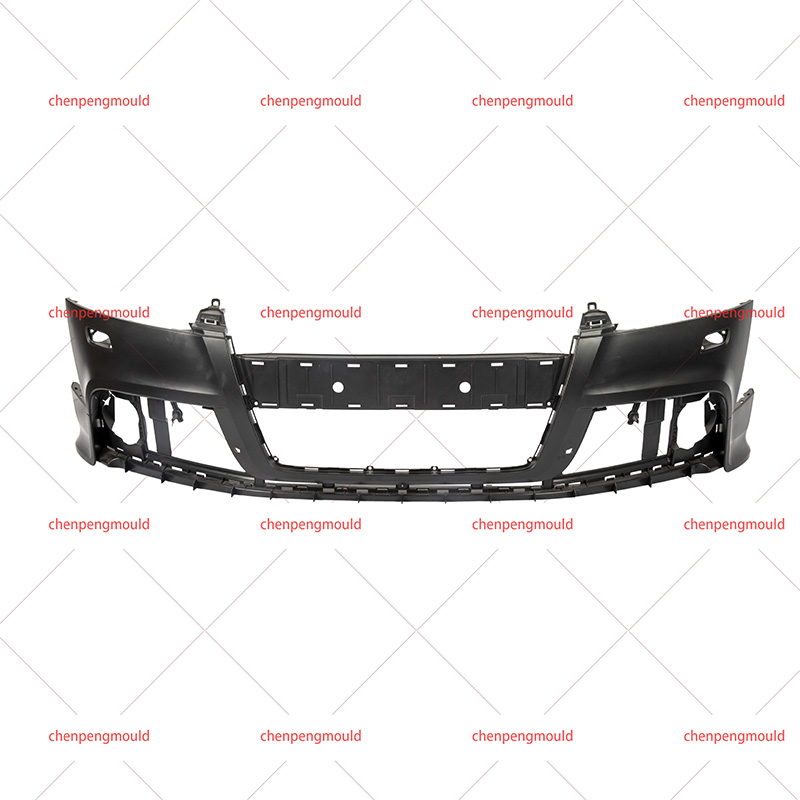
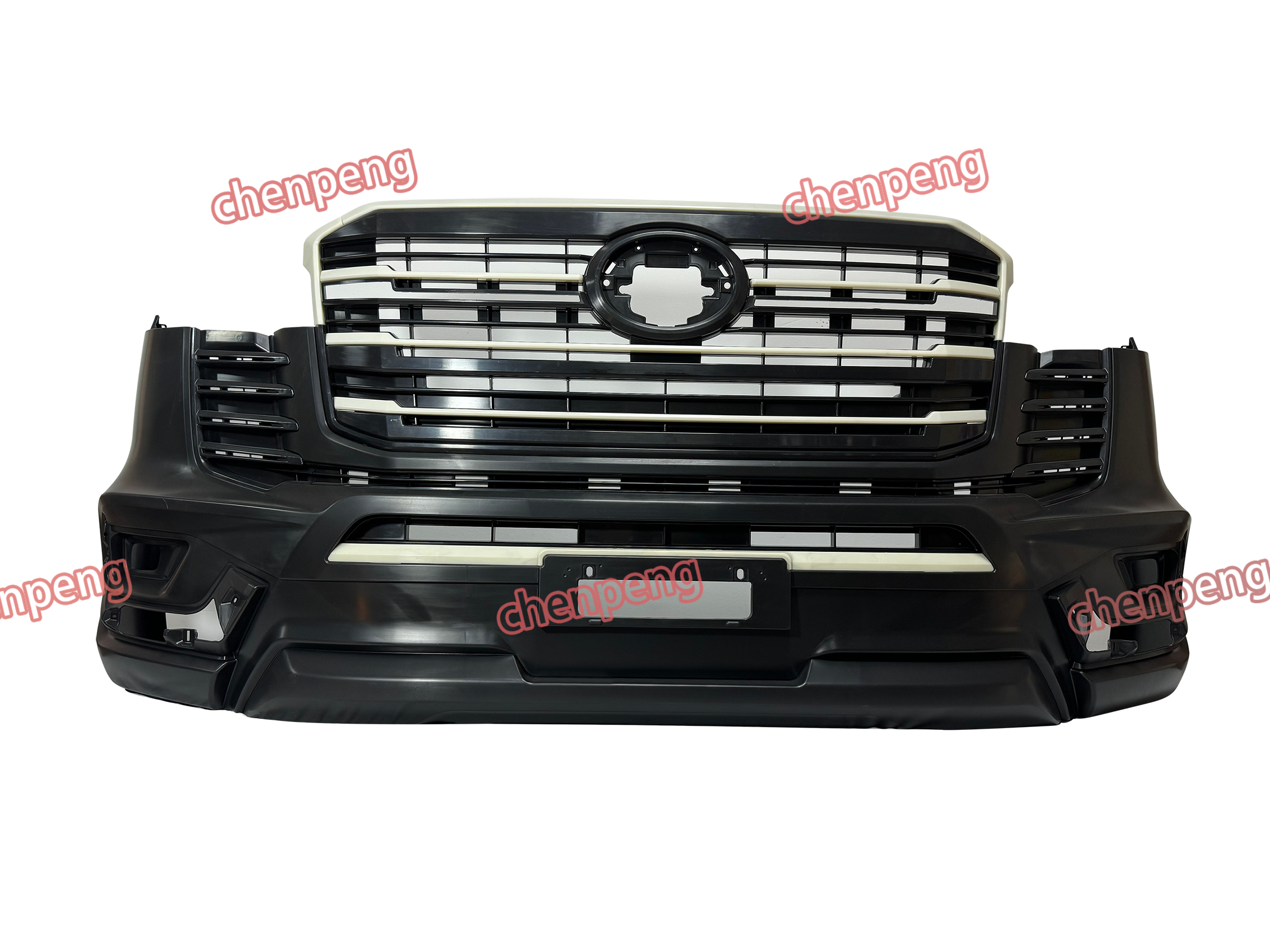
The front bumper assembly contains many integrated components, including grille openings, air ducts, radar mounting areas, and reinforcement structures. These features make front bumper mould development highly complex.
Important design considerations include:
- Impact energy distribution – The bumper structure should help spread collision forces across suitable areas.
- Controlled deformation – Plastic components need to deform in a predictable way rather than fracture suddenly.
- Sensor compatibility – Modern vehicles require accurate positions for radar and parking sensors.
- Lightweight construction – Material reduction must balance weight targets and structural requirements.
A front bumper system developed through injection molding can achieve structural performance through optimized geometry and material distribution. Simulation methods such as finite element analysis are commonly used to evaluate impact behavior before production.
Rear Bumper Mould Design Has Different Priorities
Rear bumper structures usually experience different impact patterns compared with front sections. Low-speed collisions, parking impacts, and rear-end contact situations require a different balance between flexibility and protection.
A rear bumper mould typically requires attention to:
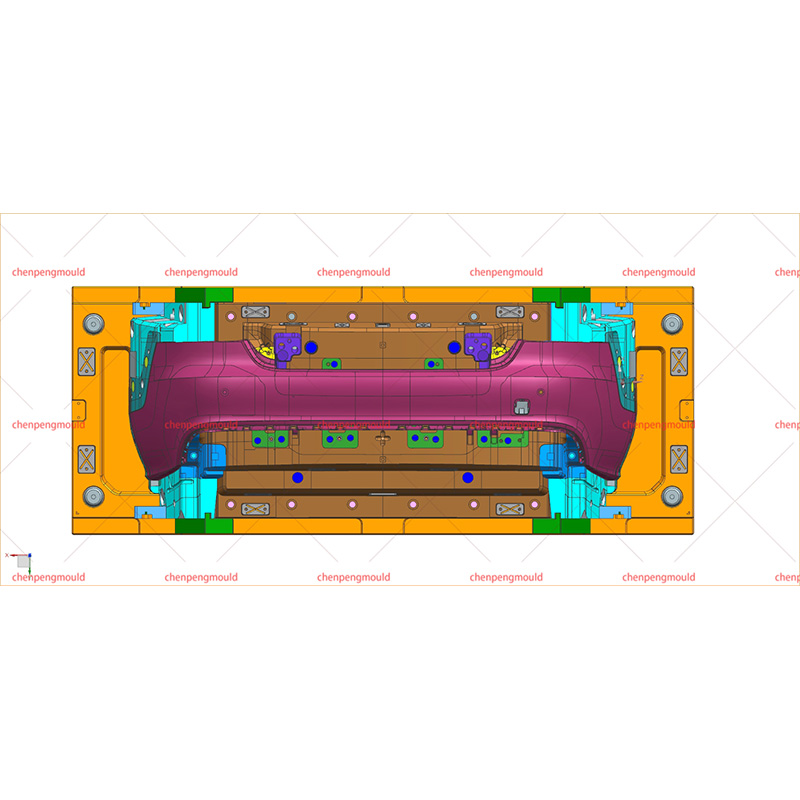
- Large thin-wall structure control – Rear bumper covers often have wide surfaces that require stable filling and cooling during molding.
- Reinforcement area design – Internal ribs and mounting structures influence impact resistance.
- Rear accessory integration – Exhaust outlets, reflectors, cameras, and sensors require accurate positioning.
Studies on injection-molded thermoplastic rear bumper systems have demonstrated that integrated bumper designs can provide impact protection while reducing weight through optimized structural layouts.
How Mould Accuracy Influences Crash Performance
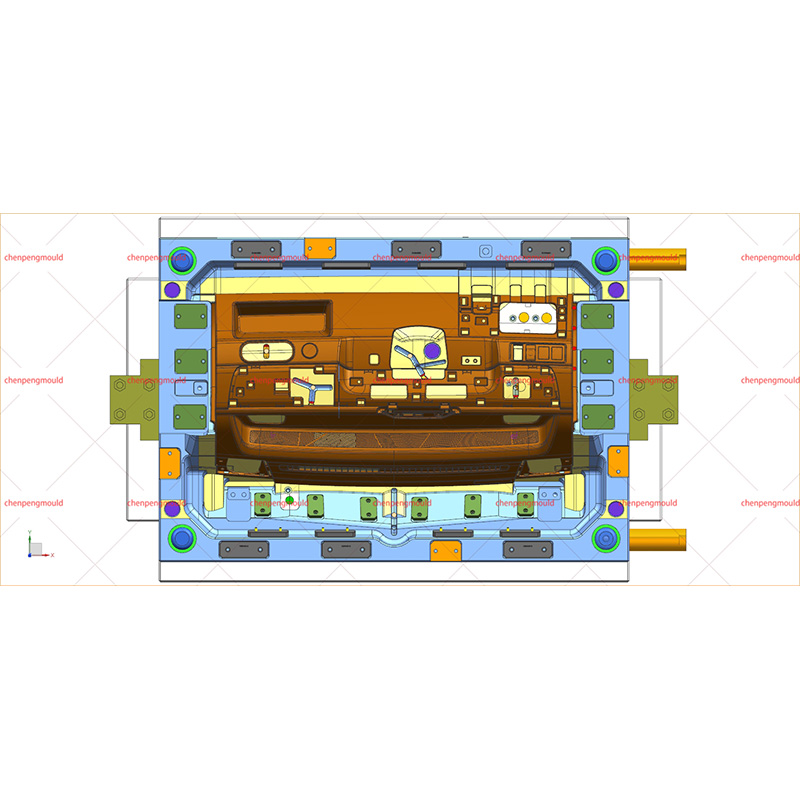
A bumper mould determines the final geometry of the plastic component. Small dimensional differences may influence how the bumper connects with reinforcement beams, brackets, and vehicle body structures.
Several mould-related factors can affect performance:
- Uneven wall thickness – Creates inconsistent stiffness across the bumper surface.
- Improper rib positioning – May weaken key support areas.
- Material flow imbalance – Can generate weld lines or internal stress zones.
- Dimensional deviation – May affect connection accuracy with other components.
For large automotive plastic parts, injection molding parameters and mould design must work together to maintain consistent part quality.
Material Selection Changes Between Front and Rear Applications
Most automotive bumper covers use thermoplastic materials because they offer a combination of impact resistance, flexibility, and lightweight characteristics. However, the specific formulation and reinforcement approach may vary depending on the application.
Common considerations include:
- Impact resistance – Important for absorbing collision forces without brittle failure.
- Elastic recovery – Helps the bumper return closer to its original shape after minor impacts.
- Temperature stability – Maintains performance across different weather conditions.
Material behavior, part geometry, and impact conditions all influence bumper performance. Research into automotive bumper beams also highlights the relationship between material selection, structural shape, and impact response.
Why Front and Rear Moulds Cannot Simply Be Interchanged
Although front and rear bumper covers share similar manufacturing concepts, their mould structures are developed according to different vehicle requirements.
Key differences include:
- Different mounting locations and bracket systems
- Different reinforcement layouts
- Different surface styling requirements
- Different impact direction considerations
A front bumper mould usually contains more openings and integrated functional areas, while rear bumper moulds often require large continuous surfaces with different reinforcement strategies.
Simulation and Testing Before Mass Production
Automotive manufacturers normally evaluate bumper designs through digital analysis and physical testing before large-scale production. These processes help identify deformation patterns, stress concentration areas, and potential weaknesses.
Common evaluation methods include:
- 3D structural analysis
- Impact simulation testing
- Prototype fitting verification
- Dimensional inspection after molding
Computer-aided engineering has become an important part of bumper development because it allows engineers to optimize structural performance before physical validation.
Future Trends in Plastic Bumper Mould Development
Vehicle lightweight requirements and intelligent driving technologies continue to influence bumper design. Future bumper moulds need to support more integrated functions, including sensors, cameras, aerodynamic features, and new material combinations.
Advanced mould development will focus on:
- More accurate sensor positioning
- Improved material utilization
- Enhanced impact simulation methods
- More flexible production for different vehicle platforms
The differences between front and rear bumper moulds go far beyond appearance. A Plastic Injection Front/Rear Bumper Mould determines important factors such as structural accuracy, material distribution, and deformation behavior.
Front bumper systems generally focus on managing frontal impact energy and supporting advanced vehicle functions, while rear bumper systems emphasize rear protection and low-speed impact performance. Understanding these differences helps explain why bumper mould design is a key factor in vehicle safety engineering and production quality.

 +86-18357617666