

 عربى
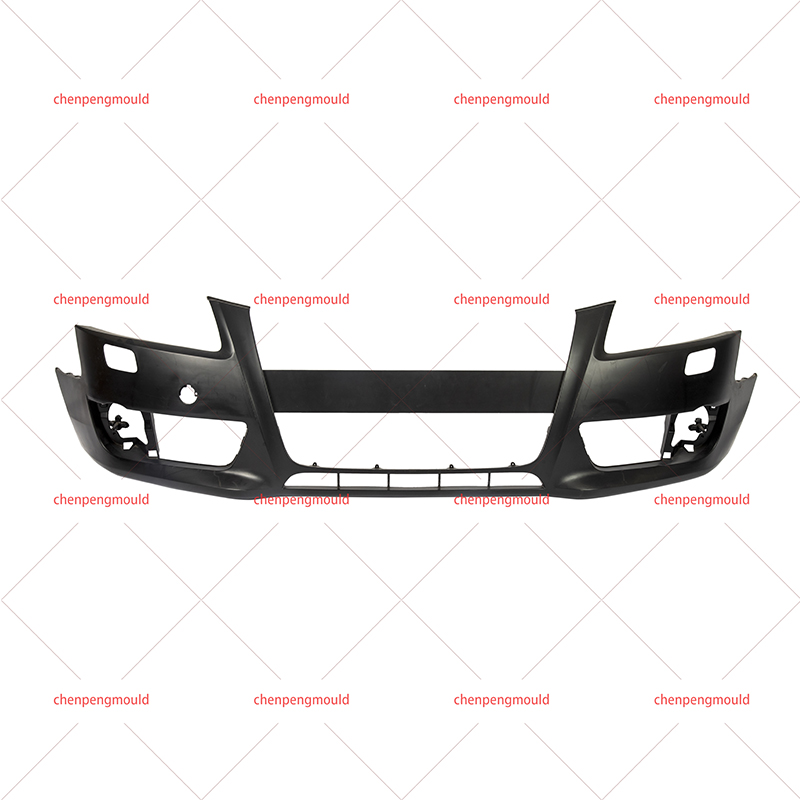
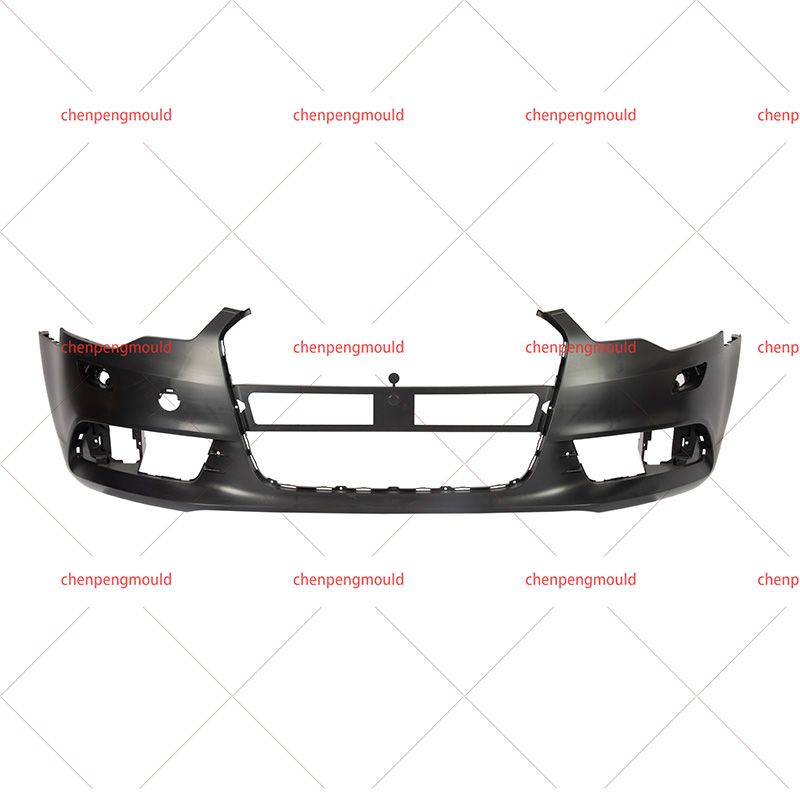
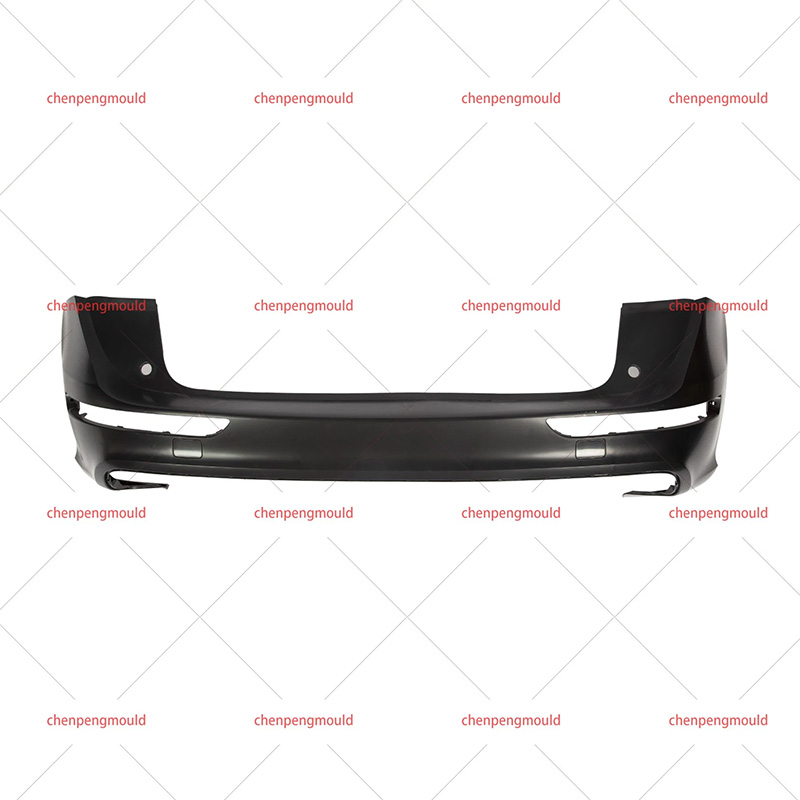
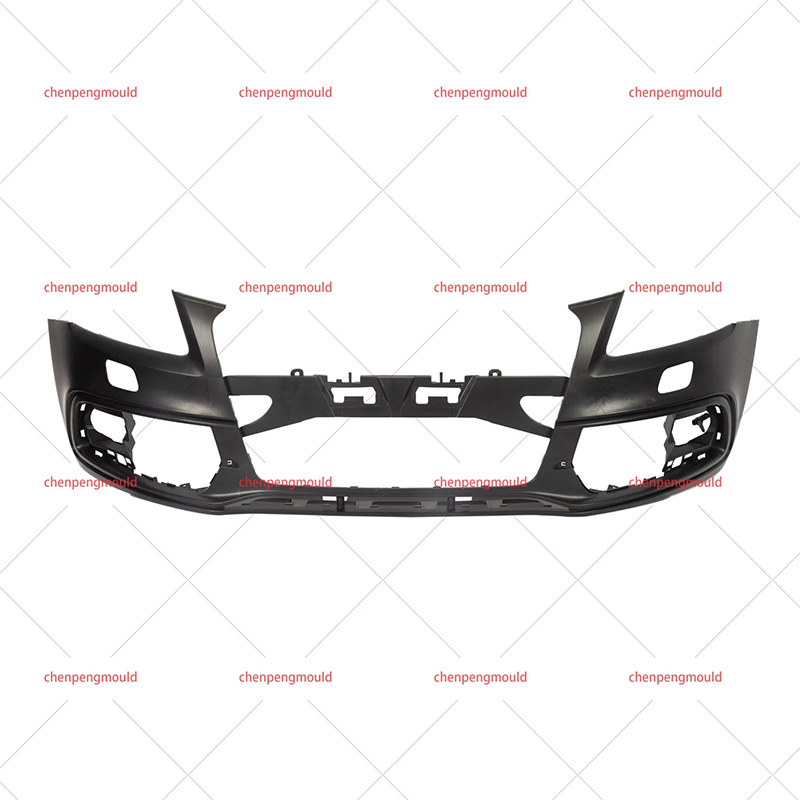
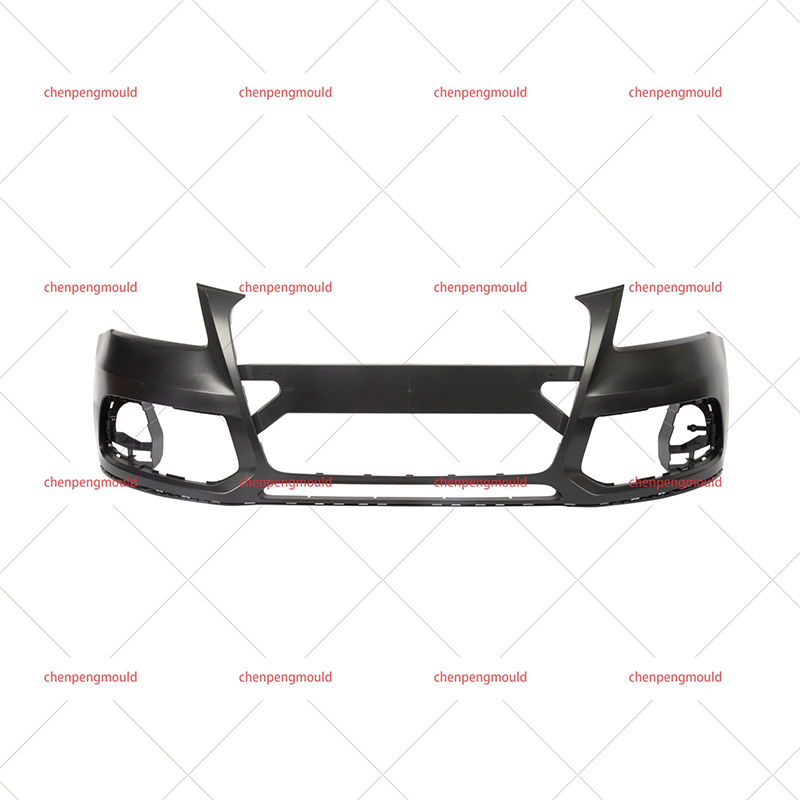
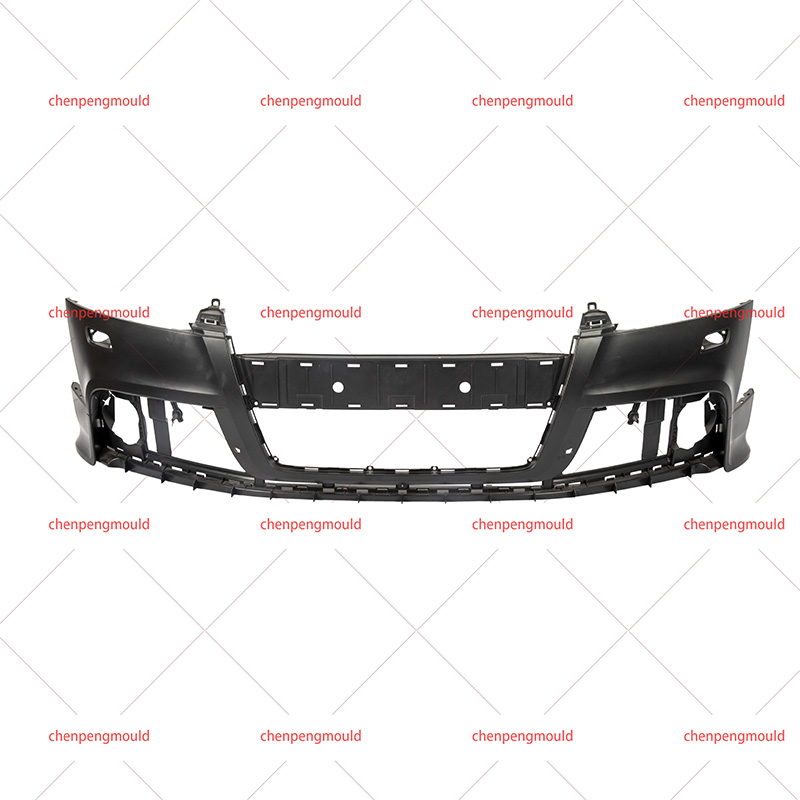
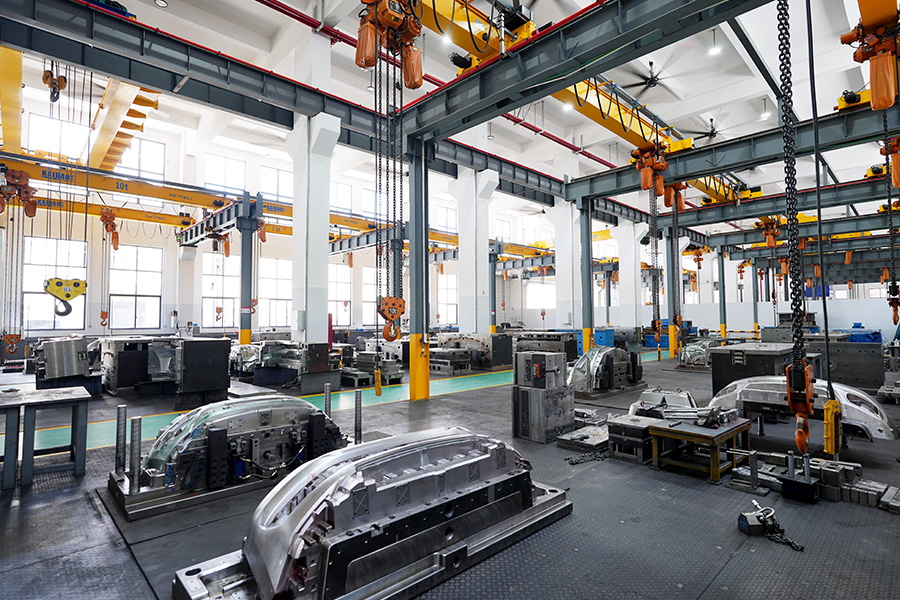
عربىA car bumper is no longer just a protective exterior component. Modern bumpers combine safety functions, aerodynamic design, sensor integration, and brand identity. Behind these complex structures, a Precision Car Bumper Injection Mold plays an important role in transforming digital vehicle concepts into high-quality plastic components.
The development of bumper molds has changed significantly over the past decades. Traditional tooling focused mainly on producing large plastic covers, while current automotive programs require advanced mold structures capable of handling curved surfaces, lightweight materials, integrated components, and strict appearance standards. The evolution of bumper mold technology reflects the changing expectations of modern vehicle design. Automotive injection molding continues to adopt advanced simulation, automation, and material technologies to meet these requirements.
The Changing Role of Automotive Bumpers
Earlier bumper designs mainly focused on impact protection and basic styling. Today, vehicle manufacturers expect bumpers to support multiple functions, including radar installation, camera positioning, airflow control, and lighting integration.
Modern bumper systems may include:
- Radar and sensor mounting areas for intelligent driving systems
- Air ducts that improve vehicle aerodynamic performance
- Integrated lighting structures and decorative elements
- Complex surface textures matching vehicle styling requirements
These changes require injection molds with higher structural complexity and better control of dimensional accuracy. A bumper mold must support large part sizes while maintaining stable molding conditions across the entire surface.
How Precision Engineering Shapes Bumper Mold Development
Large automotive bumper components present unique challenges because of their size, shape, and visual requirements. A small design error during mold development may create problems such as uneven shrinkage, surface defects, or assembly mismatch.
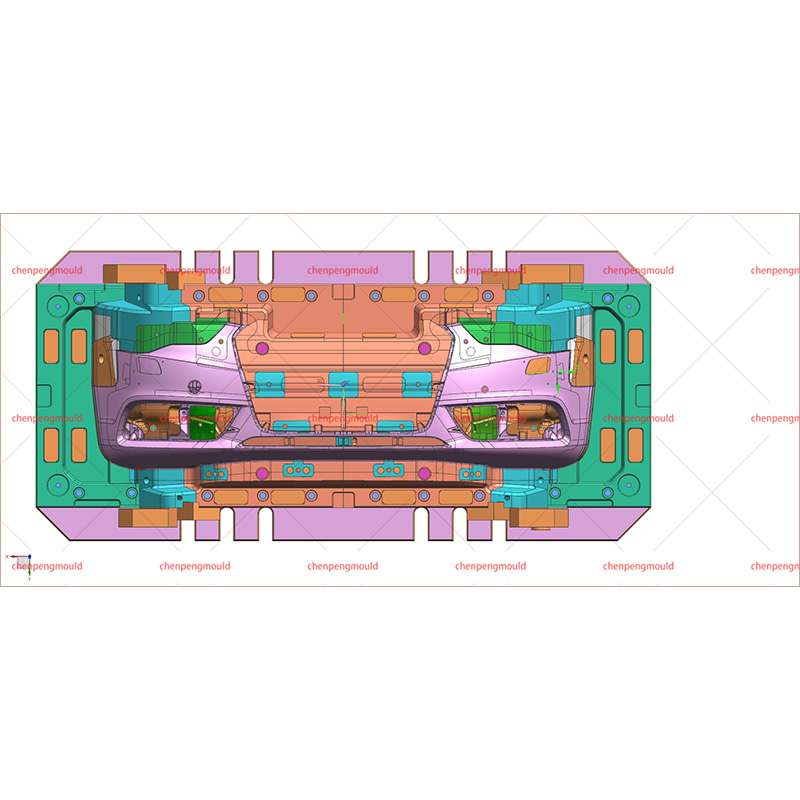
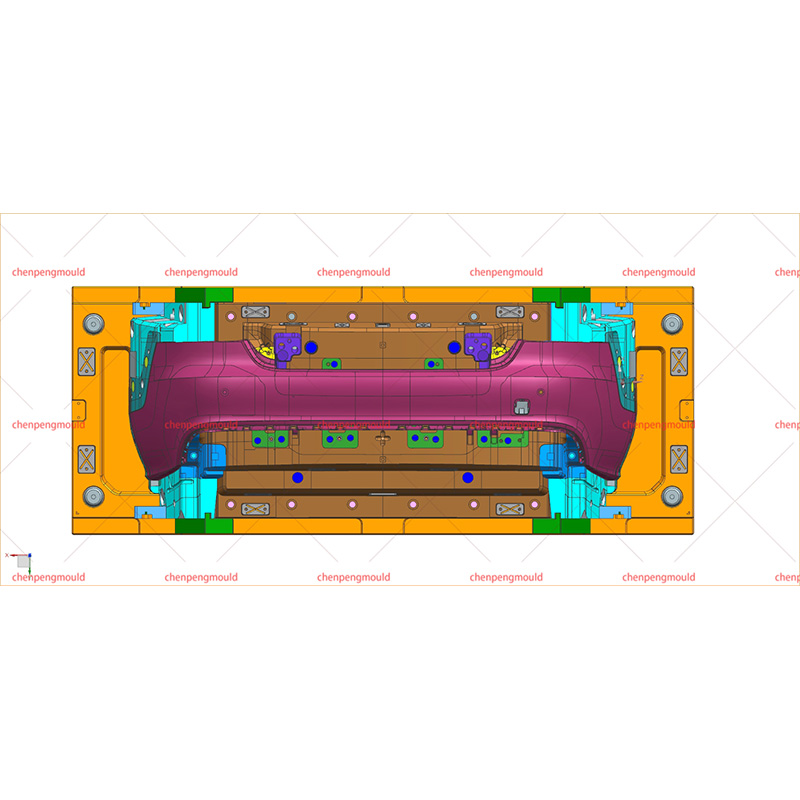
A modern Precision Car Bumper Injection Mold usually involves several advanced engineering processes:
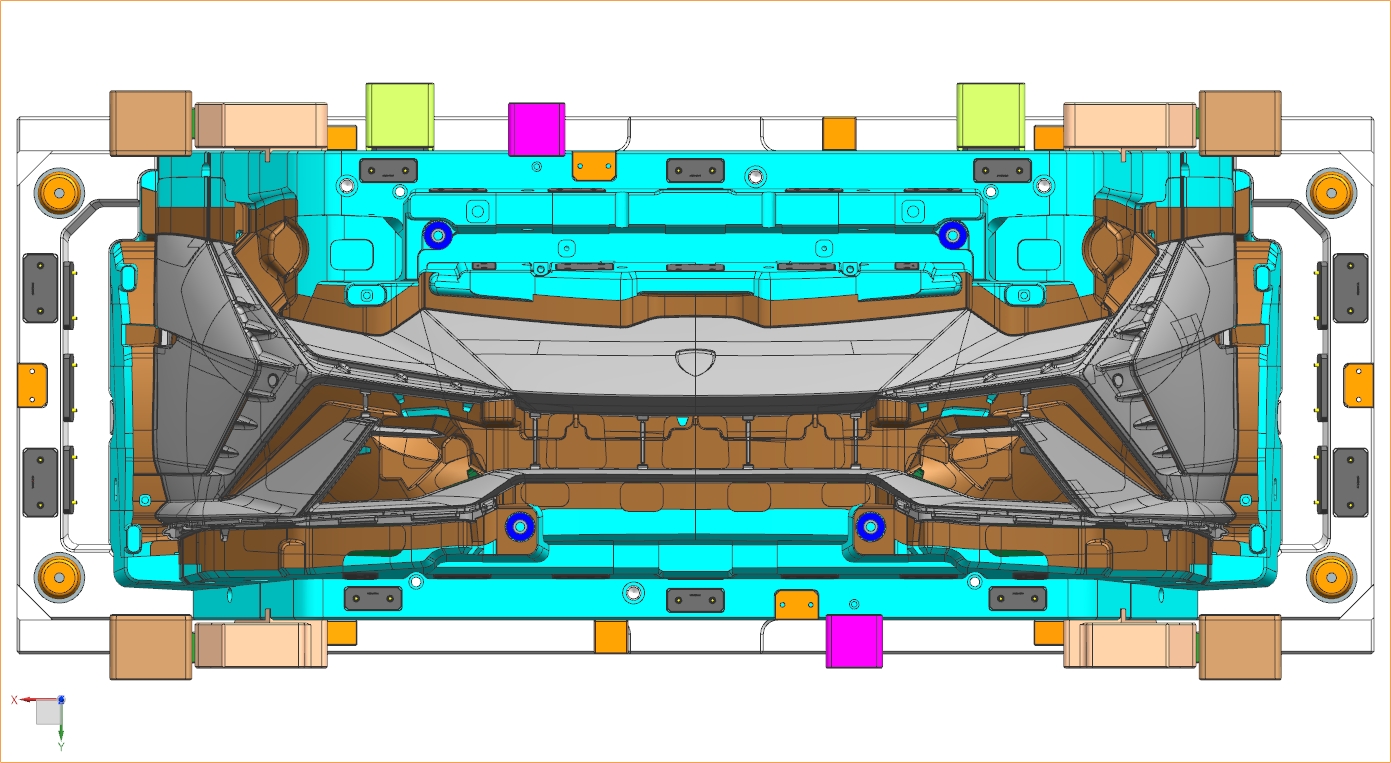
- 3D Mold Design: Engineers use digital models to analyze part structure, draft angles, sliders, and ejector systems.
- Mold Flow Analysis: Simulation software evaluates filling patterns, pressure distribution, weld line positions, and cooling behavior.
- Precision Machining: CNC machining and EDM processes create detailed cavity surfaces with tight dimensional control.
- Surface Finishing: Texturing and polishing processes help achieve the required appearance quality.
For large exterior parts, mold accuracy is often controlled within approximately ±0.05 mm depending on design requirements and production conditions. High-quality mold steel options such as P20, 718H, H13, and S136 are commonly considered according to expected service life and surface requirements.
Material Innovation Changes Bumper Mold Design
The development of new automotive materials has influenced how bumper molds are designed. Modern vehicles require plastics that combine low weight, impact resistance, durability, and appearance performance.
Common bumper materials include:
- PP (Polypropylene): Widely used because of its lightweight characteristics, chemical resistance, and balanced mechanical performance.
- PP+EPDM-T20: A reinforced polypropylene material that improves impact resistance and rigidity for exterior automotive applications.
- PC/ABS: Suitable for applications requiring stronger impact performance and better surface appearance.
Different materials have different shrinkage rates and flow characteristics. Mold designers must adjust gate locations, cooling systems, and cavity structures according to material behavior. This ensures that large bumper parts maintain consistent shape after molding.
Automotive bumper production commonly relies on injection molding because this process can create large, complex plastic components with stable quality and repeatable performance.
Advanced Gate Systems Improve Large Part Molding
One major challenge in bumper injection molding is controlling the flow of molten plastic through a large cavity. Poor flow balance can create visible weld marks, uneven filling, or deformation.
Advanced mold designs often include:
- Hot runner systems for controlled material delivery
- Sequential valve gate technology for balanced filling
- Optimized cooling channels for temperature control
- Multiple slider mechanisms for complex structures
Sequential valve gates allow engineers to control plastic flow timing at different injection points. This technology helps reduce visible flow marks and improves appearance quality on large exterior components.
Electric Vehicles Bring New Challenges to Bumper Molds
Electric vehicle development has created new requirements for bumper structures. Since EV models often feature unique front-end designs, closed grilles, integrated sensors, and aerodynamic solutions, bumper molds need greater adaptability.
New bumper applications may require:
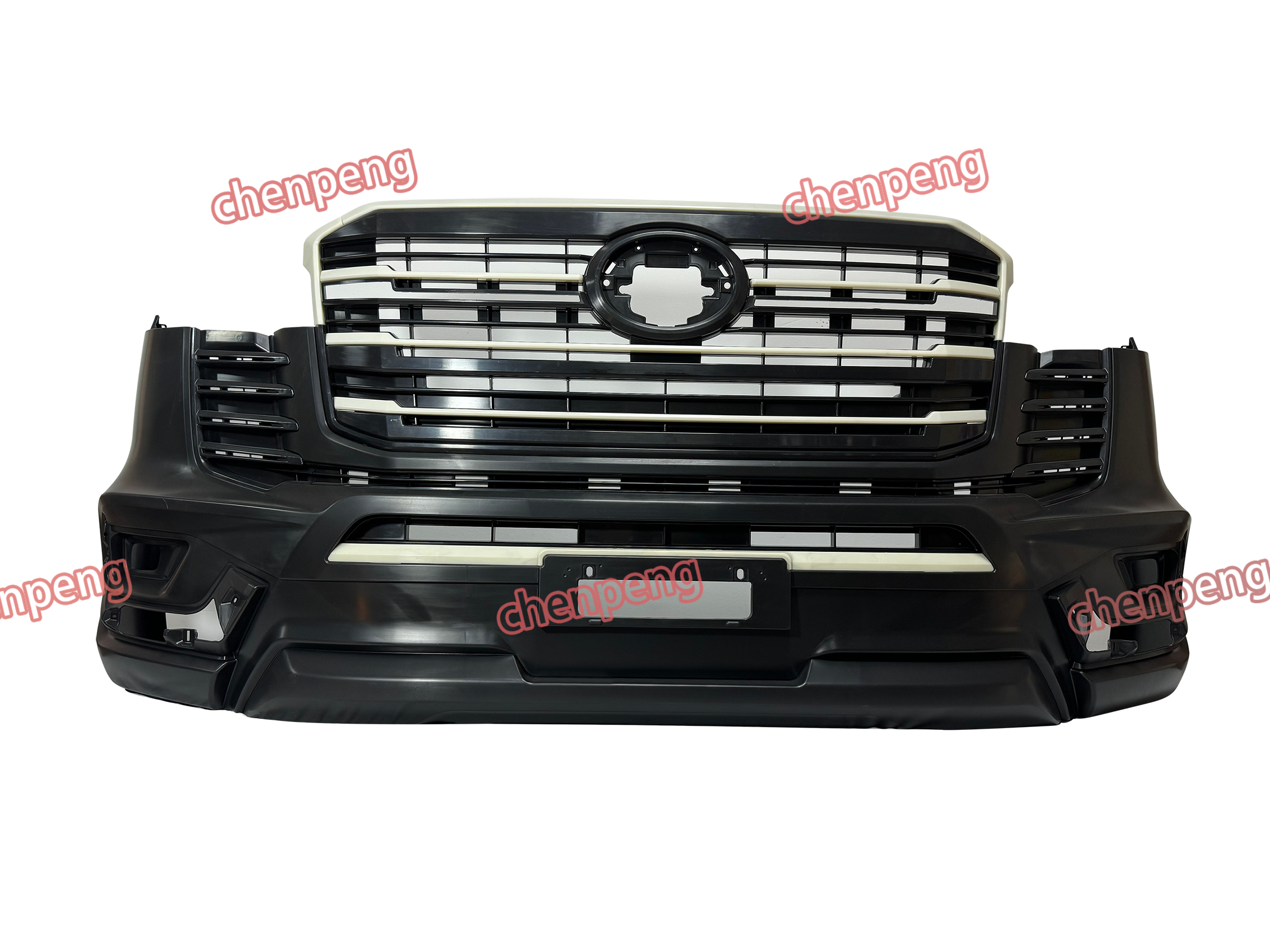
- Large integrated front fascia designs
- Sensor-friendly structures for autonomous driving systems
- Lightweight solutions supporting vehicle range improvement
- Decorative surfaces with advanced textures
These trends are pushing mold designers to develop solutions that combine mechanical performance with sophisticated appearance requirements. Industry discussions highlight that automotive exterior components are becoming more multifunctional, especially with EV platforms and intelligent vehicle technologies.
Digital Technologies Accelerate Bumper Mold Innovation
Digital tools are changing the traditional mold development process. Engineers can now analyze potential problems before physical production through virtual simulation and digital verification.
Key digital technologies include:
- CAE Simulation: Predicts filling performance and identifies possible molding risks.
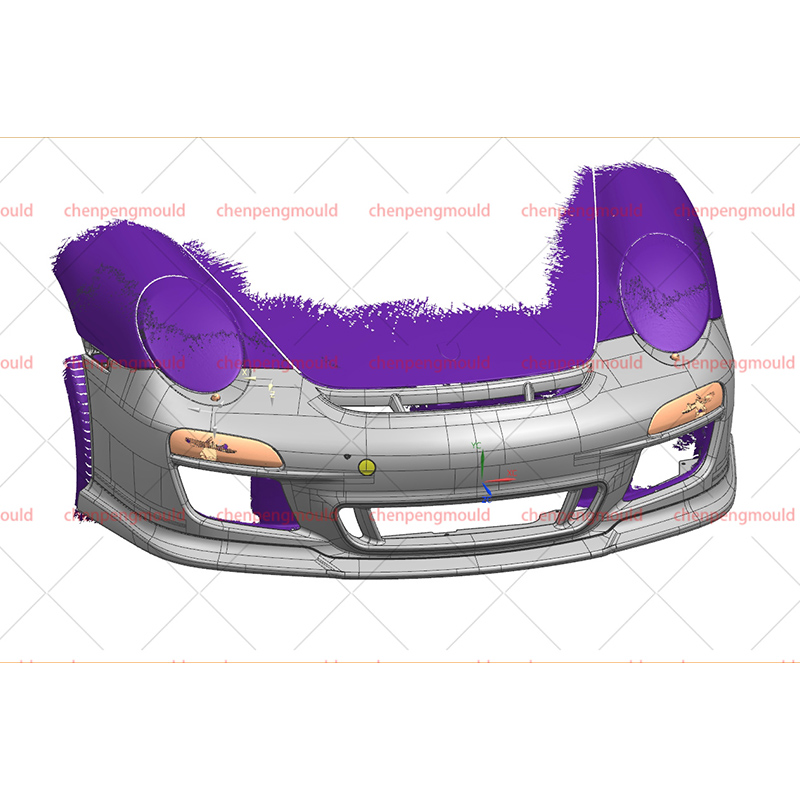
- 3D Scanning: Helps compare molded samples with original design data.
- Automated Measurement: Checks dimensional accuracy during inspection processes.
- Digital Data Management: Supports faster communication between design and production teams.
Future Directions of Precision Bumper Mold Technology
The future of bumper mold development will focus on balancing design freedom, material performance, and manufacturing reliability. Vehicle manufacturers are looking for molds that can support new styling concepts while maintaining stable production results.
Several trends are shaping the next stage of bumper mold technology:
- Greater use of lightweight composite materials
- More integrated exterior components
- Higher demand for customized vehicle designs
- More intelligent mold monitoring systems
The evolution of the Precision Car Bumper Injection Mold reflects the transformation of the automotive industry itself. From simple protective covers to multifunctional exterior systems, bumper components now require advanced engineering, accurate tooling, and innovative manufacturing methods.
As vehicles continue moving toward electrification and intelligent technologies, precision bumper molds will remain an important foundation for creating safer, lighter, and more attractive automotive designs. The combination of advanced materials, digital simulation, and precision manufacturing will continue shaping the next generation of automotive exterior components.
 +86-18357617666