

 عربى
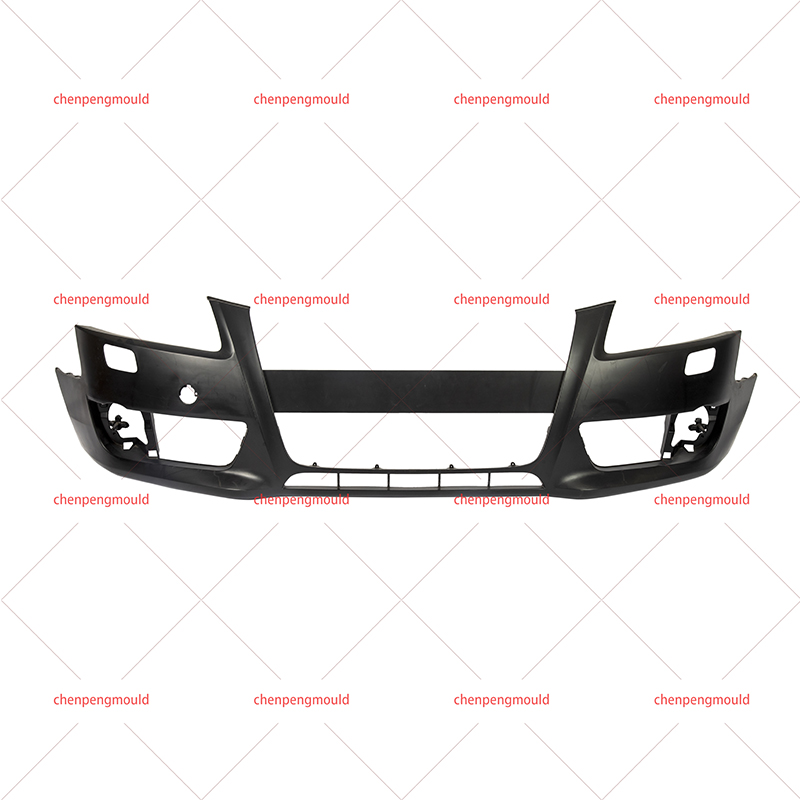
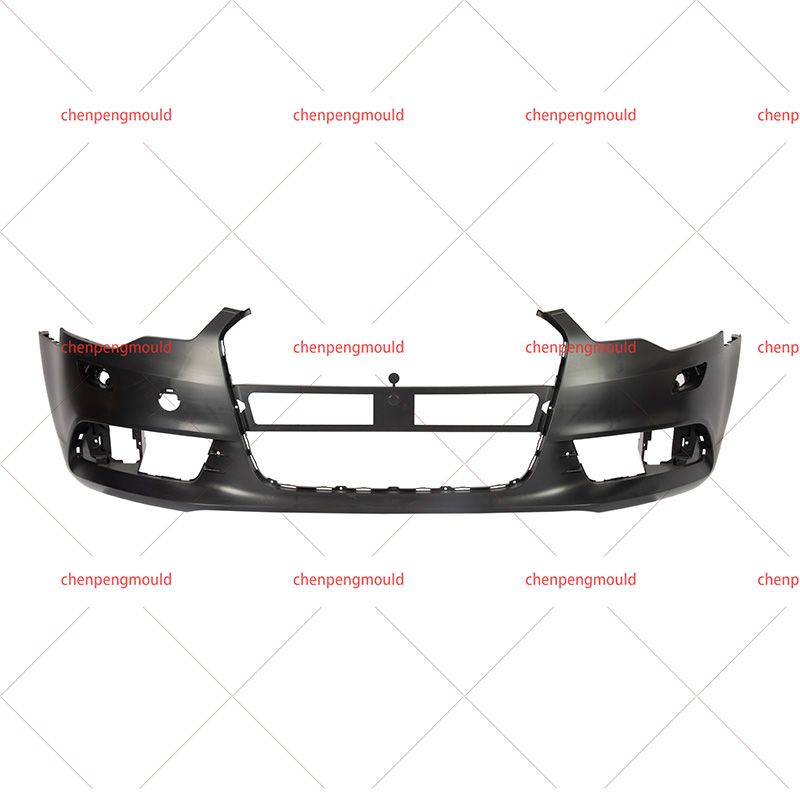
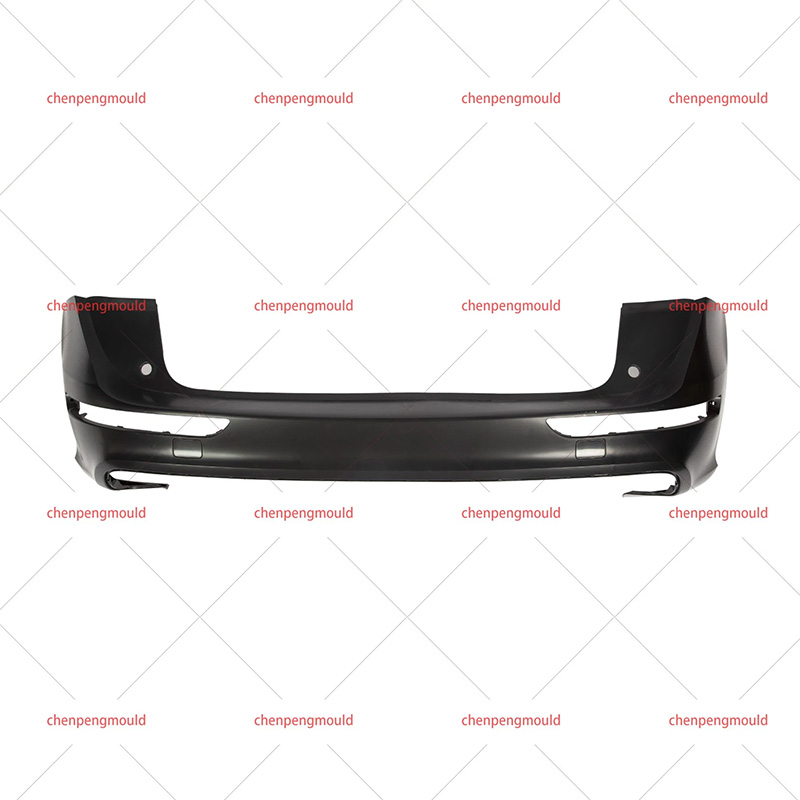
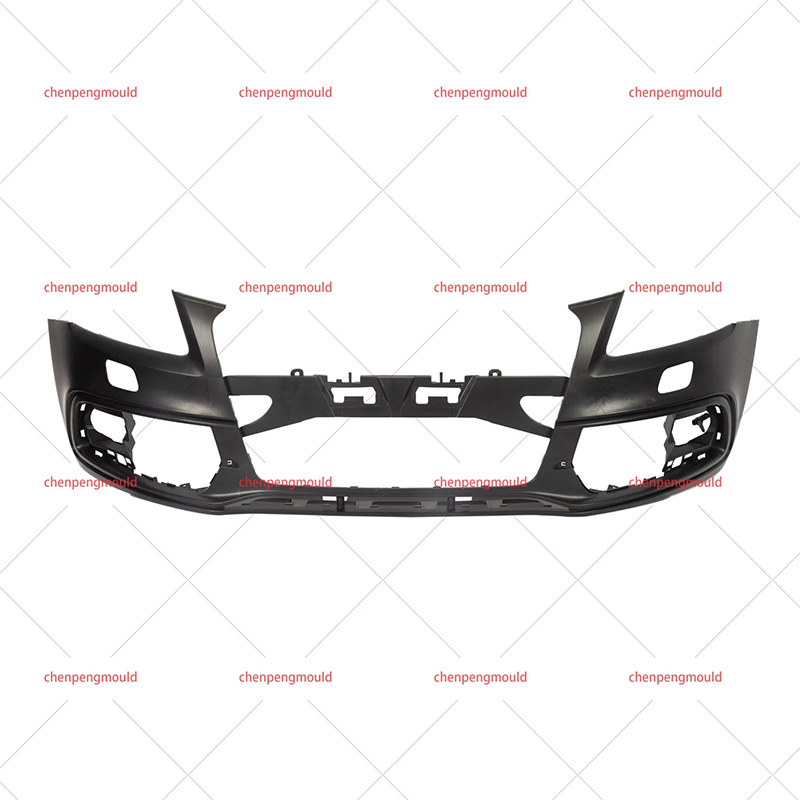
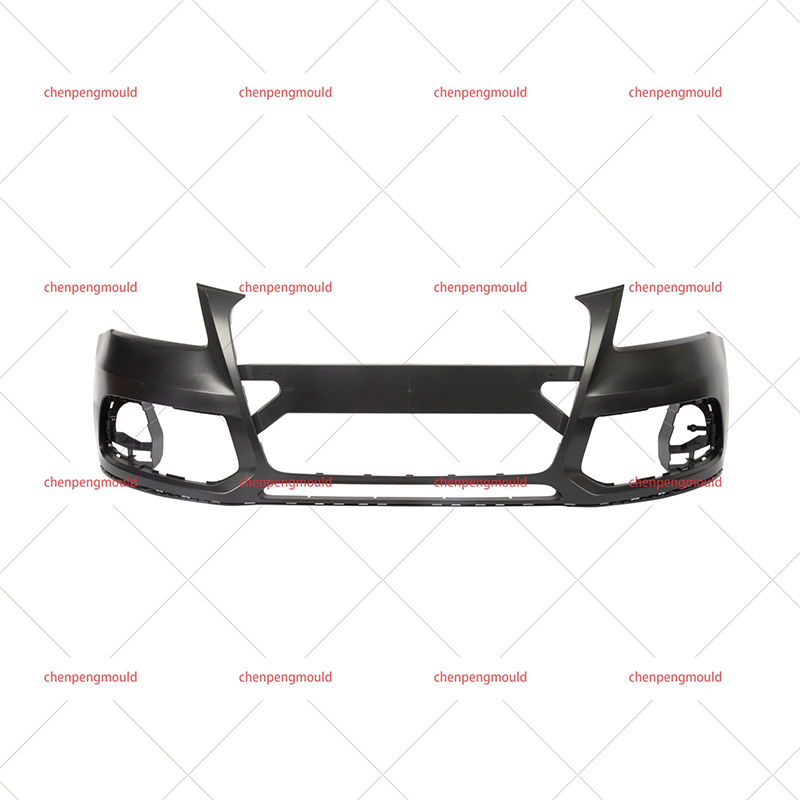
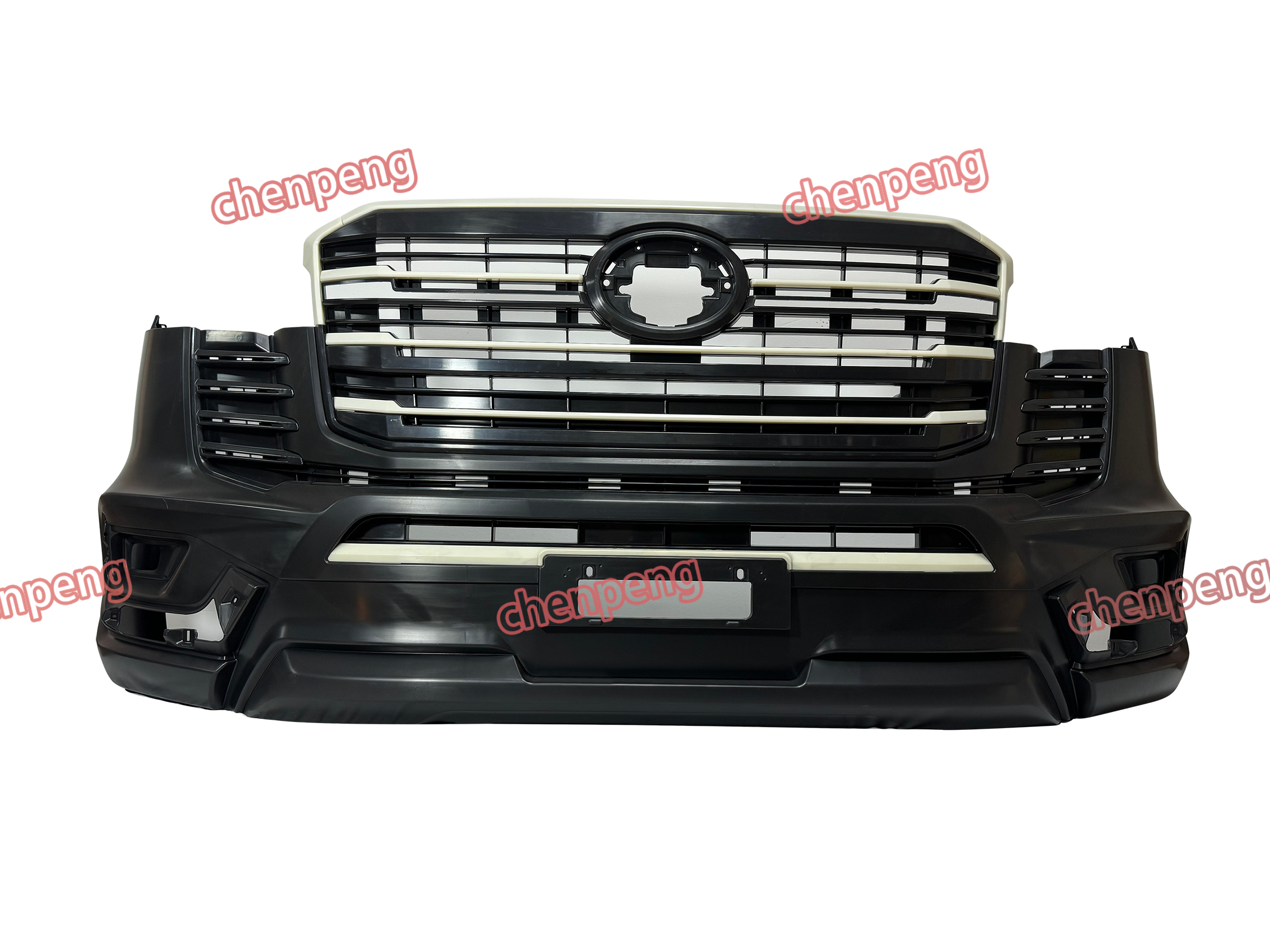
عربىBumper molding is a key component in modern vehicles, designed to protect the car body from minor collisions, enhance aerodynamics, and provide aesthetic appeal. It is typically made from plastics, polyurethane, or composite materials and is manufactured using molding processes such as injection molding or reaction injection molding (RIM).
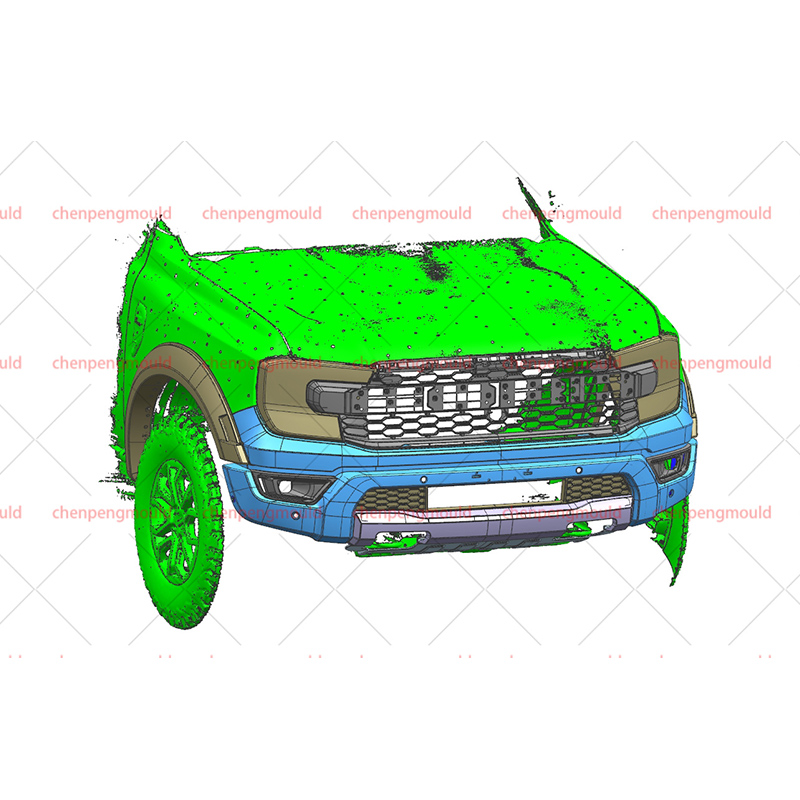
What Are the Types of Bumper Molding?
Bumper molding can be categorized according to structure, function, and material composition.
1. Structural Bumper Moldings
Integrated bumper trim
Molded directly as part of the bumper fascia.
Designed to match the vehicle’s body lines and styling features.
Protective strip moldings
Narrow strips installed along the bumper surface.
Intended to absorb minor contact from parking impacts.
Corner moldings
Located at bumper edges where damage risk is higher.
Often reinforced for additional durability.
2. Decorative Bumper Moldings
Chrome or plated trim
Enhances visual appeal and highlights vehicle contours.
Frequently used in passenger cars and SUVs.
Textured black moldings
Common in utility vehicles and trucks.
Provide a contrast to painted surfaces and conceal scratches.
3. Material-Based Types
PP (Polypropylene)
Widely used due to impact resistance and flexibility.
ABS (Acrylonitrile Butadiene Styrene)
Offers good surface finish and dimensional stability.
TPO (Thermoplastic Olefin)
Provides weather resistance and energy absorption.
Material selection depends on vehicle design requirements, cost considerations, and environmental exposure.
Structure and Function of Car Bumper Molding
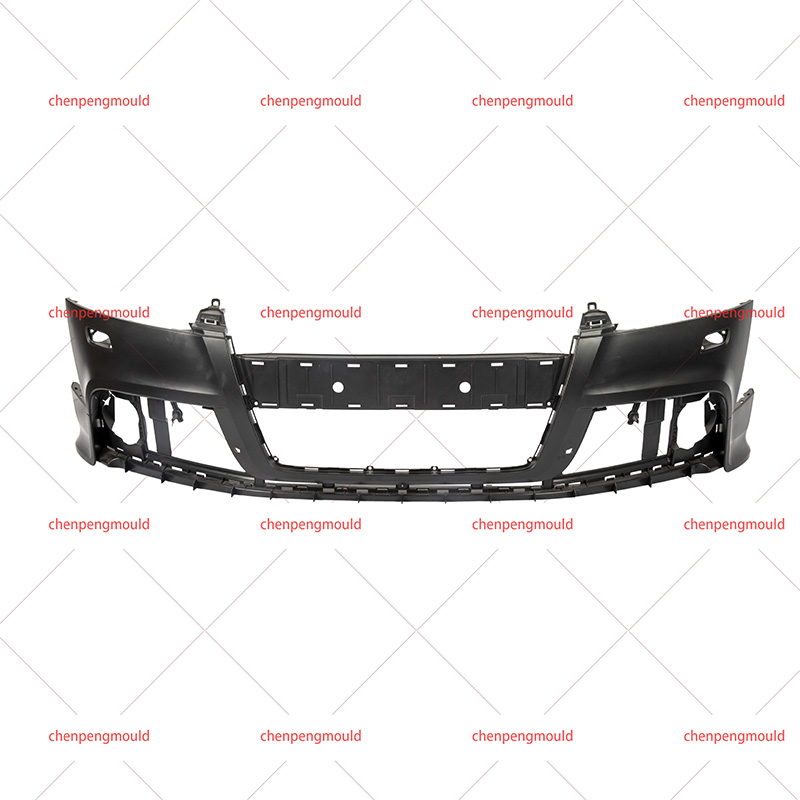
Bumper molding generally consists of a decorative and protective outer layer, reinforced by internal supports or attachment points.
Outer Layer: Made from thermoplastic materials, the outer layer is designed to absorb minor impacts and provide a smooth surface for painting or coating.
Reinforcement and Mounting: Internal structures or brackets ensure that the molding maintains its shape and attaches securely to the vehicle frame.
Design Considerations: Modern bumpers are designed with curves, recesses, and integration points for lights, sensors, or grilles. Molding allows these features to be formed in a single part rather than assembled from multiple components.
The primary functions of bumper molding include impact absorption, scratch and dent prevention, and maintaining the visual appearance of the vehicle.
Manufacturing Processes
The common methods for producing bumper molding include:
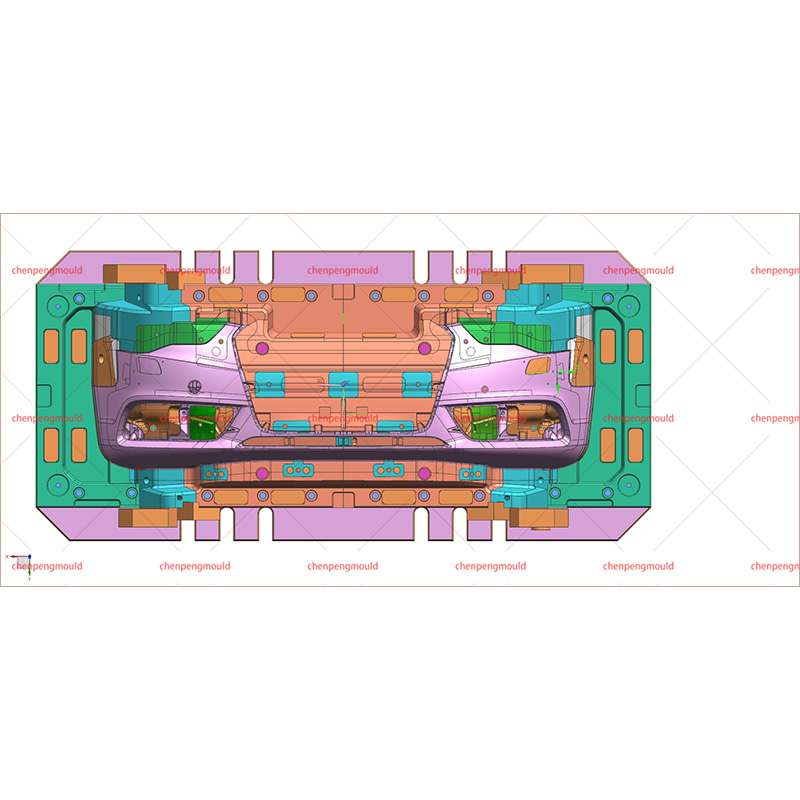
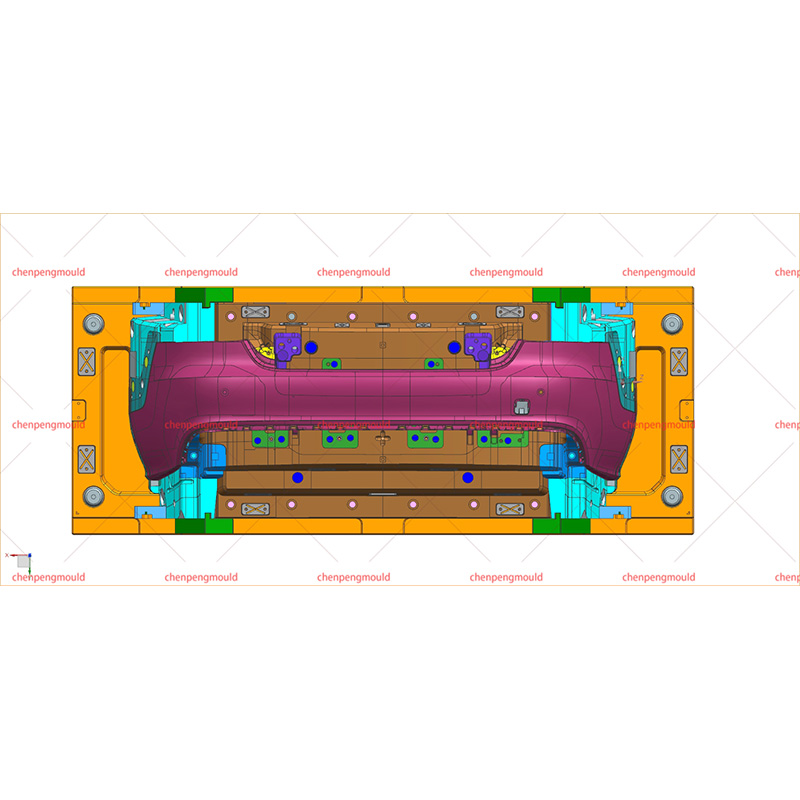
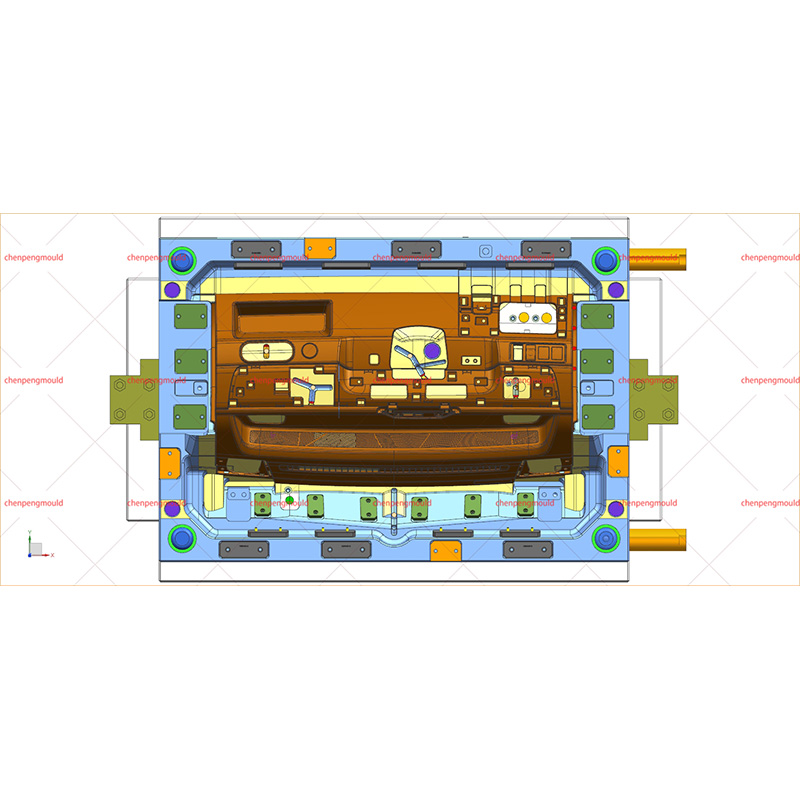
Injection Molding: Heated plastic is injected into a mold under pressure, forming precise shapes with consistent dimensions.
Reaction Injection Molding (RIM): Liquid polymer components are mixed and injected into a mold, where they react chemically to form a solid bumper.
Compression Molding: Used for some composite bumpers, the material is placed in an open mold and compressed under heat and pressure.
These processes allow for the production of complex shapes and integrated features, making molded bumpers suitable for modern automotive design requirements.
Problems with Bumper Molding for Cars
Despite its advantages, bumper molding has several limitations:
Material Vulnerability: Plastic and composite materials can crack, warp, or degrade under temperature changes or prolonged UV exposure.
Repair Challenges: Molded bumpers are often difficult to repair after damage; small cracks or dents may require complete replacement rather than localized repair.
Initial Tooling Costs: Producing high-precision molds for injection or RIM processes can be expensive, making low-volume production less cost-effective.
Fit and Alignment Issues: Improper installation or deformation during shipping can result in misalignment, affecting both aesthetics and structural integrity.
Surface Sensitivity: Scratches, chips, or paint damage are more visible on molded surfaces, and maintaining a uniform finish requires careful handling during assembly and service.

 +86-18357617666