

 عربى
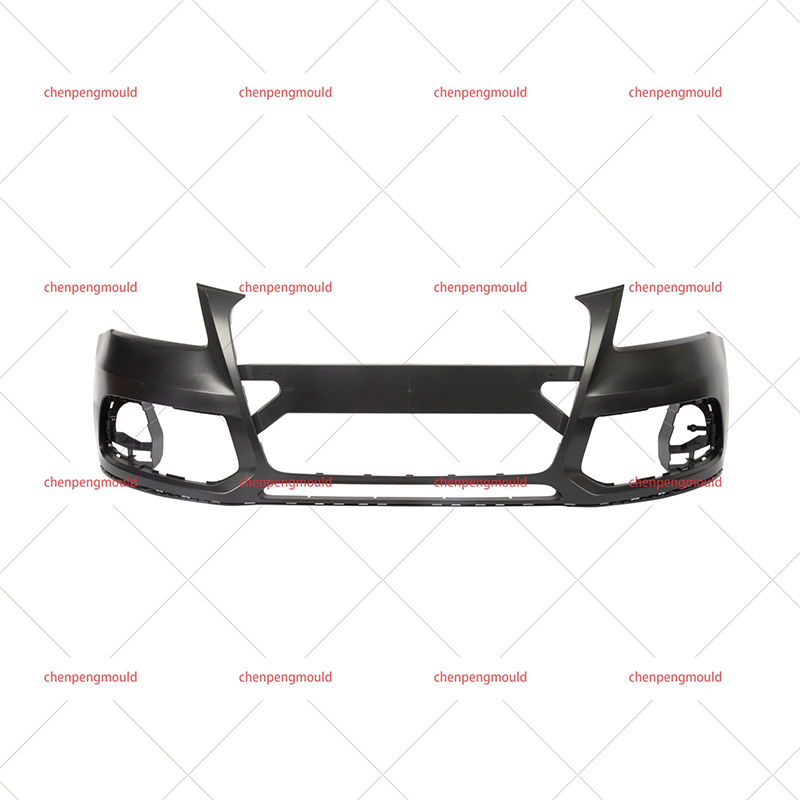
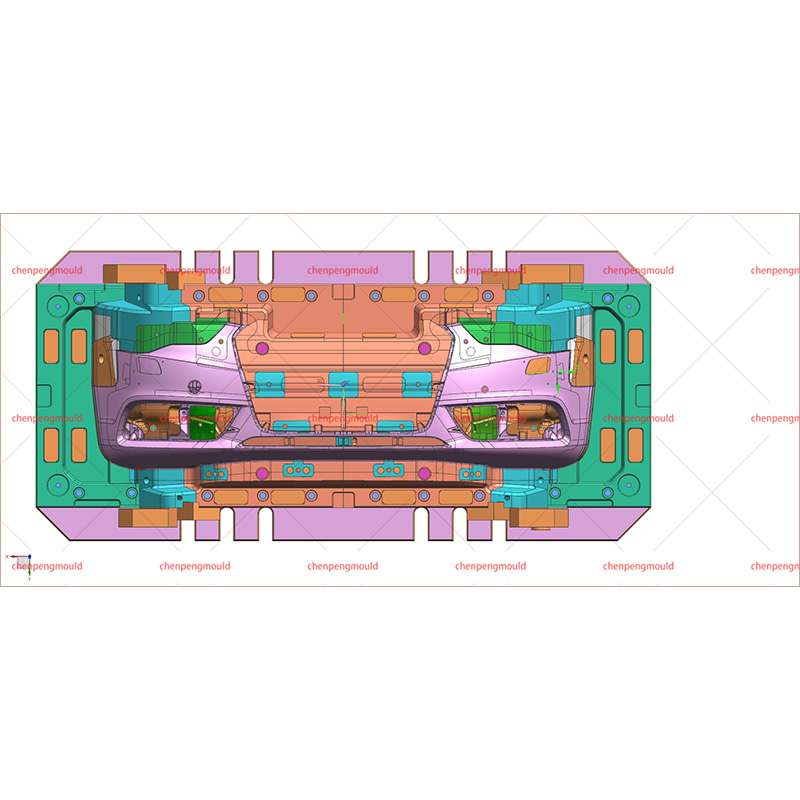
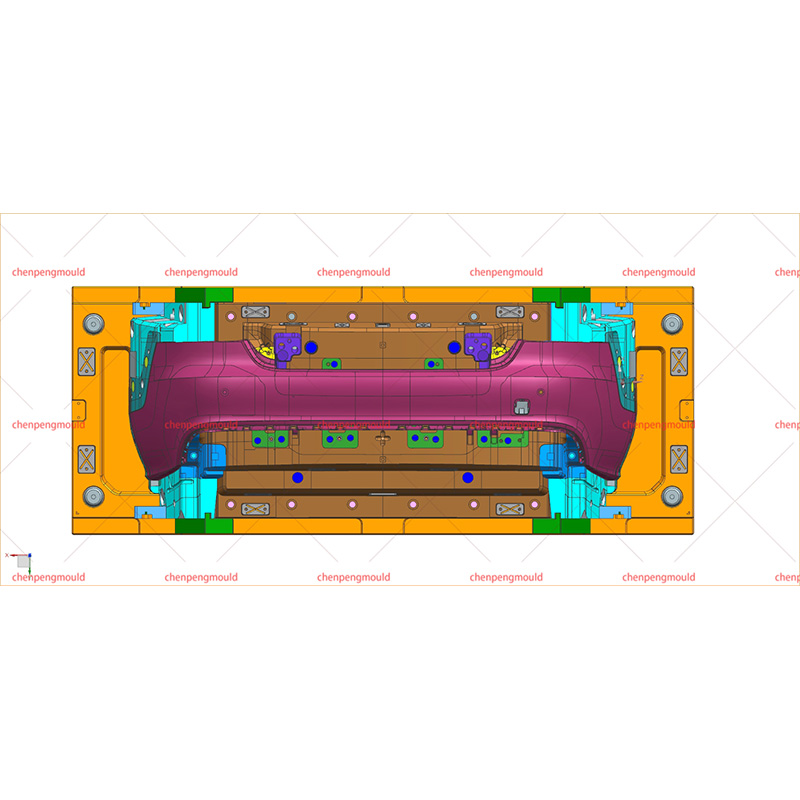
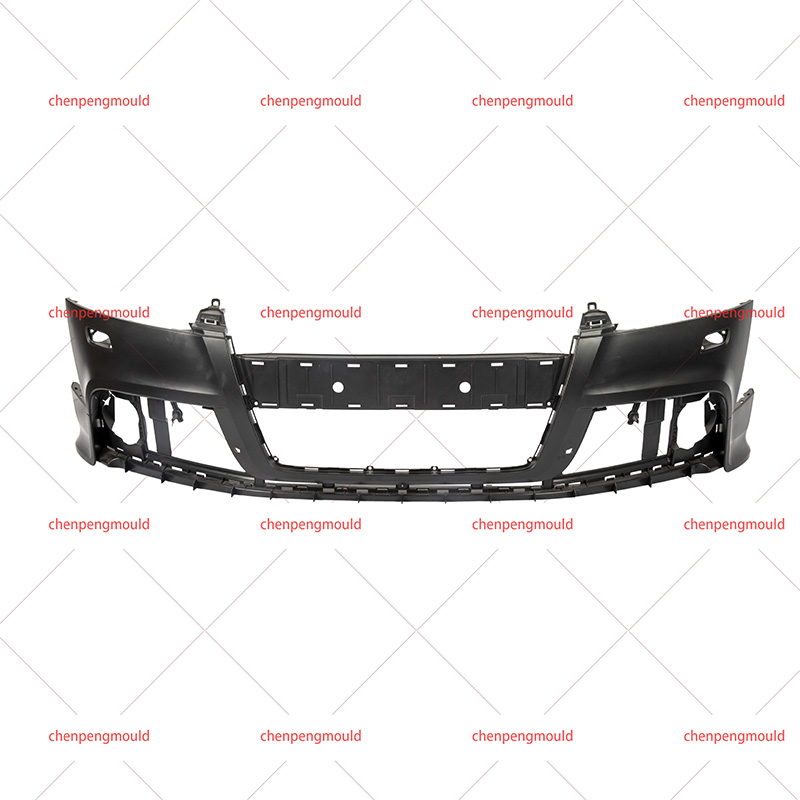
عربىCar bumper molds are designed to withstand the high pressures and temperatures required during the molding process. The composition of these molds typically includes the following key components:
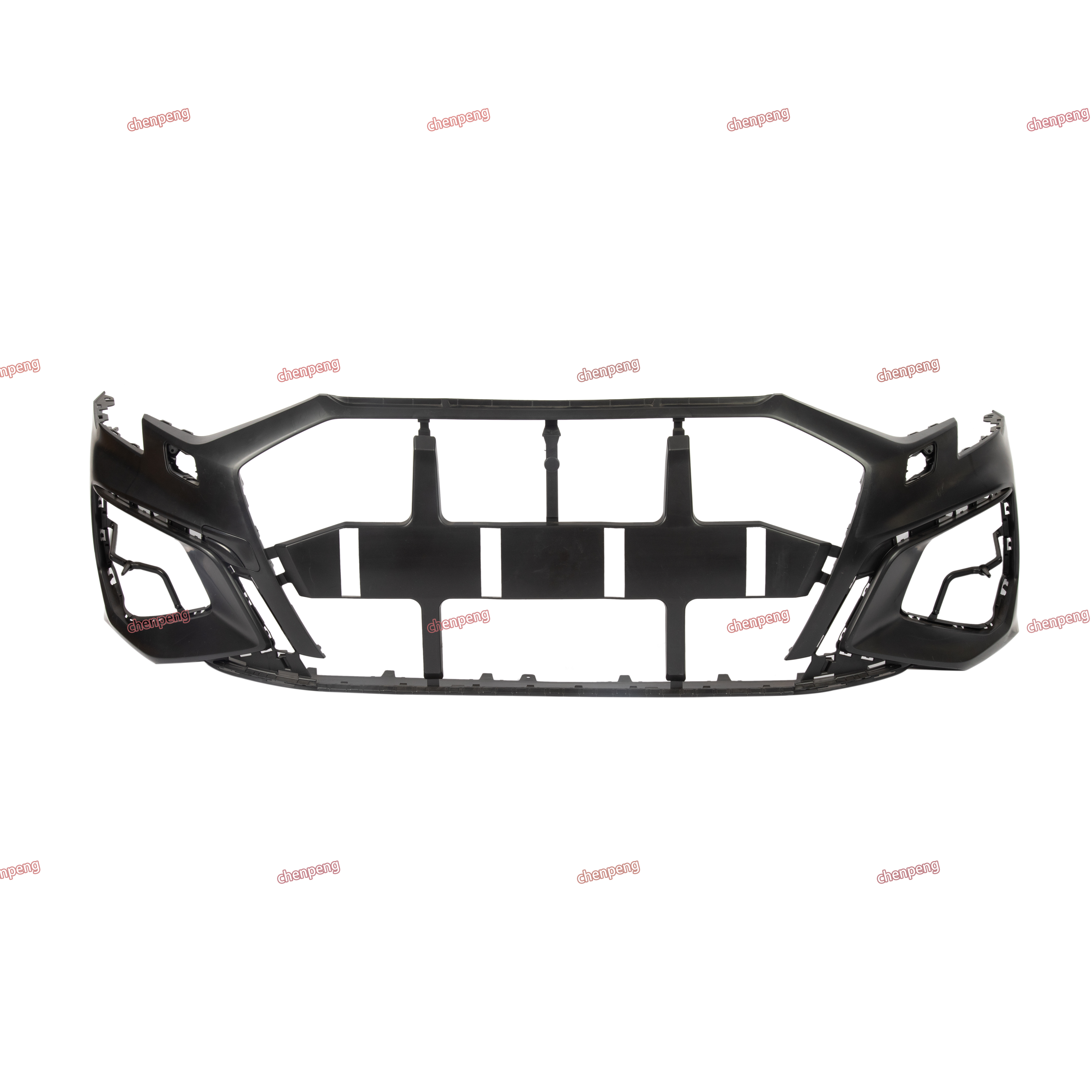
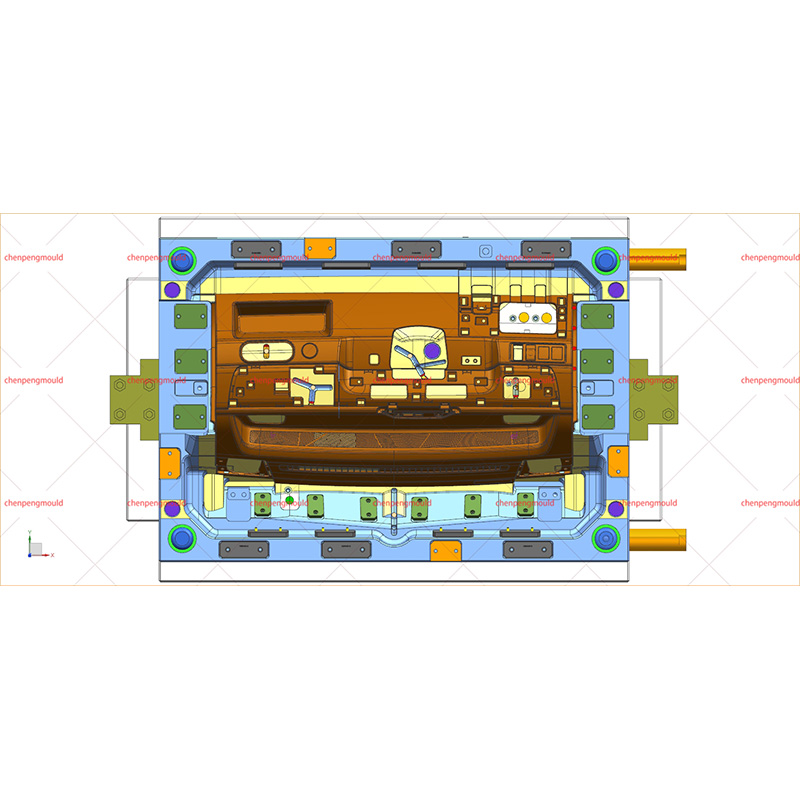
1. Core and Cavity: The core is the inner part of the mold that forms the internal features of the bumper, while the cavity forms the outer surface. Both parts are precisely designed to ensure the bumper has the correct dimensions and features.
2. Materials: Bumper molds are often made from high-strength steel or aluminum alloys. These materials are chosen for their ability to resist wear and tear over time, given the high volume of production and the stresses involved in the molding process. Steel is particularly common for molds that need to withstand high temperatures and repeated use.
3. Cooling System: Cooling systems are integrated into the mold to regulate temperature during the molding process. This helps maintain consistent quality by preventing material distortion and reducing cycle time, ultimately improving production efficiency.
4. Injection Mechanism: Car bumpers are often manufactured using injection molding, where molten plastic or other composite materials are injected into the mold cavity under high pressure. The injection mechanism ensures that the material fills the mold evenly and forms the desired shape.
These components work together to create an efficient molding process that produces high-quality bumpers consistently.
Efficiency of Car Bumper Molds
The efficiency of car bumper molds is a critical factor in ensuring that bumpers are produced in a cost-effective and timely manner. Several aspects influence the efficiency of the molding process:
1. High Production Speed: Car bumper molds are designed to produce large quantities of bumpers quickly. The use of automated systems in molding, such as robotic arms and automated injection systems, reduces cycle time, allowing manufacturers to produce a high number of bumpers in a short period.
2. Minimal Material Waste: With precise mold design, the amount of material waste is minimized. Advanced mold designs and modern injection molding technology help reduce excess material during the injection process, making it more environmentally friendly and cost-effective.
3. Consistency and Precision: Modern bumper molds are engineered for high precision, which ensures that every bumper produced has uniform quality and fits the vehicle's specifications. This reduces the likelihood of defects and the need for rework, enhancing overall efficiency.
4. Durability and Long Service Life: The materials used to make car bumper molds, such as hardened steel, ensure that they are durable and capable of withstanding the stresses of repeated production runs. This long lifespan reduces the need for frequent mold replacements, further improving cost-effectiveness and operational efficiency.
1. How long does it take to create a car bumper mold?
· The time required to create a car bumper mold depends on several factors:
- Complexity of the design: More intricate designs or features may require additional time to ensure that the mold is created with the necessary precision.
- Material selection: Molds made from high-strength steel may take longer to produce due to the machining process required for these materials.
- Molding technology: Advances in molding technology, such as 3D printing and automated systems, can significantly speed up the mold creation process.
Typically, designing and creating a mold can take anywhere from a few weeks to a couple of months, depending on the factors mentioned above.
2. What materials are used for car bumper molds, and why?
The commonly used materials for car bumper molds are:
Steel: Often used due to its strength and ability to handle high temperatures and pressures, making it ideal for high-volume production runs.
Aluminum: Used for molds that require lower production volumes, as it is lighter and easier to work with compared to steel. It is also corrosion-resistant.
Copper alloys: Sometimes used in high-precision molds, particularly for complex designs or when rapid heat dissipation is needed.
· These materials are selected for their durability, ability to withstand high temperatures, and resistance to wear during repeated mold cycles.
3. What are the common challenges in manufacturing car bumper molds?
· Wear and tear on molds: Since car bumper molds are subjected to high pressures and temperatures during the molding process, they can experience significant wear over time. This can lead to mold degradation, which may affect the quality of the bumpers produced.
· Complexity of designs: Some vehicle bumpers feature intricate shapes, air vents, or unique geometries, making the mold design more complex. Producing these parts requires advanced molding techniques and precise control of material flow to ensure accuracy.
· Material choice: Choosing the right material for the mold can be challenging, as it must balance factors like durability, heat resistance, and ease of machining. Incorrect material selection can lead to premature mold failure or inefficiencies in the production process.
4. How do car bumper molds impact the overall cost of production?
· Initial mold cost: Car bumper molds require a significant initial investment, as they must be precisely engineered and made from high-quality materials. However, this cost is distributed over large production runs, making it more cost-effective in the long term.
· Maintenance costs: The mold must be regularly maintained to ensure it remains in good condition. While high-quality molds are durable, they still require periodic maintenance, which can add to the overall production costs.
· Production efficiency: Well-designed molds help reduce cycle time and material waste, leading to cost savings over time. The more efficient the mold, the lower the cost per part produced.

 +86-18357617666