

 عربى
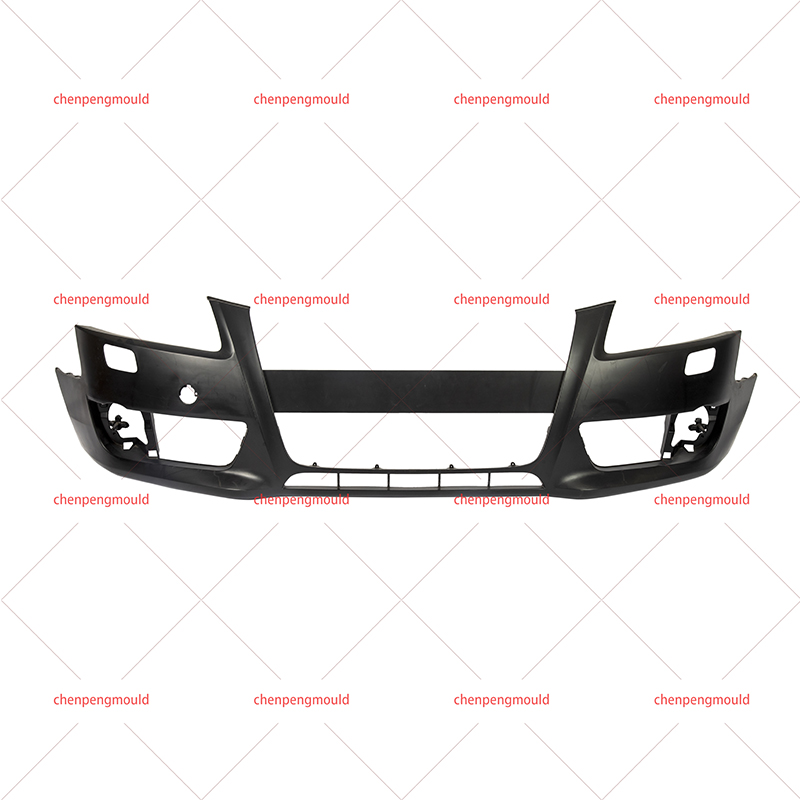
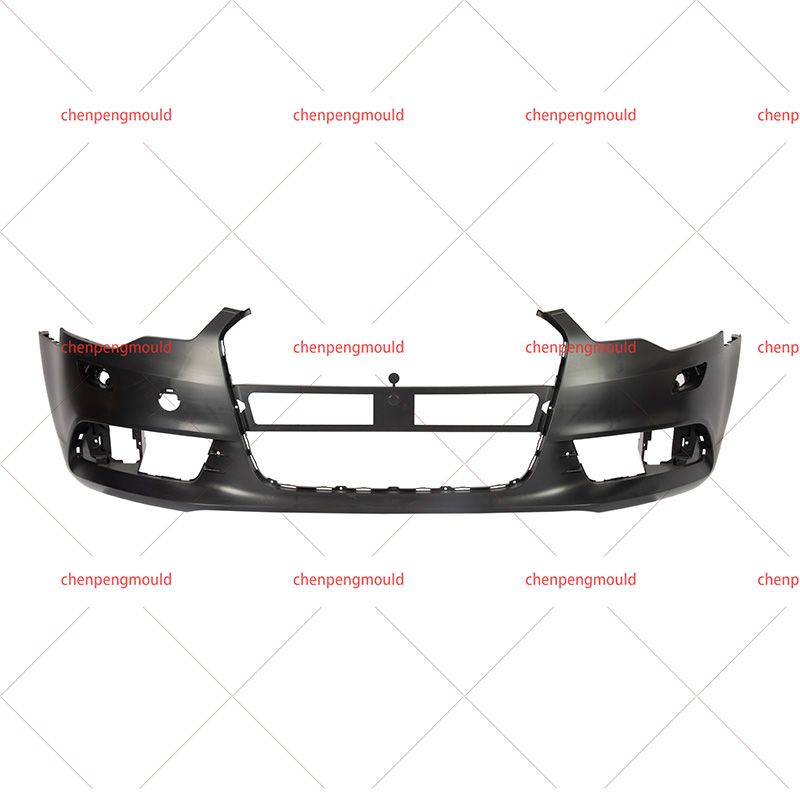
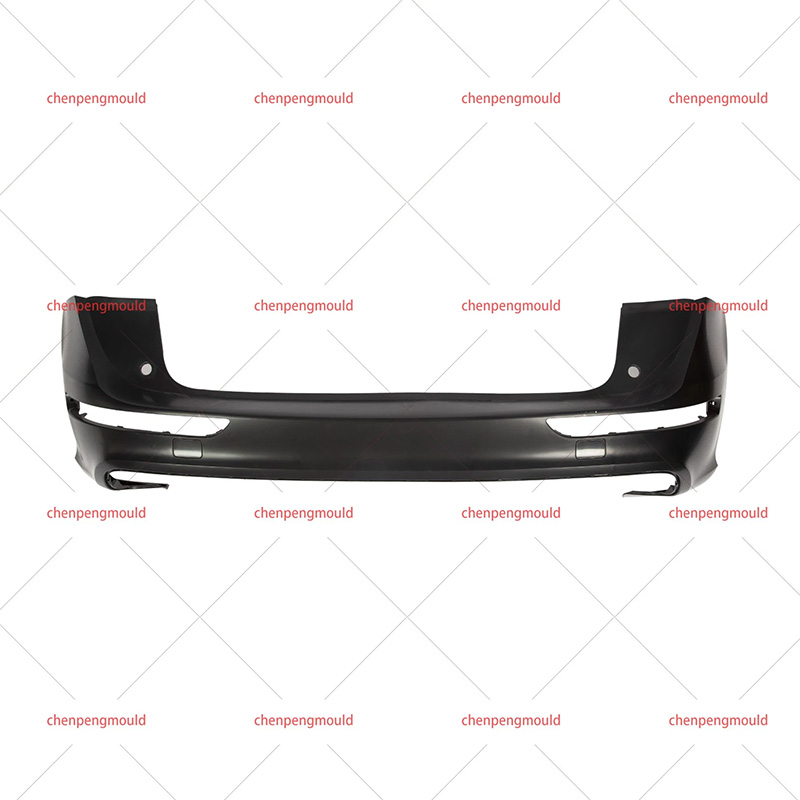
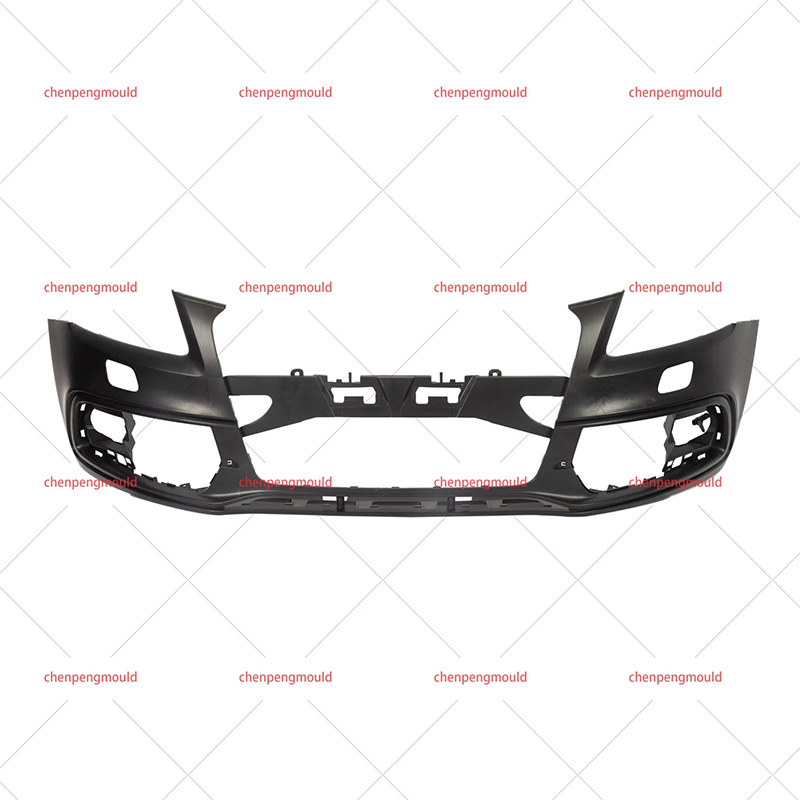
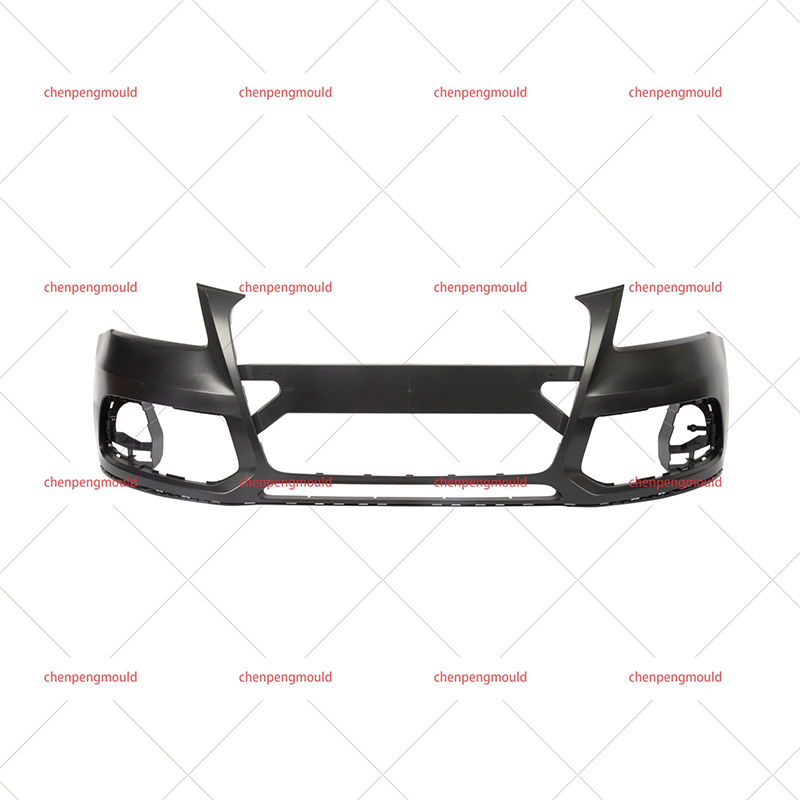
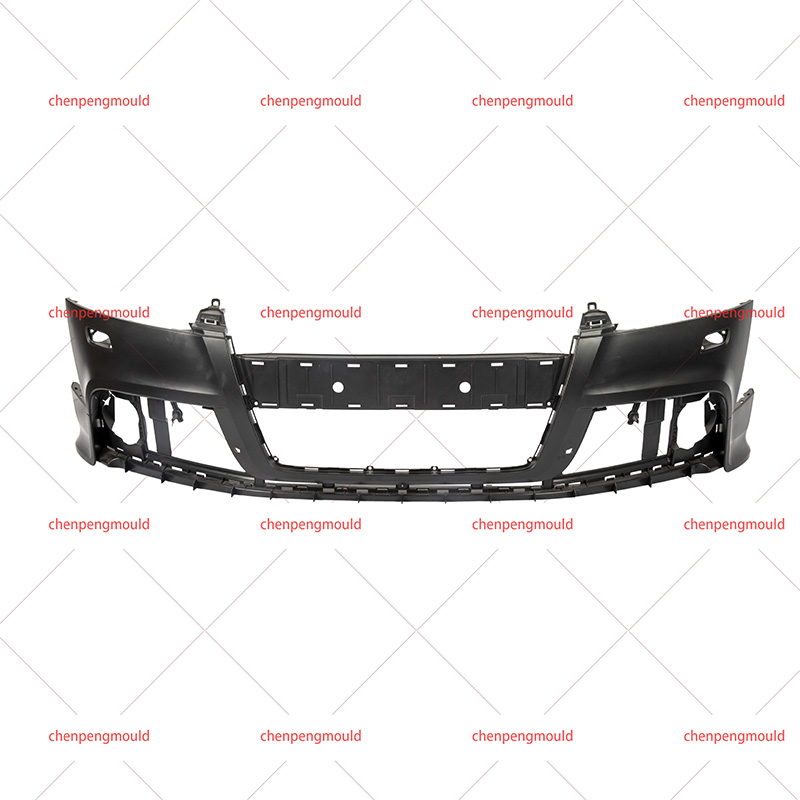
عربىCar bumper molding is a key process in automotive manufacturing that produces components designed to protect vehicles from minor collisions and improve overall vehicle aesthetics. The process typically involves shaping plastic, polyurethane, or composite materials into complex forms that match vehicle design specifications. Comparing car bumper molding to other manufacturing processes provides insight into its advantages, limitations, and suitability for mass production versus custom applications.
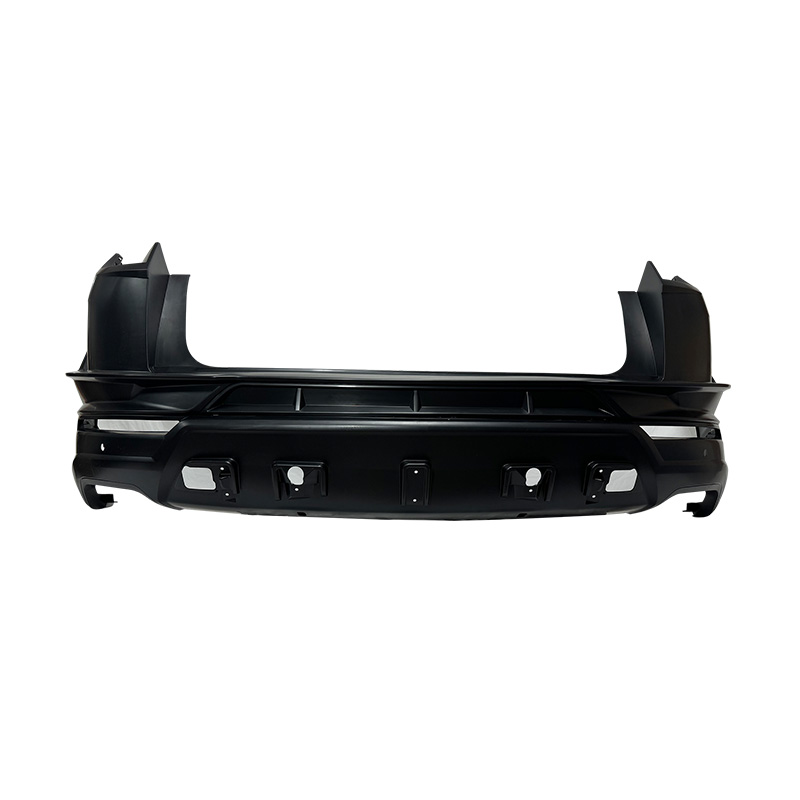
Overview of Car Bumper Molding
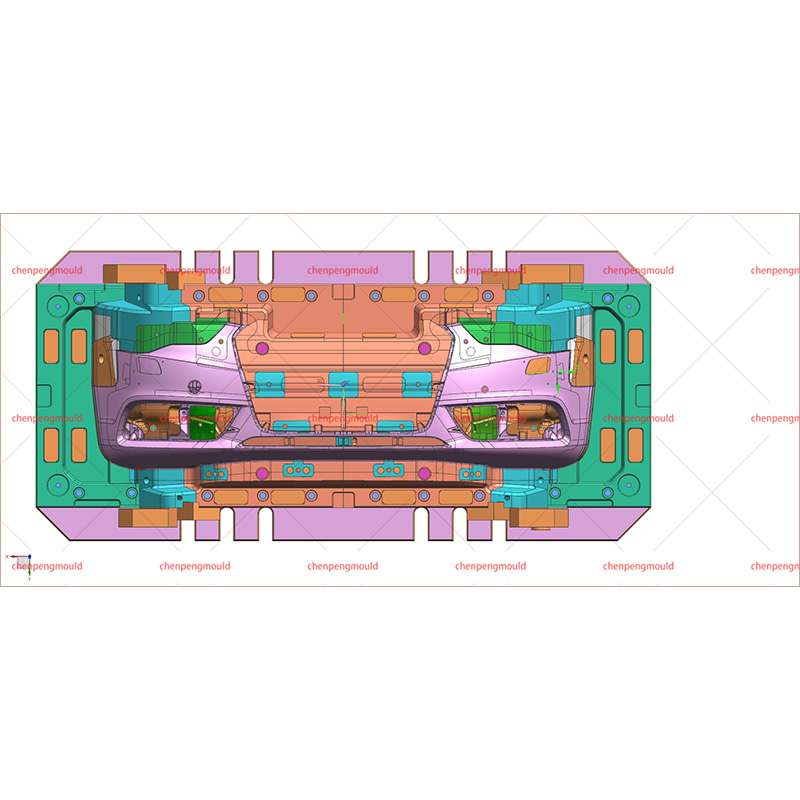
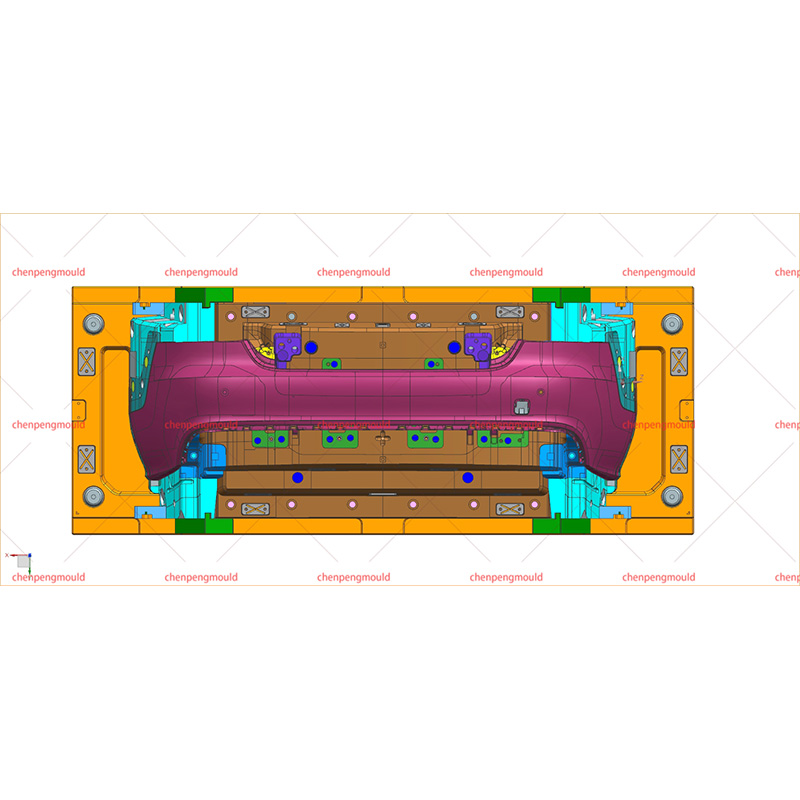
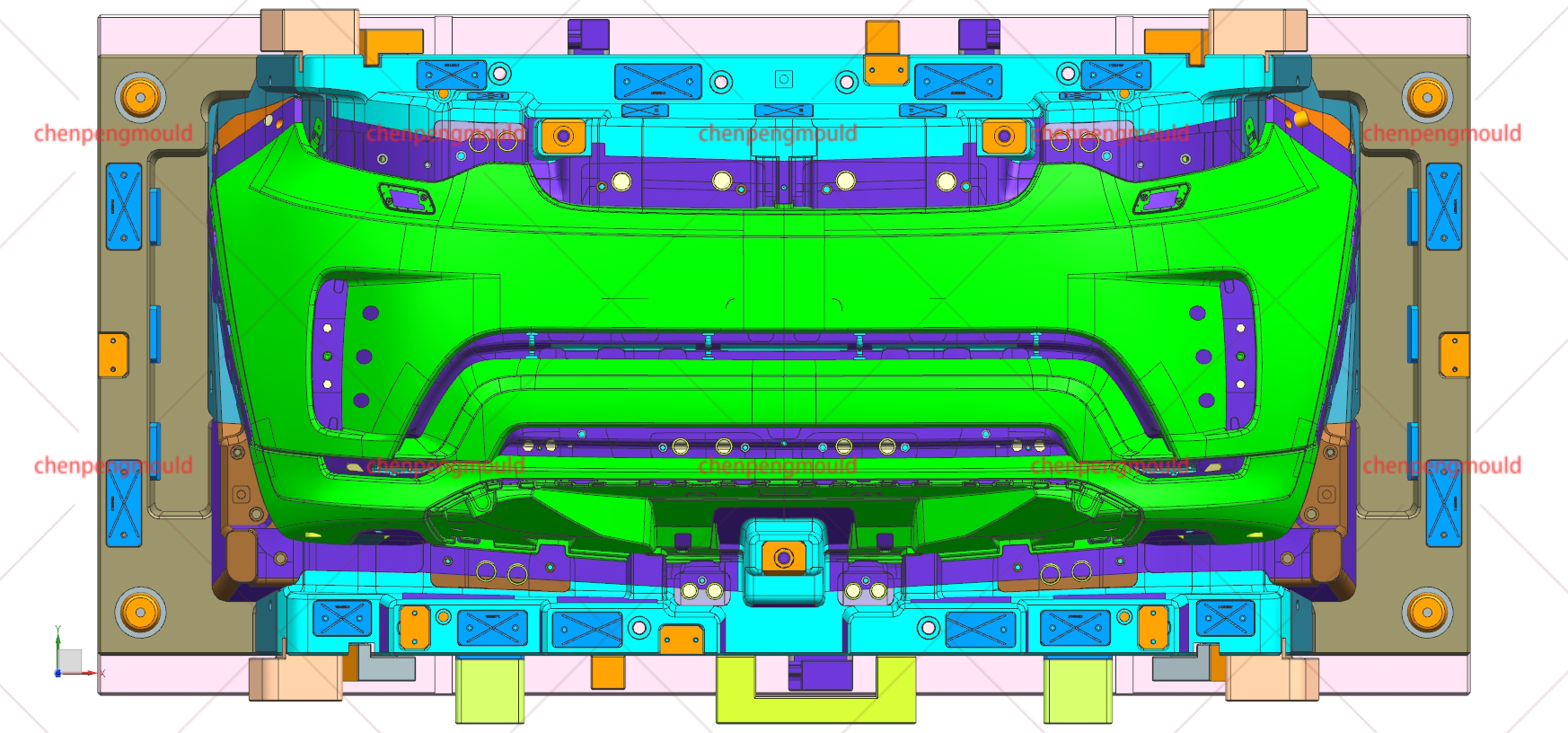
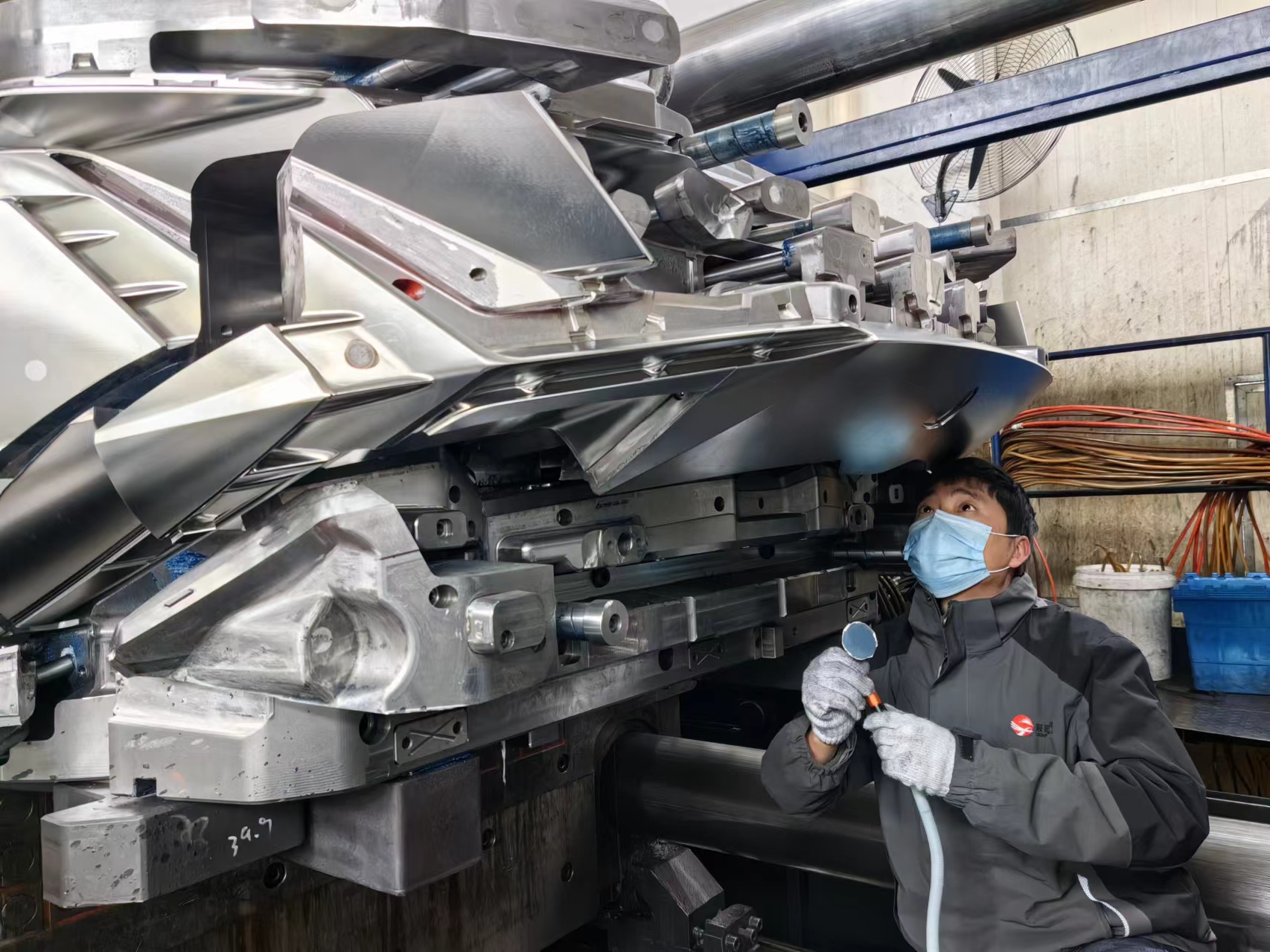
Car bumper molding involves forming materials into precise shapes that conform to vehicle design requirements. The common methods include injection molding, compression molding, and reaction injection molding (RIM).
Injection Molding: Thermoplastic materials are heated and injected into a mold cavity under high pressure. This method allows for detailed surface features and consistent dimensional accuracy.
Compression Molding: Material is placed in an open mold and compressed under heat and pressure until it takes the shape of the mold cavity. Often used for thermoset materials, this method provides good strength and uniformity.
Reaction Injection Molding (RIM): Liquid polymer components are mixed and injected into a mold, where they react chemically to form a solid bumper. This process is suitable for larger parts with variable wall thickness.
Each method ensures the bumper maintains structural integrity while allowing for aesthetic design features such as curves, recesses, and mounting points.
Comparison with Other Automotive Manufacturing Processes
Compared to other automotive component production techniques, bumper molding has distinct characteristics:
Stamping vs. Molding:
Metal panels are often formed using stamping, where sheet metal is pressed into shape using dies.
Stamping allows for high strength but is limited to metal components and may require secondary finishing such as painting.
Molding offers more flexibility in producing complex curves and integrated features without additional assembly steps.
Casting vs. Molding:
Metal casting involves pouring molten metal into molds to create solid components.
Casting produces strong, durable parts but typically requires longer cooling times and post-processing for surface finishing.
Bumper molding with plastics or composites allows faster production cycles and lighter final components.
Extrusion vs. Molding:
Extrusion creates long, continuous shapes by forcing material through a die.
Extrusion is ideal for trim pieces, weatherstripping, or linear components but cannot produce complex three-dimensional forms like bumpers.
Molding allows integrated shapes and features in a single part, reducing assembly requirements.
Advantages of Car Bumper Molding
Bumper molding provides several functional and production advantages:
Design Flexibility: Molding can create intricate curves, recesses, and mounting features that may be difficult to achieve with stamping or extrusion.
Material Efficiency: Lightweight plastics and composites reduce vehicle weight while maintaining impact absorption.
Cost-Effective for Mass Production: Once molds are fabricated, large quantities of bumpers can be produced with consistent dimensions and surface quality.
Integration of Components: Mounting points, aesthetic textures, and reinforcement areas can be molded into a single component, reducing assembly labor.
Limitations Compared to Other Processes
Despite its advantages, bumper molding also has limitations when compared to alternative manufacturing methods:
Initial Tooling Costs: Creating precision molds for injection or RIM can be expensive and time-consuming, making it less suitable for low-volume production.
Material Strength: Plastic or composite bumpers may not match the ultimate strength of stamped or cast metal components, though they are sufficient for typical impact scenarios.
Repair Complexity: Molded bumpers can be more difficult to repair if damaged, requiring replacement rather than reshaping.
Dimensional Stability: Thermal expansion and material shrinkage can affect accuracy, requiring careful mold design and quality control.
Applications and Suitability
Car bumper molding is widely used in the automotive industry due to its ability to produce durable, lightweight, and aesthetically designed components. It is particularly suited for:
Passenger vehicles: Standard bumpers for sedans, SUVs, and compact cars.
Light trucks and vans: Larger bumpers using RIM for variable wall thickness.
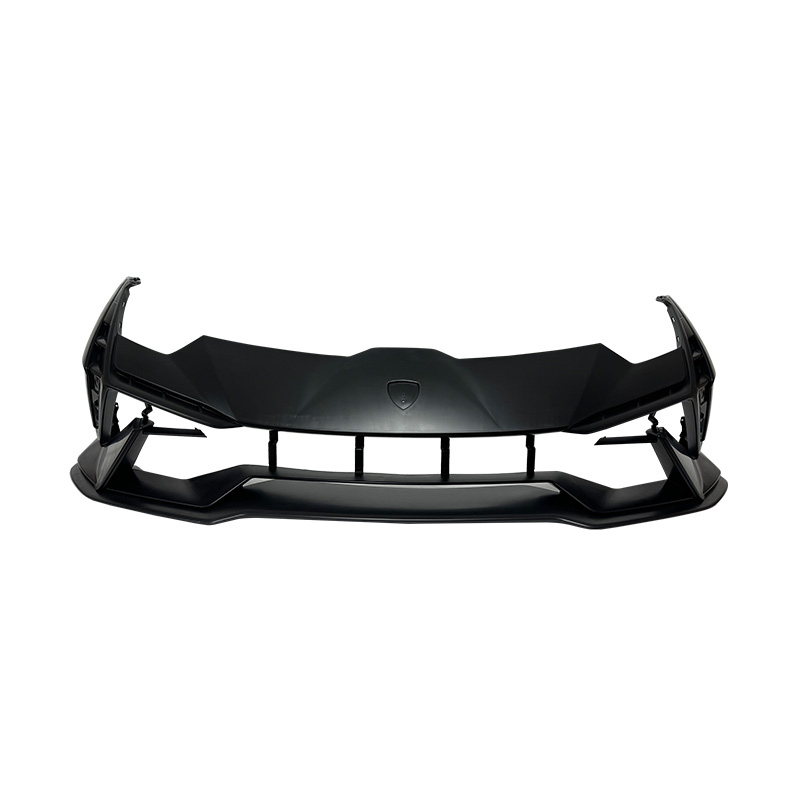
Aftermarket components: Custom bumpers and body kits where design complexity and surface quality are essential.
The process's suitability depends on production volume, required strength, and design complexity, making it a preferred choice for modern automotive manufacturing compared to stamping or casting in these specific applications.
 +86-18357617666