

 عربى
عربىInstallation Requirements and Material Compatibility for Modified Bumper Moldings
Measuring factory bumper contours for custom molding fitment.
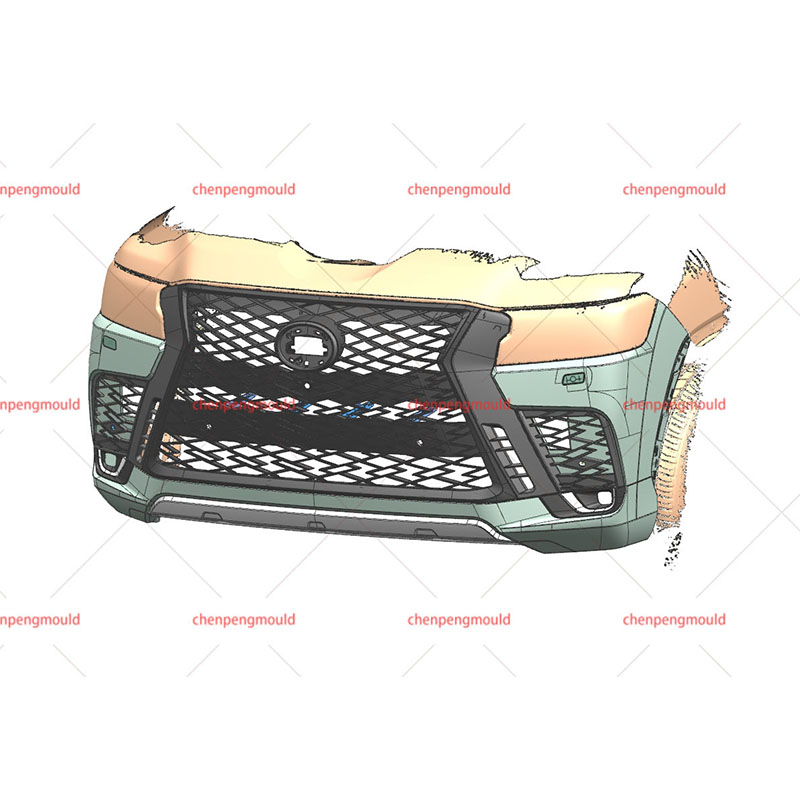
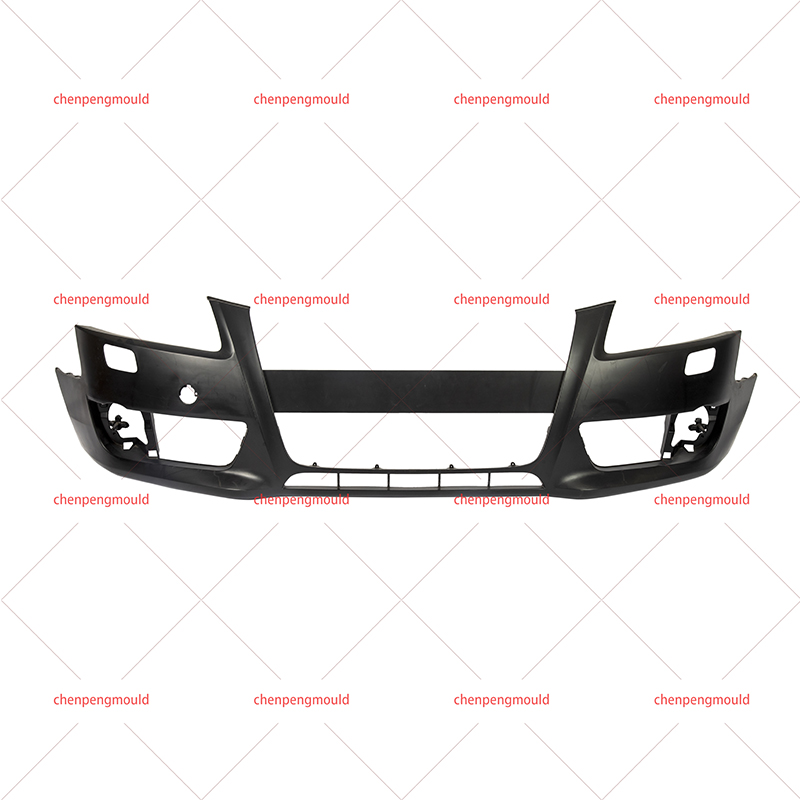
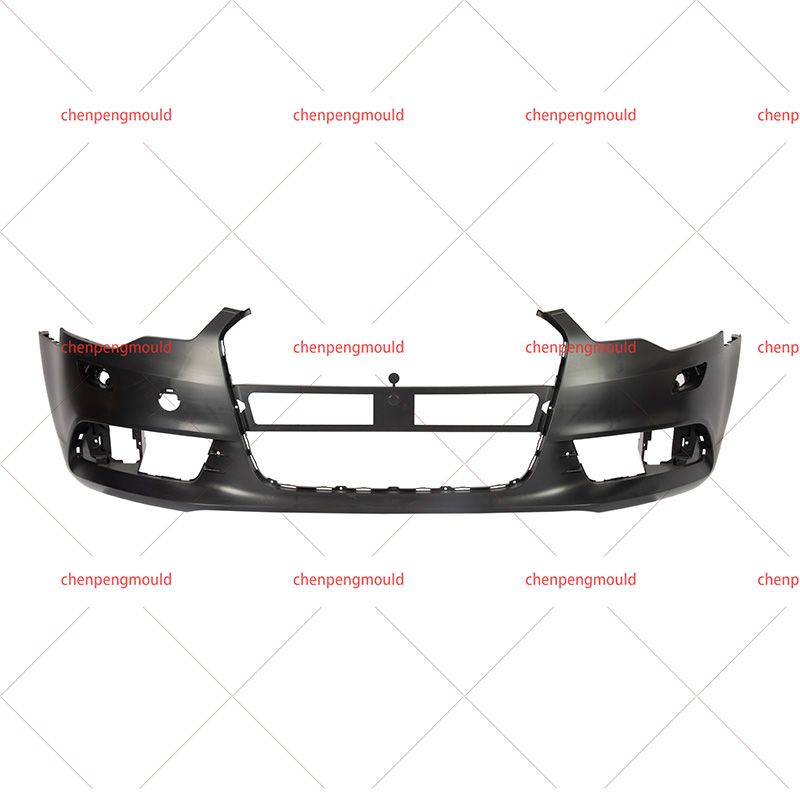
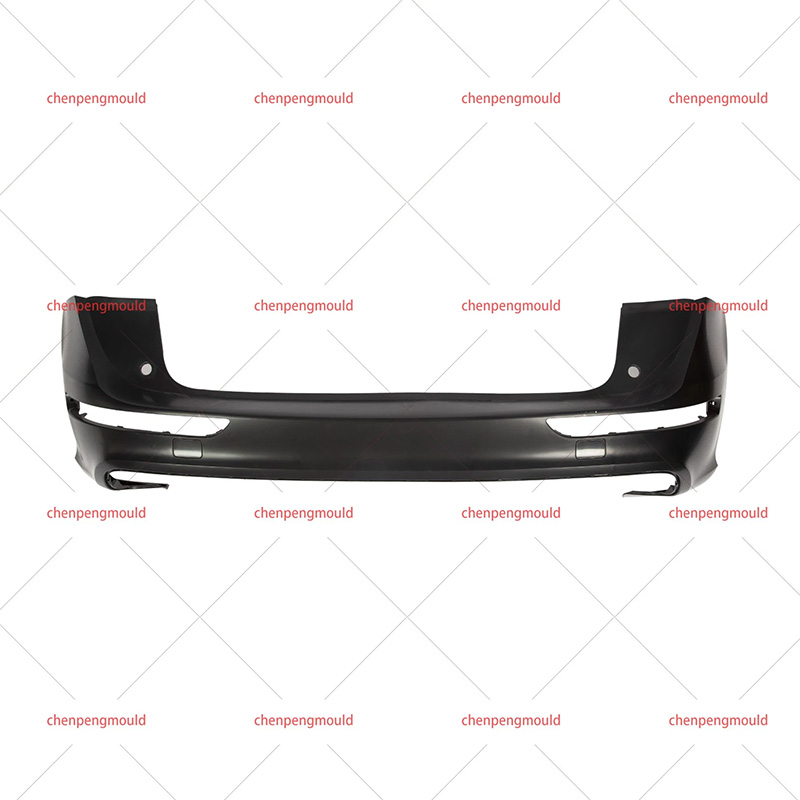
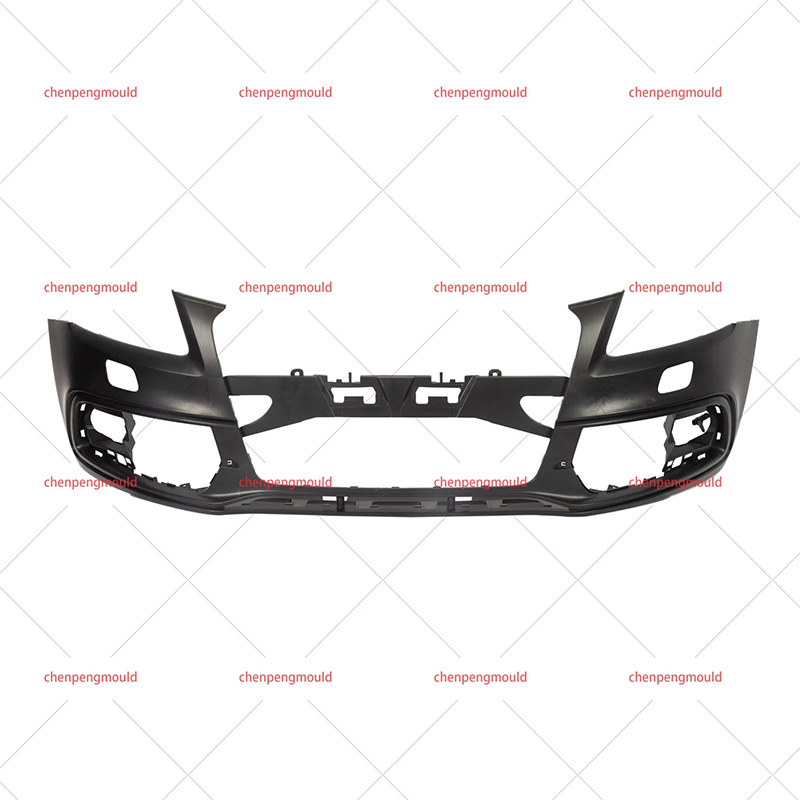
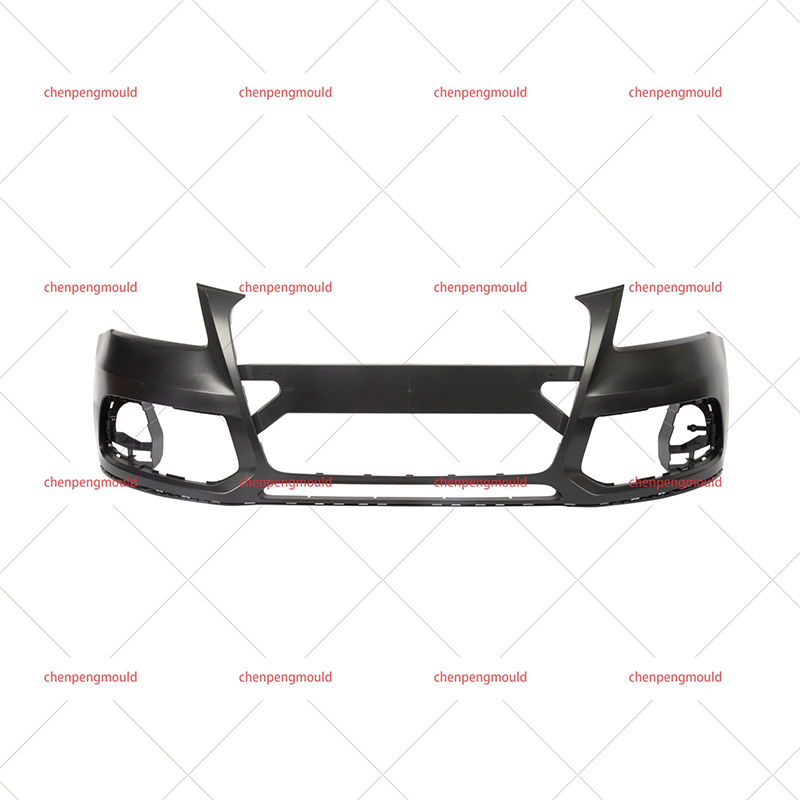
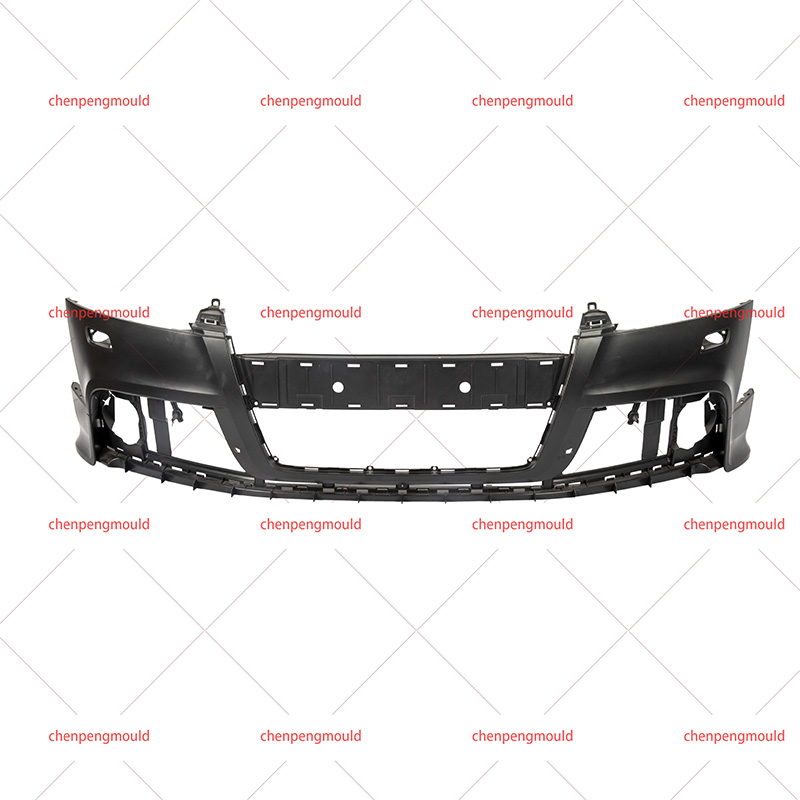
Modified bumper moldings are aftermarket trim pieces designed to fit non-original bumpers or standard bumpers altered with body kits, flares, or custom fabrication. Before purchasing a modified molding, the installer must measure three dimensions of the target bumper surface. The first dimension is the linear length along the intended molding path, measured with a flexible tape following the bumper contour. The second is the radius of curvature at corners; bumpers with sharp angles below 45 degrees require pre-molded corner pieces rather than flexible strips. The third is the surface depth variation—if the bumper has raised sections or recesses exceeding 3 mm, a rigid molding will not conform without gaps. For fiberglass or carbon fiber modified bumpers (common in custom builds), surface flatness tolerance is often ±2 mm over a 300 mm span, compared to ±0.5 mm for OEM injection-molded bumpers. This lower precision requires moldings with thicker adhesive tape (1.2–1.8 mm versus standard 0.8 mm) or flexible rubber compositions that bridge these irregularities.
Material selection for bonded or bolted attachment methods.
Modified bumper moldings attach through three principal methods, each suited to specific materials. Adhesive attachment using automotive-grade acrylic foam tape (3M VHB or equivalent) works on painted surfaces, gel-coated fiberglass, and primed metals. The tape requires 15–20 psi contact pressure (achieved by hand pressing or using a roller) and 24–72 hours full cure time at 20–25°C. For unpainted modified bumpers (raw fiberglass, carbon fiber, or aluminum), mechanical fasteners are required because adhesive does not bond reliably to porous or non-stick surfaces. Stainless steel self-tapping screws (size #6 to #8, 12–20 mm length) inserted every 100–150 mm along the molding provide secure attachment. Pre-drilling pilot holes of 2.5–3.0 mm diameter prevents cracking of ABS or polyurethane moldings. A third method uses slot-and-tab mounting: the bumper has slots cut (5 mm width, 15 mm length) and the molding has integral tabs that snap or lock into these slots. This method is common for modified off-road bumpers but requires precise CNC cutting of the bumper surface.
Trimming and shaping moldings for custom bumper dimensions.
Modified bumper moldings often arrive as straight extrusions or long strips that must be cut to length. Cutting tools for different materials: ABS and TPO are cut with a fine-tooth hacksaw (32 TPI) or a power miter saw with a carbide blade (60–80 teeth). Polyurethane rubbers are cut with a sharp utility knife using multiple passes (3–5 passes at light pressure). For curved sections, moldings may require miter cuts at corners—a 45-degree miter produces a tighter fit than a butt joint. Heat shaping of thermoplastic moldings (ABS, TPO, PVC) is possible using a heat gun set to 150–200°C. The molding becomes pliable at 130–160°C. The heated section is formed around the bumper contour and held in position for 30–60 seconds until cooling produces a permanent shape. Repeated heating (more than 3 cycles at the same location) embrittles the material, reducing impact resistance by 25–40%. For this reason, heat shaping should be performed as a single operation with a test piece first.
Gap management and weather sealing on modified bumper installations.
Modified bumpers rarely match the dimensional precision of factory bumpers. Gaps between the molding and bumper surface range from 0.5 mm to 5 mm in typical custom installations. For gaps under 2 mm, a primer and adhesive tape (1.1 mm thickness) fills the space without additional materials. For gaps of 2–5 mm, a polyurethane seam sealer (cartridge applied, 15–20 minute working time) is injected behind the molding before clamping. The sealer cures to a flexible rubber (Shore A hardness 30–40) that accommodates vibration without cracking. Excess sealer is wiped with mineral spirits before curing. For gaps exceeding 5 mm, the molding is not suitable; the installer should modify the bumper surface with filler or choose a different molding profile. Weather sealing against water entry behind the molding is important on modified bumpers because trapped moisture corrodes metal brackets or delaminates paint. Drain slots (3 mm wide, 10 mm long, cut every 200 mm along the bottom edge of the molding) allow water drainage without compromising adhesion. Vehicles in freeze-thaw climates benefit from these drainage slots because trapped water expanding during freezing can force the molding away from the bumper within 2–3 winter seasons.
Performance Characteristics and Long-Term Durability of Modified Bumper Moldings
Impact absorption at low speeds (5–15 km/h).
Modified bumper moldings serve a protective function when the vehicle brushes against parking barriers, low walls, or other obstacles. The energy absorption capacity depends on the molding material and thickness. A 4 mm thick polyurethane molding deforms up to 12 mm under a 500 N load (equivalent to pressing the bumper against a concrete column at 8 km/h). The molding returns to 95–98% of original shape after load removal, provided the bumper backing does not deform. A 3 mm thick ABS molding under the same load deforms only 3–4 mm but cracks if the deformation exceeds 6 mm. Field data from 150 custom vehicle builds tracked over 2 years showed that polyurethane moldings reduced paint damage to modified bumpers by 60–70% in low-speed parking incidents compared to bumpers without moldings. ABS moldings reduced damage by 30–40% but required replacement after any impact that permanently creased the plastic. The impact performance depends equally on adhesive or fastener strength; tape-attached moldings peel off under a 300–400 N tangential load, sacrificing the molding to preserve the bumper, whereas bolted moldings transfer impact force directly to the bumper, potentially cracking the modified fiberglass or carbon fiber substrate.
UV degradation and color matching over time.
Modified bumper moldings are typically purchased in black raw material (ABS, TPO, or unpainted polyurethane) because painting adds 40–100% to the molding cost. Unpainted black moldings contain carbon black (2–3% by weight) as a UV stabilizer. Under accelerated weathering (ASTM G154, 1,500 hours), unpainted TPO moldings lose less than 2 Delta E color shift and maintain 90–95% of initial tensile strength. Painted moldings on modified bumpers present a color-matching challenge because the bumper itself may be a custom color. Paint applied to flexible moldings requires a flex additive (15–25% by volume of urethane resin). Without a flex additive, paint cracks within 3–6 months of normal driving due to molding vibration and thermal expansion. A color match of Delta E ≤ 1.5 is achievable if the painter uses a spectrophotometer to read the bumper’s color and formulates the molding paint from the same base. However, because moldings are often sourced from different manufacturers than the bumper, substrate color (black ABS vs. gray primer vs. white TPO) affects the final appearance. A thin paint layer (under 50 µm) may show the substrate color through it, causing a mismatch of 2–3 Delta E even with identical paint formulation. Paint thickness of 75–100 µm (applied as primer + basecoat + clearcoat) is required for opacity.
 +86-18357617666