

 عربى
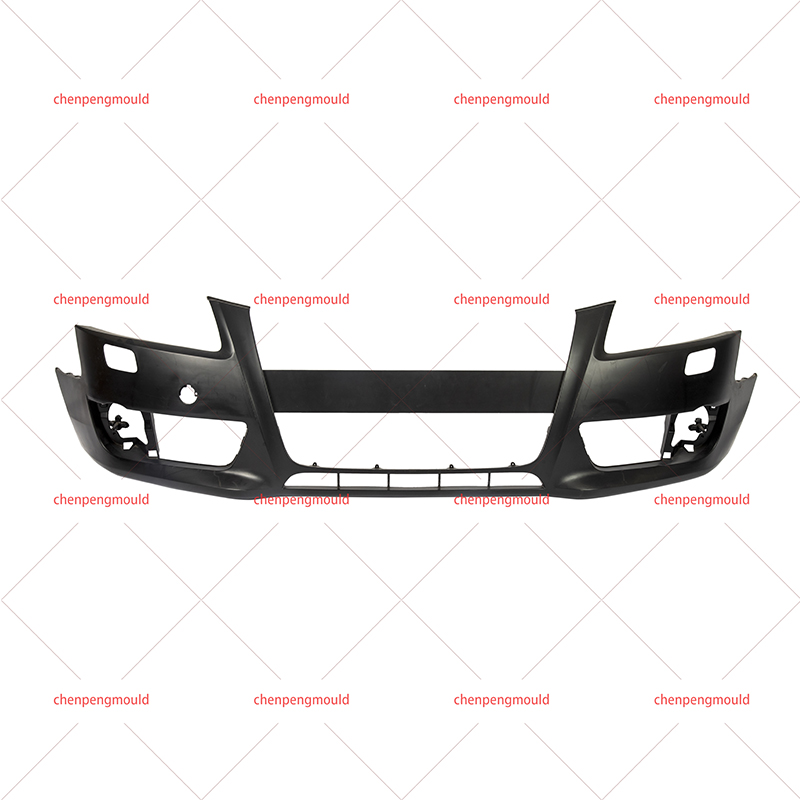
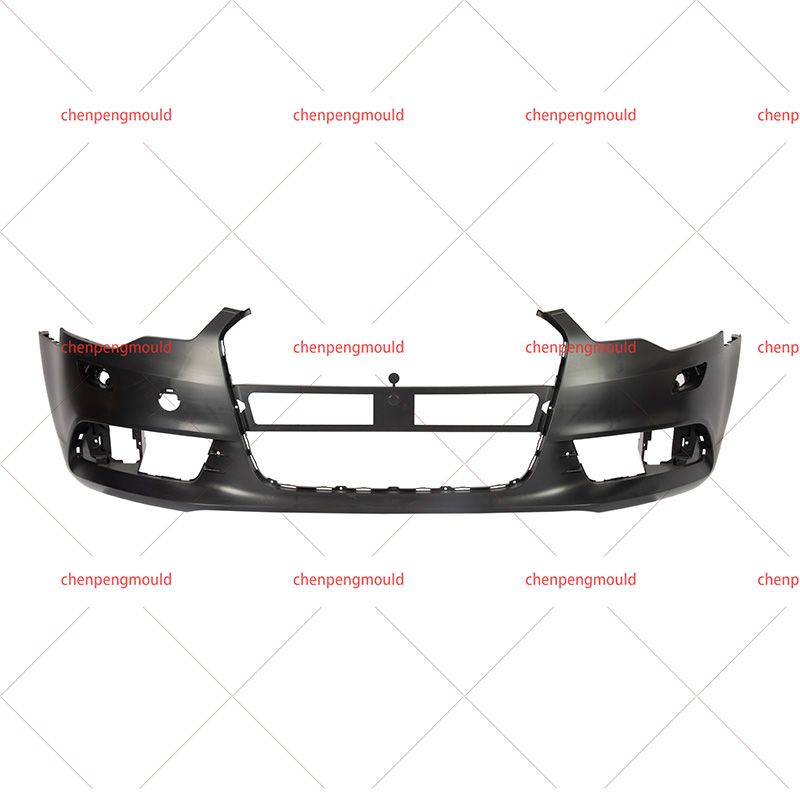
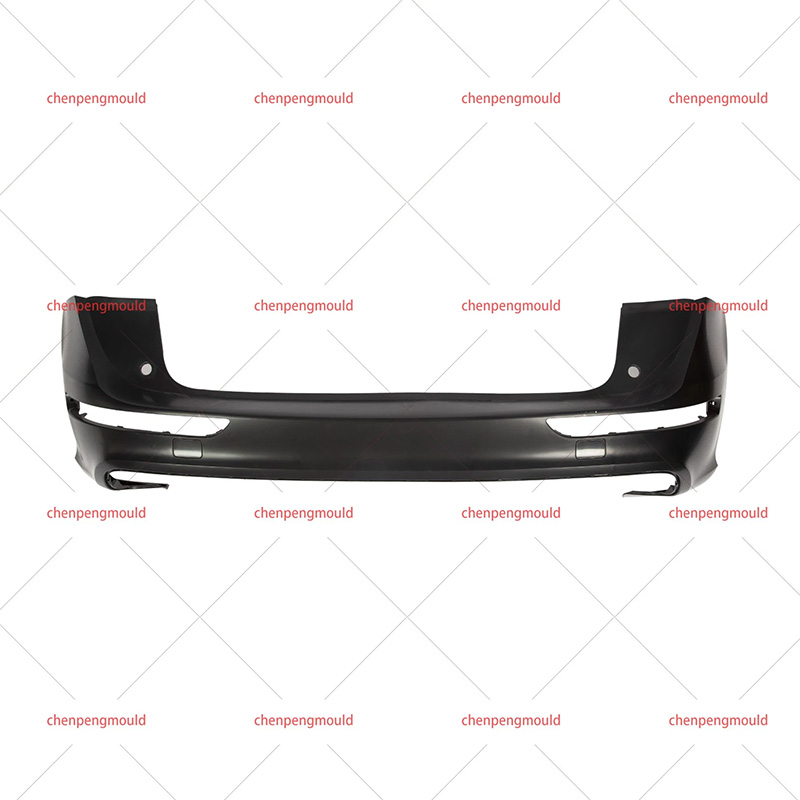
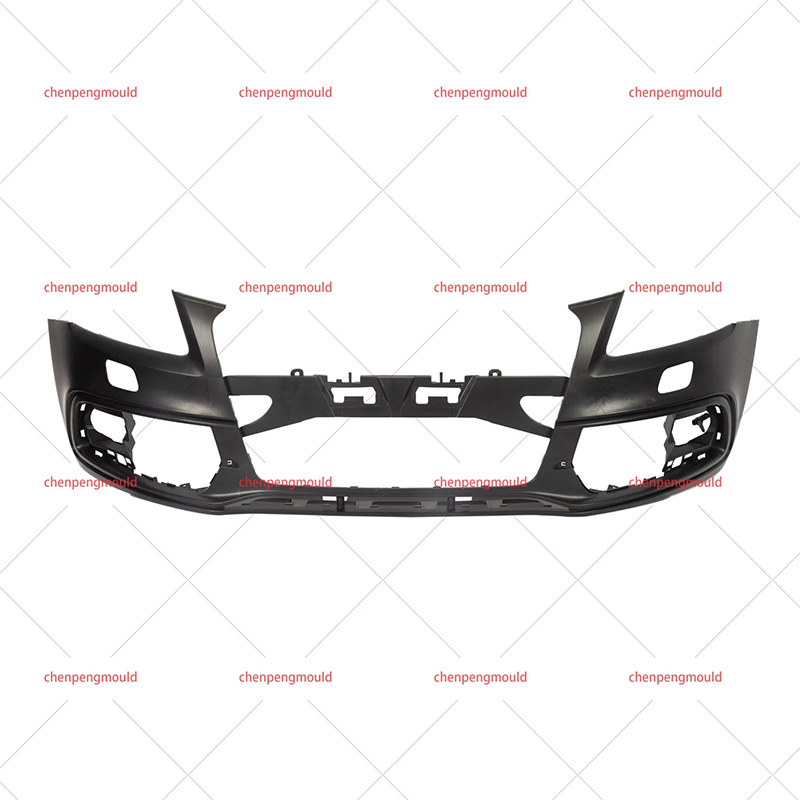
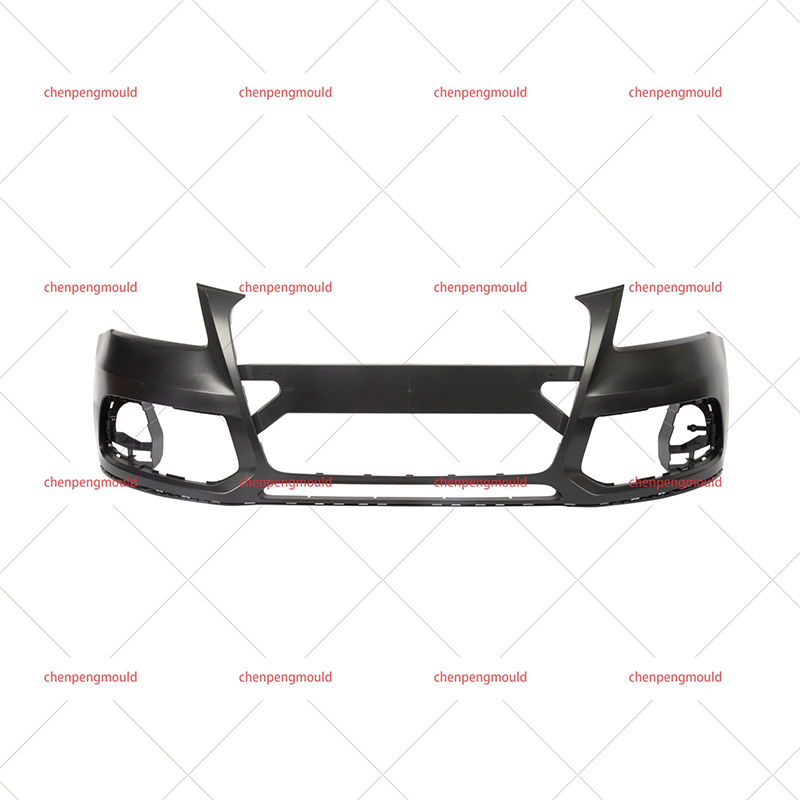
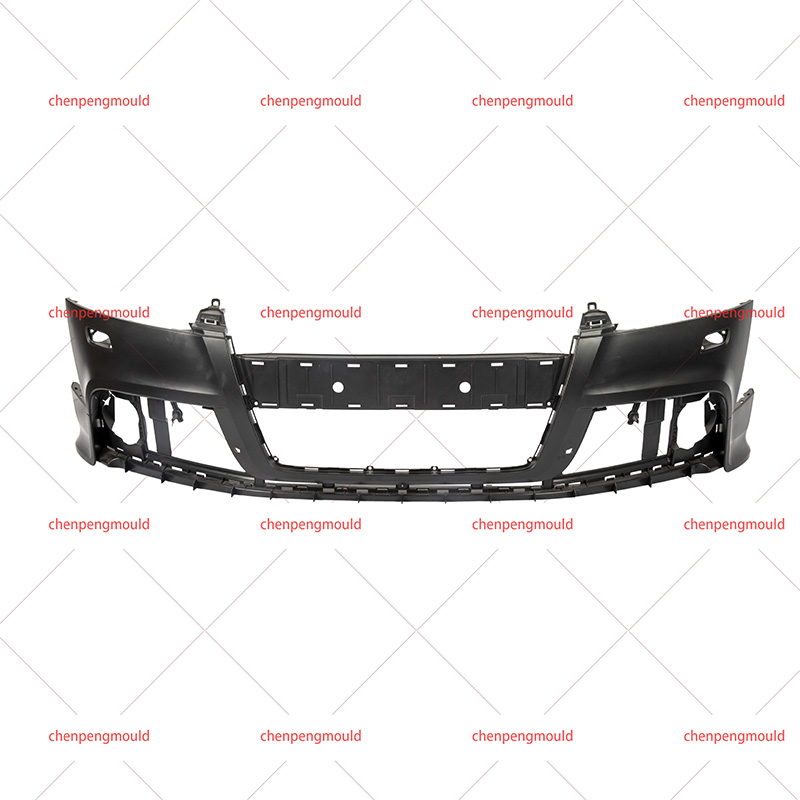
عربىVehicle exterior customization has become increasingly common, especially around front and rear bumper designs. Many drivers replace original bumper structures with sport-style parts, customized appearances, or upgraded styling packages. However, modern bumpers are no longer only decorative components. They often work together with parking sensors, radar modules, and driver assistance systems.
The compatibility between a modified bumper molding and OEM sensors depends on several technical factors, including sensor location, mounting accuracy, material properties, and signal transmission requirements. A visually similar bumper design does not always guarantee that factory-installed sensors will operate correctly after modification. Automotive modification specialists have also highlighted that bumper changes can influence parking sensors and radar systems because these components are calibrated around the original bumper structure.
Why Sensor Compatibility Becomes a Concern After Modification
Modern vehicles use multiple sensing technologies integrated into bumper areas. Ultrasonic parking sensors measure nearby obstacles through sound waves, while radar modules detect surrounding objects through electromagnetic signals. These systems rely on precise positioning and specific material characteristics.
A customized bumper molding may change:
- Sensor mounting angle – Even a small deviation can affect detection coverage.
- Sensor depth position – Sensors installed too far inward or outward may provide inaccurate readings.
- Material thickness – Different plastic structures may influence radar signal transmission.
- Surface design – Decorative trims or additional layers can interfere with sensor operation.
The original bumper design is usually developed together with the vehicle sensing system. Radar performance, for example, is tested with the factory bumper material and geometry to confirm proper operation.
How Modified Bumper Molding Affects Parking Sensors
Ultrasonic parking sensors appear simple because they are small components mounted into bumper holes. However, their performance depends on accurate installation conditions.
Common modification-related problems include:
- Incorrect sensor hole dimensions – Oversized or uneven openings may prevent stable positioning.
- Wrong sensor orientation – Rotated sensors may detect objects at inaccurate distances.
- Poor bracket design – Weak mounting structures can allow vibration movement.
Installation guidelines for modified bumper systems often require transferring factory sensors carefully and maintaining the original sensor direction. Improper positioning may reduce system accuracy.
Radar Sensor Challenges Behind Customized Bumpers
Radar-based assistance systems are more sensitive compared with traditional parking sensors. Adaptive cruise control, blind spot monitoring, and collision warning systems depend on radar modules placed behind bumper covers or grille areas.
The bumper material acts as part of the radar environment. Changes in plastic composition, thickness, paint layers, or additional decorative elements may influence signal behavior.
- Different resin materials can create different signal transmission characteristics.
- Metallic coatings or decorative parts may create unwanted interference.
- Incorrect radar mounting position may change detection direction.
Specialized automotive modification research has pointed out that radar sensors are engineered around OEM bumper covers, and additional front fascia components may influence sensor performance.
Material Selection Matters for Sensor-Friendly Bumper Designs
A bumper component is commonly produced using automotive-grade thermoplastics such as polypropylene blends. These materials provide impact resistance and suitable flexibility for exterior applications.
A modified bumper molding designed for sensor integration should consider:
- Consistent wall thickness around sensor mounting areas
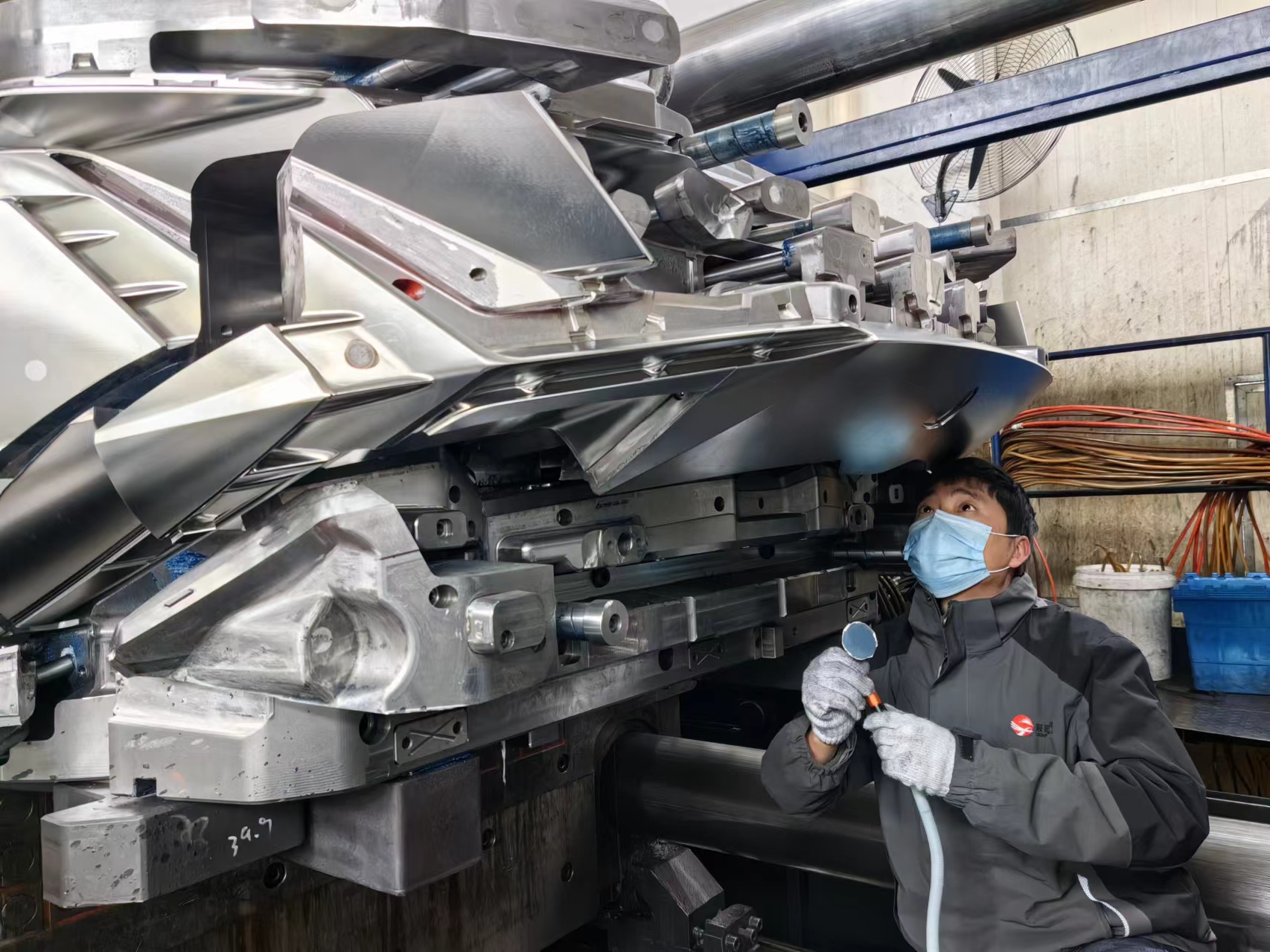
- Stable dimensional accuracy after injection molding
- Proper reinforcement around mounting brackets
- Compatibility with original sensor brackets
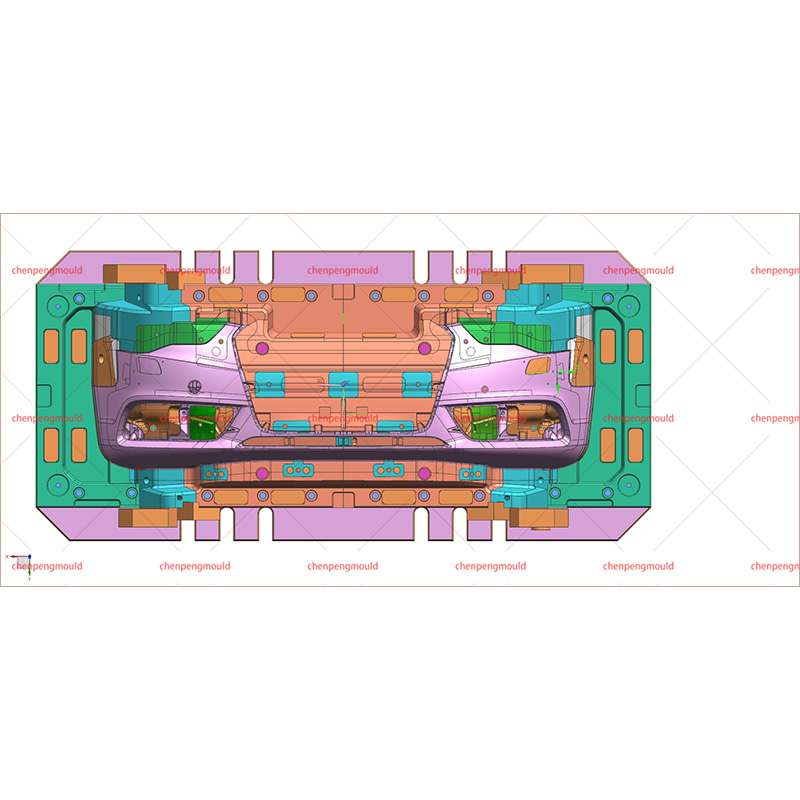
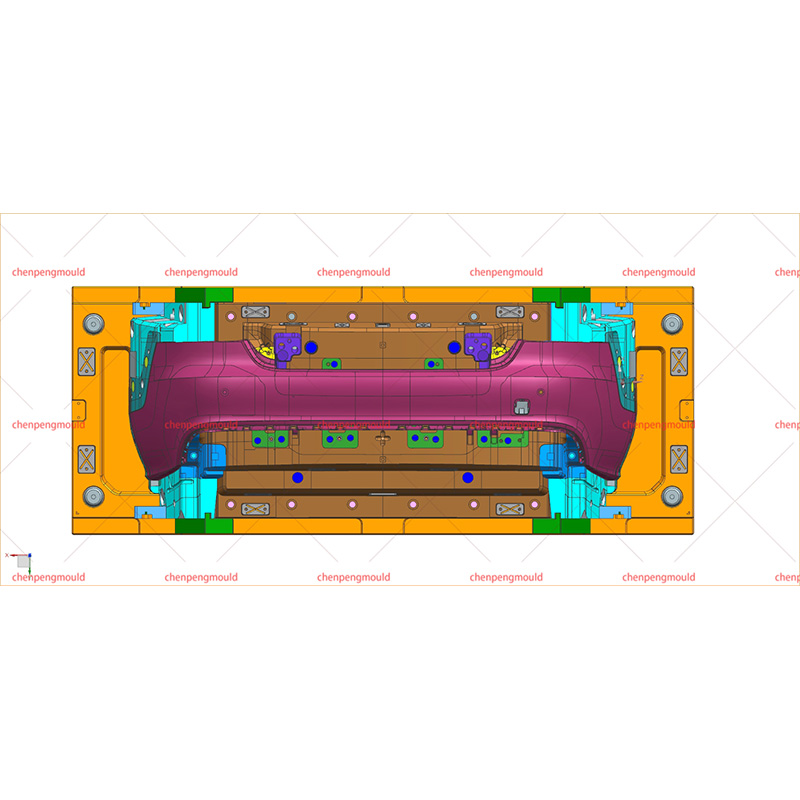
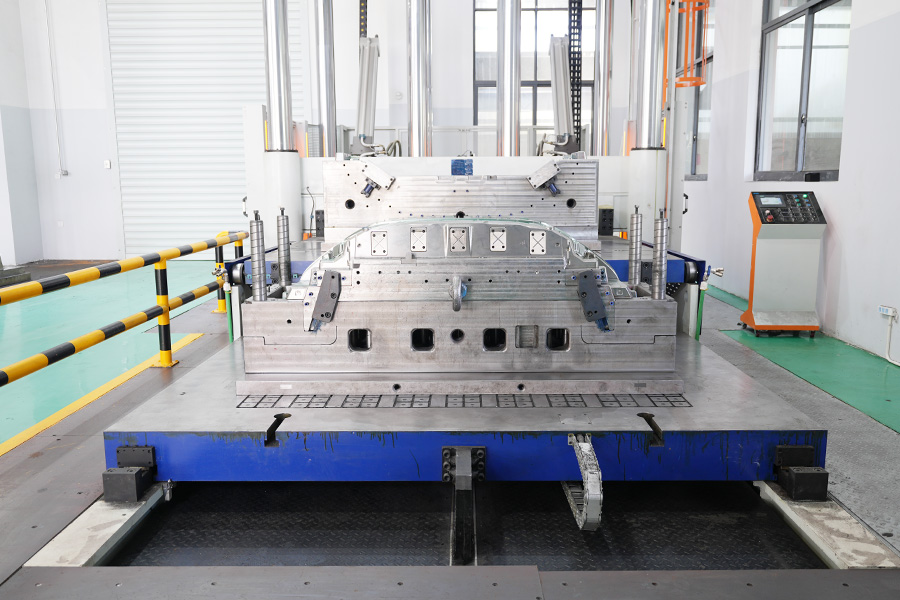
Injection molding parameters also influence final dimensions. Cooling speed, material flow, and mold temperature can affect shrinkage rates, creating small dimensional differences that become important around sensor locations.
Can OEM Sensors Be Transferred to a Modified Bumper?
Many customized bumper systems are designed to reuse original sensors. However, successful transfer requires accurate engineering rather than simple component replacement.
A sensor-compatible bumper design normally includes:
- Factory-style mounting points to maintain sensor position.
- Correct opening size to match original sensor dimensions.
- Proper bracket structure to reduce movement during driving.
- Compatible surface treatment to avoid sensor interference.
Some aftermarket bumper installation instructions also emphasize maintaining original sensor orientation and carefully routing sensor wiring during installation.
Signs That a Modified Bumper May Affect Sensor Performance
Drivers may notice several warning signs after installing a customized bumper:
- False parking warnings without nearby objects
- Reduced detection distance
- Radar system warning messages
- Uneven sensor response between left and right sides
These issues do not always mean the sensor itself is damaged. Incorrect installation position, altered bumper geometry, or unsuitable materials can also create abnormal behavior.
Engineering Considerations Before Developing a Sensor-Compatible Bumper
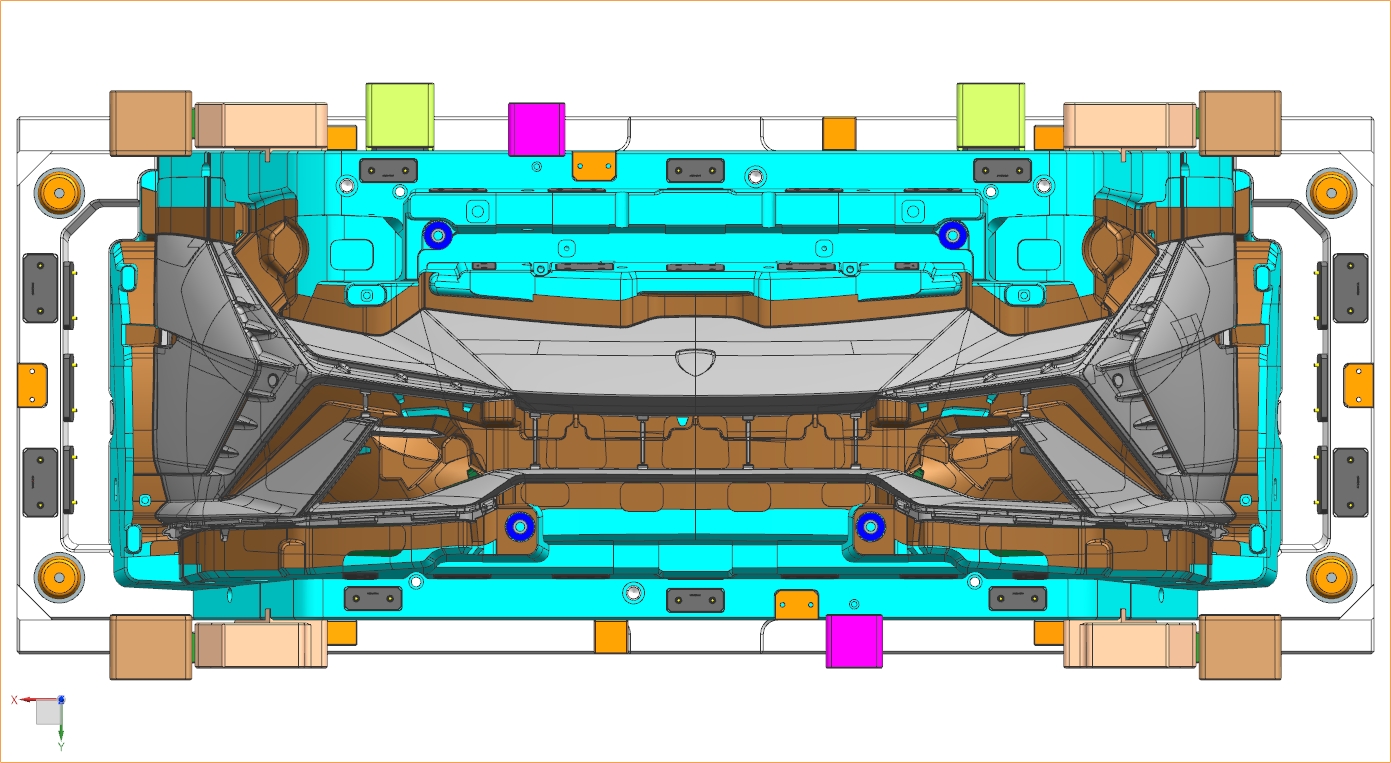
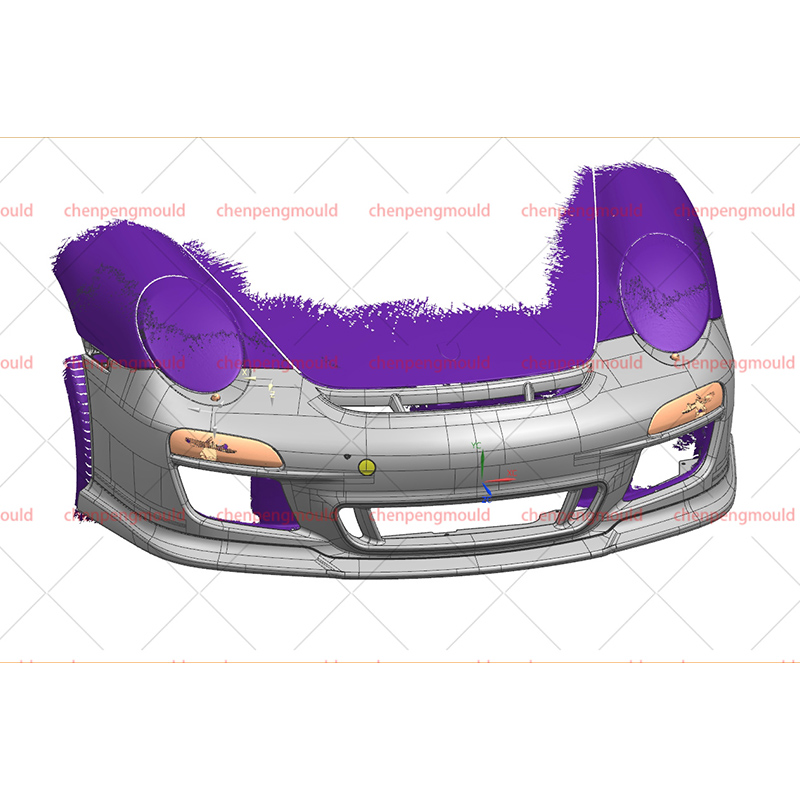
Manufacturers developing customized bumper components need to evaluate more than exterior styling. Digital modeling, prototype testing, and dimensional inspection help ensure that the finished part works together with vehicle electronics.
Important development factors include:
- 3D scanning of original bumper geometry
- Sensor mounting position verification
- Injection molding tolerance control
- Road testing after installation
A modified bumper molding can remain compatible with OEM sensors, but appearance alone is not enough to guarantee reliable operation. Sensor placement, material characteristics, and structural accuracy all influence the final result.
A well-designed customized bumper should maintain the original relationship between the exterior component and electronic systems. Combining accurate molding technology with proper sensor integration allows vehicle styling upgrades without sacrificing intelligent driving assistance functions.
 +86-18357617666