

 عربى
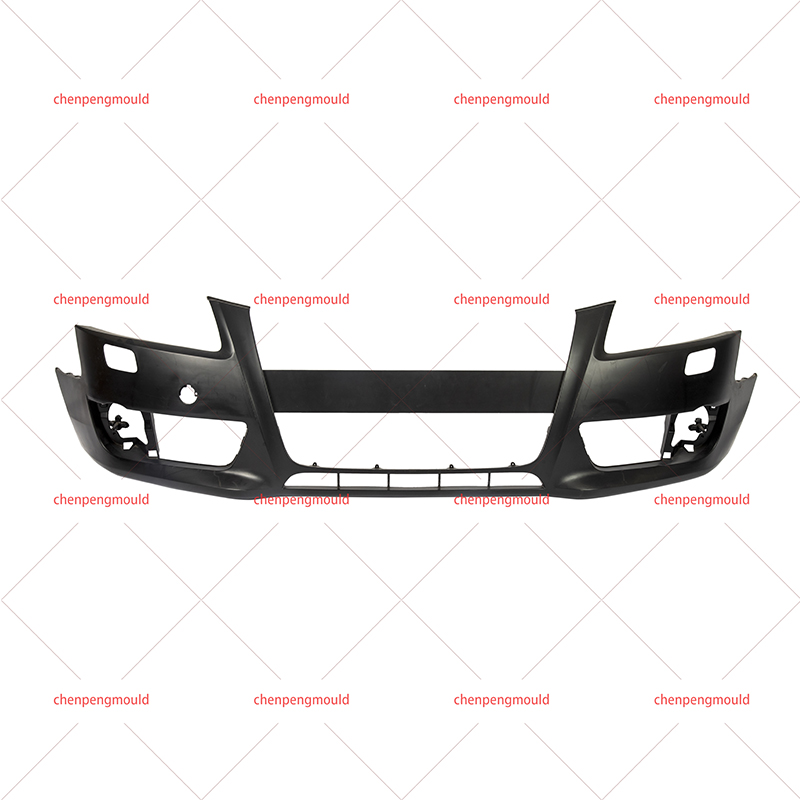
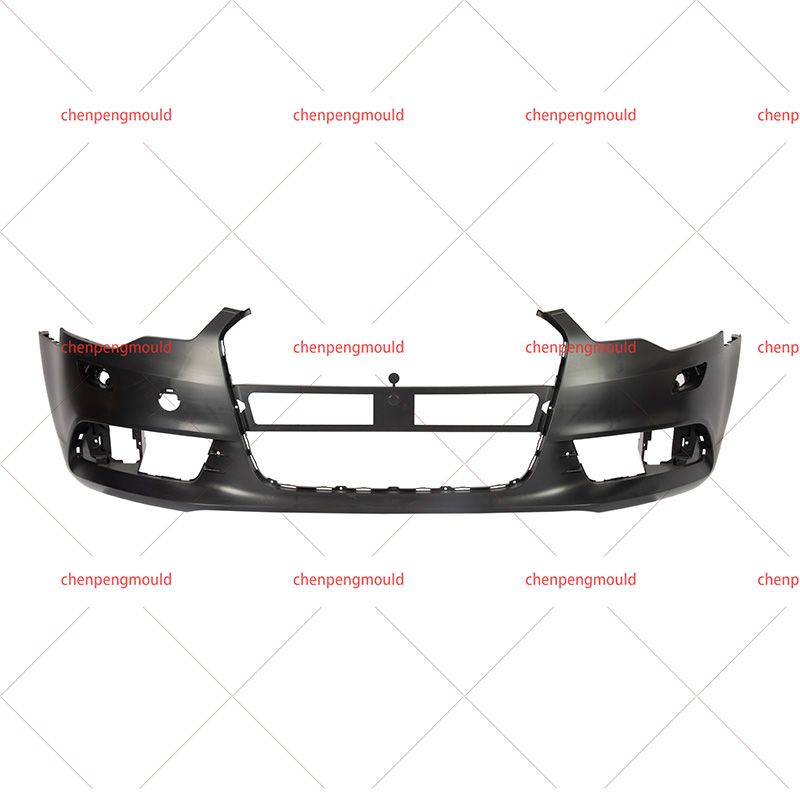
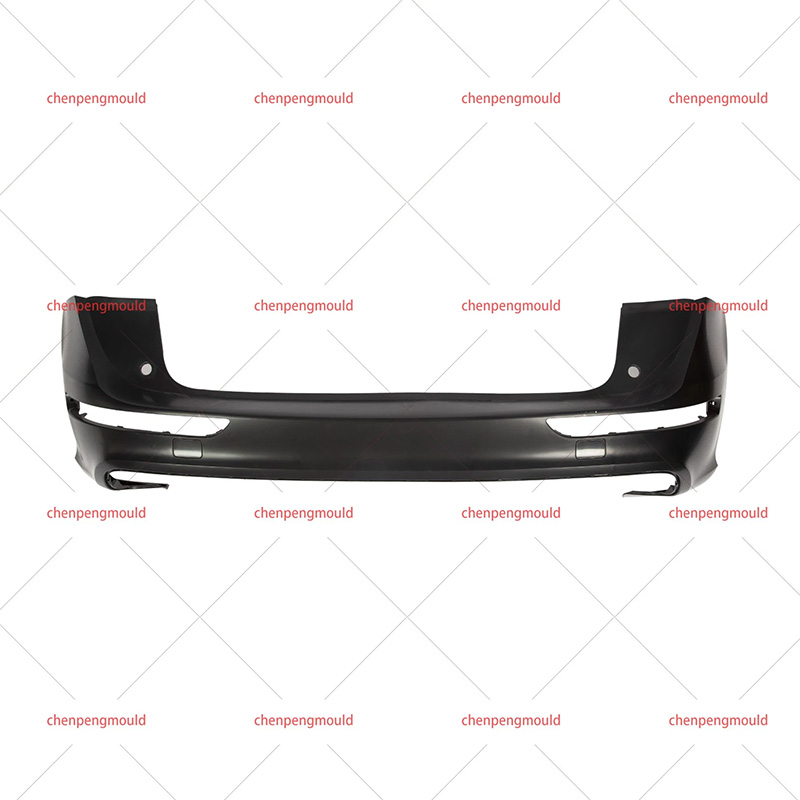
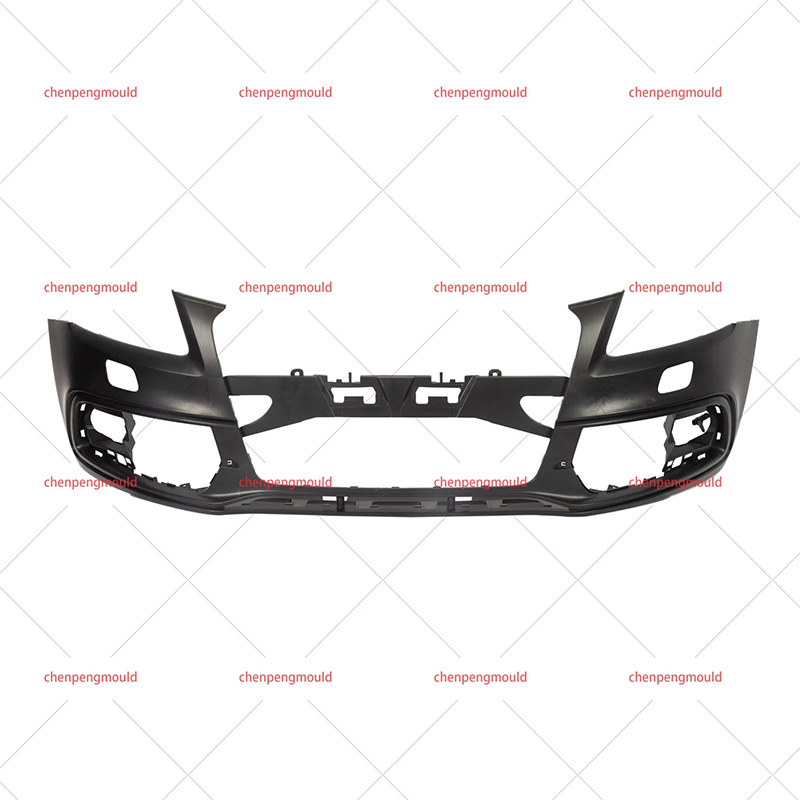
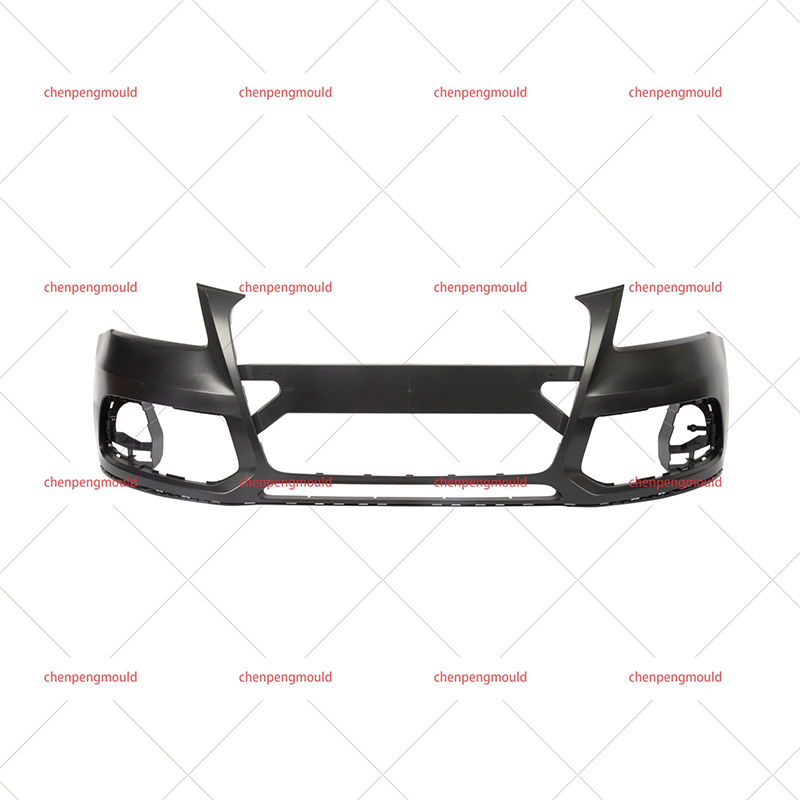
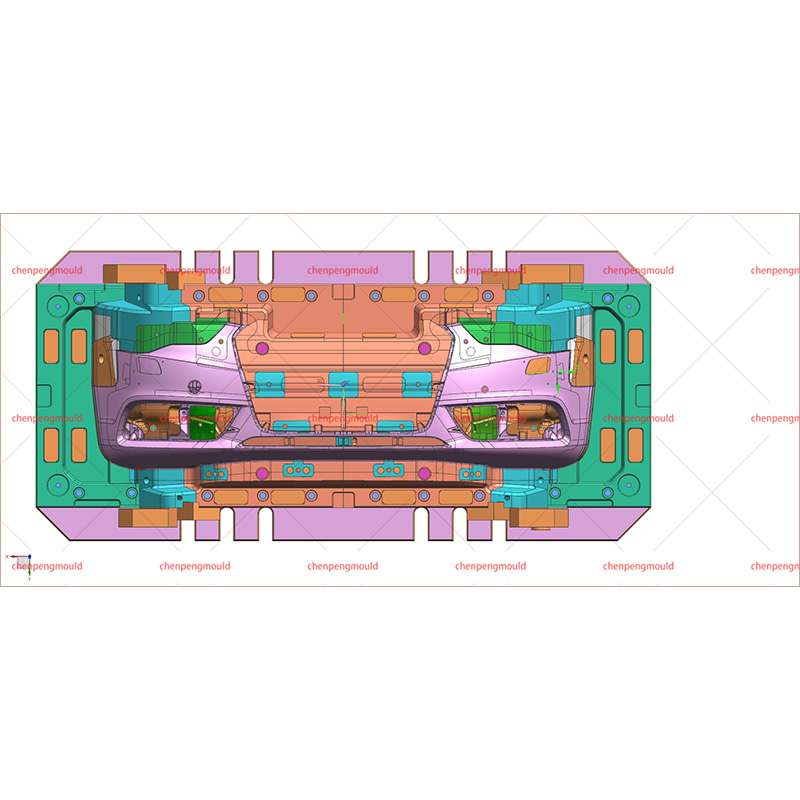
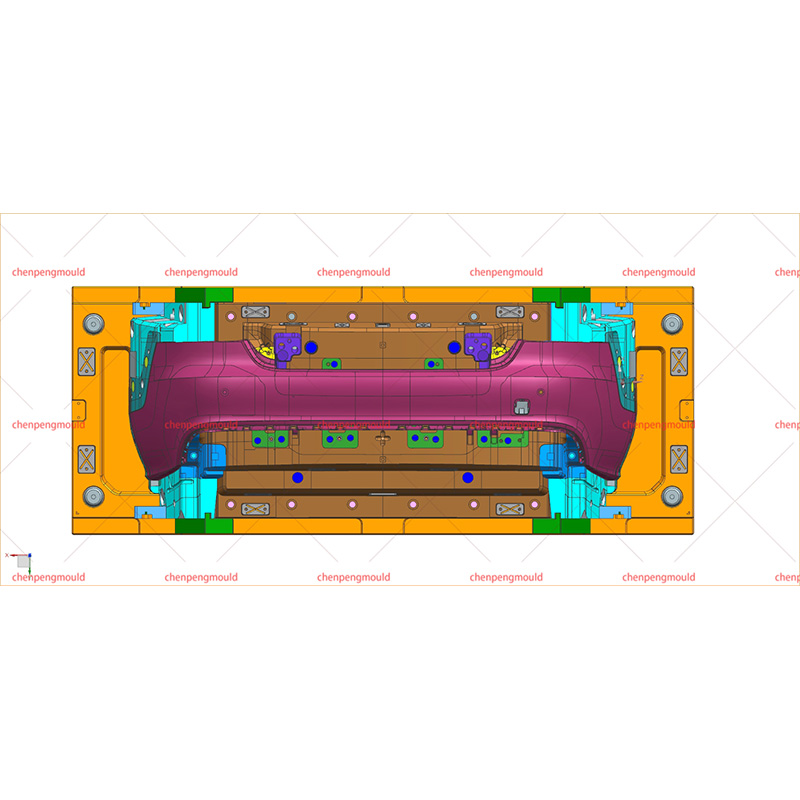
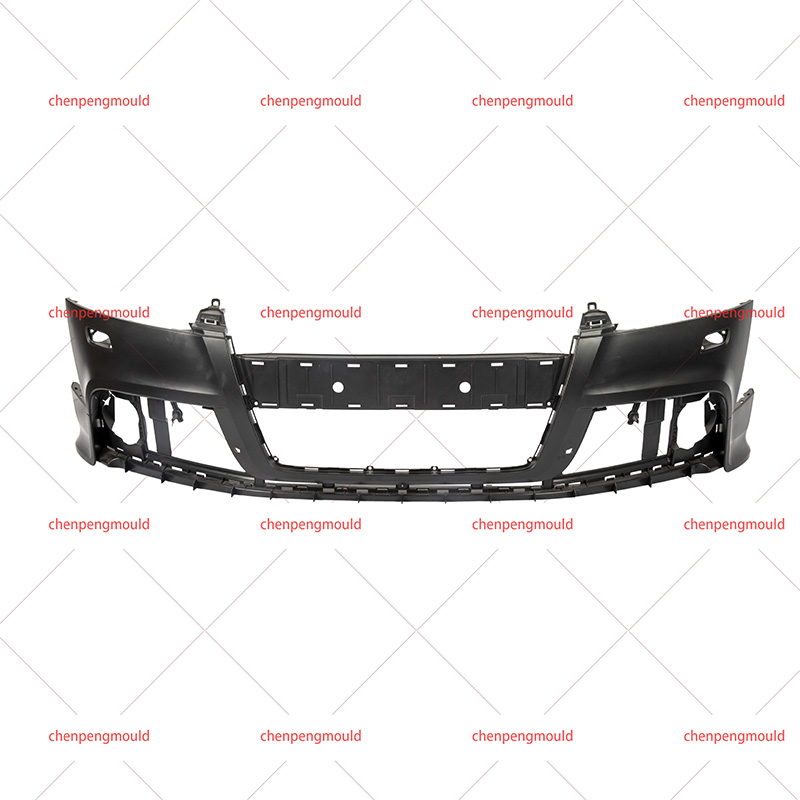
عربىCar bumper molding is a critical exterior component that combines impact resistance with aesthetic appeal. Surface defects in these molded parts can affect vehicle appearance, compromise paint adhesion, and interfere with assembly accuracy. Car Bumper Molding defects are not rare, and their origins are often traced to the molding process, material properties, and post-molding handling rather than a single error.
Uneven wall thickness causing shrinkage variation
Car bumpers often have complex geometries with thick reinforcement zones and thin outer skins. These variations create different cooling rates, which cause uneven shrinkage across the surface.
Observations:
- Thick rib areas shrink more slowly than thin edges
- Differences in contraction cause slight surface depressions or sink marks
- Rapid cooling of thin sections may produce flow lines
Studies indicate that even minor thickness differences (1–2 mm) can produce visible surface defects, particularly on high-gloss finishes.
Material properties influencing surface integrity
Polypropylene (PP), ABS, and their blends are commonly used for bumpers. Each polymer has specific viscosity and thermal behavior that affects surface smoothness.
Key material factors:
- Low-impact grade PP can develop micro-cracks under stress
- Moisture in hygroscopic materials like ABS causes hydrolysis, resulting in silver streaks
- Recycled content introduces inconsistent melt flow and weak bonding zones
Material selection and proper drying protocols are crucial to reduce visible defects on finished parts.
Injection speed and pressure variations
High-speed injection or excessive pressure can cause surface irregularities such as flow lines, jetting, or burn marks. These effects often appear along edges or near gate locations.
Technical notes:
- Uneven flow velocity increases surface tension differences
- Narrow gates amplify jetting effects in localized zones
- Excessive pressure may trap air or create internal voids
Optimizing injection speed and pressure according to part geometry ensures smoother surfaces without compromising structural performance.
Gate design and flow path imbalance
The position and size of gates influence how molten plastic fills the mold cavity. Improper design can generate weld lines or uneven surface textures.
Key observations:
- Flow front collision forms weak bonding lines visible after painting
- Delayed filling in far corners produces subtle depressions or voids
- Single-point gates may create asymmetrical flow patterns
Multi-point gating or sequential filling helps stabilize surface geometry and reduce defect occurrence.
Cooling channel layout
Surface quality is highly sensitive to the mold’s cooling system. Uneven cooling rates cause differential shrinkage, resulting in visible lines, dimples, or warping on large bumper surfaces.
Practical considerations:
- Cooling channels should be evenly distributed across thick and thin sections
- Hot spots can form near gate areas or under ribs
- Surface finish of mold cavities affects heat transfer and resin solidification
Effective cooling balance ensures uniform solidification and minimizes surface anomalies.
Ejection and handling stresses
Even after molding, surface defects can develop during part removal or handling. Improper ejection angles or force can create scratches, stress whitening, or minor cracks.
Typical handling challenges:
- Ejector pins contacting thin decorative sections
- Rapid demolding causing sudden strain in edges or ribs
- Parts stacked improperly before temperature stabilization
Careful mechanical release and post-molding support reduce surface damage.
Environmental factors and paint adhesion
Surface defects are sometimes enhanced during painting. Flexible bumpers expand and contract with temperature changes. If the surface has micro-cracks or uneven thickness, paint may develop cracks or peel.
Considerations for surface preparation:
- Flex additives in primer and topcoat improve paint elasticity
- Avoid body fillers not designed for flexible plastics
- Ensure full curing of filler and coating layers before assembly
These measures protect both aesthetics and functional integrity of Car Bumper Molding.
Surface defects in Car Bumper Molding reflect the interplay of geometry, material behavior, process parameters, and post-molding treatment. Controlling wall thickness, optimizing injection conditions, balancing cooling channels, and careful ejection handling are critical to minimizing visible flaws.
Manufacturers who pay attention to these factors can produce bumpers with smoother surfaces, better paint adhesion, and consistent dimensional stability, reducing rework and improving overall vehicle quality.
 +86-18357617666