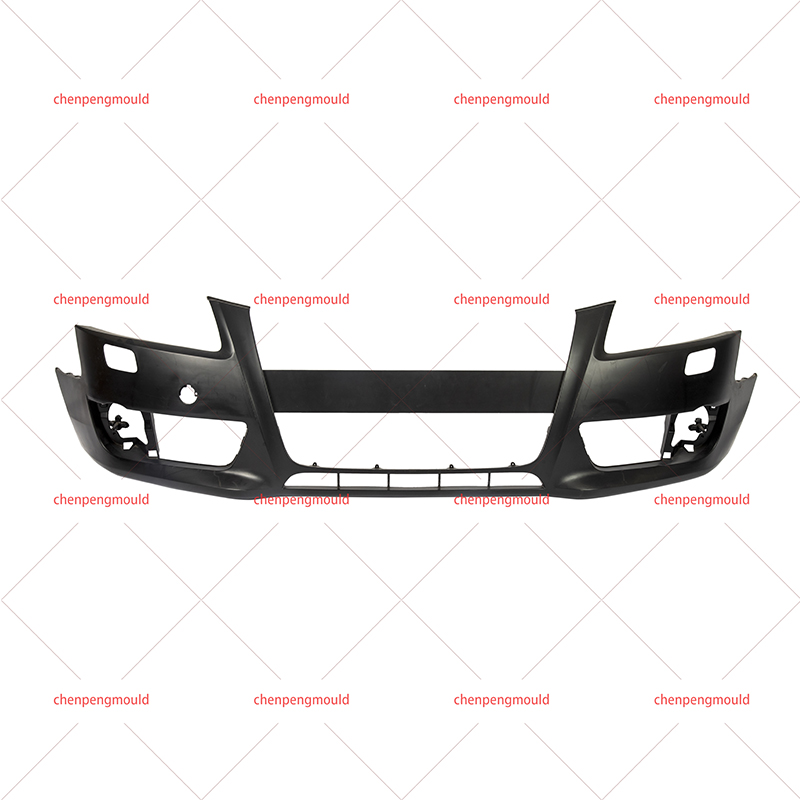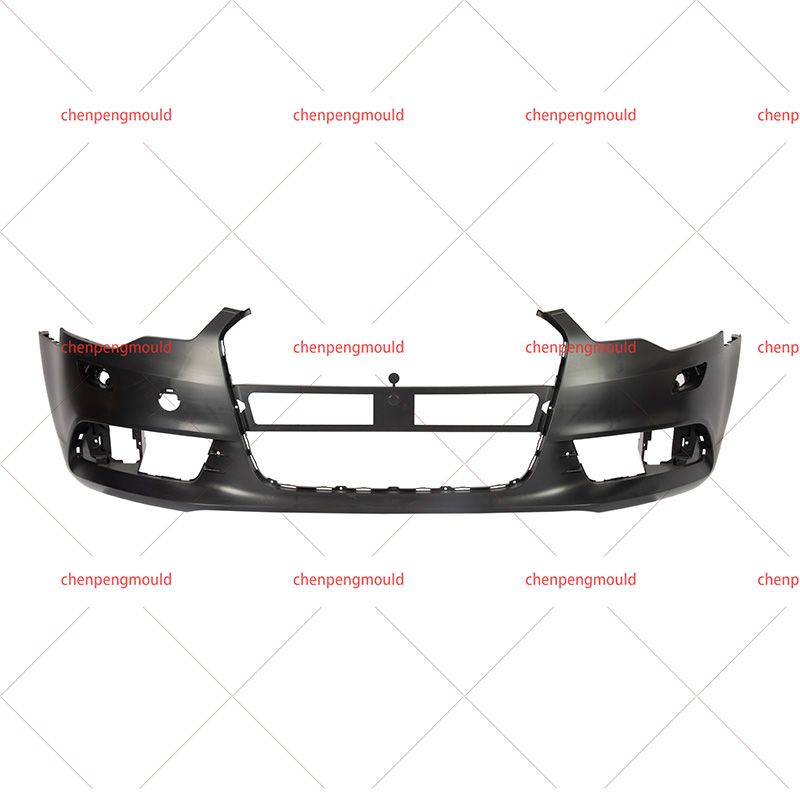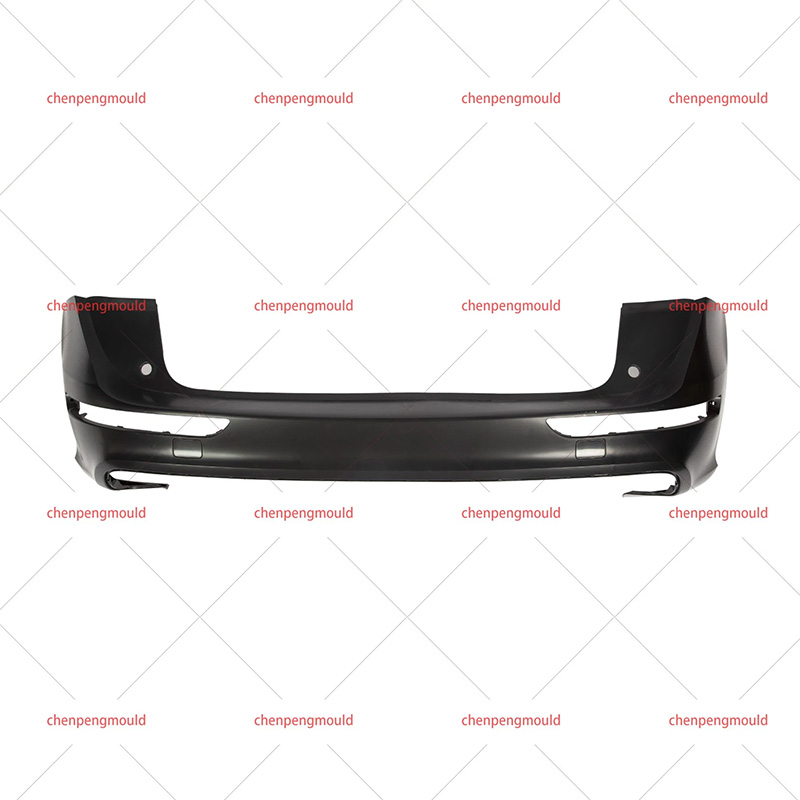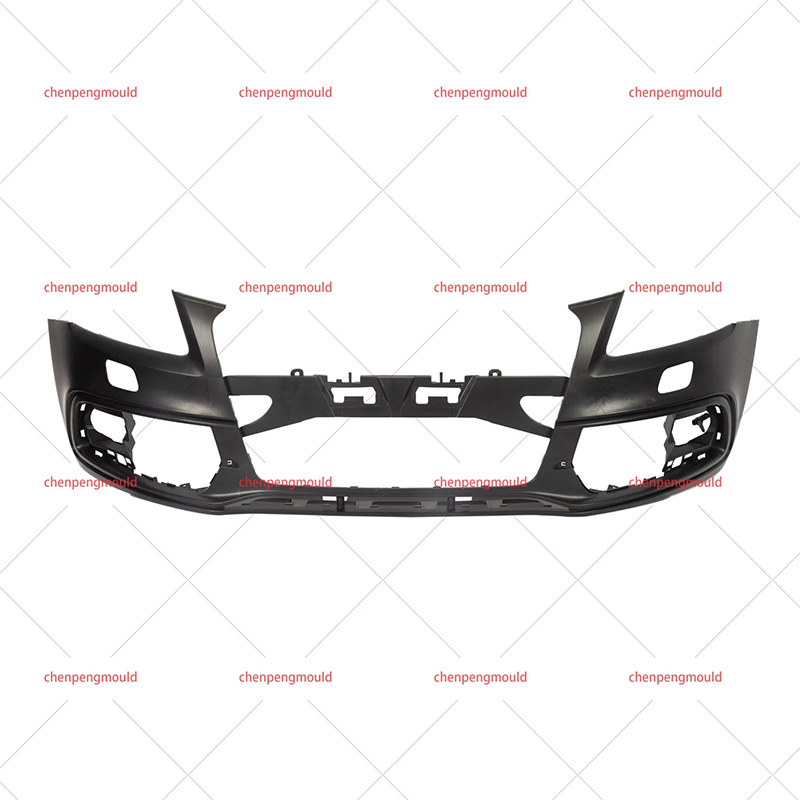


 عربى
عربىAutomotive bumper components are designed to withstand impacts, vibration, temperature changes, and long-term outdoor exposure. However, some users discover unexpected cracks shortly after installation, even though the bumper surface appears normal during initial inspection. These failures are often connected with hidden stresses created during molding, transportation, assembly, or vehicle operation.
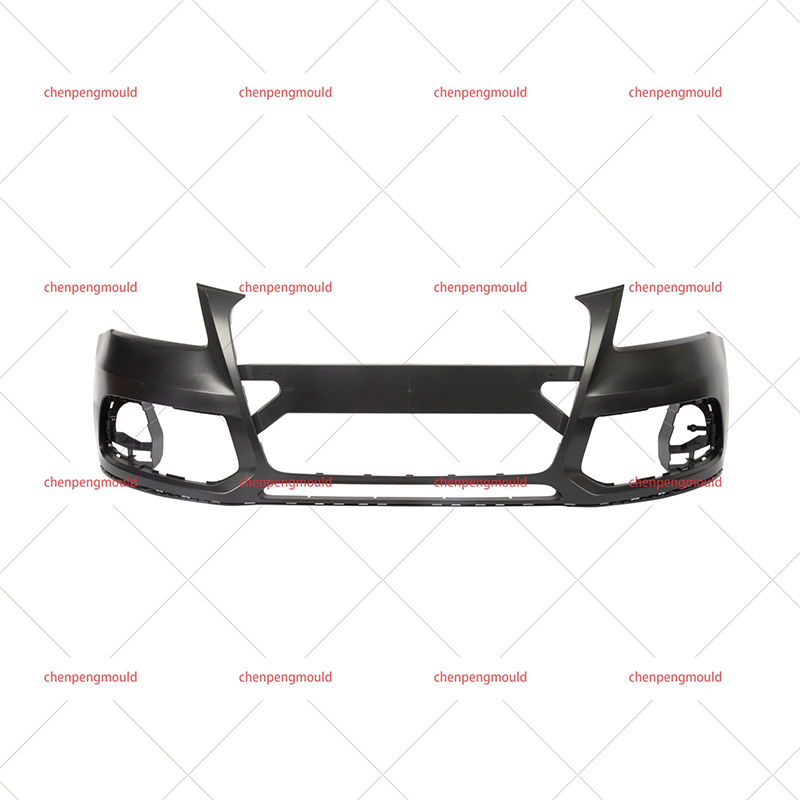
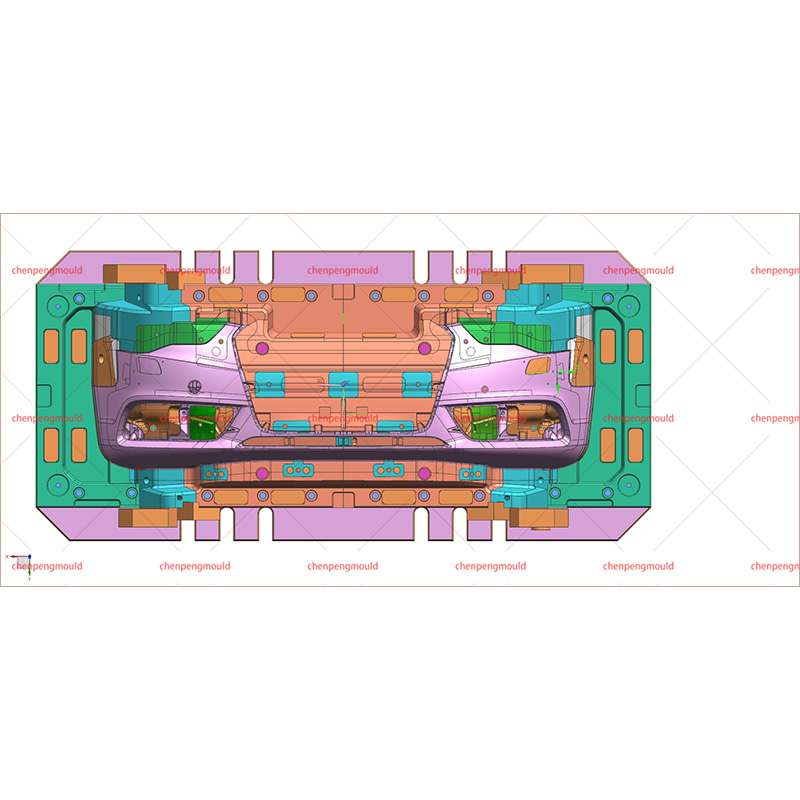
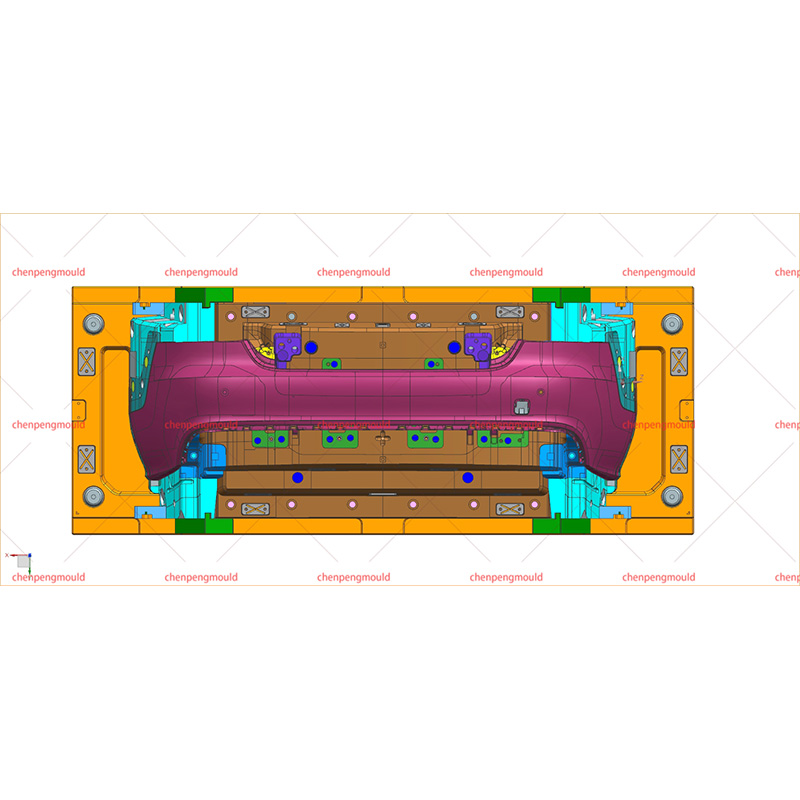
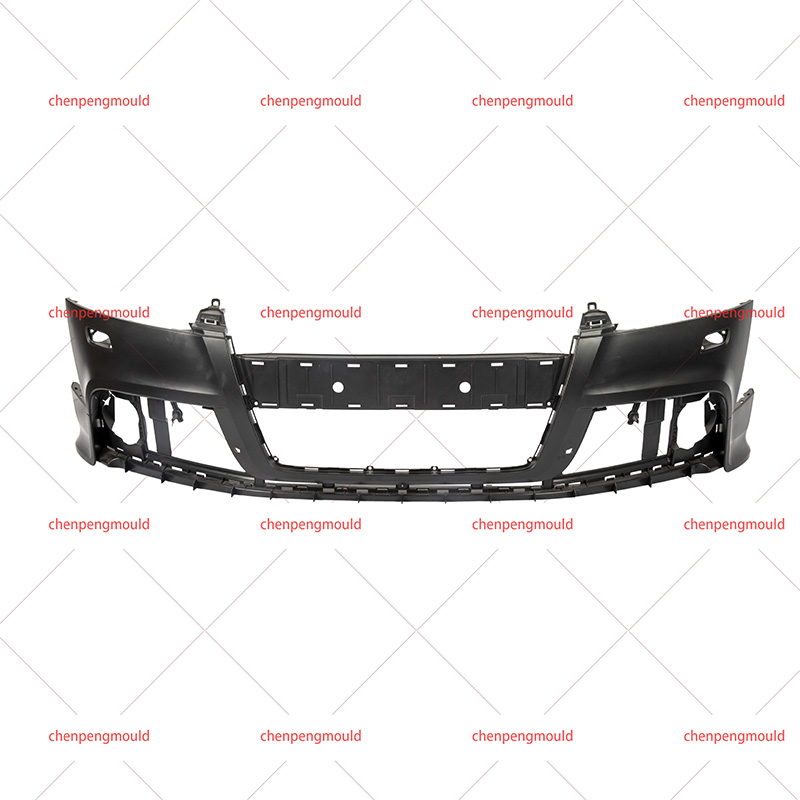
A plastic bumper mould plays a critical role in determining the final strength and dimensional stability of bumper parts. Cracking problems are rarely caused by a single factor. Residual stress, uneven cooling, improper installation force, material characteristics, and structural design can combine to weaken certain areas. Injection molding studies indicate that internal stress and deformation are common reasons behind cracks appearing in molded plastic components.
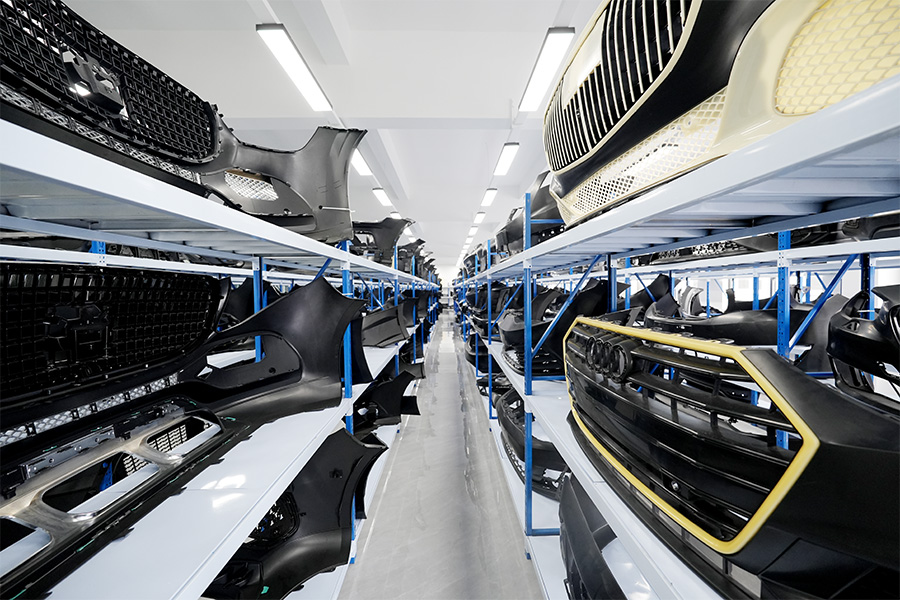
Hidden Stress Inside Injection Molded Bumper Parts
Many bumper cracks are not visible immediately after production. During injection molding, molten plastic flows through complex channels before filling the cavity. Long flow paths, different wall thickness sections, and reinforcement ribs can create uneven cooling conditions.
During the cooling stage, the outer surface may solidify faster than the internal structure. This difference creates internal tension that remains trapped inside the plastic component.
- Residual stress accumulation – Internal forces remain inside the bumper after molding and may appear later during installation or driving.
- Uneven shrinkage – Different cooling speeds between thick and thin areas can create deformation pressure.
- Stress concentration zones – Mounting holes, clips, corners, and rib connections often experience higher loads.
For large automotive exterior parts, controlling these factors is especially important because bumper structures contain wide surfaces combined with multiple mounting features.
Why Cracks Appear During Installation
A bumper may look stable after removal from the mold but develop cracks during fitting on the vehicle. The installation process introduces external forces that can activate hidden weaknesses.
- Misaligned mounting points – Forced adjustment between bumper holes and vehicle brackets increases local stress.
- Excessive fastening force – Over-tightened screws or clips may create pressure around fixing areas.
- Incorrect clip engagement – Uneven locking conditions can place additional load on surrounding plastic.
Injection molded parts can experience cracking during assembly because external forces combine with existing internal stress. This type of failure is commonly associated with mounting pressure, demolding stress, and structural weakness around connection points.
Material Selection Influences Crack Resistance
Automotive bumpers usually use engineering plastics such as polypropylene-based materials because they provide impact resistance and lightweight characteristics. However, different grades of plastic behave differently under temperature changes and mechanical pressure.
Material-related factors affecting cracking include:
- Low impact strength under cold temperatures
- Poor compatibility between recycled material content and performance requirements
- Incorrect additive ratios affecting flexibility
- Material degradation caused by excessive processing temperature
A bumper part requires a balance between rigidity and flexibility. Excessive stiffness may improve surface stability but can increase fracture risk under impact or vibration conditions.
Mold Design Problems Behind Bumper Cracking
The quality of the molding tool directly influences the final plastic component. A poorly designed tool may create uneven filling patterns, weak weld lines, or inconsistent wall thickness.
Important mold design considerations include:
- Gate position – Incorrect gate locations can create uneven material flow and stress concentration.
- Cooling channel layout – Poor cooling balance may increase warpage and internal stress.
- Draft angle design – Insufficient draft can increase ejection force and damage the part.
Research on injection molding defects shows that excessive ejection force, insufficient draft angles, and unsuitable mold structures can contribute to cracking during part removal.
The Impact of Temperature Changes on Bumper Durability
Automotive bumpers operate in environments with significant temperature variation. A vehicle parked under direct sunlight may experience high surface temperatures, while winter conditions can reduce plastic flexibility.
Repeated heating and cooling cycles can gradually influence stress distribution inside molded parts.
- High temperature exposure may soften plastic and reduce dimensional stability.
- Low temperature conditions may reduce impact resistance.
- Thermal expansion differences may increase stress around fixed mounting points.
How Surface Cracks Differ From Structural Failures
Not every visible crack represents the same problem. Some marks are only cosmetic surface defects, while others indicate deeper structural weakness.
Common crack patterns include:
- Hairline cracks – Often associated with surface stress or coating issues.
- Cracks near mounting holes – Usually connected with installation force or stress concentration.
- Long cracks along ribs – May indicate internal stress or uneven cooling.
Identifying the crack location helps determine whether the problem originates from molding conditions, material behavior, or installation procedures.
Improving Plastic Bumper Mould Reliability
Reducing cracking risk requires cooperation between product design, mold engineering, and production control. A stable manufacturing process focuses on dimensional accuracy and balanced stress distribution.
- Optimize injection pressure and holding parameters
- Maintain consistent cooling conditions
- Improve rib and mounting structure design
- Control material quality and processing temperature
- Perform installation simulation before mass production
Cracking after installation does not always indicate poor appearance quality or simple material failure. A plastic bumper mould determines many hidden factors that influence durability, including internal stress, cooling balance, and structural strength.
Understanding the relationship between molding technology and final vehicle assembly helps manufacturers create bumper components with better stability. Proper mold design, suitable materials, and controlled installation methods work together to reduce unexpected cracking during real-world use.
 +86-18357617666