

 عربى
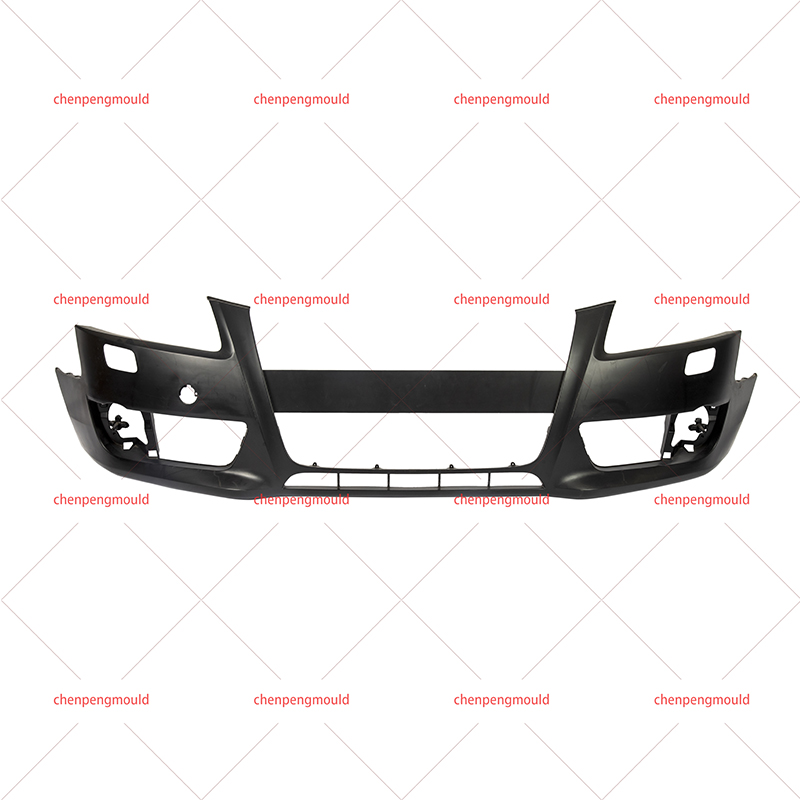
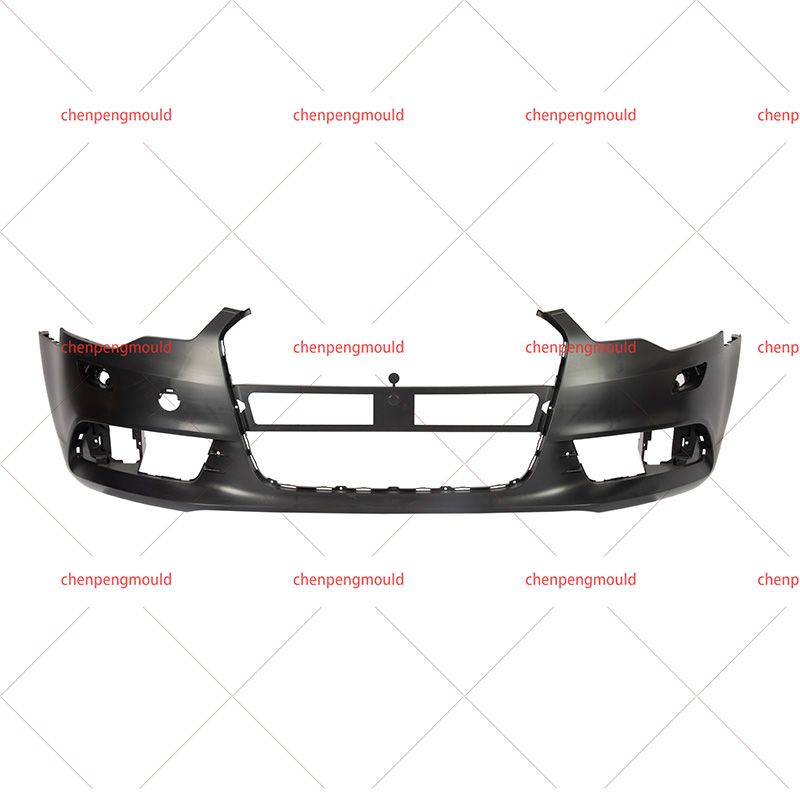
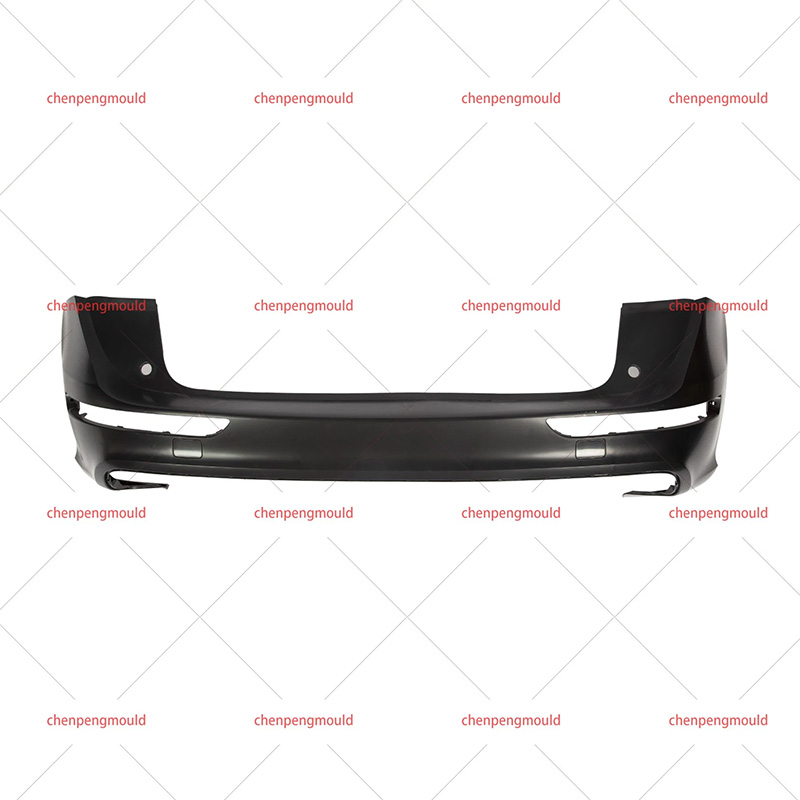
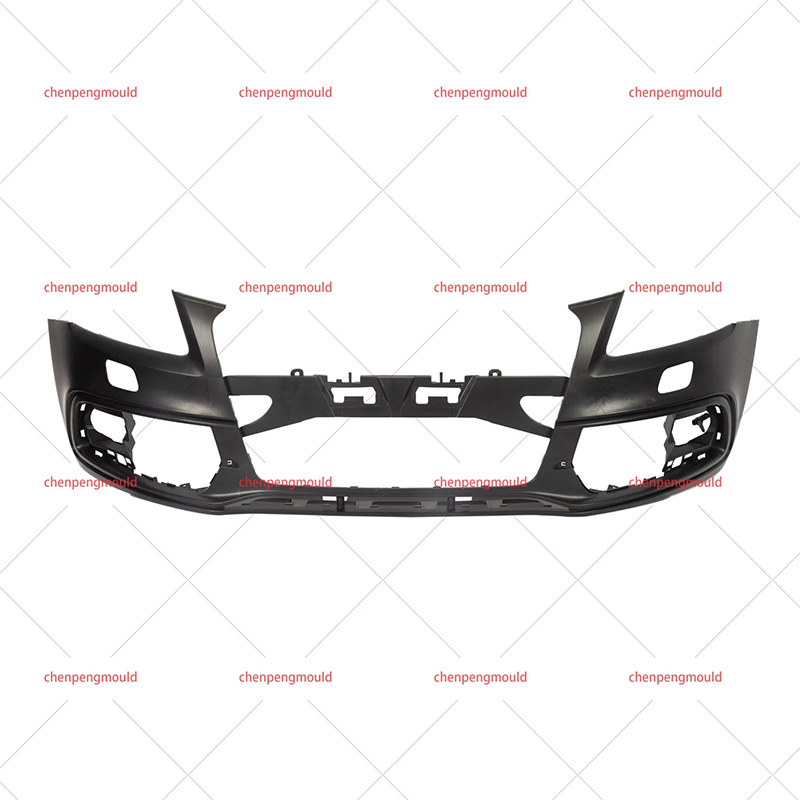
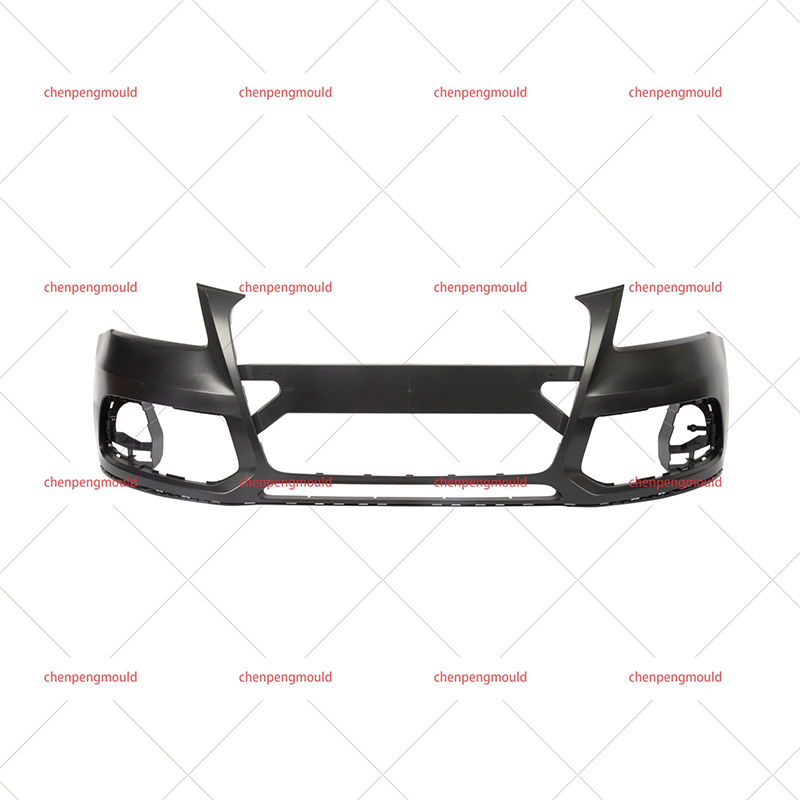
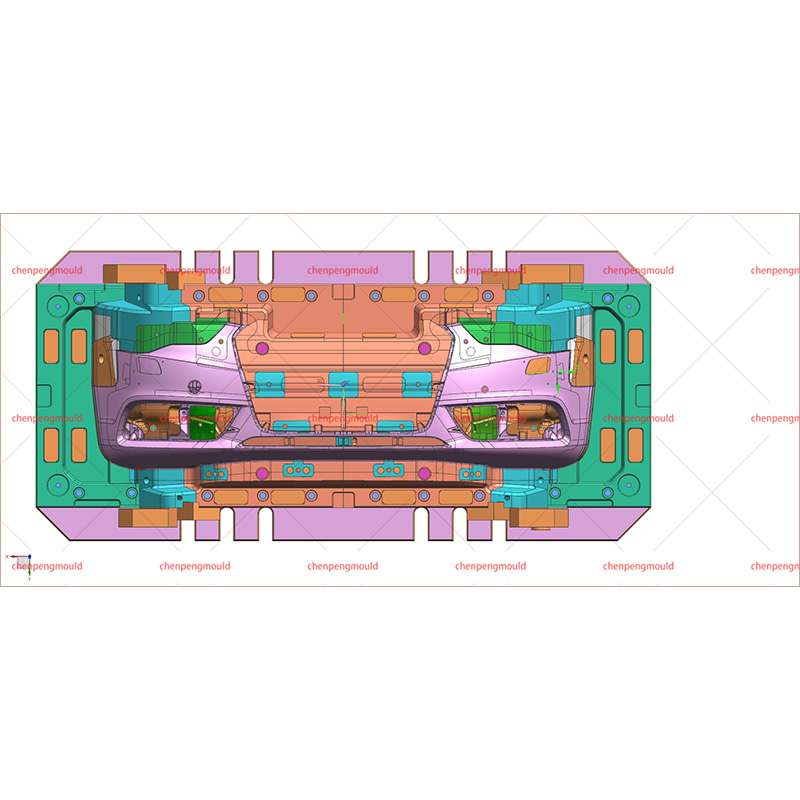
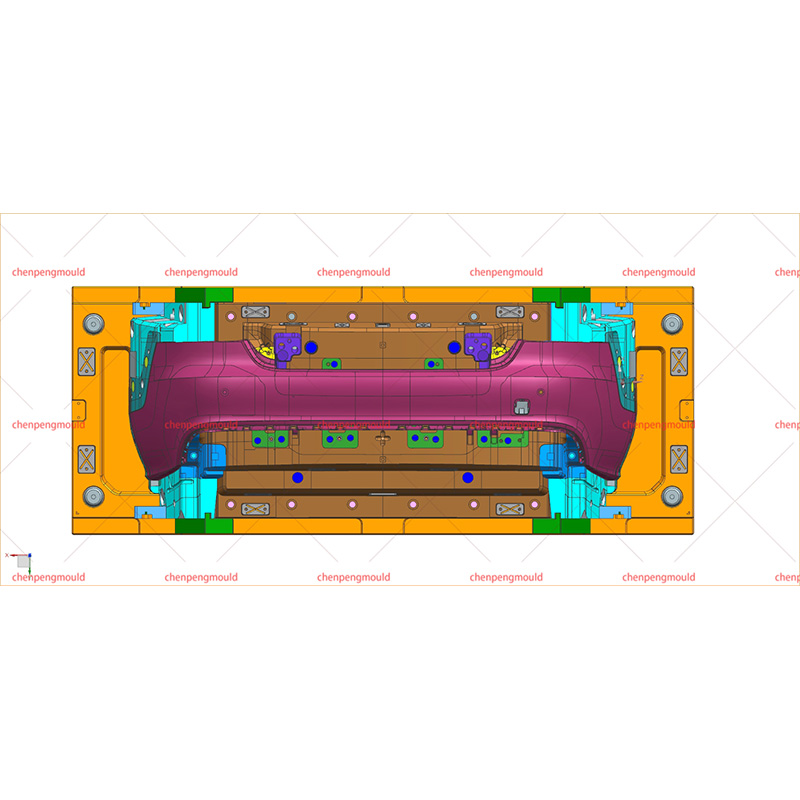
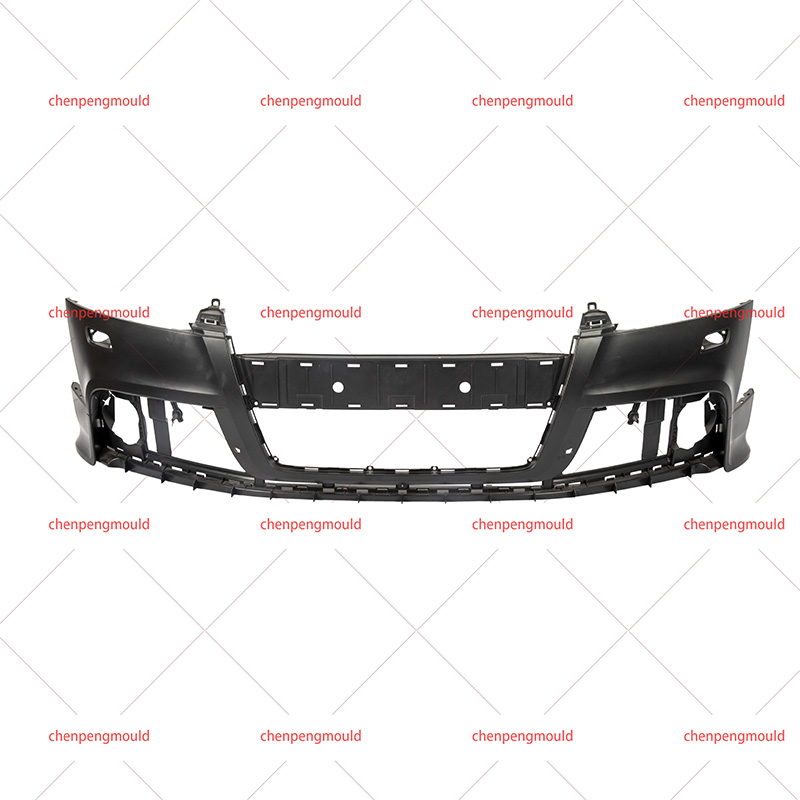
عربىAutomotive manufacturers often deal with several plastic components that share similar geometry but differ in size, mounting points, openings, logos, or surface details. This raises a practical tooling question: can one Automotive Plastic Parts Injection Mold produce several related components instead of requiring a dedicated mold for every part?
The answer can be yes, but the feasibility depends heavily on part similarity, material behavior, cavity layout, and tooling architecture. Family molds and interchangeable insert systems provide two approaches worth considering for automotive plastic components.
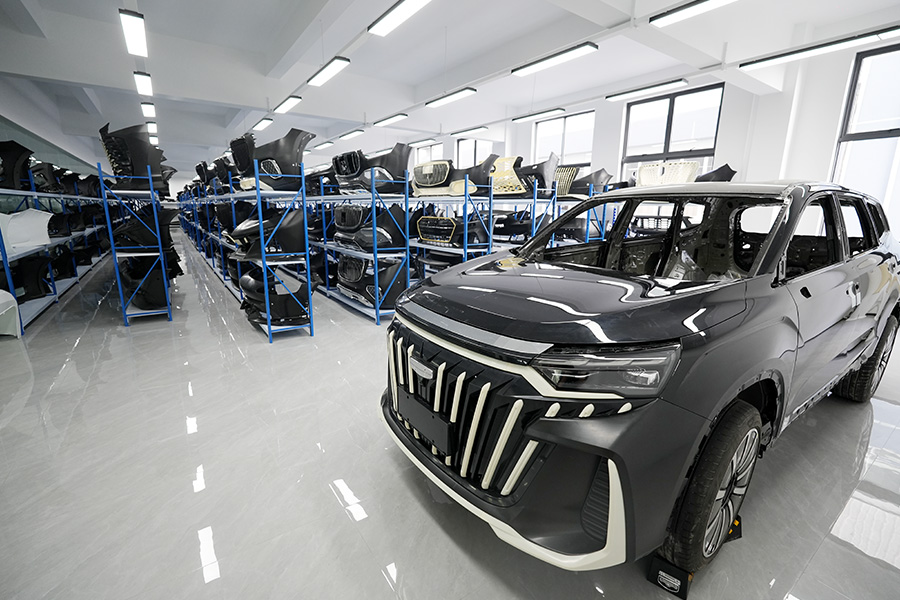
Two Ways to Produce Multiple Parts
Family Mold Configuration
Family molding places different cavity shapes into the same mold base. A single injection cycle can produce several related components, such as brackets, covers, clips, or matched interior components.
This configuration works particularly well when the parts use the same resin and have reasonably similar molding requirements. Runner design becomes critical because cavities with different volumes can require different filling times and pressure conditions.
Interchangeable Insert Design
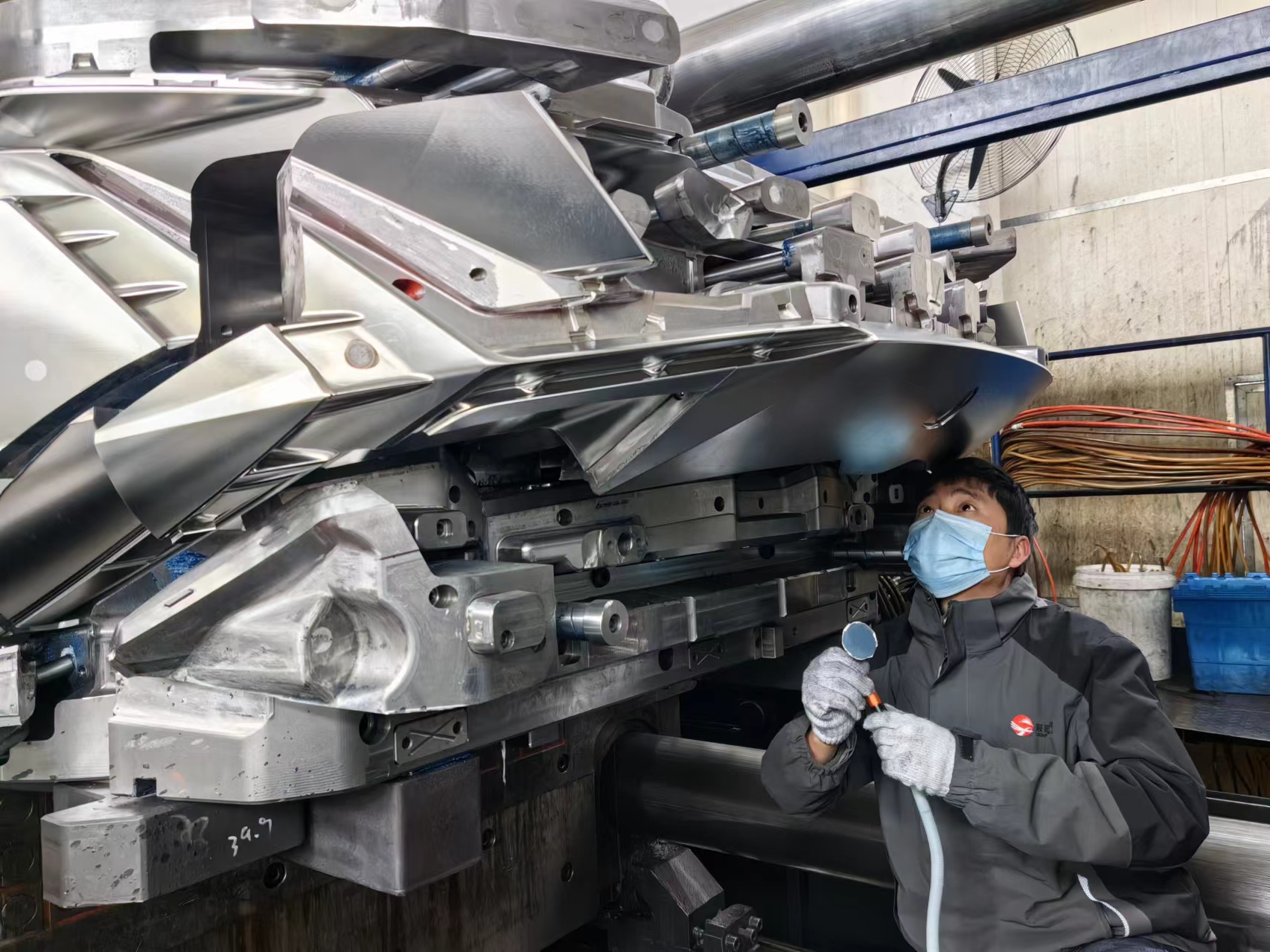
Interchangeable inserts take another approach. The main mold base remains unchanged while cavity or core inserts are replaced to create different versions of a plastic component. This structure can accommodate variations such as mounting holes, surface markings, dimensions, or localized geometry. Industry tooling references describe interchangeable inserts as a practical solution for producing related parts from a shared mold base.
This approach can also support vehicle platforms that use similar components across different trim levels or model variants.
Which Parts Are Suitable for Shared Tooling?
Not every automotive component should be placed into the same mold. Similarity between parts matters more than simply having several plastic products from the same vehicle.
- Similar wall thickness: Parts with comparable wall sections generally have more compatible filling and cooling behavior.
- Related geometry: Components sharing a basic shape can benefit from replaceable core and cavity inserts.
- Compatible resin: PA, ABS, PP, PC/ABS and other materials have different processing requirements, so material compatibility must be evaluated before combining cavities.
- Balanced production demand: Parts requiring very different output quantities may create an inefficient cavity arrangement.
Where Does the Engineering Challenge Appear?
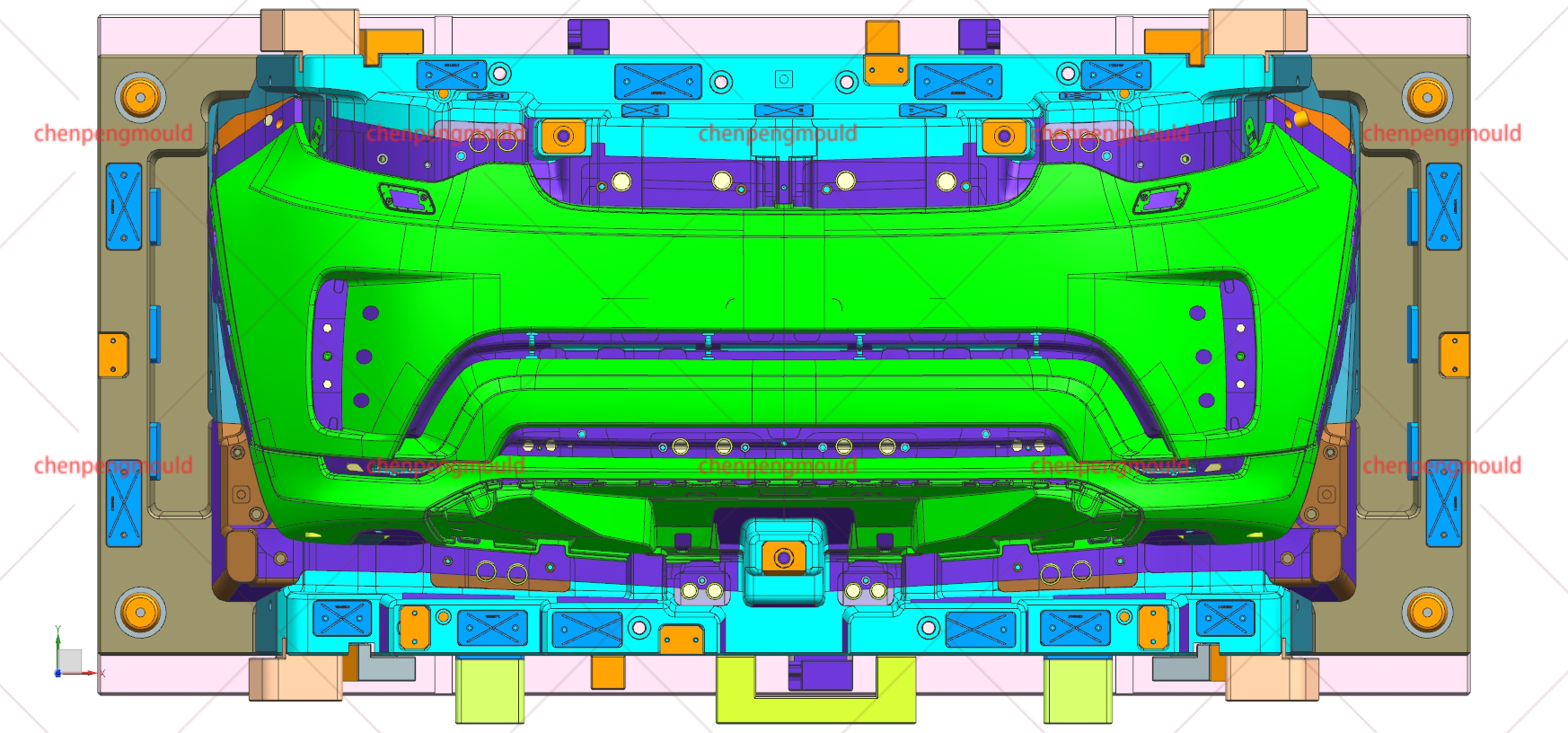
A multi-part Automotive Plastic Parts Injection Mold has to distribute molten plastic across cavities with different shapes and volumes. Uneven filling can create short shots, sink marks, weld lines, dimensional variation, or excessive packing pressure.
Runner balance is therefore a major design consideration. Mold-flow analysis can help engineers examine filling time, pressure distribution, cooling behavior, and potential deformation before steel is machined. Recent automotive tooling examples also show how DFM analysis can address wall thickness, small holes, draft angles, ejection and surface requirements during multi-part mold development.
Technical Details Worth Checking
Several parameters can influence whether shared tooling is practical:
- Wall thickness variation
- Projected part area and required clamping force
- Gate location and gate size
- Runner diameter and flow balance
- Cooling-channel arrangement
- Shrinkage characteristics of the selected plastic
- Expected cavity count and annual production volume
- Insert positioning and repeatable alignment tolerance
For example, a mold producing three components with wall sections around 0.5 mm, 1.0 mm and 1.5 mm would require careful filling analysis because the thinner section may freeze earlier while the thicker section may require longer cooling. A real automotive multi-part mold case has demonstrated how different component weights and wall thicknesses can coexist within a 1+1+1 tooling configuration, provided that the mold design addresses these differences during DFM development.
Shared Tooling Does Not Mean Universal Tooling
The concept of using one mold for multiple automotive plastic parts sounds straightforward, but the mold still needs to be engineered around specific component relationships. A family mold containing unrelated parts with very different flow lengths or wall structures may create more process problems than it solves.
Interchangeable inserts can offer greater flexibility for product variations because the main mold structure remains available while selected cavity or core sections are modified. This makes the concept particularly interesting for automotive programs involving model updates, regional variants, or several versions of a similar component.
Is One Mold Enough for Your Automotive Parts?
Shared tooling can be a practical solution when automotive components have compatible geometry, materials, production requirements, and molding conditions. Family molds can produce related parts within the same cycle, while interchangeable inserts can support controlled variations from a common mold base.
The key question is therefore not simply whether one Automotive Plastic Parts Injection Mold can produce multiple components. The more useful question is whether those components have enough technical similarity to share the same tooling architecture without compromising dimensional accuracy, surface quality, filling balance, or future design flexibility.
 +86-18357617666