

 عربى
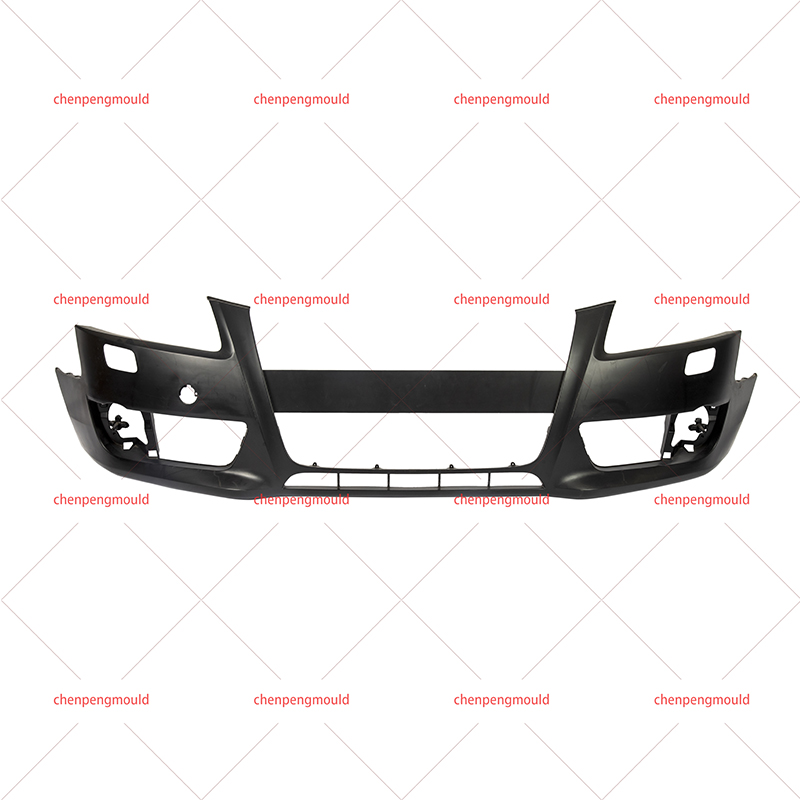
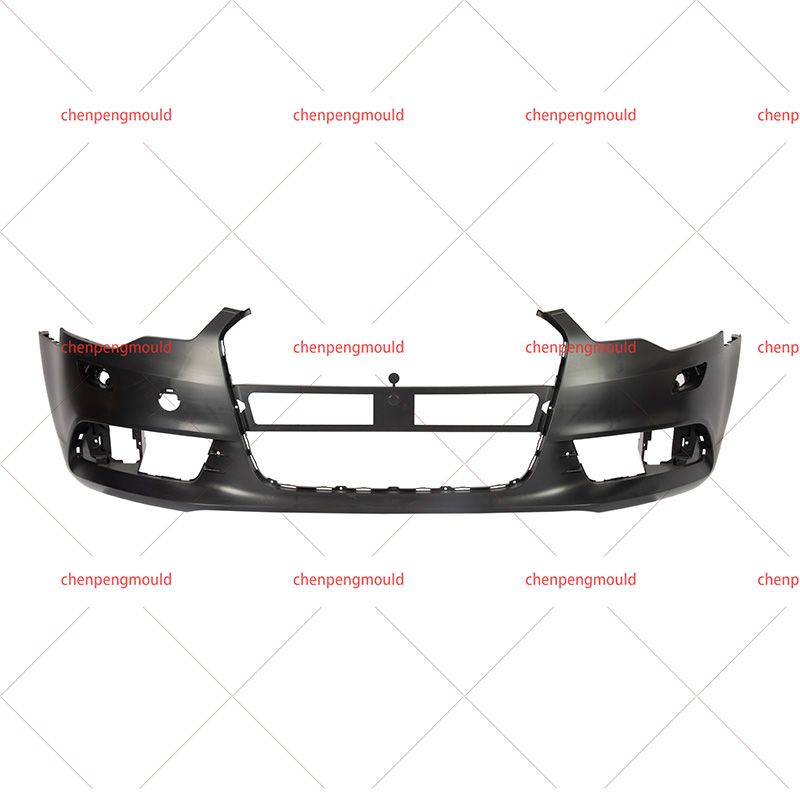
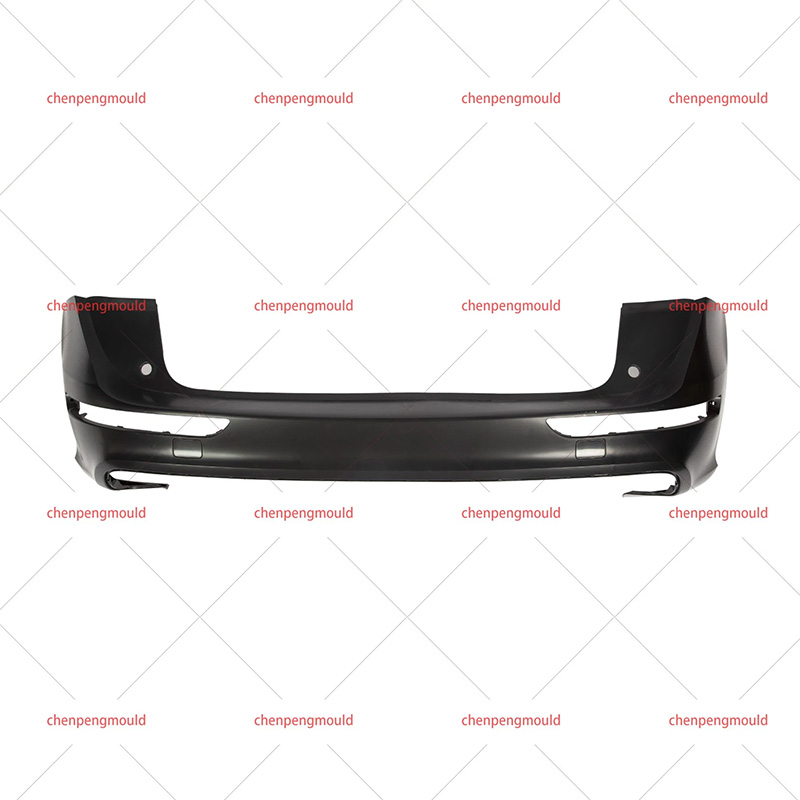
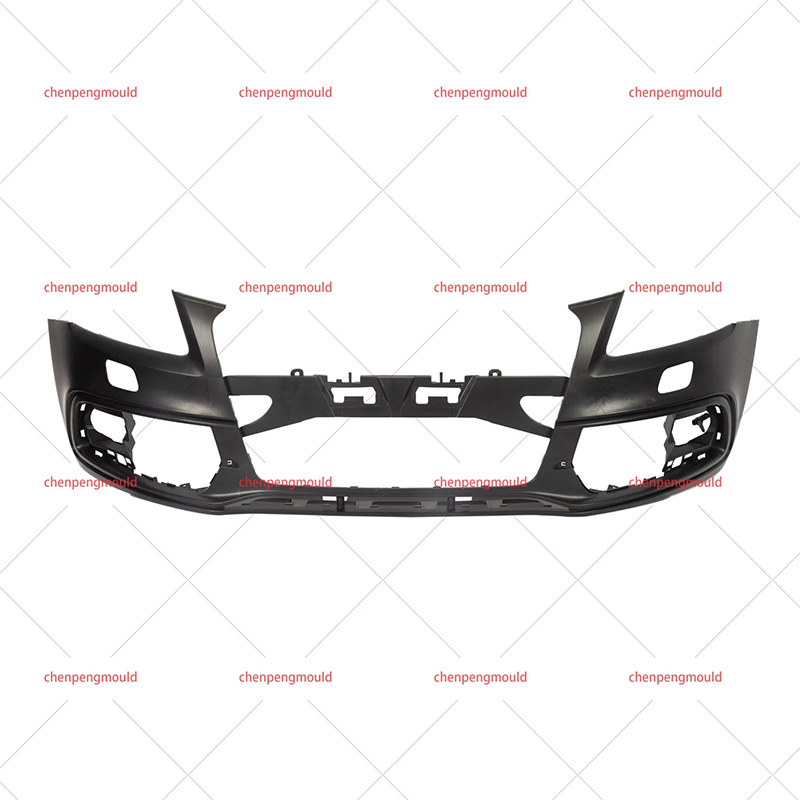
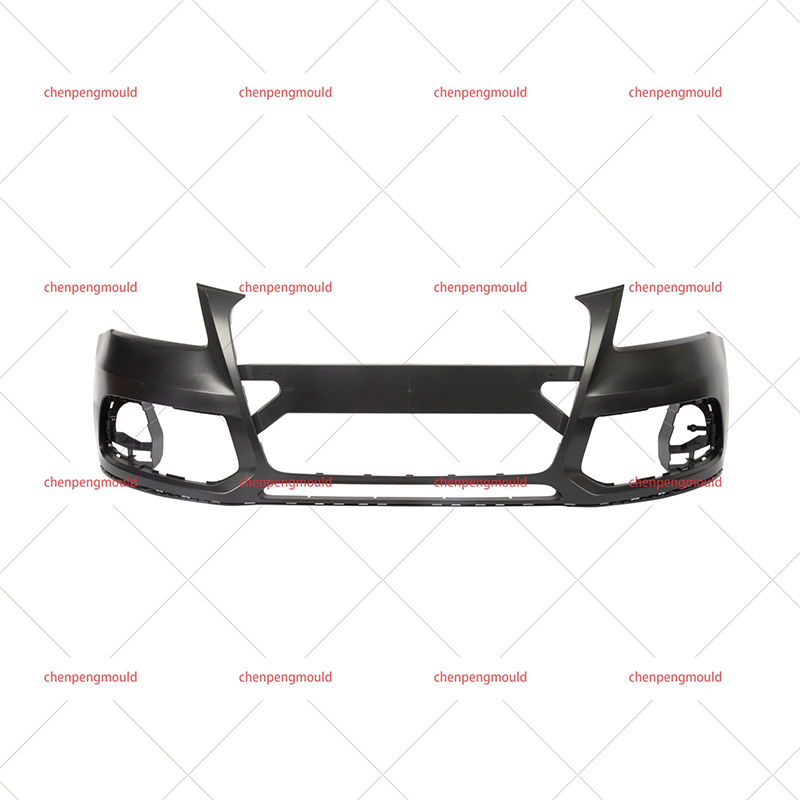
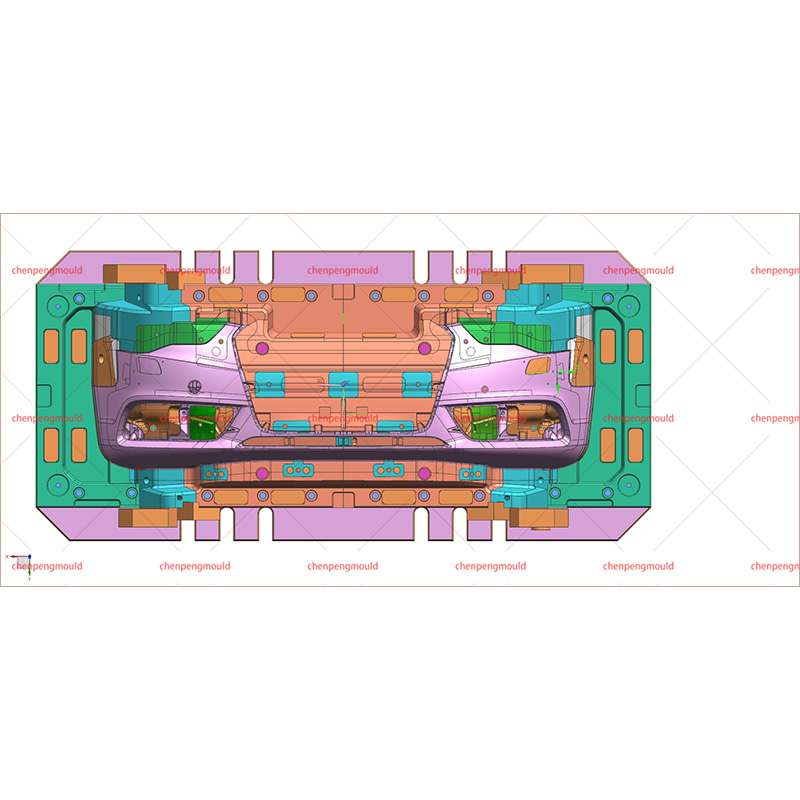
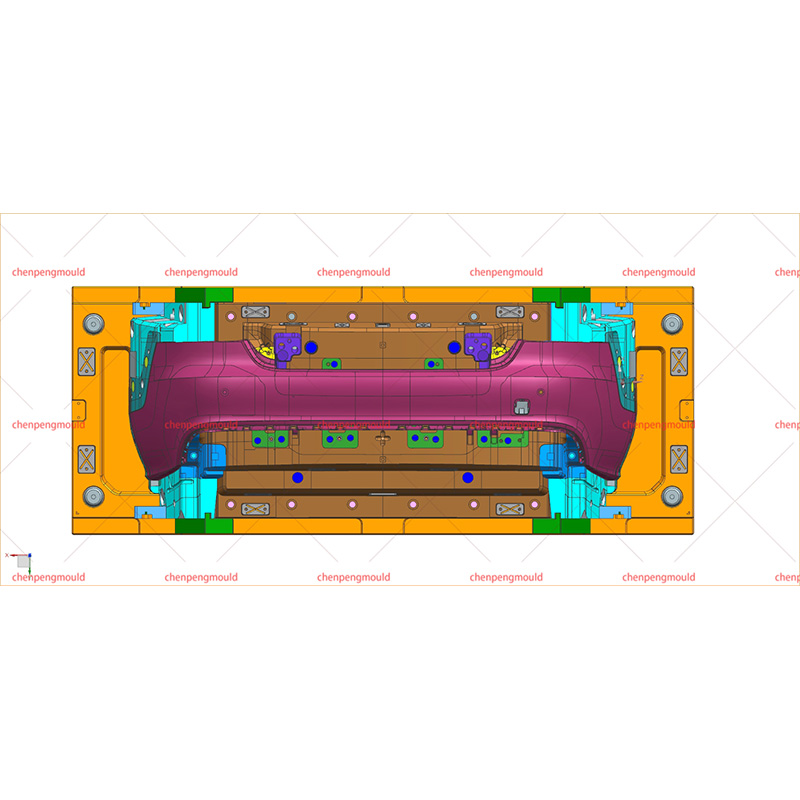
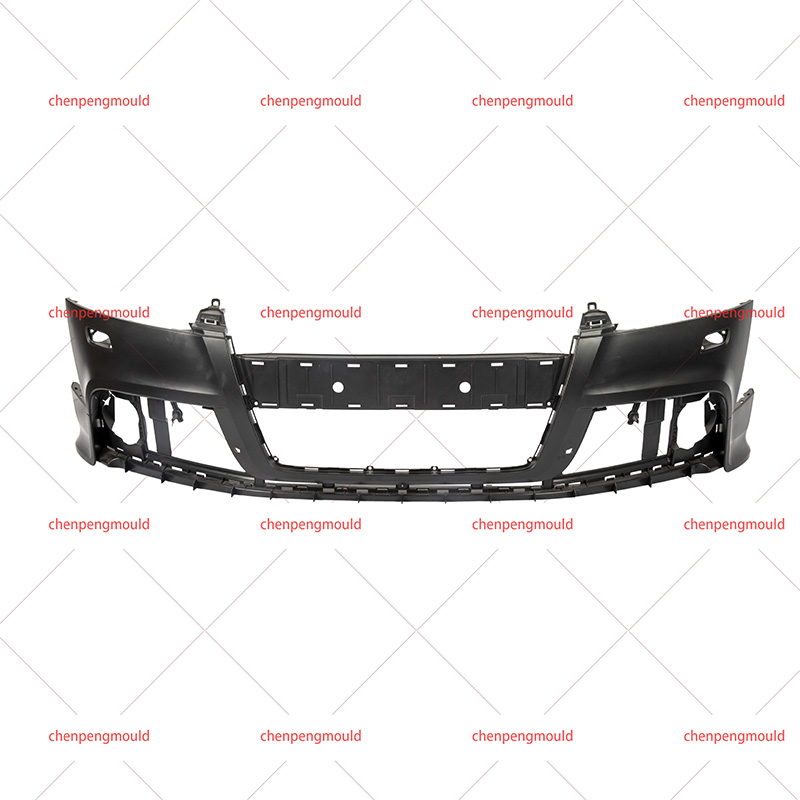
عربىAutomotive design is entering a new phase where plastic components are becoming more intelligent, lightweight, and multifunctional. From interior panels and exterior trims to battery-related housings and electronic enclosures, plastic parts are supporting new vehicle concepts. Behind these developments, a Plastic Mold for Car Parts provides the technical foundation for creating complex automotive components with accurate dimensions and reliable performance.
The automotive molding industry is changing with the growth of electric vehicles, advanced driver assistance systems, and personalized vehicle designs. Modern molds are no longer designed only for producing simple plastic shapes. They now need to support integrated structures, advanced polymers, precise surface finishes, and faster product development cycles. Current automotive molding trends are moving toward higher precision, complex structures, smart manufacturing, and advanced material applications.
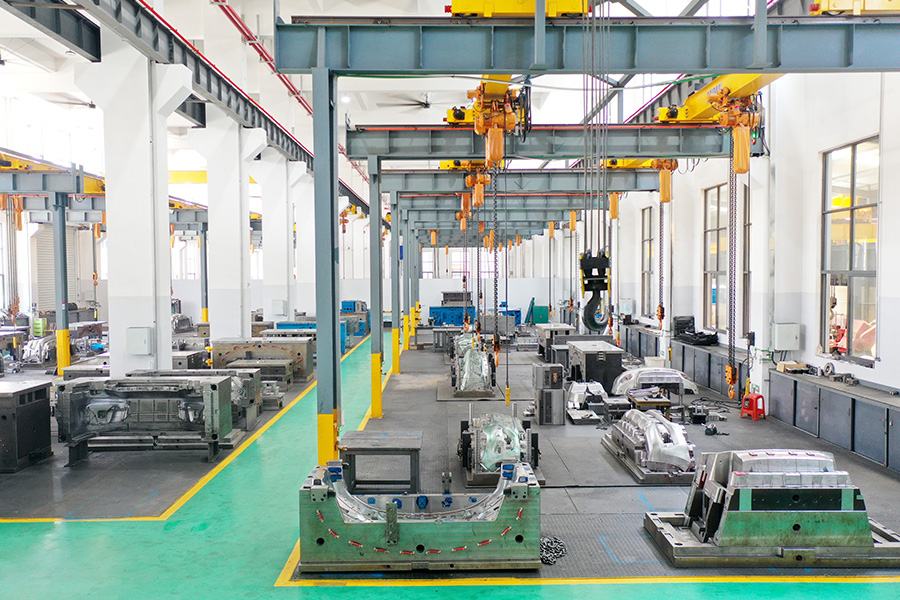
1. Integrated Automotive Components Change Mold Design Concepts
Traditional vehicle structures often used multiple small plastic parts assembled together. New automotive platforms are moving toward larger integrated components that combine several functions into one molded piece.
This design approach changes the requirements of automotive molds. Engineers must consider part strength, assembly methods, airflow channels, electronic installation areas, and manufacturing stability during the mold development stage.
Examples of integrated plastic automotive components include:
- Dashboard assemblies combining display brackets and air outlet structures
- Large center console components with storage and electronic functions
- Exterior panels integrating sensors and decorative elements
- Battery protection covers with lightweight structural designs
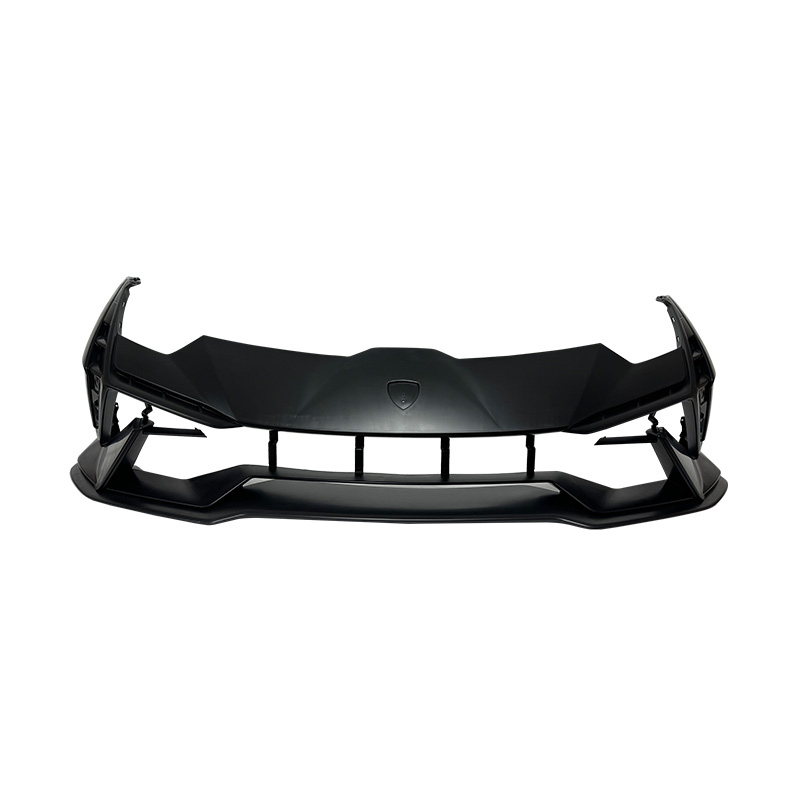
A modern Plastic Mold for Car Parts must provide sufficient cavity strength and precise control to produce larger and more complicated components without affecting dimensional stability.
2. Lightweight Materials Expand Automotive Mold Applications
Weight reduction has become an important direction in vehicle engineering. Plastic materials allow designers to replace certain metal components while maintaining functional performance.
The development of new polymers and composite materials is creating additional opportunities for automotive plastic molding. Materials must provide a balance between strength, heat resistance, impact performance, and appearance quality.
Common materials used for automotive plastic components include:
- Polypropylene (PP): A lightweight material commonly applied to interior panels, trims, and structural components.
- ABS: Suitable for decorative parts requiring good surface quality and impact resistance.
- PC/ABS: Used for components requiring higher heat resistance and mechanical strength.
- Glass Fiber Reinforced Nylon: Applied in areas requiring enhanced rigidity and durability.
Different materials create different molding challenges. Factors such as shrinkage rate, fiber orientation, cooling behavior, and flow characteristics need to be considered during mold design. Advanced automotive applications increasingly use reinforced polymers that require more precise mold structures and process control.
3. Multi-Material Molding Creates More Functional Parts
Vehicle users expect better comfort, appearance, and functionality from interior and exterior components. This demand has encouraged the development of multi-material molding technologies.
Instead of producing separate parts and assembling them later, manufacturers can combine different materials within one molded component.
Typical applications include:
- Soft-touch surfaces combined with rigid plastic structures
- Decorative elements integrated into interior panels
- Flexible seals molded together with supporting components
- Multi-color automotive trims
Multi-material molding requires accurate positioning systems, optimized runners, and advanced temperature control. Mold structures must maintain alignment between different materials to achieve consistent appearance and function.
4. Smart Technologies Improve Automotive Mold Development
Digital technologies are changing how automotive molds are designed and verified. Engineers can analyze mold performance before actual production through simulation software and digital models.
Important technologies influencing automotive mold development include:
- CAE Mold Simulation: Predicts plastic flow, pressure distribution, cooling behavior, and possible deformation.
- 3D CAD Modeling: Supports complex part design and accurate mold structure development.
- Digital Inspection: Compares molded samples with original design data.
- Smart Monitoring Systems: Collects molding data for process analysis.
These digital approaches help engineers evaluate design risks earlier and create molds that match complicated automotive requirements. Smart manufacturing, AI-assisted control, and digital twin technologies are becoming important trends across the injection molding sector.
5. Surface Technology Becomes a Key Design Element
Automotive plastic parts are no longer judged only by their mechanical performance. Surface appearance and tactile experience have become important factors in vehicle design.
Modern mold technologies support various surface treatments:
- Leather grain textures for dashboards and door panels
- High-gloss finishes for decorative trims
- Matte surfaces to reduce reflections
- Customized patterns created through laser texturing
Creating high-quality surfaces requires precise cavity machining and stable mold temperature control. Mold steel selection also affects polishing quality and texture performance. Common choices include P20, 718H, NAK80, and S136 steels depending on production requirements.
6. Electric Vehicles Create New Mold Opportunities
The rapid growth of electric vehicles is reshaping automotive component design. EV platforms provide more flexibility for interior layouts and require new plastic components related to batteries, electronics, and intelligent systems.
New applications of automotive plastic molds include:
- Battery module covers
- High-voltage connector housings
- Charging system components
- Lightweight structural plastic parts
These components often require flame-resistant materials, high dimensional accuracy, and reliable long-term performance. The shift toward electric vehicles is increasing demand for advanced molding solutions that support lightweight and integrated designs.
7. Precision Requirements Continue to Rise
Automotive plastic components must meet strict requirements because they directly affect vehicle assembly, appearance, and user experience.
Typical precision considerations include:
- Dimensional tolerance around ±0.05 mm for precision components
- Balanced cooling channel layouts to control deformation
- Optimized gate positions for stable filling
- Durable mold materials for repeated production cycles
As automotive designs become more complex, mold structures must combine precision engineering with flexible design capability.
Future Direction of Automotive Plastic Mold Technology
The next generation of automotive molds will focus on supporting smarter vehicles, advanced materials, and highly integrated components. Mold development will continue moving toward greater design freedom and stronger compatibility with new automotive platforms.
Future trends may include:
- More lightweight composite applications
- Greater use of integrated molded structures
- Advanced simulation-driven design processes
- Higher adoption of intelligent manufacturing systems
The development of a Plastic Mold for Car Parts is closely connected with the future direction of the automotive industry. New vehicle concepts, electric platforms, advanced materials, and intelligent functions are creating higher expectations for mold technology.
Automotive plastic molds will continue evolving from traditional production tools into advanced engineering systems that support innovative vehicle designs. Through improved materials, precision structures, and digital technologies, future molds will help create safer, lighter, and more intelligent automotive products.
 +86-18357617666