

 عربى
عربىBMW vehicles are known for their precise exterior styling, where bumper lines, grille openings, headlights, and body panels are designed to create a balanced appearance. However, some owners encounter fitment issues after replacing or modifying front bumper components, such as uneven gaps, misaligned edges, or loose mounting areas.
The question behind these problems is often simple: are they caused by a design issue or normal part variation? The answer usually involves multiple factors, including BMW car bumper mould accuracy, material behavior, mounting structures, and production tolerances. Real-world discussions about BMW bumper alignment also show that gaps and fitment concerns can come from bracket damage, installation position, or differences between replacement components.
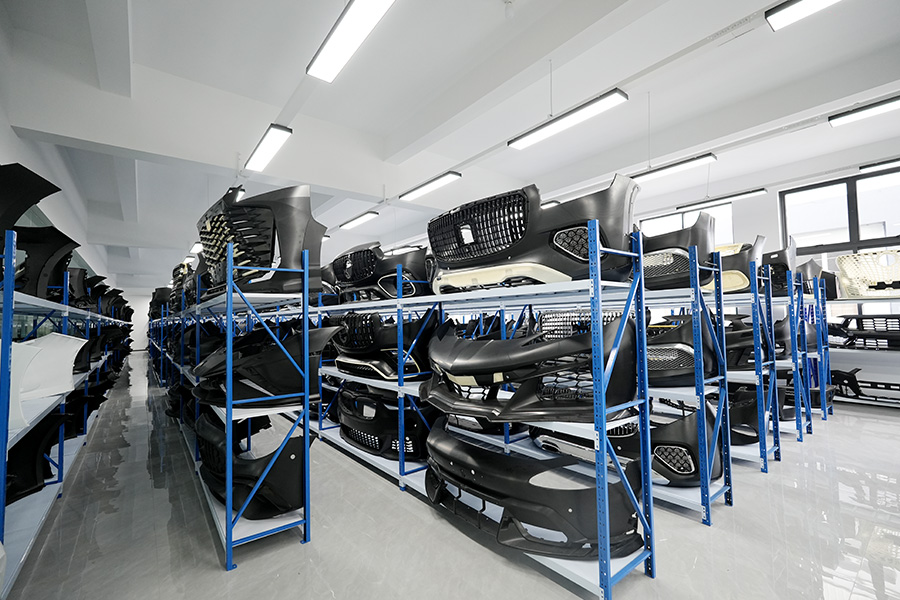
Understanding the Role of BMW Bumper Mould Design
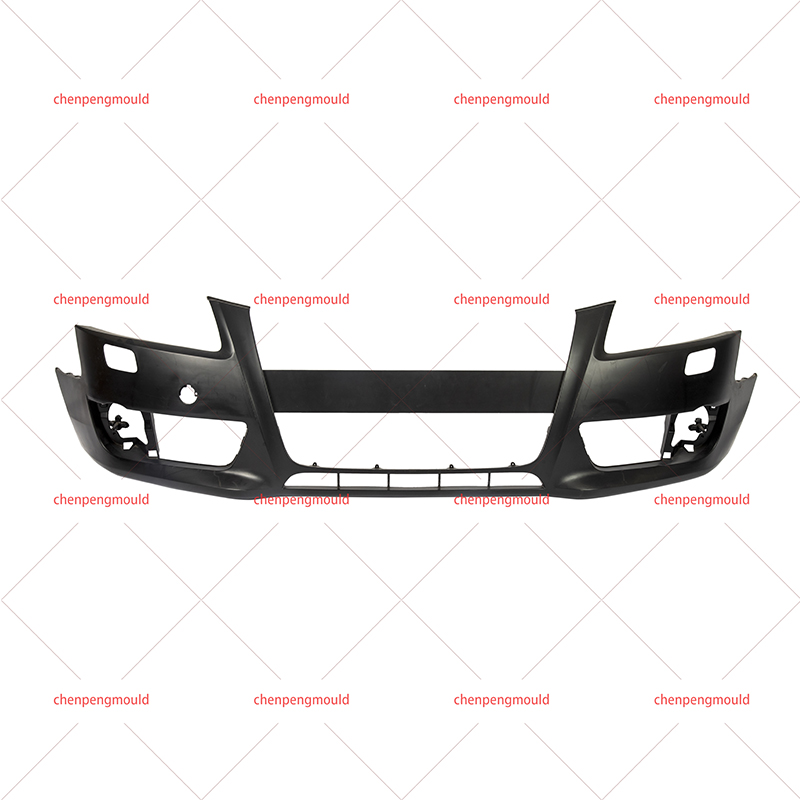
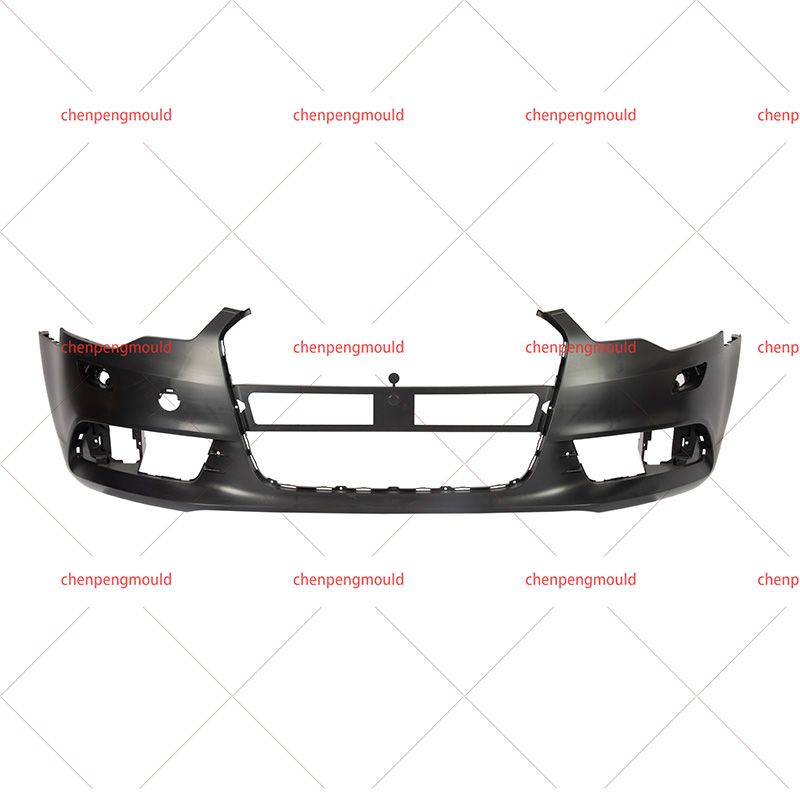
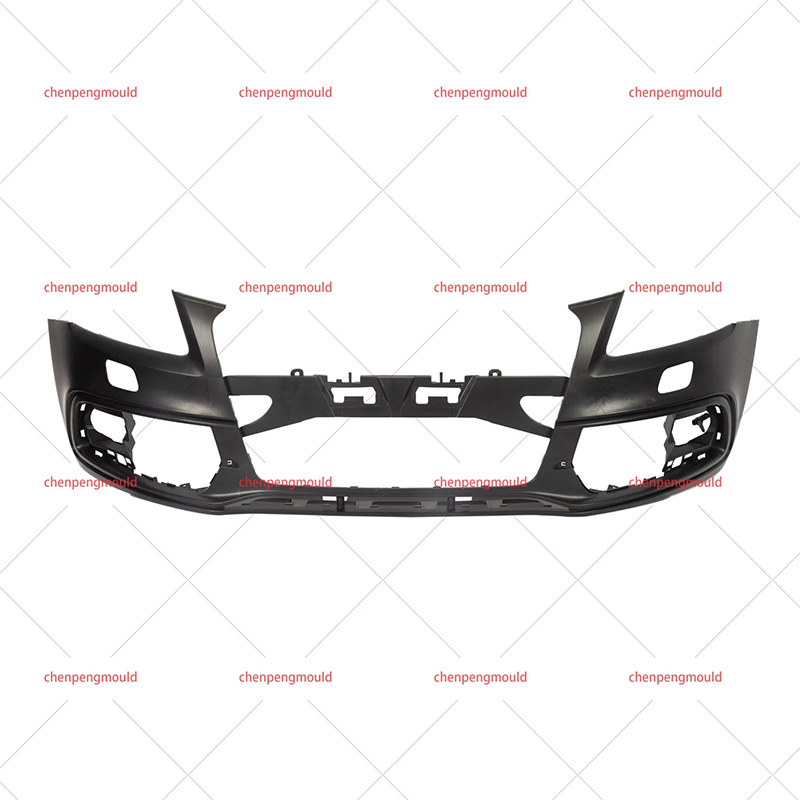
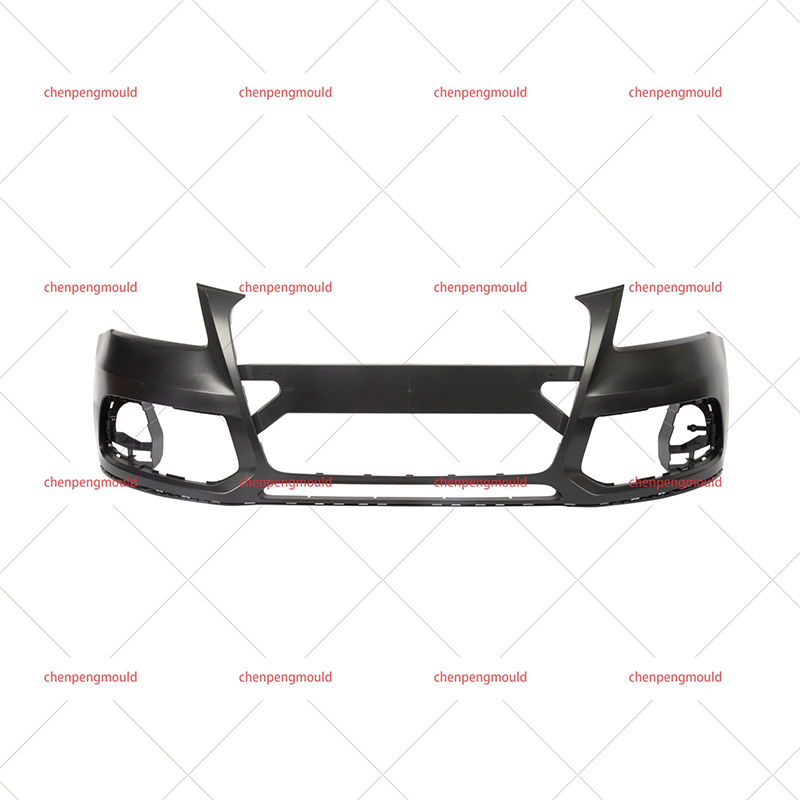
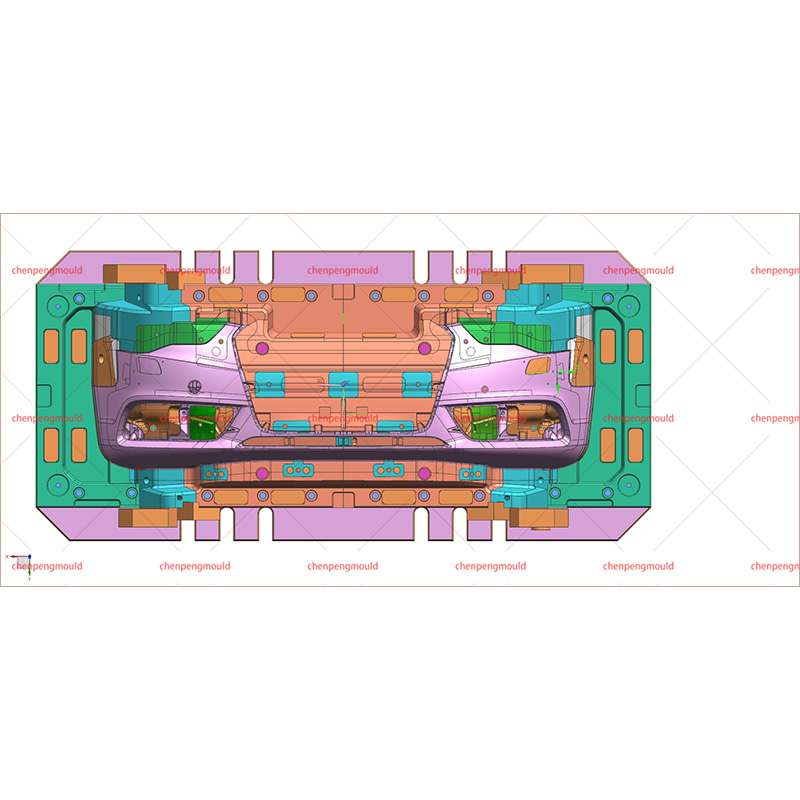
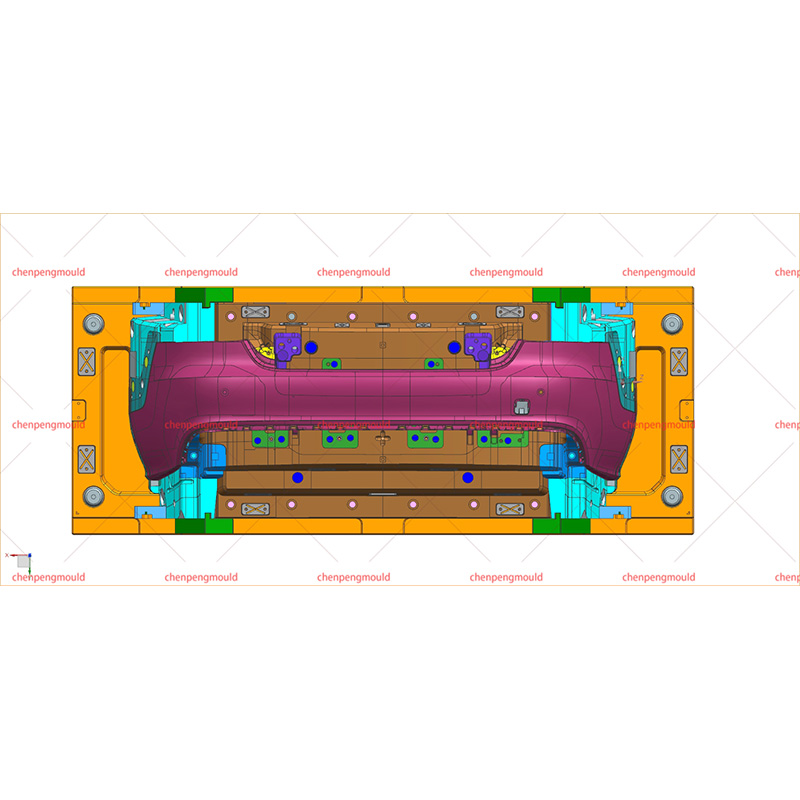
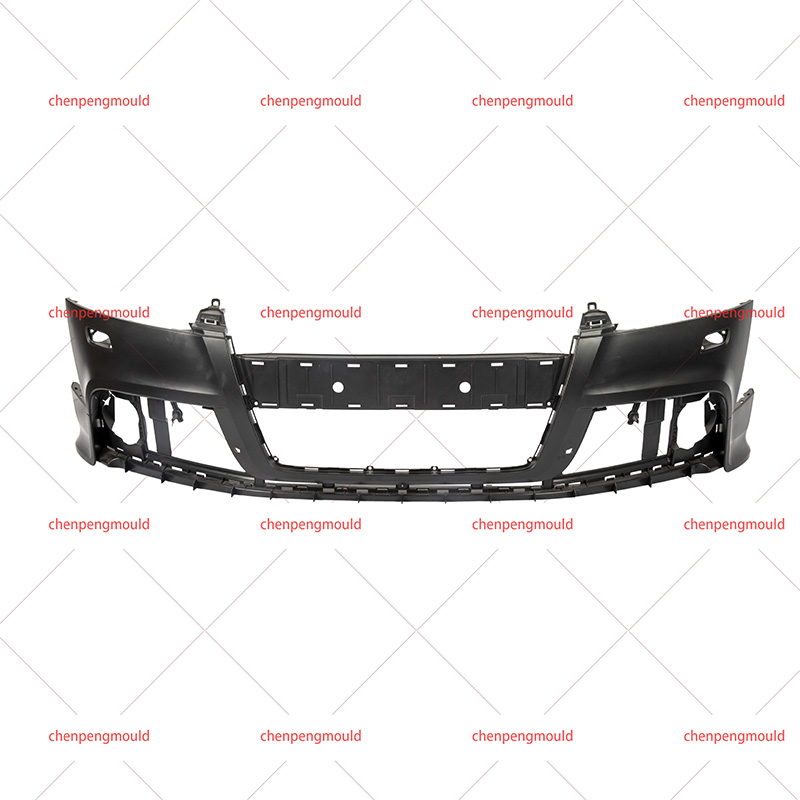
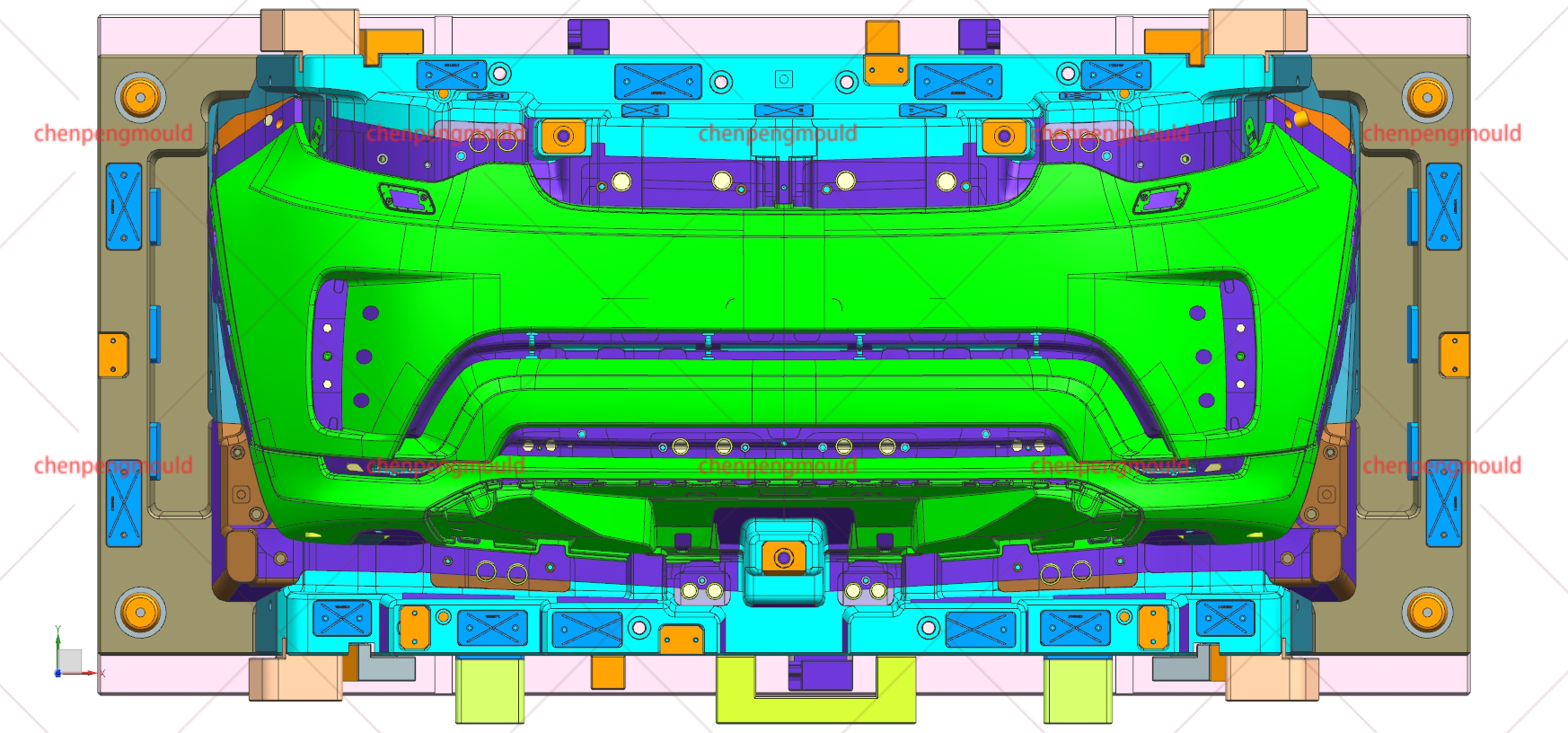
A bumper mould determines the basic geometry of the finished bumper cover. During injection molding, the tool controls the shape, mounting locations, surface curvature, and connection points required for vehicle assembly.
A BMW front bumper system usually includes multiple integrated areas:
- Grille mounting zones – Maintain the position of kidney grilles and decorative elements.
- Headlight connection areas – Control the transition between bumper edges and lighting assemblies.
- Fender attachment sections – Support side alignment and panel gap consistency.
- Sensor mounting locations – Provide accurate positions for parking sensors and driver assistance systems.
A small dimensional change in any of these areas can affect the final appearance after installation.
Are Fitment Problems Caused by Bumper Mould Design?
Some alignment issues are related to mould development. Large automotive exterior moulds require precise control because the bumper surface contains complex curves and different structural sections.
Common mould-related causes include:
- Uneven shrinkage – Plastic materials contract during cooling, which may slightly change final dimensions.
- Insufficient mould compensation – Tool dimensions may need adjustment to account for material behavior.
- Wear after repeated production cycles – Long-term mould usage can influence dimensional consistency.
- Complex geometry challenges – Large curved surfaces are more sensitive to deformation.
However, a properly developed mould usually maintains strict dimensional control. Not every visible gap indicates a problem with the mould itself.
Part Variation Between Different Bumper Components
Many BMW bumper fitment concerns come from differences between individual parts rather than incorrect design. Automotive components operate within controlled tolerance ranges, meaning small variations can exist between production batches.
Factors that create variation include:
- Different plastic batches with slightly different shrink rates
- Storage conditions affecting plastic deformation
- Transportation pressure causing temporary distortion
- Different production standards between OEM and replacement parts
Replacement bumper covers may require additional adjustment because they may not have identical production conditions compared with factory-installed components.
Why Mounting Brackets Affect BMW Bumper Alignment
The bumper cover itself is only one part of the complete front-end structure. Supporting brackets, guides, and clips determine how accurately the bumper sits on the vehicle.
A damaged or incorrect bracket can create:
- Uneven gaps near headlights
- Bumper sagging at corners
- Loose connections between bumper and fender
BMW bumper mounting guides are designed to maintain specific positions, and different bumper versions may require different brackets. For example, standard and M Sport bumper systems can use different supporting structures, making part matching important.
Material Properties Behind Fitment Changes
Most modern bumper covers use polypropylene-based plastic materials because they combine impact resistance with lightweight characteristics. However, plastic parts are not completely rigid.
Environmental factors can influence bumper shape:
- Temperature variation – Heat can temporarily soften plastic surfaces.
- Long-term pressure – Improper storage may create deformation.
- Installation stress – Forced alignment may create uneven tension.
Because BMW bumper designs often feature narrow and precise panel spacing, small changes in material shape can become visually noticeable.
OEM Replacement vs Aftermarket Bumper Mould Quality
Not all bumper components follow the same production standards. Original equipment parts are developed together with the vehicle platform, while aftermarket products may use different mould designs or material formulas.
Differences may appear in:
- Clip position accuracy
- Surface curvature consistency
- Mounting hole location
- Wall thickness distribution
Community discussions among BMW owners also show that replacement bumper fitment can vary depending on manufacturing quality, installation method, and whether original mounting hardware is reused.
How to Identify a Design Problem or Installation Issue
Determining the source of a fitment problem requires checking several areas instead of focusing only on the bumper cover.
- Check symmetry – Compare left and right panel gaps.
- Inspect mounting clips – Broken or missing clips can imitate mould problems.
- Verify bumper version – Different BMW models and packages may require different parts.
- Measure key dimensions – Compare mounting locations with original specifications.
A consistent gap across multiple vehicles may indicate a design-related issue, while random differences between individual parts are more likely related to variation or installation.
Improving BMW Bumper Mould Accuracy
Manufacturers use several methods to improve bumper mould performance and reduce fitment problems.
- 3D scanning of original vehicle surfaces
- Computer simulation of plastic flow and shrinkage
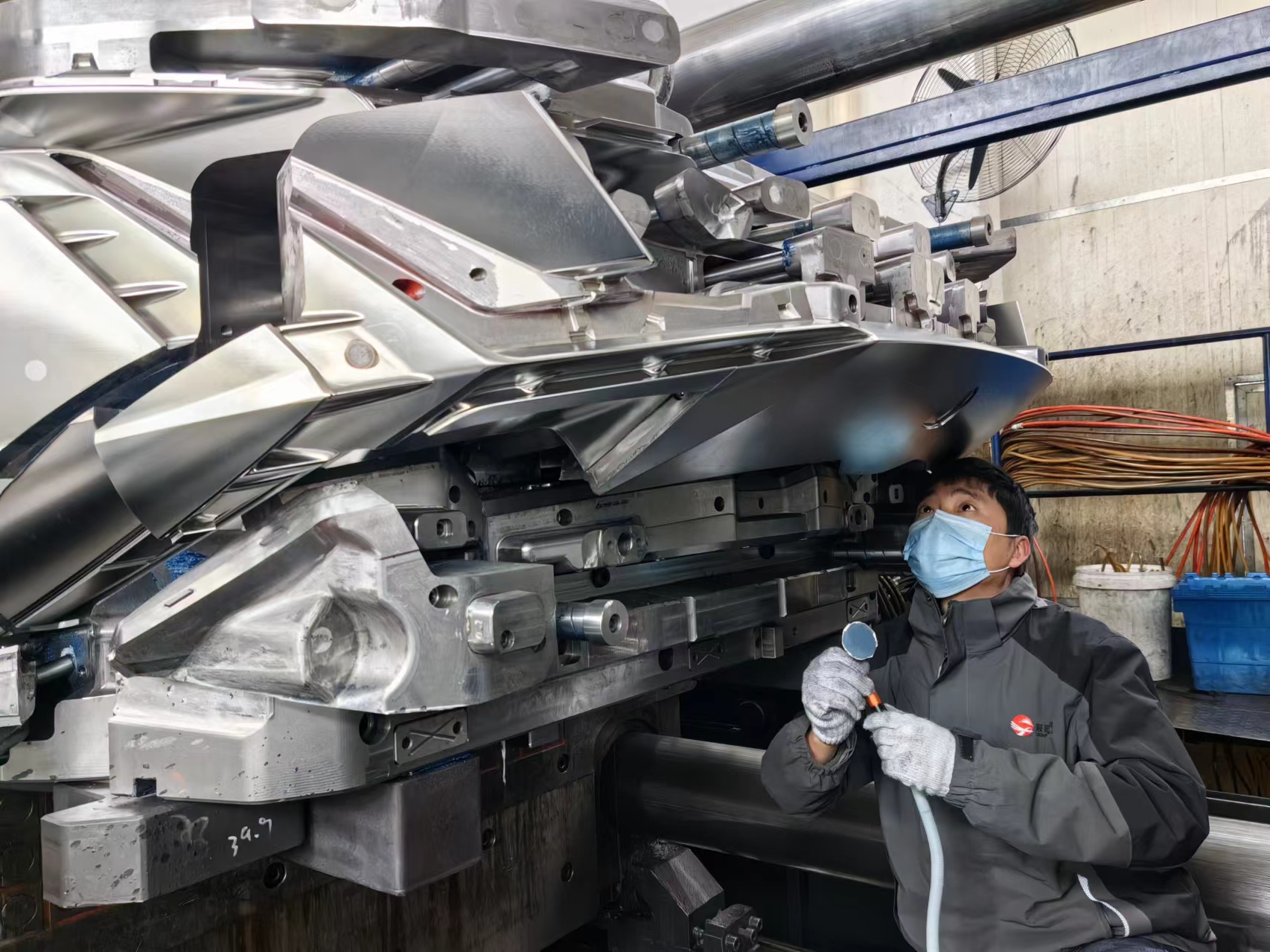
- Precision machining of mould components
- Prototype testing before mass production
- Dimensional inspection after molding
BMW bumper fitment problems are rarely caused by a single factor. A BMW car bumper mould provides the foundation for accurate shape and assembly, but material behavior, mounting brackets, production variation, and installation methods also influence the final result.
A small gap does not always mean the design is incorrect. Careful analysis of mould precision, component matching, and installation conditions helps determine the real cause behind bumper alignment concerns.
 +86-18357617666