

 عربى
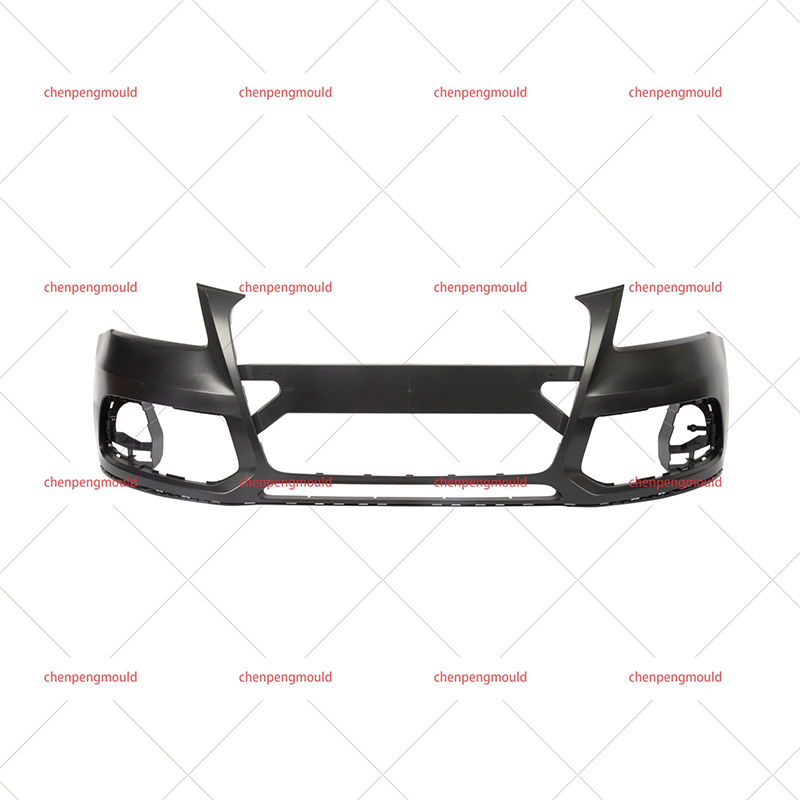
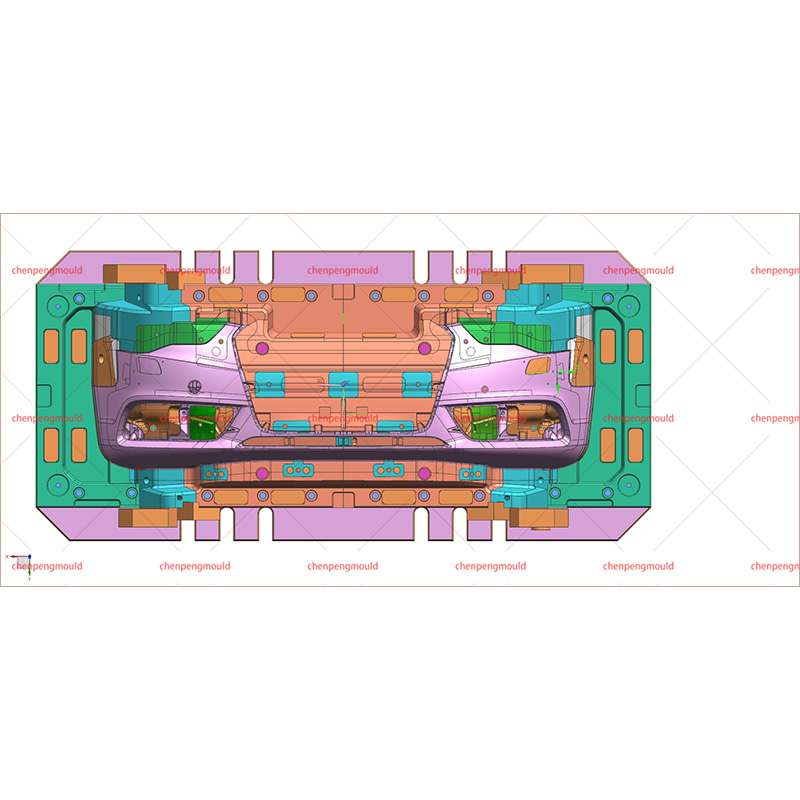
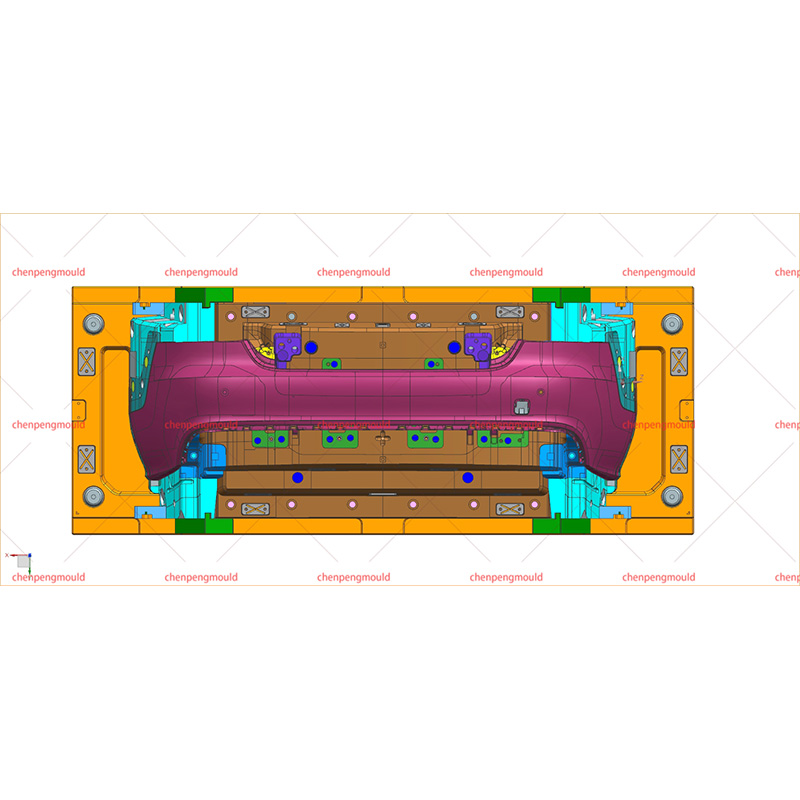
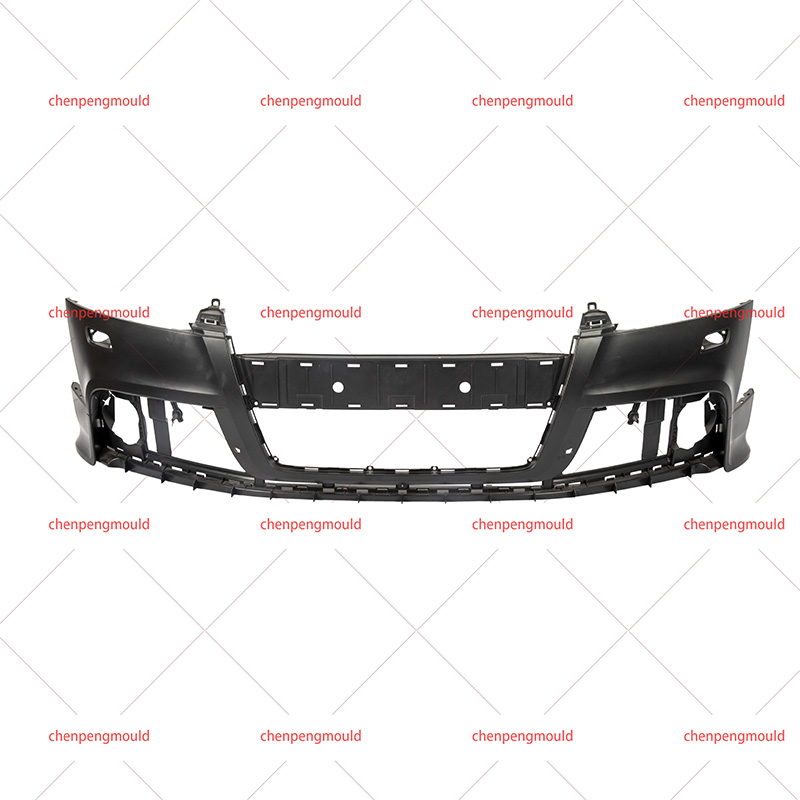
عربىThe modern vehicle interior is becoming more than a place for passengers to sit. It is evolving into an intelligent space that combines digital displays, smart controls, ambient lighting, storage solutions, and personalized comfort features. Behind these advanced cabin designs, a Car Interior Plastic Part Injection Mold provides the foundation for creating precise, functional, and visually attractive components.
Automotive interiors now include a wide range of molded plastic parts, such as dashboards, center consoles, door panels, air vents, pillar trims, and electronic housings. These components require not only accurate dimensions but also refined surface quality and compatibility with integrated technologies. Injection molding remains widely used because it supports complex geometries, repeatable production, and various engineering plastics.
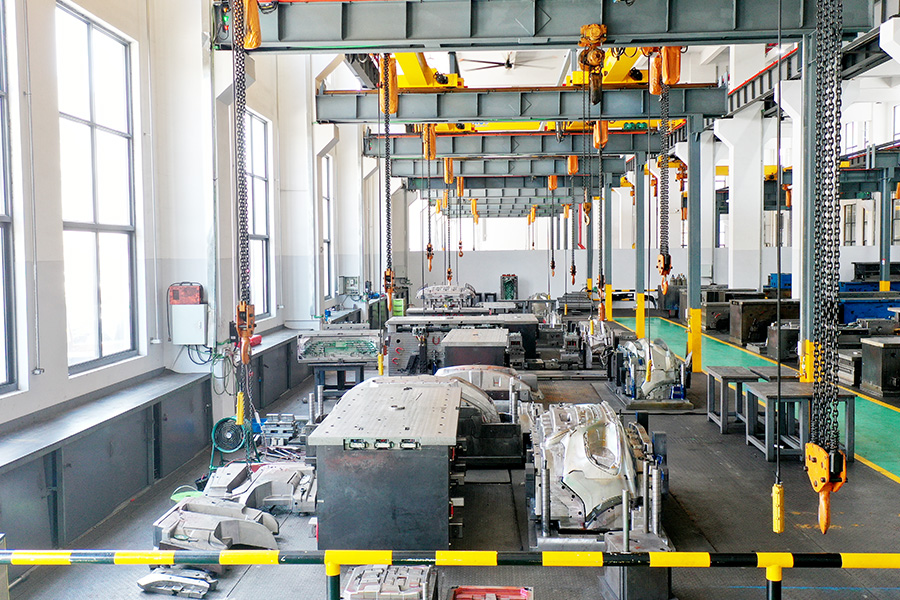
The Transformation of Automotive Interior Design
Vehicle interiors have changed dramatically from simple functional layouts to technology-focused environments. Large touchscreens, voice control systems, wireless charging modules, and hidden ventilation designs are influencing how interior components are created.
A modern interior plastic component may need to achieve several functions at the same time:
- Provide structural support for electronic devices
- Maintain premium visual appearance and surface texture
- Integrate clips, brackets, and assembly features
- Support lightweight vehicle design strategies
This transformation has increased the importance of advanced mold development. A well-designed Car Interior Plastic Part Injection Mold allows automotive designers to create complex shapes while maintaining stable quality during high-volume production.
Smart Cockpits Create New Mold Design Challenges
The rise of smart vehicles has changed expectations for interior plastic parts. Traditional dashboards and consoles were mainly designed around mechanical functions, while current designs must accommodate displays, sensors, cameras, and electronic control systems.
Smart cockpit components often require:
- Integrated Structures: Plastic parts may combine mounting areas, cable channels, and decorative surfaces within one component.
- High Dimensional Accuracy: Electronic modules require precise positioning to ensure proper assembly.
- Premium Surface Finishes: Visible interior parts need textures, soft-touch coatings, or high-gloss effects.
These requirements push mold designers to consider not only part geometry but also user interaction and long-term appearance performance.
Materials Expand the Possibilities of Interior Components
Material selection has a direct influence on mold design, surface quality, and product performance. Different interior applications require plastics with different mechanical and aesthetic characteristics.
Common automotive interior materials include:
- ABS: Provides good impact resistance and surface appearance, making it suitable for dashboards, trims, and decorative panels.
- PP (Polypropylene): Offers lightweight characteristics and chemical resistance for various interior structures.
- PC/ABS: Combines strength and heat resistance for components near electronic systems.
- TPE Materials: Used for soft-touch surfaces and flexible interior elements.
The selected plastic material affects shrinkage rates, cooling requirements, and mold cavity design. Engineers must optimize gate positions, wall thickness, and cooling layouts to achieve stable molding results. Automotive interior components commonly use materials such as PP, ABS, PC, and PC/ABS because they balance mechanical performance with appearance requirements.
Precision Mold Structures Support Complex Interior Functions
Interior plastic parts often contain complicated features that are invisible to passengers but essential for vehicle assembly. Clips, ribs, bosses, ventilation channels, and reinforcement structures must be accurately formed during injection molding.
A high-quality interior mold design usually includes:
- Multi-cavity Mold Structures: Suitable for producing multiple small components during one molding cycle.
- Hot Runner Systems: Help control plastic flow and reduce material waste.
- Precision Cooling Channels: Maintain balanced temperature distribution across the mold.
- Textured Mold Surfaces: Create specific patterns and tactile experiences on interior panels.
For automotive interior applications, dimensional control may reach approximately ±0.05 mm depending on component requirements. Mold steel options such as P20, 718H, NAK80, and S136 are commonly used according to production volume and surface finishing needs.
Surface Quality Becomes Part of the Driving Experience
Vehicle users interact with interior components every day. The appearance, touch, and durability of plastic parts directly influence perceived vehicle quality.
Modern interior mold technologies support various surface treatments:
- Leather grain textures for dashboards and door panels
- High-gloss surfaces for decorative trims
- Soft-touch finishes for frequently touched areas
- Laser-textured patterns for customized designs
Advanced surface processing allows designers to create unique cabin styles while maintaining consistent production results. Textured mold surfaces transfer detailed patterns directly onto molded plastic parts, creating improved visual and tactile effects.
Electric Vehicles Accelerate Interior Mold Innovation
Electric vehicles are changing cabin layouts by removing traditional mechanical limitations. Without conventional engine-related structures, designers have more freedom to create spacious interiors with new storage concepts and digital interaction zones.
This trend creates demand for innovative plastic mold applications, including:
- Large integrated center consoles
- Hidden storage compartments
- Electronic control housings
- Ambient lighting panels
The development of electric and intelligent vehicles is increasing demand for lightweight, durable, and precisely molded interior components. Automated production and advanced molding technologies are supporting this transition across the automotive sector.
Digital Technologies Improve Interior Mold Development
Digital engineering has become an important part of modern automotive mold development. Engineers can analyze potential molding issues before physical production through simulation and virtual testing.
Important digital tools include:
- Mold Flow Simulation: Predicts filling behavior, pressure distribution, and possible deformation.
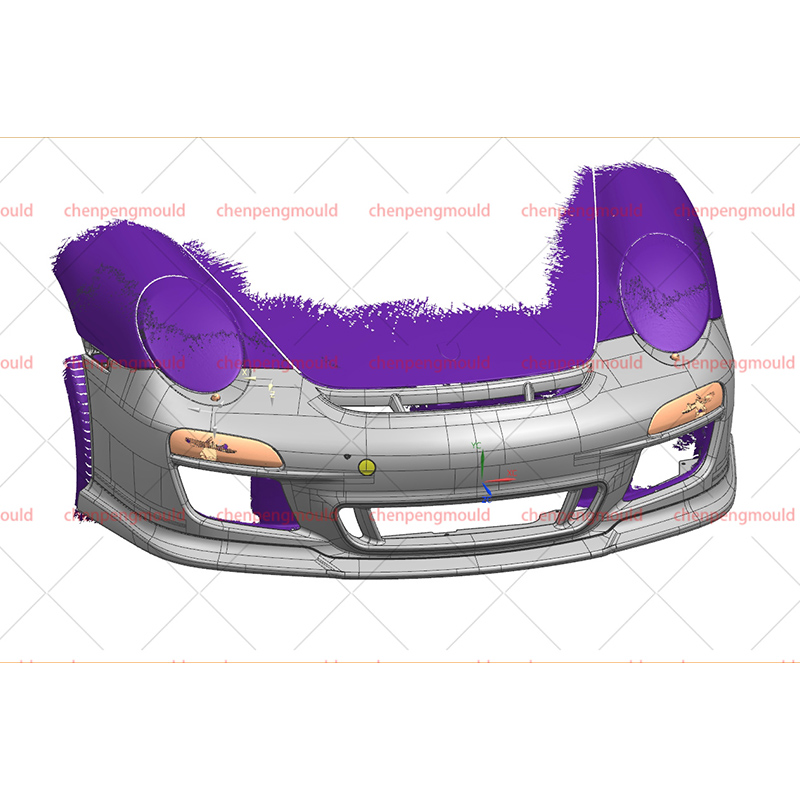
- 3D Scanning: Compares molded samples with original CAD data.
- Digital Twin Technology: Creates virtual models for process analysis.
- Automated Inspection: Measures component accuracy during production.
These technologies help shorten development cycles and support more complicated interior designs. Artificial intelligence and digital control systems are also being introduced into automotive injection molding processes to improve monitoring and adaptability.
Future Trends of Car Interior Plastic Part Injection Mold
Future automotive interiors will continue moving toward intelligent interaction, personalized design, and integrated functionality. Mold technology must adapt to these changes by supporting larger components, new materials, and more complex structures.
Several trends will influence future interior mold development:
- Integration of electronic functions into plastic components
- Greater use of lightweight engineering plastics
- More customized interior styling options
- Combination of decorative and functional features
The evolution of the Car Interior Plastic Part Injection Mold reflects the changing role of vehicle interiors. Modern cabins are becoming intelligent spaces where design, technology, and comfort work together.
As automotive manufacturers continue developing smart vehicles and electric platforms, precision plastic molds will remain essential for producing interior components that combine accurate fitting, attractive appearance, and advanced functionality. The future of automotive experiences will not only depend on digital systems but also on the carefully engineered plastic parts that bring these concepts into reality.
 +86-18357617666