

 عربى
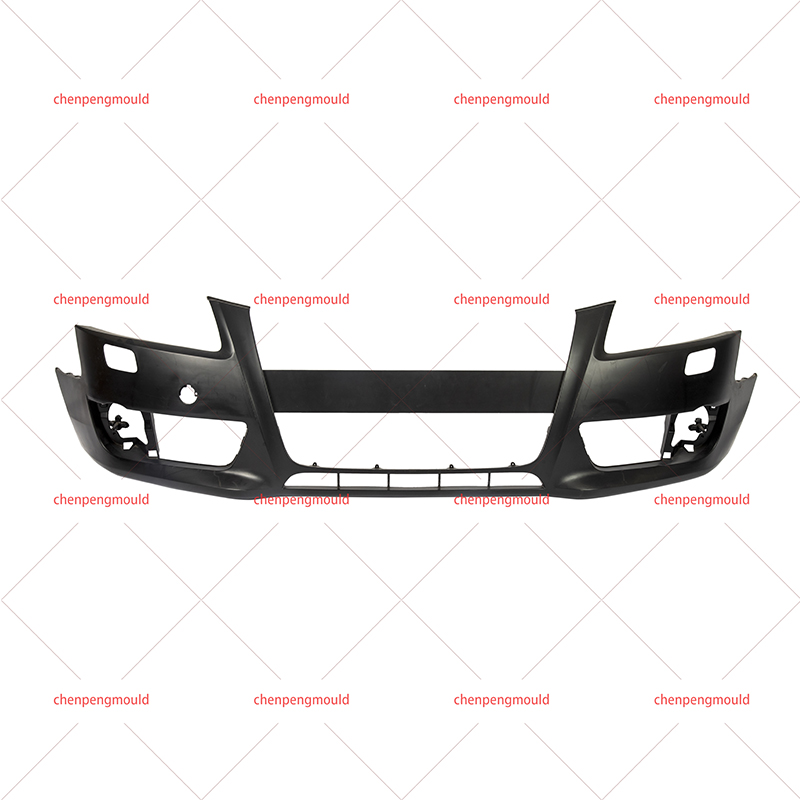
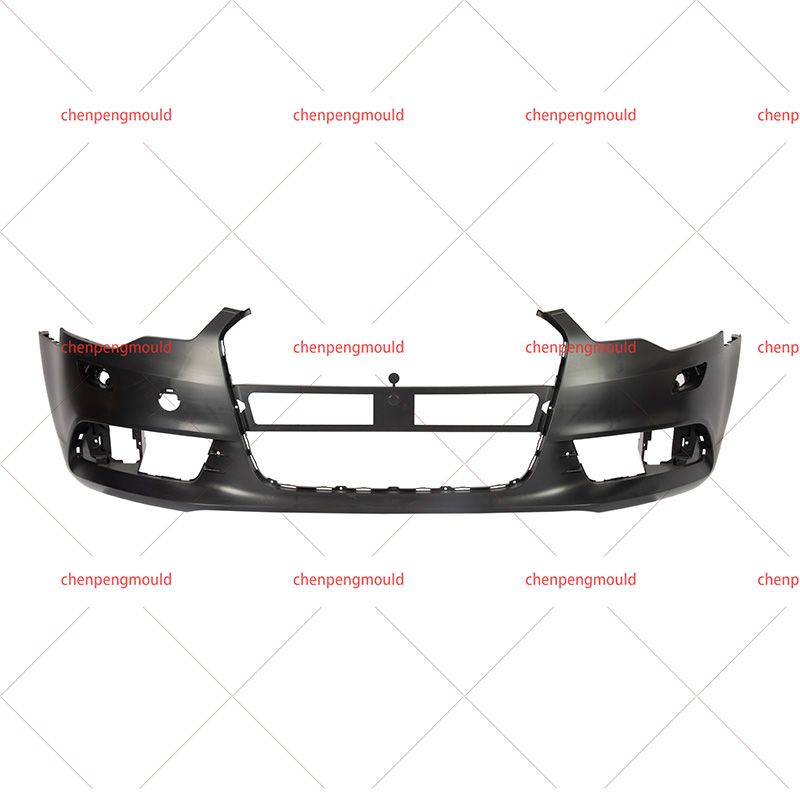
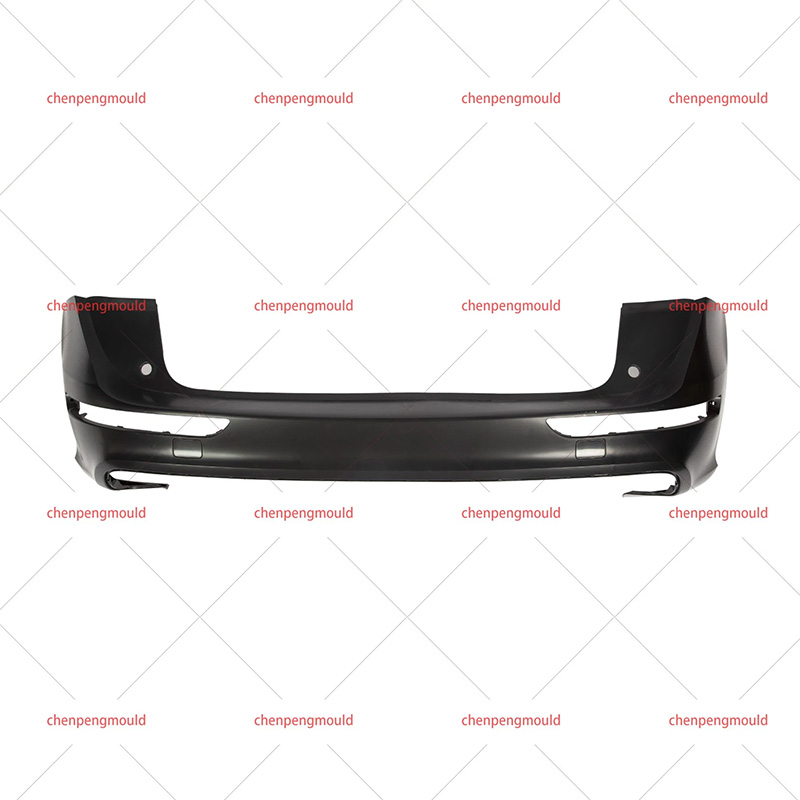
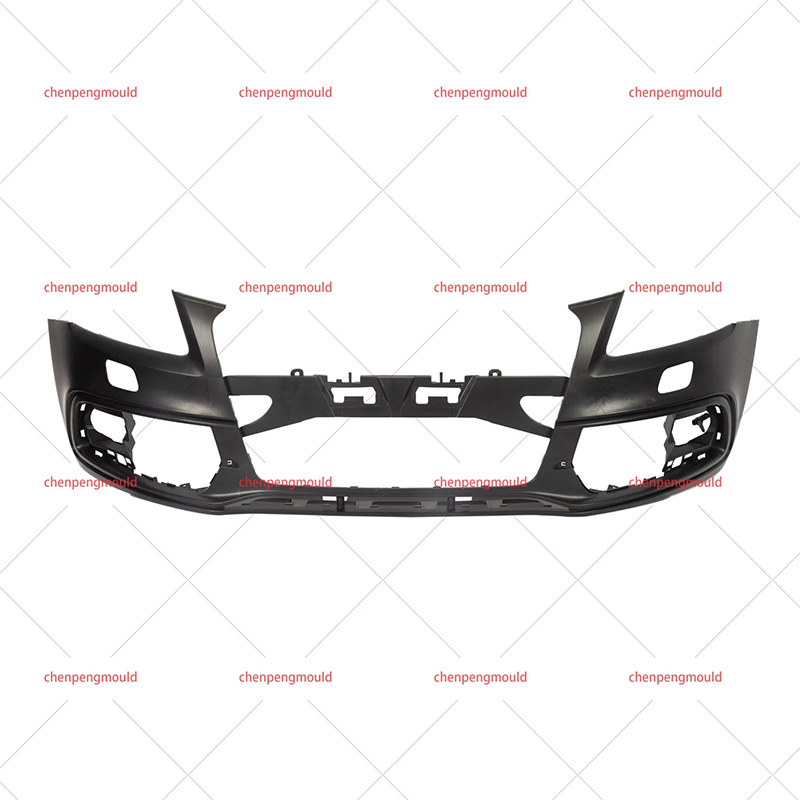
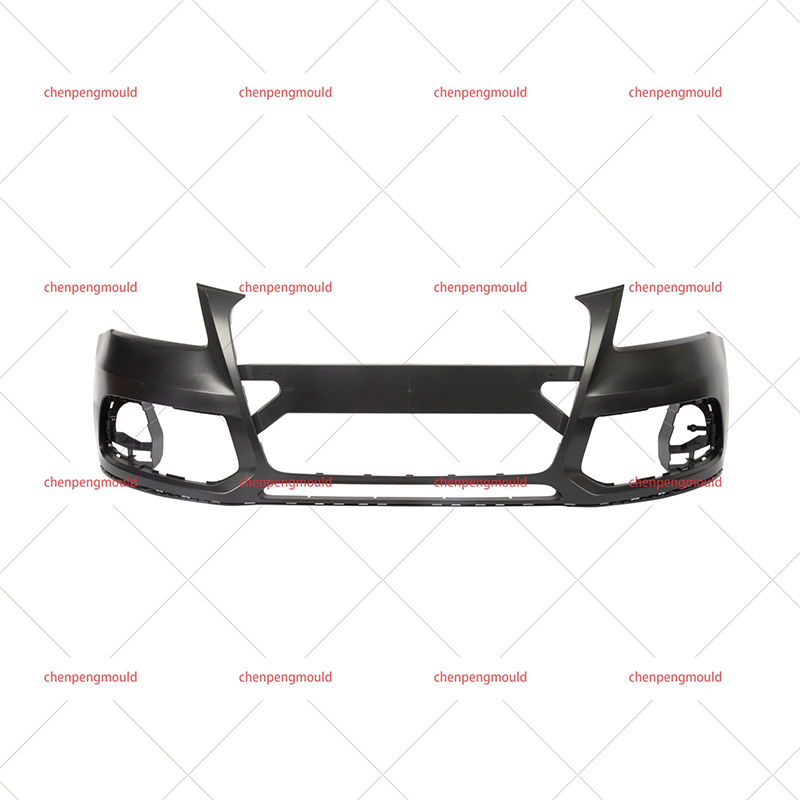
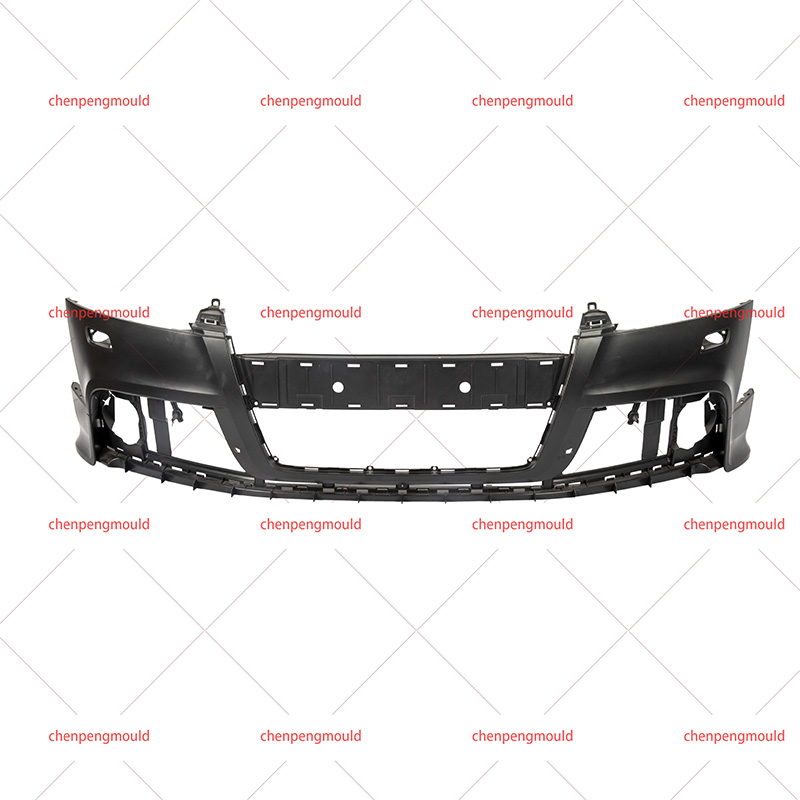
عربىCar bumper molding is an essential part of a vehicle's exterior design and protection system. It serves both functional and aesthetic purposes, helping to prevent damage to the bumper and enhance the overall look of the vehicle.
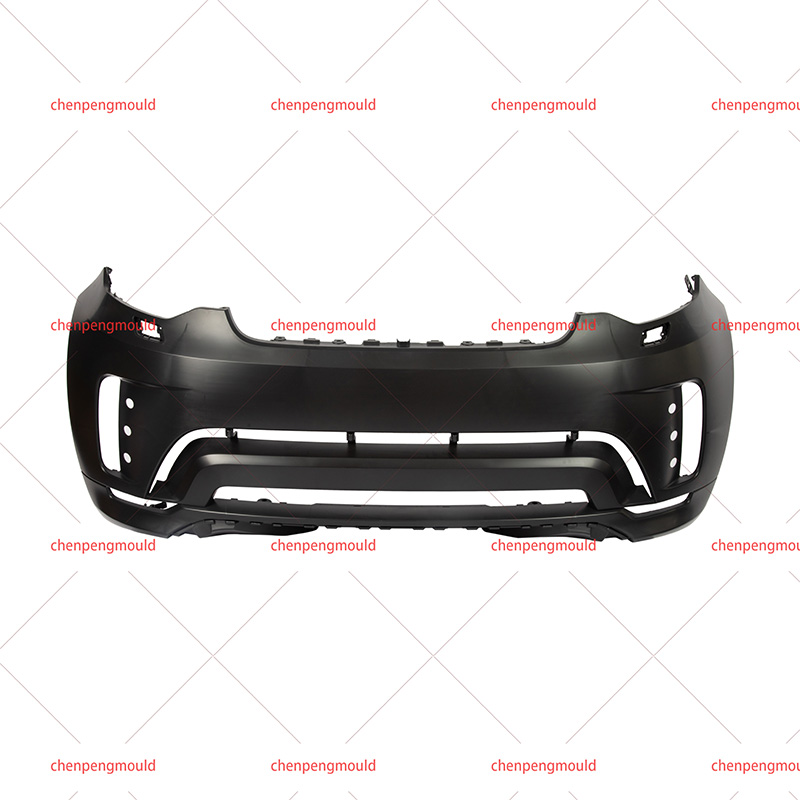
What Is Car Bumper Molding?
Car bumper molding is a trim component that attaches to the surface of a vehicle's bumper. It is typically made from plastic, rubber, or other flexible materials that can absorb minor impacts and prevent scratches or dents to the bumper. Bumper molding can run along the length of the bumper or be positioned in specific areas such as corners or edges, depending on the vehicle design.
The main purpose of bumper molding is to provide an extra layer of protection against minor collisions, parking impacts, and scraping. While it does not replace the structural function of the bumper, it helps to reduce cosmetic damage that can be costly to repair. Additionally, bumper molding contributes to the vehicle's appearance, giving the exterior a finished and balanced look.
What Types of Car Bumper Molding Are Available?
Car bumper molding is available in various types, materials, and designs to suit different vehicles and preferences. One common type is the stick-on molding, which uses adhesive backing to attach to the bumper. This type is easy to install and can be removed or replaced without professional assistance.
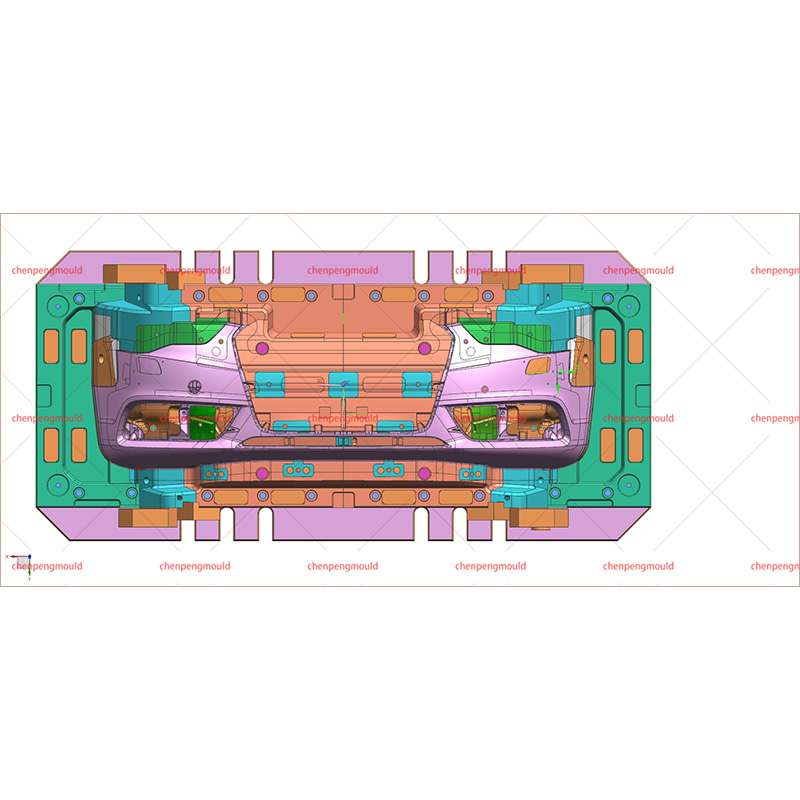
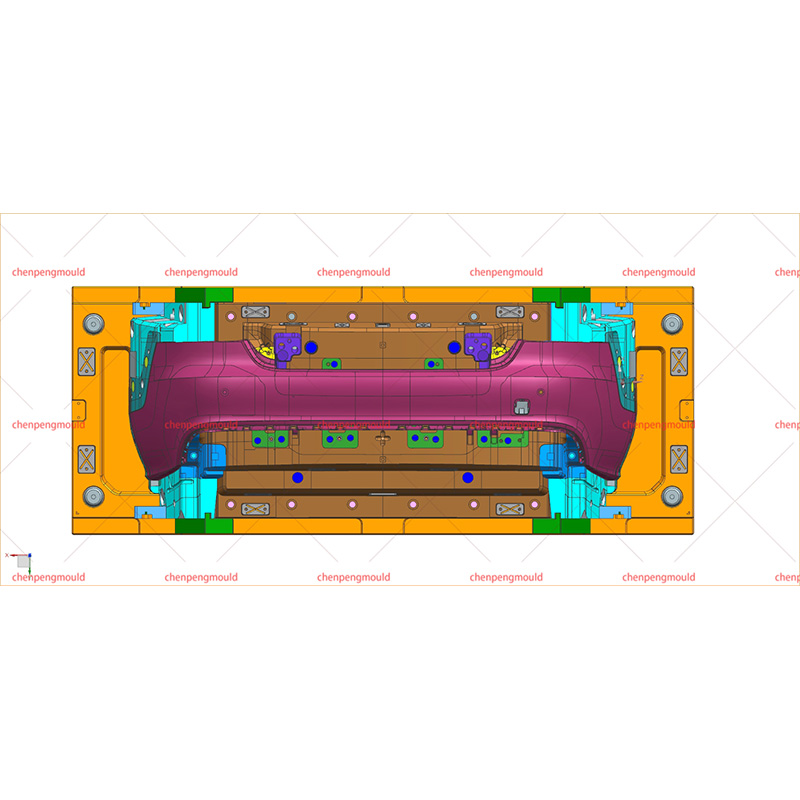
Another type is clip-on molding, which attaches to pre-existing slots or grooves in the bumper. Clip-on molding provides a more secure attachment and is less likely to peel or shift over time. Some vehicles also feature integrated molding, which is molded directly into the bumper during manufacturing. This type is durable and designed to match the shape and color of the bumper precisely.
Materials for bumper molding include flexible plastics, rubber, and polyurethane. Rubber molding is particularly effective at absorbing minor impacts, while plastic or polyurethane options can be finished with a paintable surface to match the vehicle's color. The choice of material and type depends on the desired balance between protection, appearance, and ease of maintenance.
How Should Car Bumper Molding Be Installed and Maintained?
Proper installation and maintenance of bumper molding ensure that it provides effective protection and retains its appearance. For stick-on molding, the bumper surface must be cleaned and dried thoroughly before applying the adhesive. This prevents dirt or moisture from compromising the bond. Clip-on molding should be aligned with the slots or grooves carefully and pressed until it clicks into place. Integrated molding typically requires professional installation or replacement, as it is part of the bumper assembly.
Maintenance involves regular cleaning to remove dirt, road salt, and debris that can accumulate around the molding. Mild soap and water are sufficient for routine cleaning, and protective treatments can be applied to prevent fading or discoloration. Inspecting the molding periodically for damage or loosening ensures it continues to function properly. Minor scratches can sometimes be polished out, while more significant damage may require replacement of the molding piece.
How Do You Choose the Right Bumper Molding?
Selecting the right bumper molding involves considering vehicle compatibility, material, design, and intended function. The molding should fit the specific make and model of the car to ensure proper attachment and coverage. Using the wrong size or style can result in poor protection and an uneven appearance.
Material choice is another factor. Rubber or flexible polyurethane is ideal for absorbing impacts, while plastic or paintable polyurethane may be chosen for aesthetic purposes. Some vehicle owners prefer aftermarket molding with a custom design, while others opt for OEM (original equipment manufacturer) molding for an exact match. Color coordination with the vehicle is also important, especially if the molding is visible or intended to blend seamlessly with the bumper.
Cost, durability, and ease of installation are additional considerations. Stick-on molding is often more affordable and simple to install, while clip-on and integrated molding may offer longer-lasting protection but require more effort or professional assistance. Evaluating these factors helps ensure that the bumper molding meets both functional and aesthetic requirements.
 +86-18357617666