

 عربى
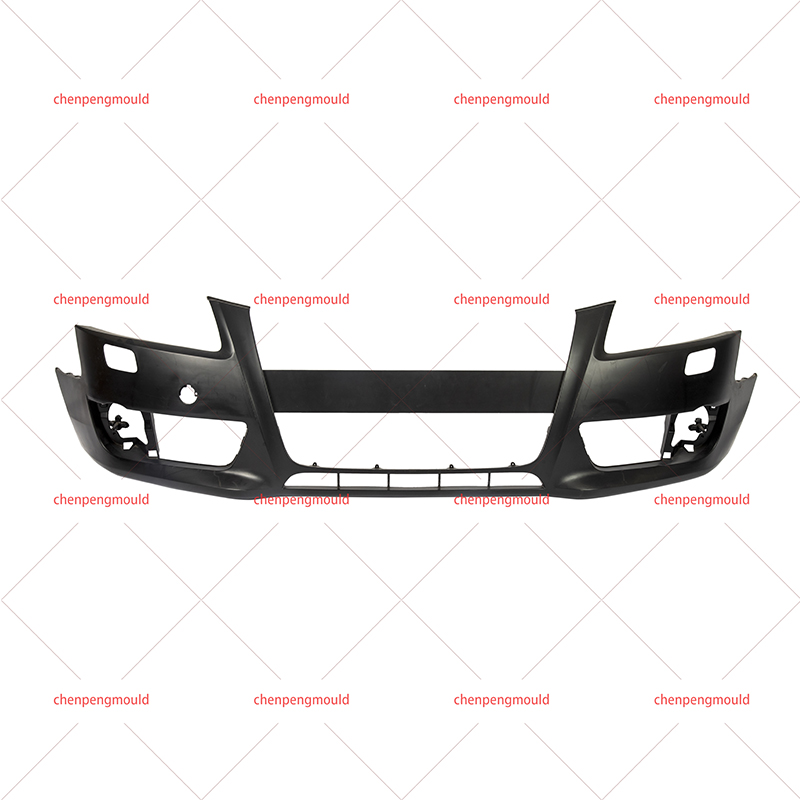
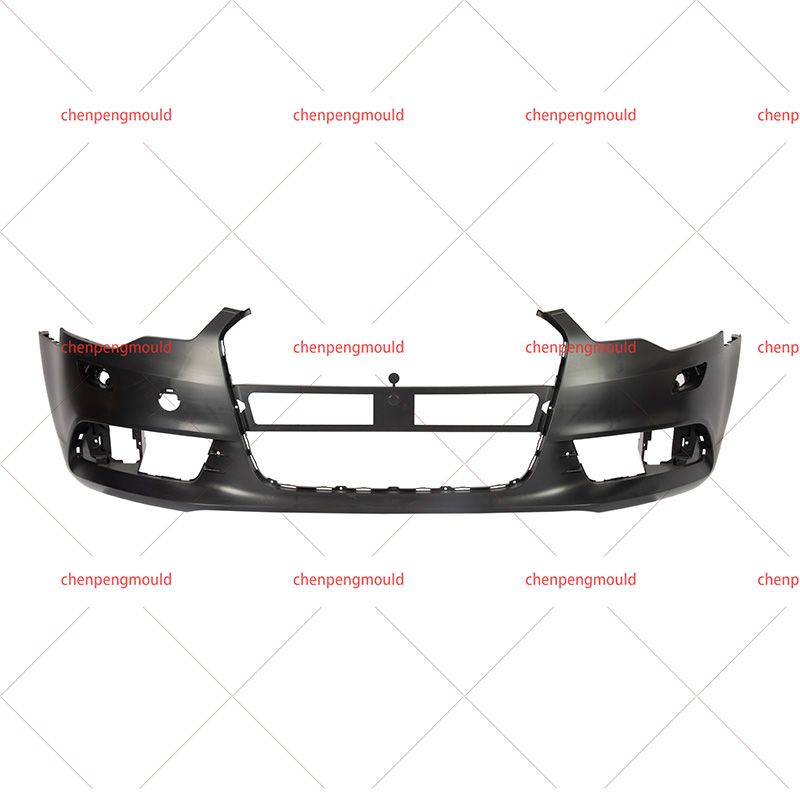
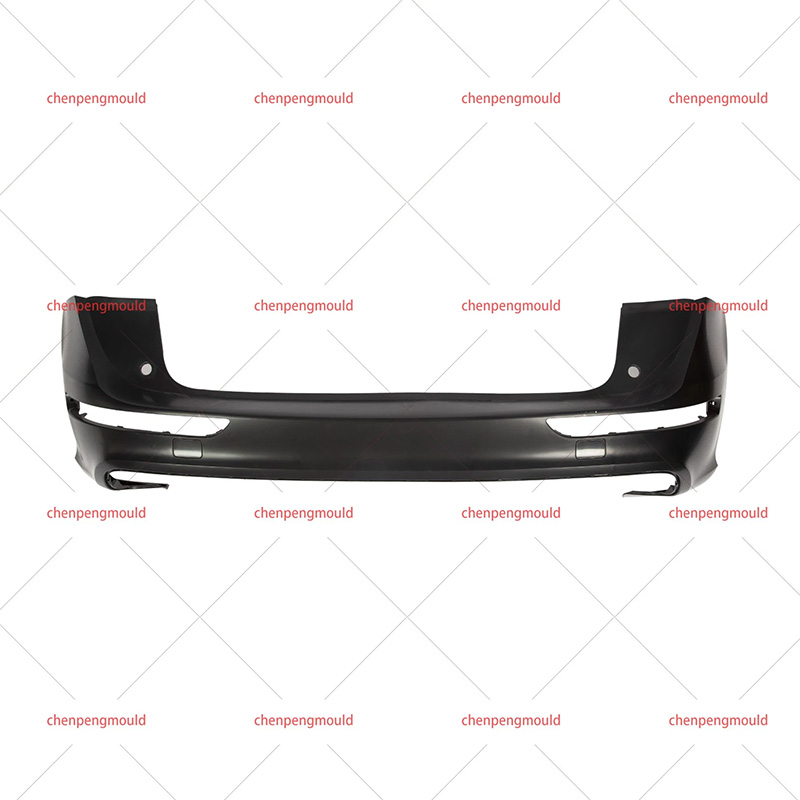
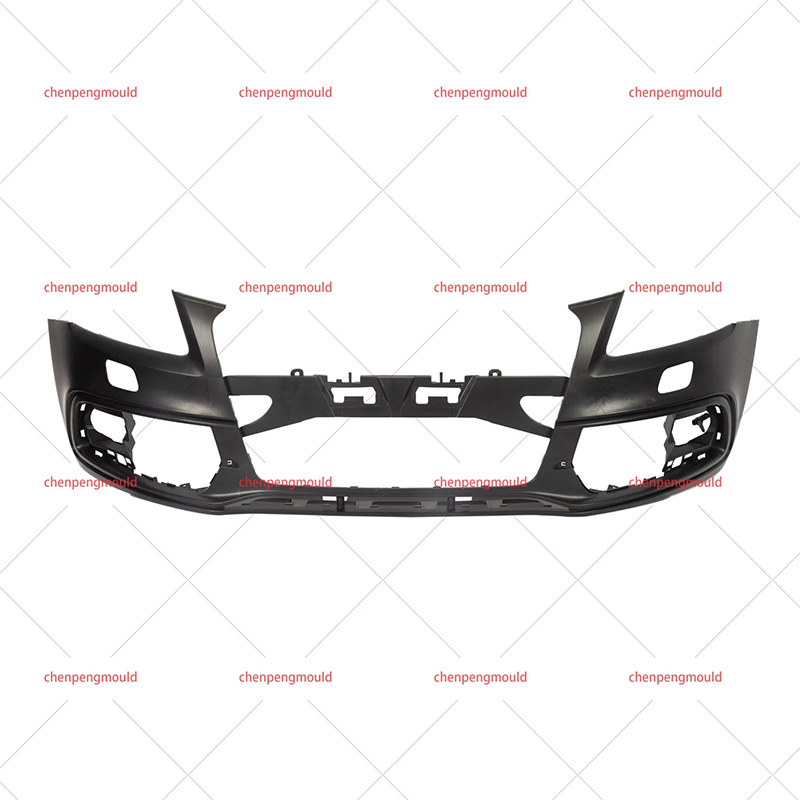
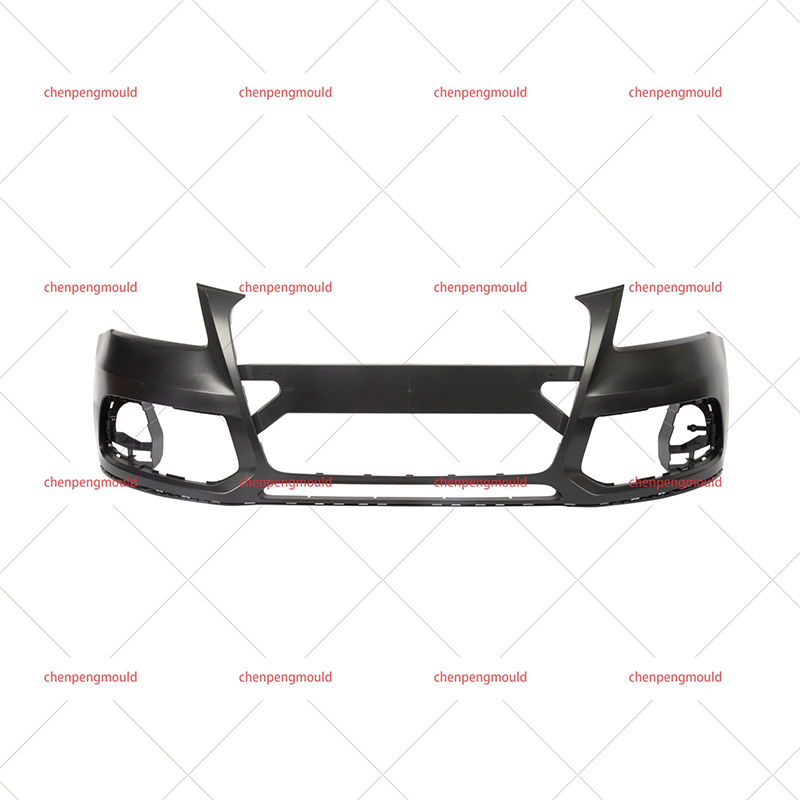
عربىBumper molding systems used in modern vehicles are designed to balance aesthetics, impact absorption, and assembly precision. Despite advanced tooling technology, fitment complaints still appear frequently in automotive aftermarket and OEM replacement parts. Bumper Molding For Cars often becomes the focus of discussions among technicians due to alignment gaps, clip mismatch, and inconsistent installation behavior.
These issues are rarely random. They usually come from design tolerance stacking, molding process variation, and vehicle platform differences across production batches.
Dimensional tolerance mismatch across production batches
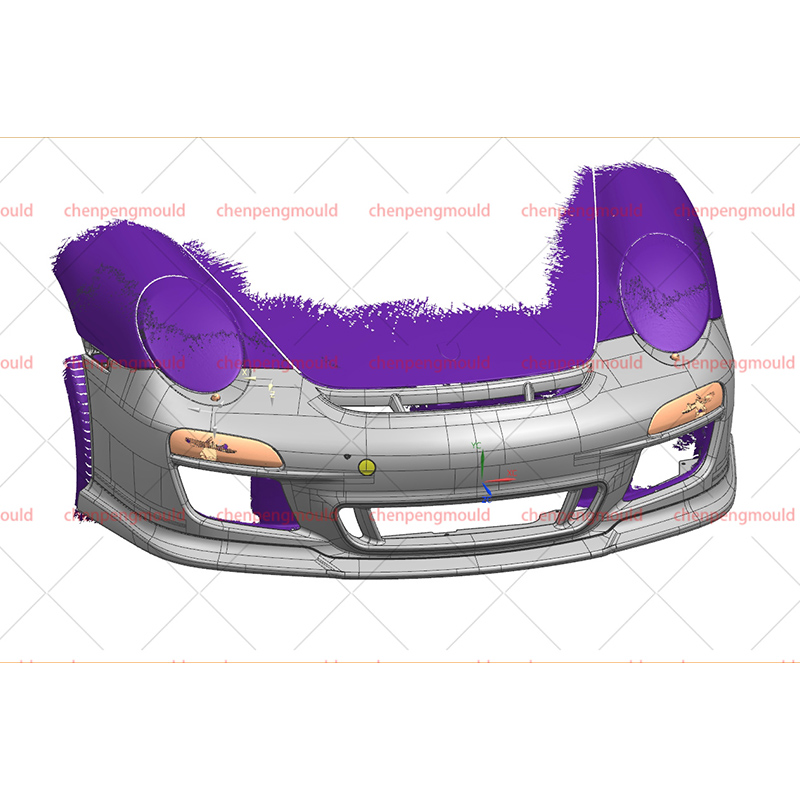
Automotive bumper assemblies rely on tight dimensional control, often within ±0.5 mm to ±1.2 mm, depending on part zones. Even a minor deviation in bumper molding can cause visible gaps after installation.
Common deviation sources:
- Mold cavity wear over repeated cycles
- Shrinkage variation in PP or PC/ABS blends
- Uneven packing pressure during injection stage
Industry observations show that shrinkage behavior in polypropylene-based bumper parts can vary significantly depending on mold temperature and holding pressure conditions, affecting final assembly accuracy .
A small shift in shrinkage rate may not be noticeable on a standalone part but becomes obvious once mounted on a vehicle frame.
Clip and mounting system misalignment
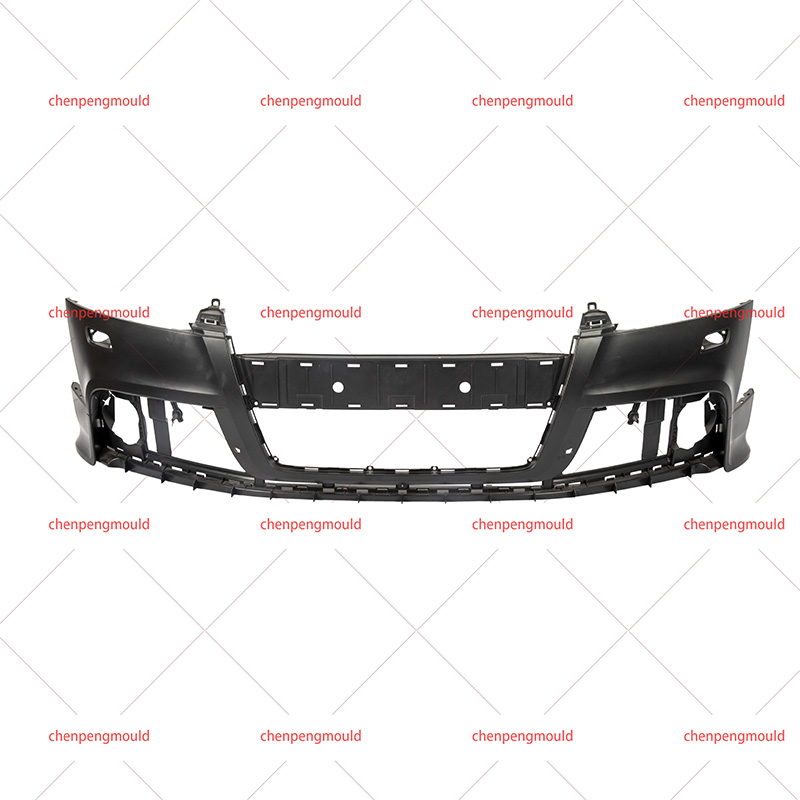
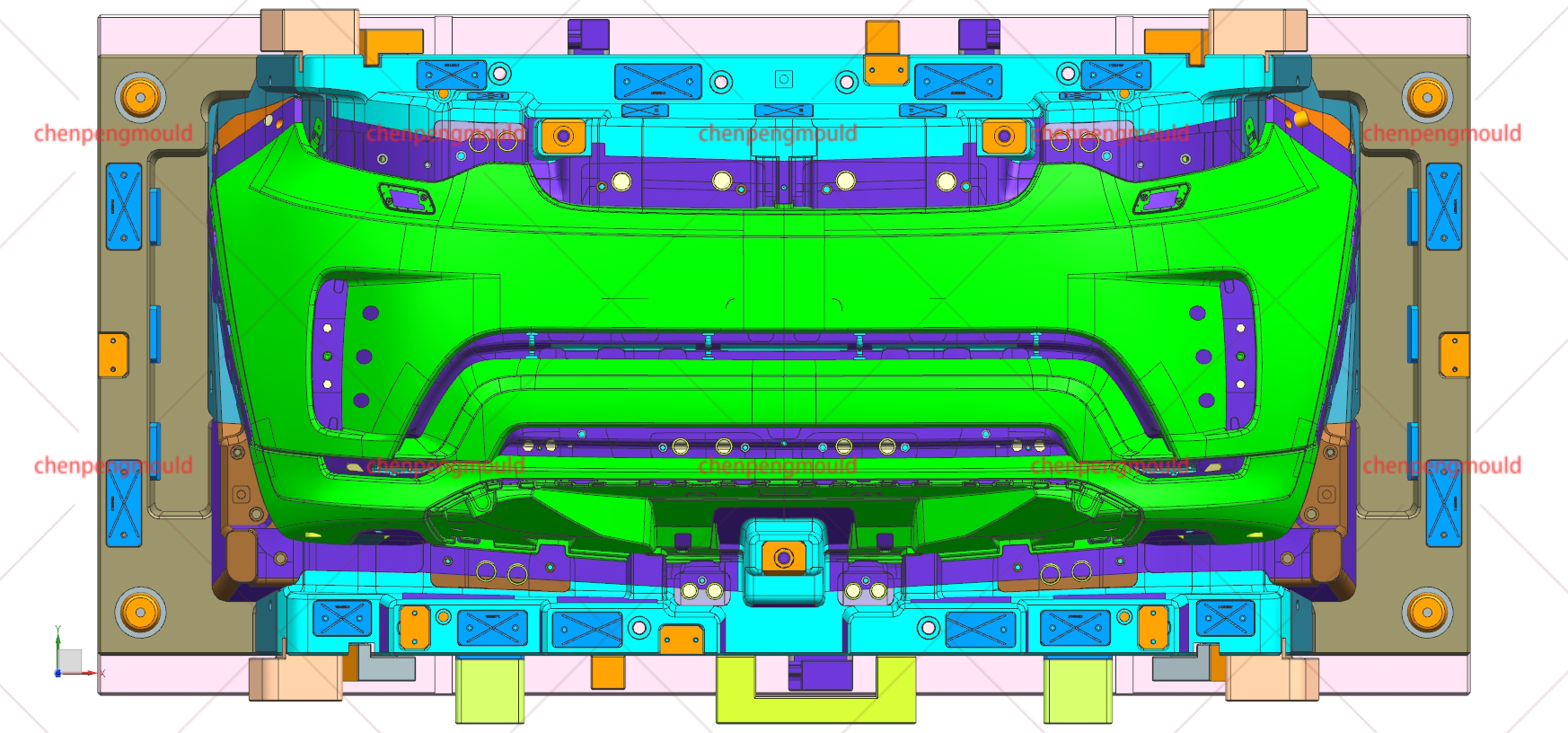
Modern bumper molding integrates multiple hidden fastening points, including clips, brackets, and guide slots. Misalignment in any of these structures leads to installation resistance or partial locking failure.
Typical failure points:
- Clip geometry not matching vehicle OEM bracket
- Warping of mounting tabs after cooling
- Inconsistent hole spacing along long bumper edges
Injection-molded automotive parts frequently suffer from warpage caused by uneven cooling and internal stress accumulation, especially in long-span components like bumpers .
Once warping occurs, even a properly designed clip system cannot compensate for geometric distortion.
Thermal deformation after demolding
A bumper part does not fully stabilize immediately after ejection from the mold. Residual heat continues to influence its shape during cooling in ambient conditions.
Key technical behaviors:
- Edge contraction happens faster than center sections
- Ribbed areas retain heat longer, causing uneven shrinkage
- Thin decorative trims distort under their own internal stress
Thermal imbalance during cooling is a known cause of warping and dimensional instability in large plastic components .
This becomes more noticeable in front and rear bumper assemblies where surface area is large and wall thickness varies widely.
Mold design influence on fit accuracy
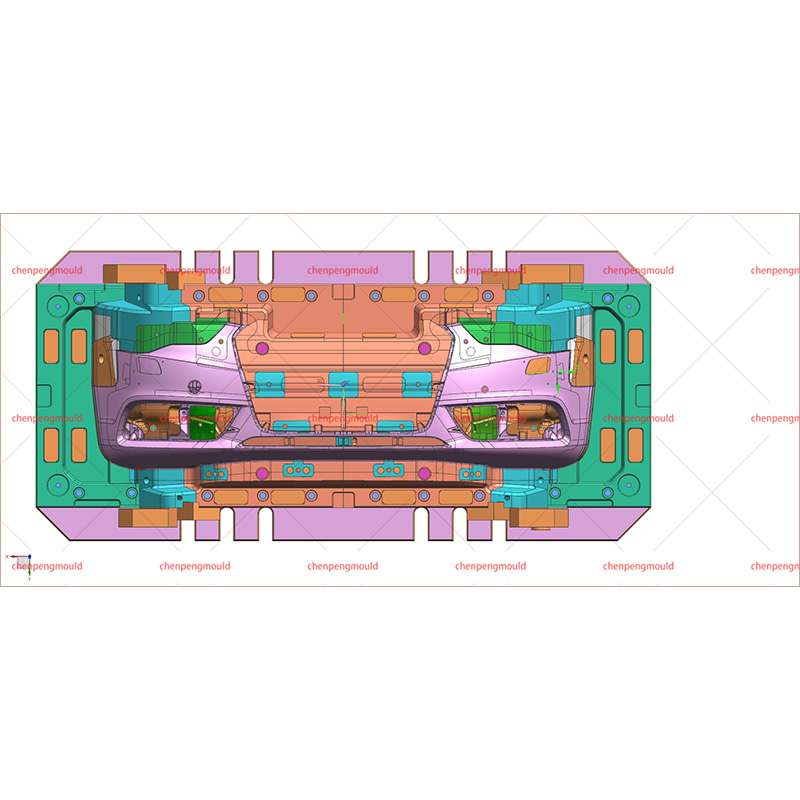
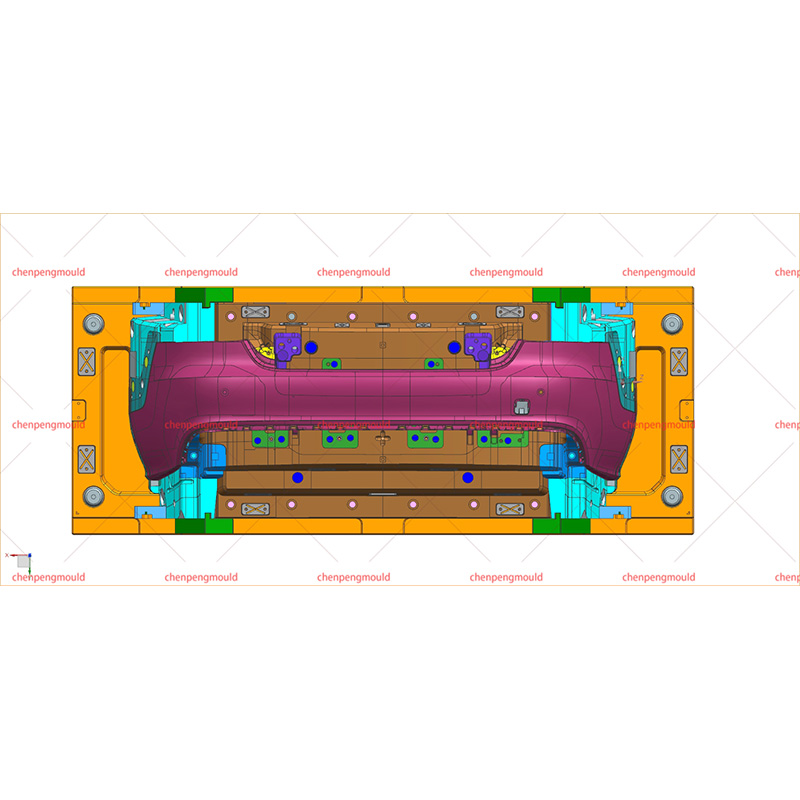
Mold design determines how plastic flows, cools, and stabilizes. Even small design flaws can accumulate into significant fitment problems.
Common mold-related contributors:
- Gate position too far from structural mounting zones
- Insufficient venting causes trapped air pockets
- Non-uniform runner distribution causes uneven filling
Weld lines formed at flow junctions may also weaken structural integrity and slightly distort geometry in high-stress areas .
These small deviations become amplified during final vehicle assembly.
Material blend inconsistency in aftermarket parts
Aftermarket bumper molding often uses mixed polymer batches to reduce production cost. However, inconsistent material composition introduces unpredictable shrinkage and stiffness differences.
Observed material-related issues:
- Higher recycled content reduces elastic recovery
- Inconsistent melt flow index changes filling behavior
- Additive variation affects thermal contraction rate
Material inconsistency is widely recognized as a root cause of dimensional instability in injection molded automotive components .
Even two parts molded from the same tool may behave differently under identical conditions.
Assembly force distribution problems
Installation of bumper molding requires balanced force application. Uneven pressure during mounting can reveal hidden deformation issues.
Typical symptoms:
- One side locks properly while opposite side resists
- Excessive force required near corner sections
- Audible stress sounds during clip engagement
These symptoms often indicate pre-existing internal stress rather than installation error.
Surface geometry interference during alignment
Surface features such as styling grooves, fog lamp surrounds, and air duct trims can interfere with fit precision. These features may look purely cosmetic but influence structural alignment.
Key interference factors:
- Raised styling ribs altering contact points
- Paint layer thickness increasing edge friction
- Sharp transitions affecting seating depth
Once combined, these small factors create cumulative misalignment that appears as “poor fitment.”
 +86-18357617666