

 عربى
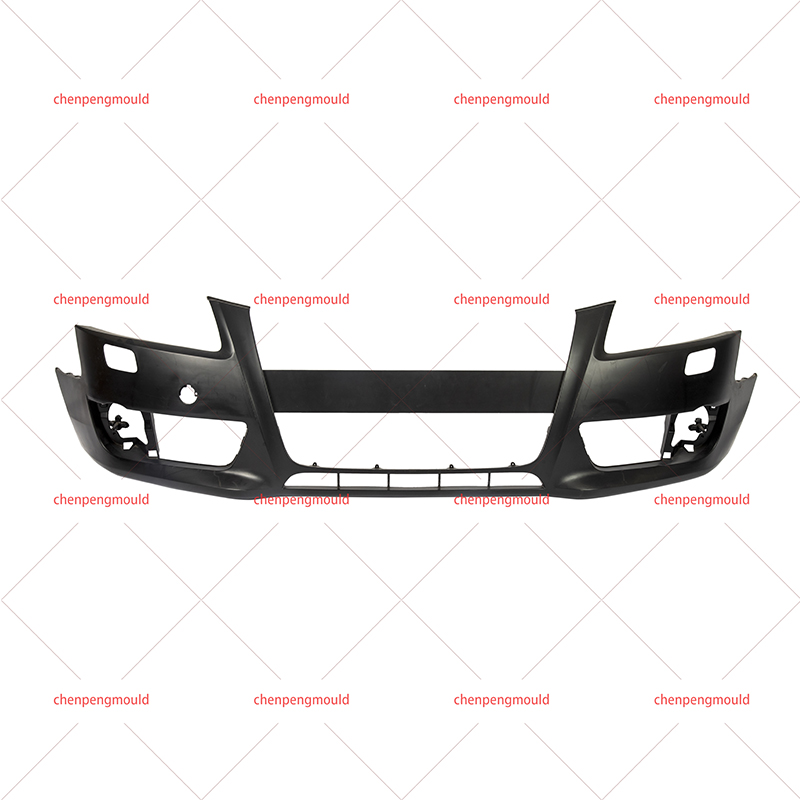
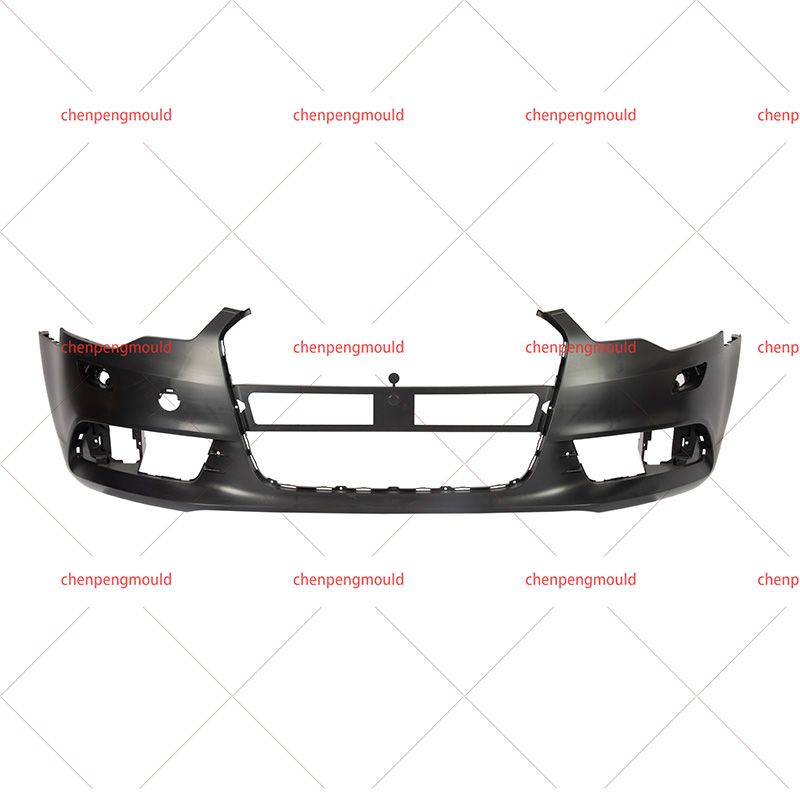
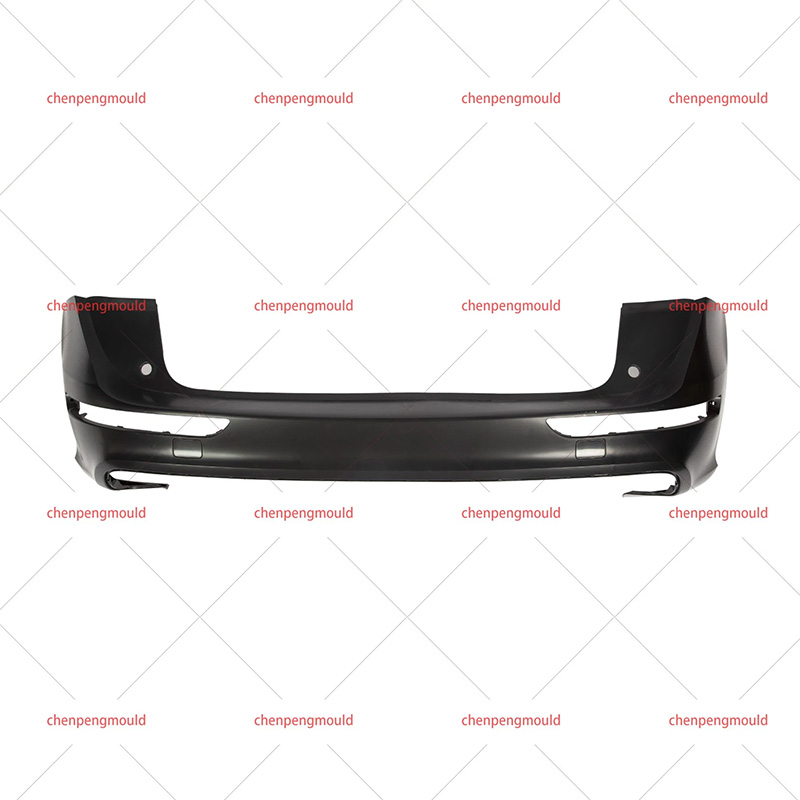
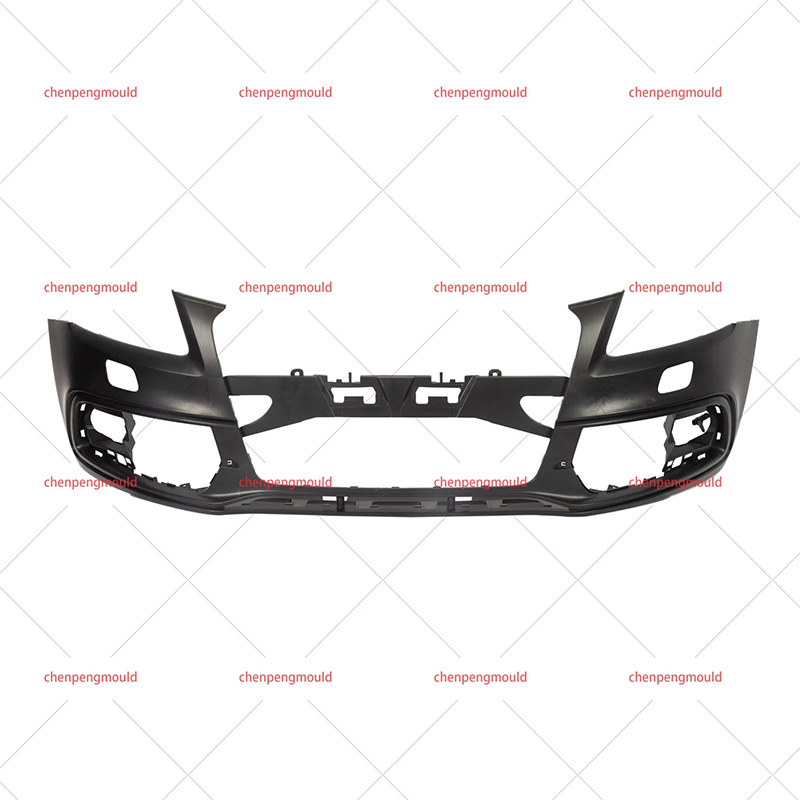
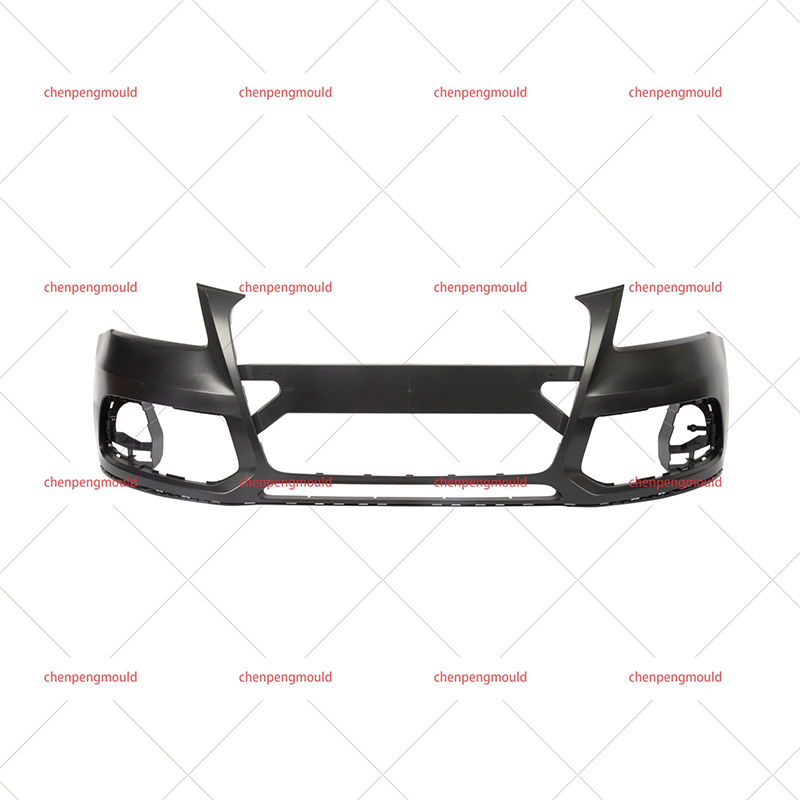
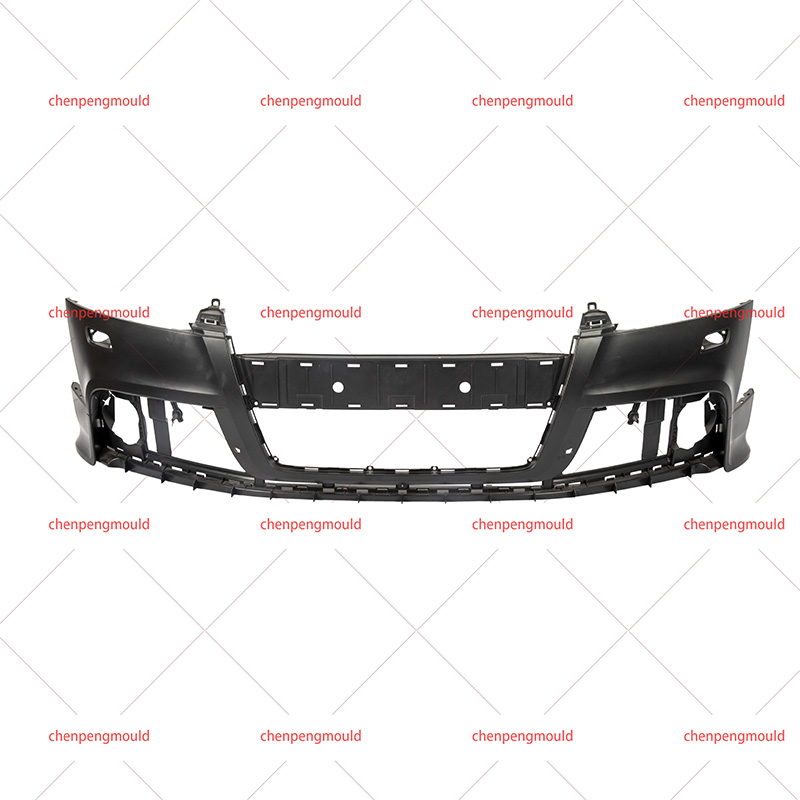
عربىModified bumper molding is a component designed to protect vehicle bumpers from minor impacts while enhancing the appearance of the car. The materials used in bumper molding play a crucial role in determining its durability, flexibility, and overall performance. Different materials offer distinct characteristics, making them suitable for various driving conditions and vehicle types.
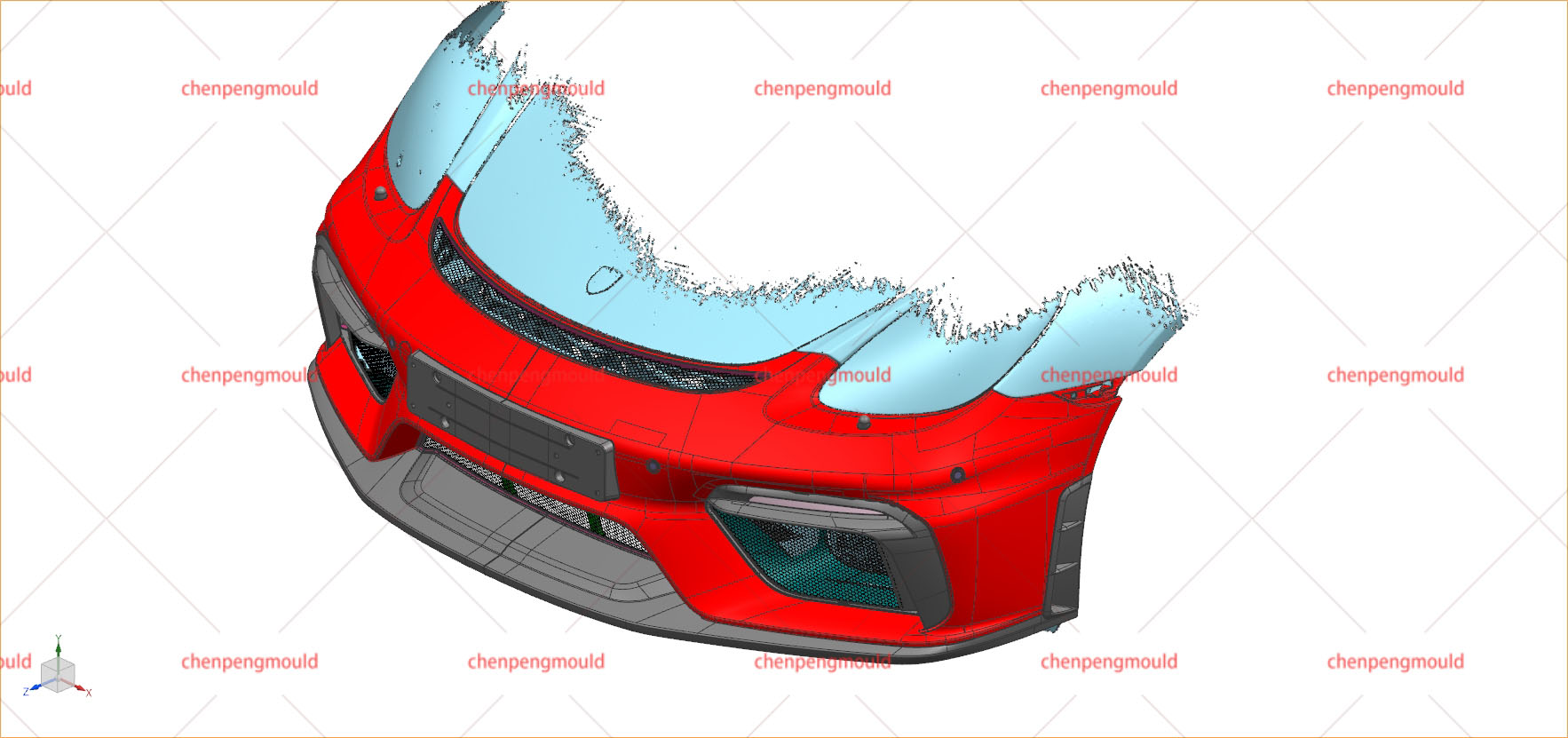
Plastic Materials
Plastic is one of the common materials used in modified bumper molding. Types of plastic such as polypropylene (PP) and acrylonitrile butadiene styrene (ABS) are widely employed due to their balance of flexibility, strength, and cost-effectiveness.
Plastic bumper moldings are lightweight and resistant to minor impacts, which helps protect the underlying bumper from scratches or dents. They are easy to mold into various shapes and designs, allowing manufacturers to create smooth curves or intricate patterns that match the vehicle's aesthetics. Additionally, plastic materials are compatible with painting processes, which allows the molding to be color-matched to the car's body.
However, plastic has some limitations. While it absorbs minor impacts, it can crack or break under more severe collisions. Prolonged exposure to sunlight and temperatures may also cause fading or brittleness over time. Despite these drawbacks, plastic remains a practical choice for many modified bumper moldings due to its versatility and cost efficiency.
Rubber Materials
Rubber is another material commonly used for modified bumper molding. Natural rubber or synthetic rubbers like thermoplastic elastomers (TPE) provide a higher level of flexibility compared to plastics. This flexibility allows rubber molding to absorb impacts more effectively without cracking or breaking.
Rubber bumper molding is particularly useful in areas prone to minor collisions or frequent contact, such as parking zones or urban streets. Its elastic properties help the molding return to its original shape after deformation, which provides long-term durability under moderate impact conditions. Rubber also has good resistance to vibration, which can reduce noise and improve overall ride comfort.
On the downside, rubber materials are generally more sensitive to UV light and may degrade over time if not treated with protective coatings. They are also less rigid than plastics, which may limit design options for certain vehicle models. Nonetheless, rubber molding is valued for its impact absorption and flexibility, making it suitable for vehicles that require practical protection.
Polyurethane and Hybrid Materials
Polyurethane (PU) and hybrid materials combine the properties of plastic and rubber, offering both flexibility and strength. Polyurethane molding is designed to withstand minor impacts while maintaining its shape and providing a smooth, finished appearance.
These materials can be softer than rigid plastics, which improves impact absorption, while also maintaining structural integrity in areas that require a firmer form. Hybrid materials may incorporate layers or additives to enhance properties such as UV resistance, chemical resistance, or abrasion resistance. This combination of qualities allows modified bumper molding to provide both functional protection and aesthetic appeal in a wider range of environments.
Polyurethane and hybrid materials tend to be slightly more expensive than standard plastic or rubber, but they offer a balanced performance that is suitable for vehicles exposed to variable road conditions and climate factors.
Differences Between Materials
The choice of material for modified bumper molding affects its performance, durability, and appearance. Plastic is lightweight, easy to shape, and cost-effective, but it may crack under severe impact. Rubber offers flexibility and impact absorption, but it can be sensitive to UV exposure and may have limited design options. Polyurethane and hybrid materials provide a combination of strength and flexibility, offering better resilience to environmental factors and minor impacts.
In addition, material selection influences maintenance and longevity. Plastic molding may require repainting to maintain its appearance, while rubber and polyurethane can often retain their look with simple cleaning. Hybrid materials are generally more resistant to both fading and physical stress, making them suitable for applications where both aesthetics and protection are important.
 +86-18357617666