

 عربى
عربىProtection and Durability
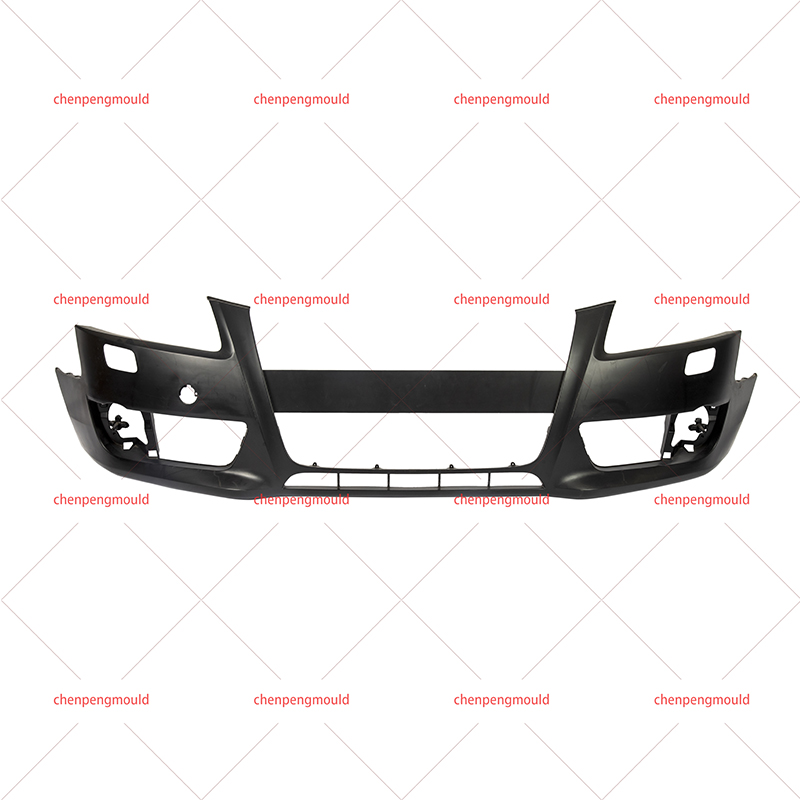
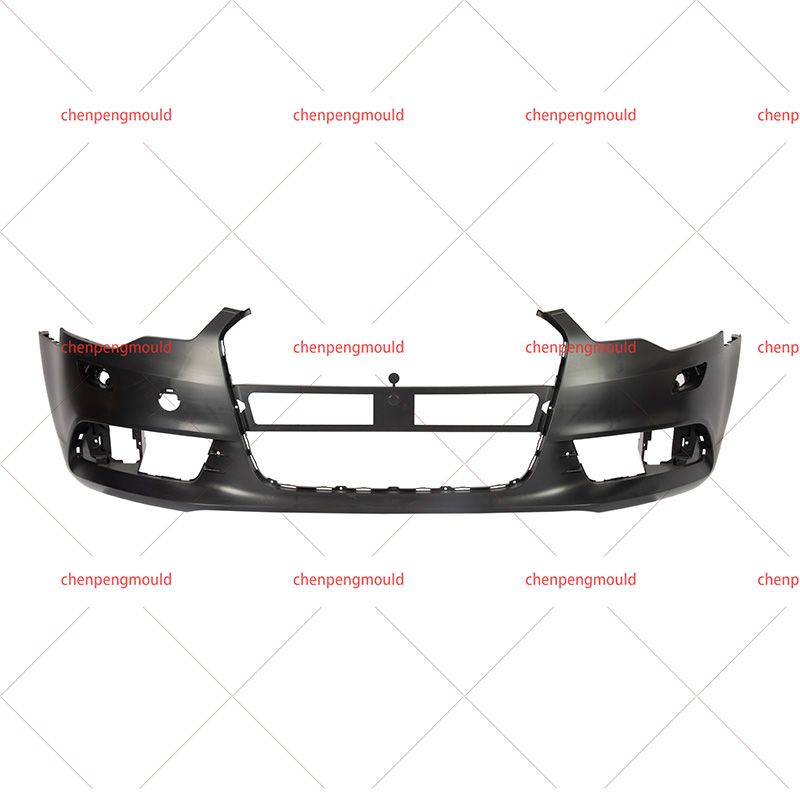
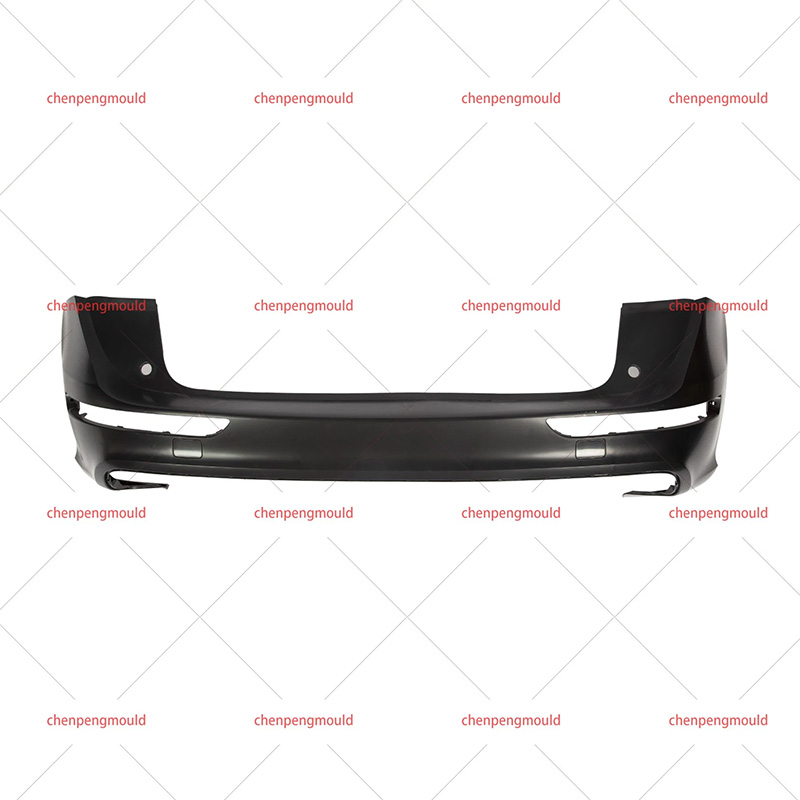
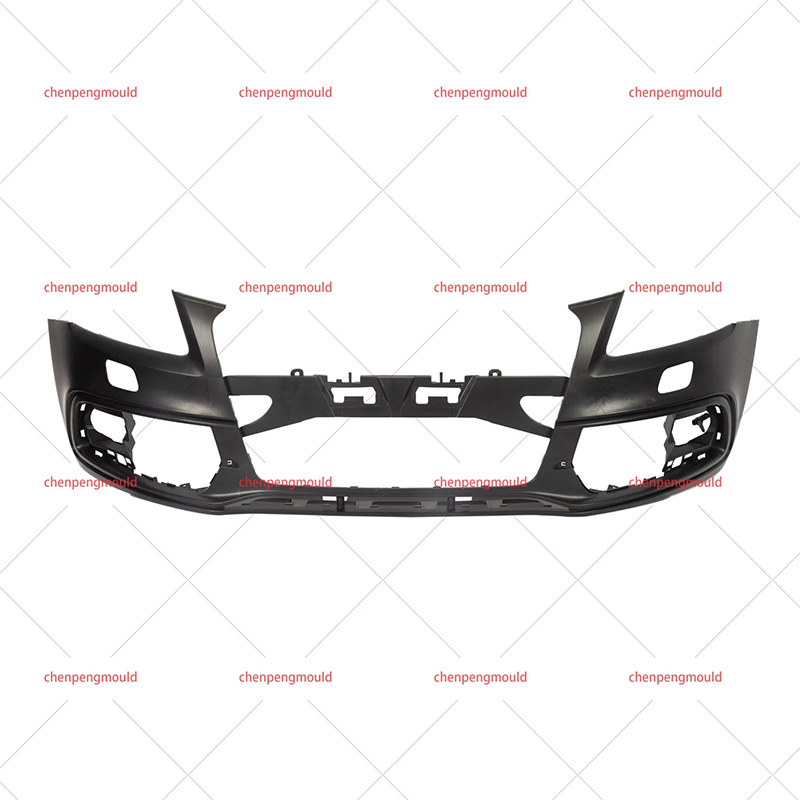
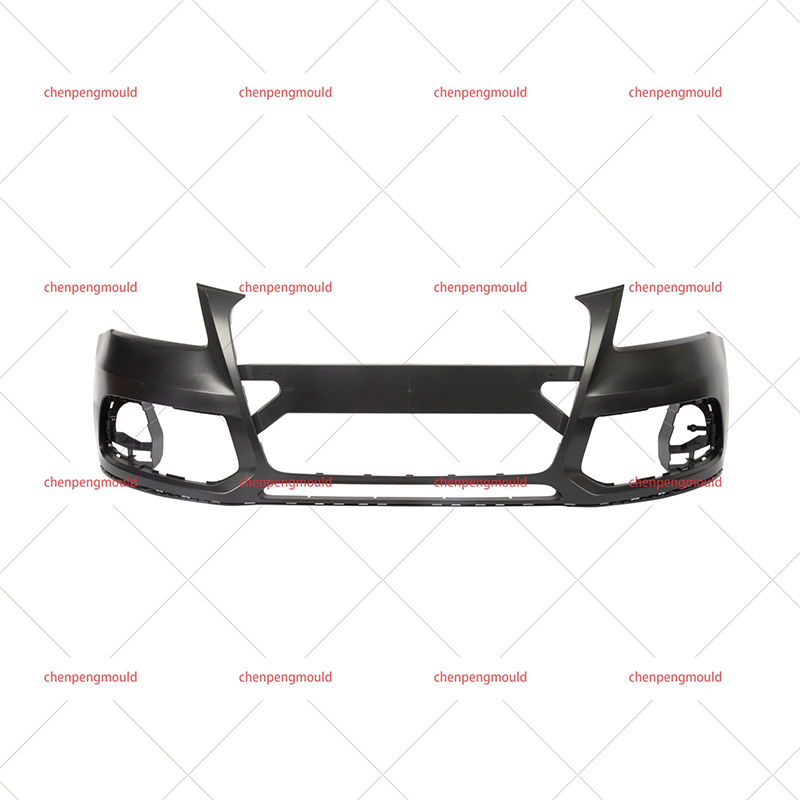
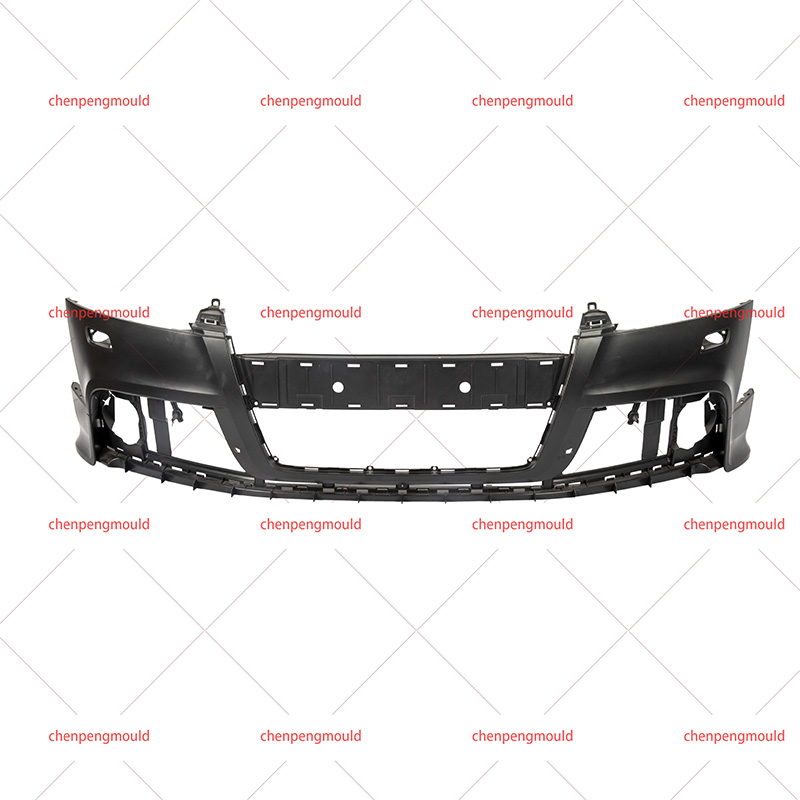
One of the primary reasons bumper molding for cars is popular is because it offers additional protection to both the vehicle and its occupants. Bumper moldings are often made from materials such as plastic, rubber, or thermoplastic elastomers, which are engineered to withstand impact and resist damage from minor collisions or abrasions. These moldings help to absorb and distribute the force from low-speed impacts, the potential for scratches, dents, or cracks to the underlying bodywork of the vehicle.
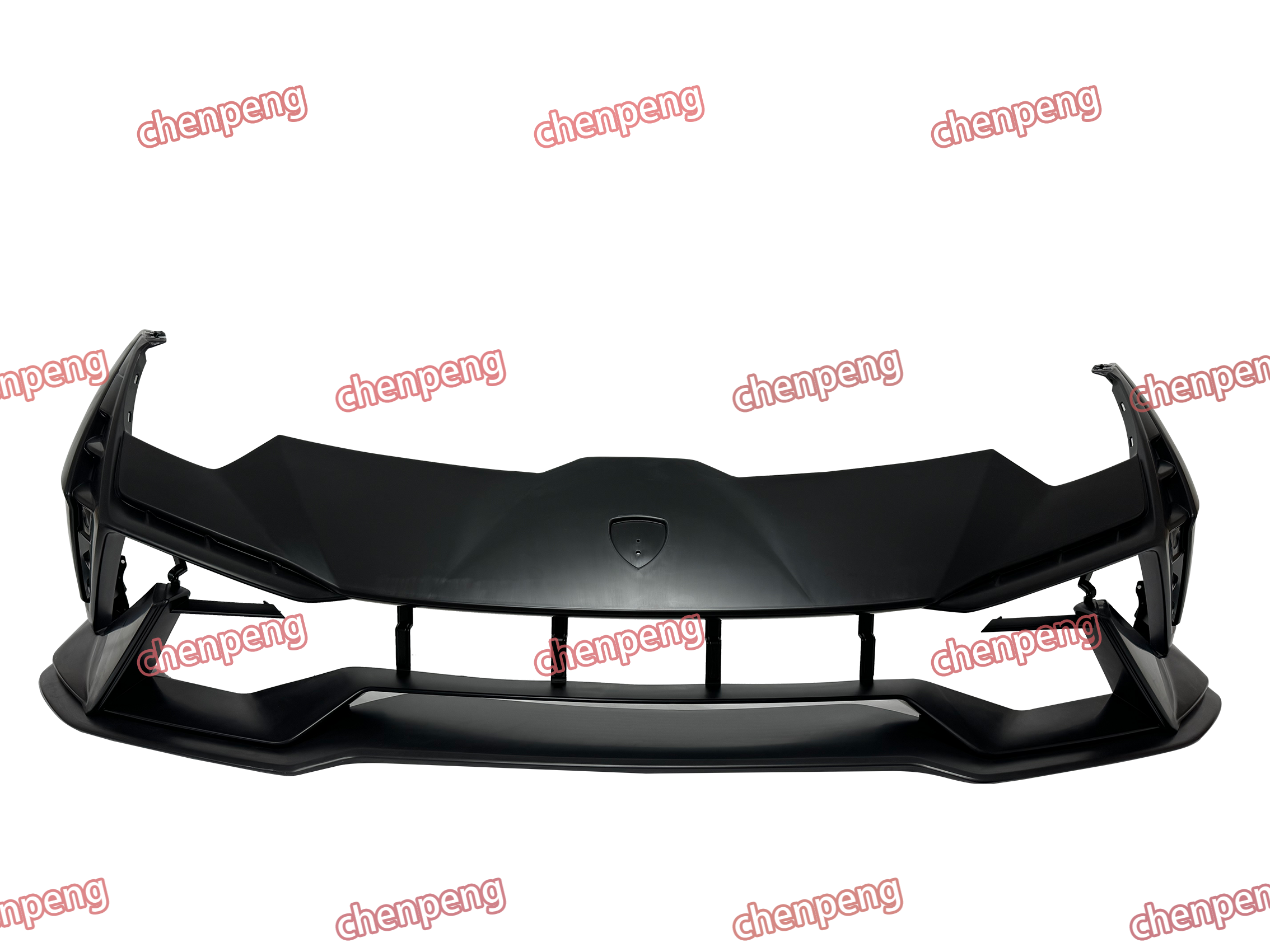
Impact Absorption: In addition to enhancing the vehicle's aesthetics, bumper moldings provide a layer of protection that can absorb shock in the event of a minor collision. This can prevent the bumper itself from becoming damaged and, in turn, help protect vital components of the vehicle's structure, such as the lights or sensors, which may be integrated into the bumper.
Resilience to Environmental Factors: Many bumper moldings are designed to resist environmental damage, including UV radiation, moisture, and temperature fluctuations. This means they can continue to perform their protective function even in harsh weather conditions, contributing to the overall longevity of the vehicle's exterior.
Aesthetic Enhancement and Customization
Bumper molding for cars is not only a functional component but also a key design element that can significantly enhance the appearance of the vehicle. The ability to customize bumper moldings allows car owners and manufacturers to express individuality and create a more appealing visual profile for the car.
Variety of Designs: Bumper moldings come in a wide range of shapes, sizes, and finishes. Whether smooth, textured, or designed with specific patterns, these moldings can be tailored to suit various vehicle models and aesthetics. For example, sports car owners may choose sleek, low-profile bumpers, while family car owners might opt for more robust, practical designs.
Color and Material Options: In addition to shape, bumper moldings are available in various colors and materials. These can be chosen to match or contrast with the car's paintwork, adding visual interest. Moldings can be made from materials such as chrome, black plastic, or painted plastic, offering options for any car's style.
Enhanced Design Features: Some bumper moldings incorporate additional features, such as integrated LED lights, reflectors, or vents. These design elements not only improve the vehicle's overall look but also contribute to functionality, such as improving visibility at night or enhancing aerodynamics.
Ease of Replacement and Maintenance
Bumper moldings are designed to be easy to replace, making them an attractive option for car owners who want to maintain the look and functionality of their vehicles without incurring high repair costs. Since bumpers and their moldings are exposed to frequent contact with obstacles, they can suffer from damage over time. The ability to replace the molding without needing to replace the entire bumper is one of the reasons why these components have gained popularity.
Cost-Effective Repairs: If a bumper molding becomes cracked, chipped, or damaged, it is generally more affordable to replace just the molding than to repair or replace the entire bumper. Many car owners appreciate this cost-saving aspect, as it allows them to restore the vehicle's appearance without spending a significant amount of money.
Easy Installation: Many bumper moldings are designed for easy installation, with many being clip-on or adhesive-backed. This means they can be installed by the vehicle owner with minimal tools or effort. This ease of installation contributes to the popularity of bumper moldings, as they provide a simple solution to maintaining or updating a car's exterior.
Low Maintenance Requirements: Bumper moldings are typically low-maintenance components. In cases, cleaning the moldings with a mild detergent and water is enough to keep them looking good. The materials used in bumper molding, such as UV-resistant plastics or rubber, are designed to be durable and resistant to fading, making them easy to care for over time.
Safety Features and Regulations
In addition to their aesthetic and protective roles, bumper moldings also play a critical part in enhancing vehicle safety. With safety regulations in place to minimize injury and vehicle damage during collisions, bumper moldings have evolved to meet these standards.
- Pedestrian Safety: Many modern bumper moldings are designed with pedestrian safety in mind. These moldings are often made from materials that provide a soft yet durable surface, which helps reduce the risk of injury in the event of a collision with a pedestrian. In many cases, the molding helps to distribute the force of impact more evenly, reducing the likelihood of severe injury.
- Integration with Sensors and Safety Features: In advanced vehicle models, bumper moldings often incorporate features such as sensors or cameras for parking assistance, collision detection, and other safety functions. These moldings contribute to the overall effectiveness of the vehicle's safety systems by providing a convenient location for the sensors, allowing them to function more accurately.
- Compliance with Regulations: Car manufacturers are required to meet specific safety standards when designing bumpers and their components. Bumper moldings are often an integral part of meeting these regulations, as they are tested to ensure that they offer the necessary protection to both the vehicle and its occupants in the event of a crash. Moldings must meet certain impact resistance and strength requirements to comply with safety standards.
 +86-18357617666